Genesis 11
Godeya꞉ To Nafayo꞉ We · Tap a verse to see its cross-references.
Gode eyo꞉ towo꞉ aloba꞉da꞉sa꞉ga꞉ modo꞉ ta꞉fo꞉
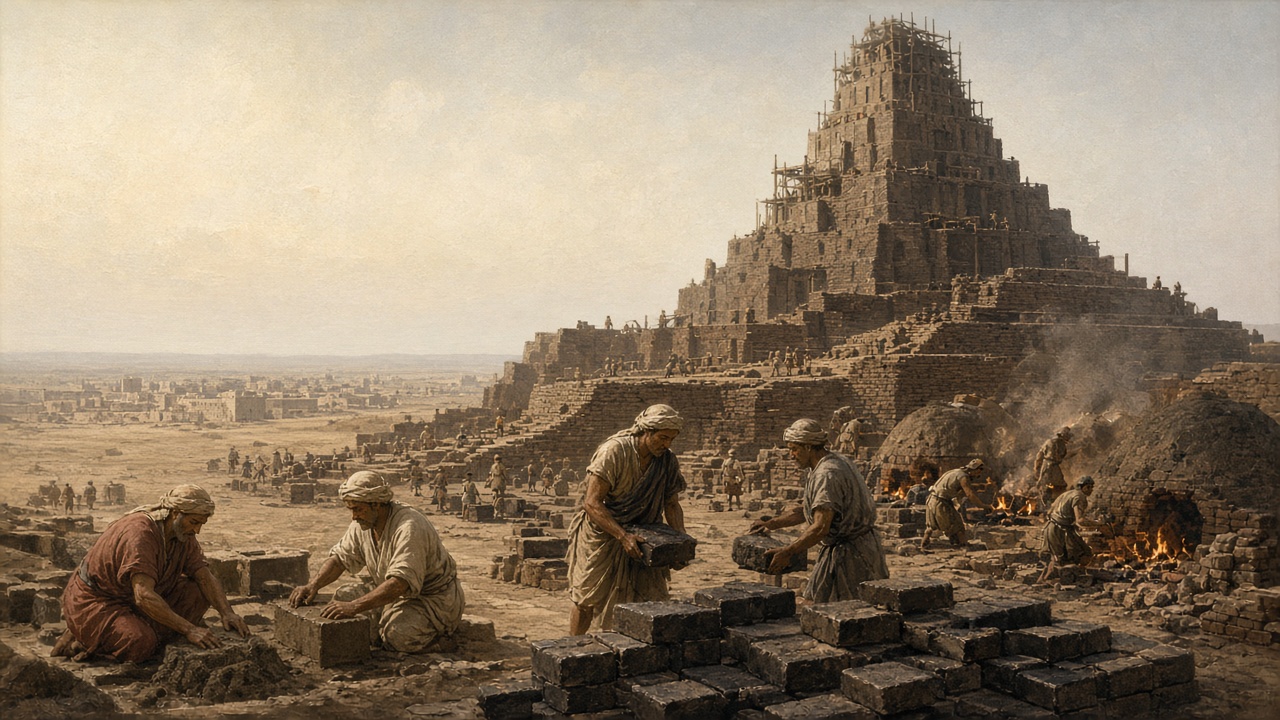
1Tamin amio꞉ henfelo꞉ kaluka꞉isale tambo towo꞉ imilise elen. 2Kaluka꞉isaleyo꞉ ofdo꞉ yan doba꞉da꞉ ta꞉i ha꞉na꞉sa꞉ga꞉, hen fua꞉lo꞉wa fa꞉la꞉dowa꞉sa꞉ga꞉, a꞉na asifo꞉. Hen a꞉ma꞉ wiyo꞉ Sinal. 3Iyo꞉ a꞉na silikiyo꞉, egele nenelakiyo꞉ a꞉la꞉sio꞉, “Niliyo꞉ ko꞉fo꞉ tamo dola꞉sa꞉sa꞉ga꞉, halaido꞉ fa꞉la꞉doma꞉ki, deya so꞉fa꞉niki” a꞉la꞉sio꞉. A꞉la꞉fo꞉ko꞉lo꞉ iliyo꞉ ayo꞉ uwa꞉yo꞉ mo꞉dia꞉no꞉ dowabiyo꞉, ko꞉fa꞉yo꞉ ayo꞉ a꞉na dimido꞉. A꞉la꞉ta꞉ga꞉ ko꞉f so꞉fa꞉ a꞉no꞉ kuduma꞉kiyo꞉, oga꞉dan kelego꞉ nowo꞉ di. 4Iliyo꞉ a꞉la꞉sio꞉, “Nini amisa꞉no꞉ dimidama꞉niki. Us a꞉namio꞉, a alan badio꞉ nowo꞉, walala꞉li dia꞉i fa꞉la꞉ ha꞉na꞉la꞉ga꞉ akina fa꞉la꞉doma꞉niki. Henfelo꞉ amio꞉ hen ko꞉li ko꞉lilo꞉ amio꞉ dalale ha꞉nabena꞉ki, nio꞉ wabulun wilo꞉ mesa꞉niki, niliyo꞉ nanogo꞉ a꞉la꞉dimidama꞉no꞉.” 5Gode Yawe eyo꞉ henfelo꞉ kaluka꞉isaleya꞉lo꞉ amisa꞉n o꞉lia꞉ a alan badio꞉ o꞉lia꞉ diab a꞉no꞉ ko꞉lo꞉ ba꞉ba꞉ni mio꞉. 6Yawe eyo꞉ ba꞉da꞉sa꞉ga꞉ a꞉la꞉sio꞉, “Amayo꞉, kaluka꞉isale wema꞉yo꞉ so꞉lo꞉wo꞉ imilise a꞉la꞉ta꞉ga꞉ towo꞉ imilise dowab. A꞉la꞉ta꞉ga꞉ ililo꞉ nanogo꞉ dimidab we, mo꞉mo꞉da꞉sa꞉ga꞉yo꞉ semo꞉ kedefo꞉ ko꞉lo꞉, tif amio꞉ inido꞉ dimidama꞉no꞉ saetab a꞉no꞉ tambo dimida꞉i ha꞉na꞉ib. 7A꞉la꞉gabo꞉lo꞉biki, nio꞉ tina꞉sa꞉ga꞉yo꞉, egeledo꞉ to sa꞉lab a꞉no꞉ babale doma꞉ki, ililo꞉ to sa꞉lab a꞉no꞉ niliyo꞉ to ko꞉li ko꞉lilo꞉ dia꞉fa꞉no꞉.” Yawe eyo꞉ a꞉la꞉sio꞉. 8A꞉la꞉dimida꞉sa꞉ga꞉yo꞉ Yawe eyo꞉ iyo꞉ alobandakiyo꞉, henfelo꞉ amio꞉ hen ko꞉li ko꞉lilo꞉wa hamana꞉ki iliga꞉fo꞉ ko꞉lo꞉, amisa꞉n ilido꞉ dimida꞉len a꞉no꞉ ka ta꞉fo꞉. 9A꞉la꞉fo꞉ko꞉lo꞉ amisa꞉n a꞉no꞉ “Babel” a꞉la꞉wikilo꞉. A꞉la꞉do꞉ sio꞉wo꞉ mo꞉wo꞉ we. Amisa꞉n a꞉namio꞉ Yawe eyo꞉ kaluka꞉isaleya꞉ towo꞉ babale alifa꞉. Hen a꞉na a꞉la꞉ta꞉ga꞉yo꞉, Yawe eyo꞉ kaluka꞉isaleyo꞉ henfelo꞉ amilo꞉ hen ko꞉li ko꞉lilo꞉wa ta꞉i hamana꞉ki iliga꞉felo꞉. A alan dia꞉i fa꞉la꞉ha꞉na꞉no꞉ a꞉no꞉ ko꞉fa꞉ dimidaifa꞉.|alt="Making bricks for the Tower of Babel" src="01_Ge_11_11_RG_gr.tif" size="col" copy="© Sweet Publishing http://sweetpublishing.com, licensed under a CC: BY-SA 3.0 Unported licence" ref="11.3-4"
Sa꞉ma꞉ eso꞉lo꞉ agelo꞉wo꞉ we
10Sa꞉ma꞉ eso꞉lo꞉wa꞉ wi agelo꞉wo꞉ we. Ho꞉n galusana mio꞉wo꞉ dona a꞉la꞉yo꞉ ta꞉ta꞉ga꞉yo꞉, Sa꞉m e donayo꞉ 100 fa꞉la꞉dowabiki, Alabasad e a꞉na sa꞉la꞉li. 11A꞉la꞉ta꞉ga꞉ Alabasad e sa꞉la꞉lia꞉sa꞉ga꞉yo꞉, Sa꞉m e donayo꞉ 500 a꞉la꞉fo꞉ a꞉no꞉ o꞉silikiyo꞉, kalu so꞉wa, ka꞉isale so꞉wa nolo꞉ a꞉na sa꞉la꞉li.
12Alabasad e donayo꞉ 35 a꞉la꞉fo꞉wo꞉ ta꞉ta꞉ga꞉, Sa꞉la a꞉na sa꞉la꞉li. 13A꞉la꞉ta꞉ga꞉ Sa꞉la sa꞉la꞉lia꞉sa꞉ga꞉yo꞉, Alabasad e donayo꞉ 403 a꞉la꞉fo꞉ a꞉no꞉ o꞉silikiyo꞉, kalu so꞉wa, ka꞉isale so꞉wa nolo꞉ a꞉na sa꞉la꞉li.
14Sa꞉la e donayo꞉ 30 a꞉la꞉fo꞉wo꞉ ta꞉ta꞉ga꞉, Ebel a꞉na sa꞉la꞉li. 15A꞉la꞉ta꞉ga꞉ Ebel sa꞉la꞉lia꞉sa꞉ga꞉yo꞉, Sa꞉la e donayo꞉ 403 a꞉la꞉fo꞉ a꞉no꞉ o꞉silikiyo꞉, kalu so꞉wa, ka꞉isale so꞉wa nolo꞉ a꞉na sa꞉la꞉li.
16Ebel e donayo꞉ 34 a꞉la꞉fo꞉ ta꞉ta꞉ga꞉, Beleg a꞉na sa꞉la꞉li. 17A꞉la꞉ta꞉ga꞉ Beleg sa꞉la꞉lia꞉sa꞉ga꞉yo꞉, Ebel e donayo꞉ 430 a꞉la꞉fo꞉ a꞉no꞉ o꞉silikiyo꞉, kalu so꞉wa, ka꞉isale so꞉wa nolo꞉ a꞉na sa꞉la꞉li.
18Beleg e donayo꞉ 30 a꞉la꞉fo꞉wo꞉ ta꞉ta꞉ga꞉, Leu a꞉na sa꞉la꞉li. 19A꞉la꞉ta꞉ga꞉ Leu sa꞉la꞉lia꞉sa꞉ga꞉yo꞉, Beleg e donayo꞉ 209 a꞉la꞉fo꞉ a꞉no꞉ o꞉silikiyo꞉, kalu so꞉wa, ka꞉isale so꞉wa nolo꞉ a꞉na sa꞉la꞉li.
20Leu e donayo꞉ 32 a꞉la꞉fo꞉wo꞉ ta꞉ta꞉ga꞉, Selug a꞉na sa꞉la꞉li. 21A꞉la꞉ta꞉ga꞉ Selug sa꞉la꞉lia꞉sa꞉ga꞉yo꞉, Leu e donayo꞉ 207 a꞉la꞉fo꞉ a꞉no꞉ o꞉silikiyo꞉, kalu so꞉wa, ka꞉isale so꞉wa nolo꞉ a꞉na sa꞉la꞉li.
22Selug e donayo꞉ 30 a꞉la꞉fo꞉wo꞉ ta꞉ta꞉ga꞉, Nahol a꞉na sa꞉la꞉li. 23A꞉la꞉ta꞉ga꞉ Nahol sa꞉la꞉lia꞉sa꞉ga꞉yo꞉, Selug e donayo꞉ 200 a꞉la꞉fo꞉ a꞉no꞉ o꞉silikiyo꞉, kalu so꞉wa, ka꞉isale so꞉wa nolo꞉ a꞉na sa꞉la꞉li.
24Nahol e donayo꞉ 29 a꞉la꞉fo꞉wo꞉ ta꞉ta꞉ga꞉, Tela a꞉na sa꞉la꞉li. 25A꞉la꞉ta꞉ga꞉ Tela sa꞉la꞉lia꞉sa꞉ga꞉yo꞉, Nahol e donayo꞉ 119 a꞉la꞉fo꞉ a꞉no꞉ o꞉silikiyo꞉, kalu so꞉wa, ka꞉isale so꞉wa nolo꞉ a꞉na sa꞉la꞉li.
26Tela e donayo꞉ 70 a꞉la꞉fo꞉wo꞉ ta꞉ta꞉ga꞉, kalu so꞉wa otaleno꞉ sa꞉la꞉li. So꞉wa a꞉no꞉ wiyo꞉ Ablam, nowo꞉ Nahol, nowo꞉ Halan.
27A꞉la꞉ta꞉ga꞉ Telaya꞉ eso꞉lo꞉wa꞉ wi agelo꞉wo꞉ we. Tela eyo꞉ so꞉wayo꞉ otalen ko꞉lo꞉ sa꞉la꞉li, Ablam, Nahol, Halan. Halan eyo꞉ Lod ko꞉lo꞉ sa꞉la꞉li. 28Telayo꞉ o꞉sabikiyo꞉, inso꞉ Halan a꞉no꞉ ene hen Ul amisa꞉n, Kaldia hen a꞉na sen ami sowo꞉. 29Ablam o꞉lia꞉ Nahol o꞉lia꞉yo꞉ gayo꞉ di. Ablam eyo꞉ Sa꞉lai di. Nahol eyo꞉ Milka di. Milka o꞉lia꞉ Iska o꞉lia꞉yo꞉ Halana꞉ ida꞉. 30A꞉la꞉fo꞉ko꞉lo꞉ Sa꞉lai e fain dowaki, so꞉wayo꞉ mo꞉sa꞉la꞉li. 31Tela eyo꞉ eso꞉lo꞉wo꞉ hen nowa tililia꞉gane. Telayo꞉, ene so꞉wa Ablamo꞉, e ma꞉mu Lod, Halana꞉ inso꞉wo꞉, ena꞉su Sa꞉lai, Ablama꞉ ingayo꞉, egele Ul Kaldia hen a꞉no꞉ ka ta꞉ta꞉ga꞉, Ka꞉ina꞉n hena hamana꞉ki tililia꞉gane. Ko꞉sega iyo꞉ ha꞉na꞉ga꞉yo꞉, Ka꞉ina꞉n amio꞉ mo꞉tigini fa꞉la꞉dowo꞉ ko꞉lo꞉, iyo꞉ Halan amisa꞉n a꞉na fa꞉la꞉dota꞉ga꞉ asifo꞉. 32Tela e donayo꞉ 205 a꞉la꞉fo꞉wo꞉ ta꞉ta꞉ga꞉yo꞉, Tela e Halan amisa꞉n a꞉naka siliki sowo꞉.
Did you know?
Babel and the Road from Ur
- Travelers in this chapter settle on a plain in Shinar and build with baked brick and tar instead of stone and mortar. A dictionary treats Shinar as probably Babylonia or southern Mesopotamia, extending almost to the Persian Gulf, says the tower of Babel was built there, and describes the land's early inhabitants as people who made bricks and built cities.Sources: the Bible text itself · Shinar
- The unfinished city is named Babel because, the narrative says, there the Lord confused the language of the whole world and scattered its people. A dictionary explains the name as 'confusion' and suggests the tower was probably meant as a rallying-point on the wide plain of Shinar, after a migration from the uplands of Armenia, so the builders would not be scattered.Sources: the Bible text itself · Babel
- The chapter ends with Terah leaving Ur of the Chaldeans for Canaan with Abram, Sarai, and his grandson Lot, then settling in Haran, where he dies at 205; his son Haran had already died in Ur. A dictionary calls Ur that son's birthplace, the largest city of Shinar or northern Chaldea, and a center of trade and political power, and places Haran, now Harran and called Charran in the Greek Old Testament and in Acts, on the Belik, a Euphrates tributary in Upper Mesopotamia, where Abram stayed until Terah died.Sources: the Bible text itself · Terah · Ur of the Chaldees · Haran
Notes written with AI assistance from open sources (Theographic Bible Metadata, CC BY-SA 4.0; Easton’s Bible Dictionary, public domain) and reviewed before publishing.
Places in this chapter
- Shinar · Today: Babylonia · 32.543, 44.422 · verse 2
- Chaldea · 30.962, 46.104 · verses 28, 31
- Canaan · 32.767, 35.333 · verse 31
- Haran · Today: Harran · 36.864, 39.033 · verses 31, 32
Only places identified with high confidence are shown (90% or more according to the scholarly sources compiled by OpenBible). Period map: DARE (Digital Atlas of the Roman Empire), CC BY 4.0; modern map: © OpenStreetMap contributors; places: OpenBible.info (CC BY 4.0).
Credits and license for this translation
Godeya꞉ To Nafayo꞉ We
The New Testament, Genesis, and Ruth in the Kaluli language of Papua New Guinea
Sampela hap Buk Baibel long tokples Kaluli long Niugini
copyright © 1998-2022 Wycliffe Bible Translators, Inc.
Language: Kaluli
Translation by: Wycliffe Bible Translators
This translation is made available to you under the terms of the
Creative Commons Attribution-Noncommercial-No Derivatives license 4.0.
You may share and redistribute this Bible translation or extracts from it in any format, provided that:
You include the above copyright and source information.
You do not sell this work for a profit.
You do not change any of the words or punctuation of the Scriptures.
Pictures included with Scriptures and other documents on this site are licensed just for use with those Scriptures and documents.
For other uses, please contact the respective copyright owners.
2025-03-12
Source: http://png.bible/bco/ · eBible.org