Ephesians 4
Godeya꞉ To Nafayo꞉ We · Tap a verse to see its cross-references.
1Ne Kalu Alana꞉ wiya iliki dibolo aya so꞉l ko꞉lo꞉, niyo꞉ towo꞉ halaido꞉ gimo꞉wo꞉ a꞉la꞉so꞉lo꞉l. Gode eyo꞉ gio꞉ eno꞉le doma꞉ki ho꞉lelia꞉sa꞉ga꞉ da꞉feyo꞉ ko꞉lo꞉, giliyo꞉ Godeya꞉lo꞉ asulab o꞉leau, man a꞉no꞉ ko꞉lo꞉ kudu ha꞉na꞉lubi. 2Gode eyo꞉ man gililo꞉ kudu hamana꞉kilo꞉ asulabo꞉ we. Tilidabu kaluka꞉isale no o꞉lia꞉yo꞉, go꞉no꞉n ge ha꞉ga dowan, no o꞉lia꞉yo꞉ ha꞉sa dowan, bo꞉ebo꞉ mo꞉iligan, a꞉la꞉ta꞉ga꞉ kalu abeyo꞉ mo꞉ililo꞉ dimidalega giliyo꞉ emo꞉wo꞉ mo꞉mo꞉beaki, ha꞉fo꞉ disa꞉la꞉bi. 3Godeya꞉ Mama eyo꞉ ha꞉sa dowan man a꞉ma꞉ ilikiyo꞉, gio꞉ uwa kegene alifa꞉ ko꞉lo꞉, ho꞉leno꞉ tambo uwalo꞉ kegene alifa꞉ a꞉no꞉ halale kegene mesa꞉no꞉ dimida꞉lubi. 4Mo꞉wo꞉ we, tilidabu kaluka꞉isale nio꞉ do꞉mo꞉wo꞉ imilise dowaki, a꞉la꞉ta꞉ga꞉ Mama malilo꞉ imilise a꞉no꞉ ni amio꞉ tambo dowo꞉ ko꞉lo꞉lab. Gode eyo꞉ gio꞉ tambo eno꞉le doma꞉no꞉ a꞉la꞉li ho꞉ido꞉ ko꞉lo꞉, Godeya꞉ kelego꞉ nafale ko꞉lo꞉ gio꞉ uwa dia꞉no꞉ a꞉la꞉liki tilida꞉da꞉sa꞉ga꞉lo꞉ yasilab a꞉no꞉ imilo꞉ dowo꞉ ko꞉lo꞉lab. 5Kalu Alano꞉ imilise, a꞉la꞉ta꞉ga꞉ tilidabuwo꞉ imilise, a꞉la꞉ta꞉ga꞉ ho꞉na to꞉lolan man a꞉no꞉lo꞉ imilise dowo꞉ ko꞉lo꞉lab. 6Godeyo꞉ imilig ko꞉lo꞉lab. Kaluka꞉isaleya꞉ Iyayo꞉ tambo e. Gode e iwalu iliki, nio꞉ tambo bo꞉fo꞉lab. Eyo꞉ kaluka꞉isale tambo i us a꞉na a꞉la꞉ta꞉ga꞉yo꞉ nanogo꞉ dimida꞉lab. A꞉la꞉ta꞉ga꞉ e kaluka꞉isale usamio꞉ tambo a꞉lab.
7Ya꞉su Kelisowa꞉lo꞉ boba kelego꞉ nimo꞉lo꞉ dimia꞉no꞉ da꞉feyo꞉ o꞉leaumbo꞉, Gode eyo꞉ bo꞉ba kelego꞉ ko꞉li ko꞉lilo꞉wo꞉ nimo꞉wo꞉ ina꞉li ina꞉lile dimia꞉i ane ko꞉lo꞉lab. 8A꞉la꞉go꞉ko꞉lo꞉ Godeya꞉ ene bugo꞉ amio꞉ a꞉la꞉sio꞉,
“E iwalu halona ha꞉nakiyo꞉,
ene gis kalu modo꞉ a꞉no꞉ ta꞉lia꞉sa꞉ga꞉, dibolowa to꞉loma꞉ni tililia꞉gane.
A꞉la꞉ta꞉ga꞉ boba kelego꞉ nafayo꞉ kaluka꞉isale enedo꞉mo꞉ dimi.”
9Eyo꞉ a꞉la꞉sio꞉ ko꞉lo꞉, “E iwalu halona ane” a꞉la꞉do꞉ sa꞉lab a꞉no꞉ mo꞉wo꞉ ha꞉? A꞉la꞉do꞉ sa꞉lab a꞉no꞉, tamin amio꞉ e henfelo꞉ amio꞉ ololo ko꞉le tianeka꞉ a꞉la꞉li widaki gab. 10Kalu tamin amilo꞉ ololodo꞉ tiane a꞉no꞉, imilise eko꞉ iwalu Hebene halona ane. Elo꞉ dimido꞉ a꞉no꞉, Hebene hen amio꞉lo꞉ henfelo꞉ wiyo꞉lo꞉, kelego꞉wo꞉ tambo amio꞉ ilili alitaki go꞉. 11Kalu a꞉ma꞉lo꞉ boba kelego꞉ nimo꞉lo꞉ dimiyo꞉ we. Kalu nolo꞉ iliga꞉felo꞉ kalu doma꞉ki da꞉fe alifelo꞉. Kalu nolo꞉ Godeya꞉ towo꞉ dinali sama꞉ki da꞉fe alifelo꞉. Kalu nolo꞉ sia꞉likiyo꞉ Ya꞉suwa꞉ to nafa a꞉no꞉ walama꞉ki da꞉fe alifelo꞉. Kalu nolo꞉ tilidabu kaluka꞉isaleyo꞉ tili dowaki, Godeya꞉ towo꞉ walama꞉ki da꞉fe alifelo꞉. 12Ya꞉su Kelisowa꞉lo꞉ boba kelego꞉ dimi a꞉ma꞉yo꞉, tilidabu kaluka꞉isale iliyo꞉ Godeya꞉ nanogo꞉ nafa dimidama꞉kiyo꞉ ego꞉le ilili alitaki go꞉. A꞉la꞉galikiyo꞉ Ya꞉su Kelisowa꞉ ene do꞉mo꞉wo꞉ anayaki, halaido꞉ doma꞉ib. 13Nanog nafa a꞉no꞉ a꞉la꞉dimida꞉i ha꞉na꞉la꞉ga꞉yo꞉, nili tilidabu a꞉namio꞉lo꞉, a꞉la꞉ta꞉ga꞉ nililo꞉ Godeya꞉ ene so꞉wa ko꞉lo꞉ fanda asuluma꞉no꞉ a꞉namio꞉lo꞉, nio꞉ tambo asulo꞉wo꞉ imilo꞉le doma꞉no꞉. Kalu so꞉wa ko꞉lo꞉ analia꞉ga꞉ kalu dowan aumbo꞉, nili tilidabuwo꞉lo꞉ anayaki nafale doma꞉ib. A꞉la꞉ta꞉ga꞉ Ya꞉su Keliso e ko꞉lo꞉ ego꞉le dowo꞉ o꞉leaumbo꞉, nio꞉lo꞉ ene man a꞉no꞉ imili alitalikiyo꞉ a꞉na fa꞉la꞉doma꞉ib. 14Nili tilidabuwo꞉ anayab a꞉ma꞉yo꞉, nio꞉ so꞉wagalin o꞉ngo꞉wo꞉ mo꞉doma꞉ki gab. Nio꞉ to ho꞉gi ko꞉lilo꞉ nolo꞉ da꞉dalikiyo꞉, nio꞉ ho꞉n ko꞉su ko꞉lo꞉ ho꞉n fa꞉sa꞉ wa꞉l amilo꞉ fufaya꞉lo꞉ dia꞉sian aumbo꞉ mo꞉doma꞉no꞉. Madalilo꞉ widan kalu nolba꞉yo꞉ ya꞉sa꞉ga꞉ dikidaki widalikiyo꞉, nio꞉ tilida꞉dakiyo꞉ mo꞉kudu ha꞉na꞉no꞉. 15Niliyo꞉ madali to widab a꞉no꞉ mo꞉kuduha꞉naki, nao no o꞉lia꞉yo꞉ ha꞉fo꞉ disa꞉laki to hendeleyo꞉ ko꞉lo꞉ sa꞉la꞉mela꞉niki. A꞉la꞉dimidalikiyo꞉ nio꞉ mada analiakiyo꞉, Ya꞉su Keliso o꞉ngo꞉ dowa꞉mela꞉niki. Tilidabu kaluka꞉isale nio꞉ ene do꞉mo꞉ dowo꞉ ko꞉lo꞉, nili misa꞉yo꞉ Keliso e. 16Eya a꞉la꞉ta꞉ga꞉yo꞉ do꞉mo꞉ heb ko꞉li ko꞉lilo꞉ we tambo kudu alifelo꞉ ko꞉lo꞉, nio꞉ do꞉mo꞉ amilo꞉ momaya꞉lo꞉ kowa꞉gi alifelo꞉ o꞉ngo꞉ dowab. A꞉la꞉ta꞉ga꞉ do꞉mo꞉ heb ko꞉li ko꞉lilo꞉ a꞉ma꞉yo꞉ nanog inido꞉leyo꞉ dimidalikiyo꞉, nili do꞉mo꞉wo꞉ analiakiyo꞉, negelebo꞉ ha꞉fo꞉ disa꞉laki halaido꞉ doma꞉ib.
Nio꞉ Kelisowa dowaki, man ho꞉giyo꞉ dimidama꞉niki
17A꞉la꞉fo꞉ko꞉lo꞉ niyo꞉ to nowo꞉ gimo꞉wo꞉ sa꞉ma꞉nigo꞉l. Alana꞉ wiya ilikiyo꞉, niyo꞉ to we halale so꞉lo꞉l. Mo꞉tilidabu kaluka꞉isale ili asulo꞉ a꞉no꞉ babale dowab ko꞉lo꞉, giliyo꞉ man ililo꞉ dimidab aumbo꞉ dimida꞉so꞉bo. 18Ini asulo꞉wo꞉ kaliaki ko꞉ndo꞉feleliab ko꞉lo꞉, asulo꞉ ililo꞉wo꞉ sololiya꞉ go꞉lufo꞉liki, iyo꞉ asugdo꞉ma dowab. A꞉la꞉fo꞉ko꞉lo꞉ kaluka꞉isale a꞉no꞉ Godeya꞉ mela꞉no꞉ mela꞉no꞉ a꞉no꞉lia꞉yo꞉ mo꞉kudo꞉ ko꞉lo꞉lab. 19Kaluka꞉isale i amio꞉ sendelowan mano꞉ aundo꞉ma. A꞉la꞉ta꞉ga꞉ iliyo꞉ uwo꞉ dian man a꞉no꞉ dimidakiyo꞉, ho꞉leno꞉ tambo man mogago꞉ ko꞉li ko꞉lilo꞉ a꞉no꞉ko꞉ dimida꞉melebo꞉losa꞉ a꞉la꞉bo꞉ asula꞉sen. 20Ko꞉sega gio꞉ Keliso amilo꞉ kudu ha꞉nan man a꞉no꞉ gimo꞉lo꞉ wido꞉ a꞉namio꞉, gio꞉ man a꞉no꞉ ko꞉lo꞉ dimidama꞉ki wido꞉ma. 21Ya꞉sulo꞉ doba꞉da꞉lo꞉ gililo꞉ dabu a꞉no꞉ a꞉la꞉ta꞉ga꞉, gimo꞉lo꞉ wido꞉ asululi a꞉no꞉lo꞉ to hendele ko꞉lo꞉, Ya꞉sulo꞉wa a꞉la꞉ta꞉ga꞉lo꞉ mio꞉wo꞉ o꞉m. 22Gimo꞉lo꞉ wido꞉wo꞉ nolo꞉ we. Helebeso꞉g mogago꞉ ko꞉lo꞉ dugulan o꞉leaumbo꞉, man gilo꞉ amilo꞉ tamin amilo꞉ delen a꞉no꞉ tambo dila꞉bi. Gio꞉ mogago꞉ dimidama꞉kilo꞉ sendea꞉sen man a꞉ma꞉yo꞉ gio꞉ dikili alitakiyo꞉, mada mogagila꞉len. 23Ko꞉sega Gode eyo꞉ asulo꞉ gililo꞉wo꞉ ho꞉gi a꞉nodo alifoma꞉ki ta꞉ta꞉bi. 24A꞉la꞉ta꞉ga꞉ giliyo꞉ helebeso꞉g ho꞉gi ko꞉lo꞉ sa꞉ga꞉lan o꞉leaumbo꞉, man ho꞉gi Godeya꞉lo꞉ dimidaefa꞉ da꞉lab a꞉no꞉ ko꞉lo꞉ sa꞉ga꞉la꞉bi. Man ho꞉gi a꞉no꞉ man Godeya꞉ enedo꞉leyo꞉ o꞉m ko꞉lo꞉, giliyo꞉ man a꞉no꞉ dialikiyo꞉, gio꞉ digalo꞉le man o꞉lia꞉, malilo꞉le man a꞉no꞉ ko꞉lo꞉ kudu ha꞉na꞉ib.
25A꞉la꞉fo꞉ko꞉lo꞉ giliyo꞉ madalilo꞉ to sa꞉ma꞉no꞉ a꞉no꞉ ka ta꞉ta꞉bi. Nio꞉ do꞉mo꞉ imilise dowo꞉ ko꞉lo꞉, gegelebo꞉ to hendeleyo꞉ ko꞉lo꞉ sa꞉la꞉lubi. 26Gi amio꞉ kulufa꞉yo꞉wo꞉ dowalikiyo꞉, giliyo꞉ man mogago꞉wo꞉ dimida꞉so꞉bo. Kulufa꞉yo꞉wo꞉ gilo꞉ amio꞉ dowalega, ofo꞉ semo꞉ tiane amio꞉, kulufa꞉yo꞉ gilo꞉wo꞉ a꞉na eda꞉bi. 27Kulufa꞉yo꞉ gililo꞉wo꞉ mo꞉edalega, fogo꞉ Sa꞉da꞉na꞉mo꞉ dimiab kolo꞉, a꞉la꞉bo꞉ dimida꞉so꞉bo. 28Gio꞉ afayo꞉ dia꞉lenolalega, wa꞉kabiyo꞉ afayo꞉ mo꞉diaki ginin dagiya꞉yo꞉ nanogo꞉ halaido꞉ dimida꞉lubi. Gililo꞉ nanog dimidab a꞉namio꞉ fowo꞉ modo꞉ ko꞉lo꞉ hedalikiyo꞉, kelego꞉lo꞉ma kaluka꞉isale nol sab a꞉no꞉ o꞉li asuwa꞉fa꞉ib. 29Giliyo꞉ kalu nolo꞉ mogaila꞉ma꞉no꞉ towo꞉ sa꞉la꞉so꞉bo. A꞉la꞉ba. Giliyo꞉ kaluka꞉isalelo꞉ halale alifa꞉no꞉ to a꞉no꞉ ko꞉lo꞉ sa꞉la꞉lubi. Kaluka꞉isale to o꞉lo꞉ da꞉dab i a꞉no꞉ ko꞉lo꞉ asuwa꞉fa꞉nikiyo꞉, giliyo꞉ towo꞉ dinafa alobana sa꞉la꞉lubi. 30Giliyo꞉ Godeya꞉ ene Mama malilo꞉ o꞉mo꞉wo꞉ hida꞉ma꞉no꞉wo꞉ dimida꞉so꞉bo. Gode eyo꞉ gio꞉ ene so꞉wale a꞉la꞉liki widakiyo꞉, ene Mamayo꞉ gimo꞉ dimi ko꞉lo꞉, ele ba꞉ba꞉no꞉ ge amilo꞉ difa꞉ a꞉ma꞉yo꞉ Gode eyo꞉ ge hendele ga꞉li sili alifa꞉ib a꞉la꞉widaki go꞉. 31A꞉la꞉fo꞉ko꞉lo꞉ giliyo꞉ nolbo꞉lo꞉ kele asula꞉lowano꞉, kulufa꞉yano꞉, gadiano꞉, towa꞉lo꞉ kegano꞉, sada꞉dano꞉, a꞉la꞉ta꞉ga꞉ mo꞉bean man a꞉no꞉lo꞉ tambo dila꞉bi. 32A꞉la꞉ta꞉ga꞉ gegelebo꞉ nofolakiyo꞉, ha꞉fo꞉wo꞉ disa꞉la꞉lubi. Gode eyo꞉ mogago꞉ gililo꞉ dimido꞉ a꞉no꞉ Ya꞉suwa꞉ wiya ilikilo꞉ ga꞉lila꞉ o꞉leaumbo꞉, giliyo꞉lo꞉ nolba꞉ mogago꞉ dimido꞉ a꞉no꞉lo꞉ ga꞉lila꞉bi.
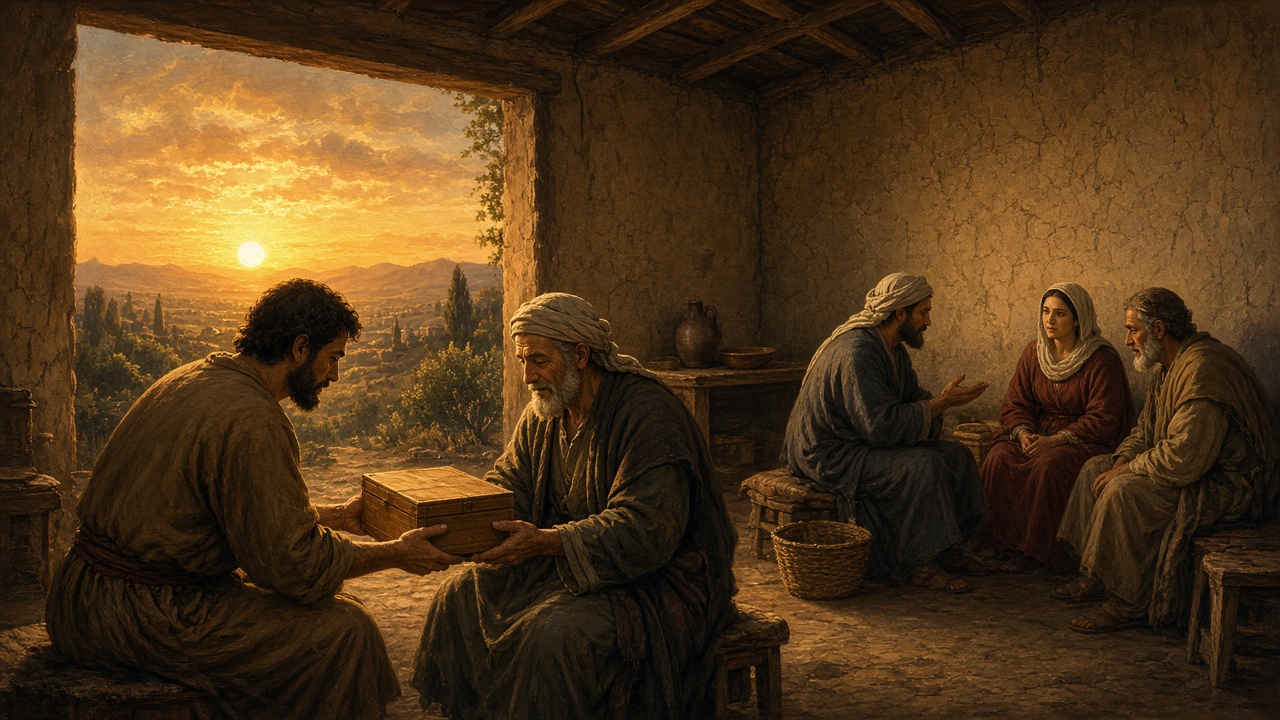
Did you know?
One Body and a Worthy Life
- The chapter opens with the writer calling himself a prisoner in the Lord and urging the readers to walk in a manner worthy of the calling they have received, with humility, gentleness, patience, and diligence to preserve the unity of the Spirit through the bond of peace.Sources: the Bible text itself
- That appeal rests on shared realities named in the chapter: one body, one Spirit, one hope, one Lord, one faith, one baptism, and one God and Father of all, who is over all and through all and in all. The same passage says that the one who ascended gave some to be apostles, some prophets, some evangelists, and some pastors and teachers, to equip the saints and build up the body.Sources: the Bible text itself
- The chapter then pictures a changed life as putting off the former way of life, the old self, and putting on the new self. It tells the readers to put away falsehood and speak truthfully, since they are members of one another; to be angry without sinning and not to let the sun set on their anger; and not to grieve the Holy Spirit of God, in whom they were sealed for the day of redemption.Sources: the Bible text itself
Notes written with AI assistance from open sources (Theographic Bible Metadata, CC BY-SA 4.0; Easton’s Bible Dictionary, public domain) and reviewed before publishing.
Credits and license for this translation
Godeya꞉ To Nafayo꞉ We
The New Testament, Genesis, and Ruth in the Kaluli language of Papua New Guinea
Sampela hap Buk Baibel long tokples Kaluli long Niugini
copyright © 1998-2022 Wycliffe Bible Translators, Inc.
Language: Kaluli
Translation by: Wycliffe Bible Translators
This translation is made available to you under the terms of the
Creative Commons Attribution-Noncommercial-No Derivatives license 4.0.
You may share and redistribute this Bible translation or extracts from it in any format, provided that:
You include the above copyright and source information.
You do not sell this work for a profit.
You do not change any of the words or punctuation of the Scriptures.
Pictures included with Scriptures and other documents on this site are licensed just for use with those Scriptures and documents.
For other uses, please contact the respective copyright owners.
2025-03-12
Source: http://png.bible/bco/ · eBible.org