Acts 8
Godeya꞉ To Nafayo꞉ We · Tap a verse to see its cross-references.
So꞉l eyo꞉ sa꞉so꞉ mogagila꞉len
1Ililo꞉ Sitifen sana sowab a꞉no꞉, So꞉l eyo꞉ o꞉li dimidab a꞉la꞉asulo꞉.
O꞉g ho꞉len a꞉namio꞉ gis kaluwa꞉yo꞉ Ya꞉lusalem Keliso kaluka꞉isalemo꞉wo꞉ hida꞉yo꞉ modo꞉ nolo꞉ mo꞉mo꞉dabiki, tilidabu kaluka꞉isale iyo꞉ dalalelia꞉ga꞉, Yudia hen o꞉lia꞉ Samalia hen o꞉lia꞉ a꞉na ane. Ko꞉sega iliga꞉felo꞉ kalu iyo꞉ mo꞉dalaidaki, Ya꞉lusalem a꞉naka sen. 2A꞉la꞉ta꞉ga꞉ Godeya꞉ tolo꞉ kudu ha꞉na꞉sen kalu nolba꞉yo꞉ Sitifena꞉ ene do꞉mo꞉wo꞉ dia꞉sa꞉ga꞉, dali alita꞉sa꞉ga꞉yo꞉, iyo꞉ ya꞉foda꞉li ha꞉na꞉sio꞉. 3Ko꞉sega So꞉l eyo꞉ Ya꞉sulo꞉ kudu ha꞉nab a꞉no꞉ kata꞉foma꞉ki dikidiakiyo꞉, eyo꞉ tilidabu kaluwa꞉ a ka ha꞉na꞉ga꞉, iyo꞉ tililia꞉ga꞉ dibolo aya to꞉lolo꞉.
Filibo꞉ Samalia siliki wido꞉
4A꞉la꞉fo꞉ko꞉lo꞉ kaluka꞉isale ilo꞉ dalalelia꞉ga꞉lo꞉ ha꞉nab a꞉namio꞉, Godeya꞉ to nafayo꞉ wida꞉li ane. 5Filibo꞉ Samalia amisa꞉n a꞉na tina꞉sa꞉ga꞉, Godeya꞉lo꞉ Da꞉feyo꞉ Kalu Ya꞉suwo꞉ weka꞉ a꞉la꞉liki fanda wido꞉. 6Kaluka꞉isale kegeo꞉ a꞉namilo꞉ sen a꞉ma꞉yo꞉ Filiba꞉ to widakilo꞉ molo ha꞉na꞉no꞉ dimidab a꞉no꞉ ba꞉dakiyo꞉, iliyo꞉ elo꞉ to sa꞉lab a꞉no꞉ dinafa dabu. 7Filib eyo꞉ kaluka꞉isale amilo꞉ mama mogago꞉ dosdo꞉ a꞉no꞉ e o꞉luga꞉felabiki ha꞉na꞉siakiyo꞉, iyo꞉ ganafoda꞉liki ane. A꞉la꞉ta꞉ga꞉ ko꞉go꞉neli kaluka꞉isale o꞉lia꞉ giliga꞉sen kaluka꞉isale o꞉lia꞉yo꞉ modo꞉ ko꞉lo꞉ falele alifelo꞉. 8A꞉la꞉fo꞉ko꞉lo꞉ Samalia amisa꞉n kaluka꞉isaleyo꞉ sagalo꞉wo꞉ mada alan fa꞉la꞉dowo꞉.
9Amisa꞉n a꞉namio꞉ kalu imilise nowo꞉ ene wiyo꞉ Saimon ko꞉lo꞉ a꞉na sen. Eyo꞉ fofa ko꞉li ko꞉lilo꞉ dimida꞉labiki, Samalia amisa꞉n kaluka꞉isaleyo꞉ molo asula꞉len. E enena꞉ma꞉la꞉ wiyo꞉ duluda꞉liki, misa꞉ kaluwo꞉lo꞉, wa꞉feyo꞉ kaluwo꞉lo꞉ tambo elo꞉ to sa꞉lab a꞉no꞉ iligakiyo꞉, “Halaido꞉ Alan, Godelo꞉wa a꞉la꞉ta꞉ga꞉lo꞉ mio꞉ a꞉no꞉ e amio꞉ a꞉lab” a꞉la꞉sio꞉. 11Saimon eyo꞉ fofa man a꞉no꞉ imo꞉wo꞉ ko꞉li ko꞉lilo꞉ wida꞉li ha꞉na꞉labiki, iyo꞉ molo asulaki elo꞉ to sa꞉lab a꞉no꞉ iligi dabu. 12Ko꞉sega Filib eyo꞉ Godeya꞉ ene kaluka꞉isale ko꞉lo꞉ bo꞉fo꞉lab man nafa o꞉lia꞉, Ya꞉su Kelisowa꞉ wi a꞉no꞉lia꞉yo꞉ wido꞉ amio꞉, kaluka꞉isaleyo꞉ tilida꞉dabiki, iyo꞉ ho꞉na to꞉lolo꞉. 13A꞉la꞉ta꞉ga꞉ Saimon elo꞉ tilida꞉da꞉sa꞉ga꞉ dowabiki ho꞉na to꞉lolo꞉ ko꞉lo꞉, e Filib o꞉lia꞉ kudu sia꞉la꞉ga꞉, Filib elo꞉ molo ha꞉na꞉no꞉ dimidab a꞉no꞉ ba꞉da꞉ga꞉yo꞉, e molo asulo꞉.
14Iliga꞉felo꞉ kalu Ya꞉lusalemdo꞉ sen a꞉ma꞉yo꞉, Samalia kaluka꞉isaleyo꞉ Godeya꞉ mano꞉ tilidabuka꞉ a꞉la꞉dabu ko꞉lo꞉, iliyo꞉ Bida o꞉lia꞉ Yo꞉n dia꞉yo꞉ ilo꞉ a꞉na iliga꞉fo꞉. 15A꞉la꞉yo꞉ fa꞉la꞉dowa꞉sa꞉ga꞉yo꞉, i a꞉no꞉ Godeya꞉ Mamayo꞉ dima꞉ki, Godemo꞉wo꞉ dulugu sio꞉. 16Mo꞉wo꞉ iyo꞉ Ya꞉suwa꞉ wi amio꞉ ho꞉na to꞉lolo꞉ ko꞉sega, Godeya꞉ Mamayo꞉ i amio꞉ semo꞉mio꞉. 17A꞉la꞉go꞉ko꞉lo꞉ Bida o꞉lia꞉ Yo꞉n dia꞉ma꞉yo꞉ dagiyo꞉ kaluka꞉isale amio꞉ golabiki, iyo꞉ Godeya꞉ Mamayo꞉ a꞉na di. 18Iliga꞉felo꞉ kaluwa꞉lo꞉ dagiya꞉ golab amilo꞉ Mama ko꞉lo꞉ diab a꞉no꞉ ba꞉da꞉ga꞉yo꞉, Saimon eyo꞉ a꞉la꞉ a꞉no꞉ moleya꞉ kililia꞉no꞉ asulaki, a꞉la꞉mo꞉wo꞉ dabu ba꞉ba꞉, “Gaindo꞉ man dimidab ko aumbo꞉, niyo꞉lo꞉ dagiya꞉yo꞉ kalu nolo꞉ golalikiyo꞉ Mamayo꞉lo꞉ dima꞉ki, halaido꞉ gaindo꞉ ko nelo꞉ dia꞉no꞉ ko꞉lo꞉ kililia꞉nigo꞉l.” 20Ko꞉sega Bida eyo꞉ a꞉ma꞉la꞉bo꞉ a꞉la꞉sio꞉, “Godeya꞉ boba kelego꞉ we gi moleya꞉ kililia꞉no꞉ a꞉la꞉liki asulab ko꞉lo꞉, go꞉no꞉n o꞉lia꞉ mole gilo꞉ a꞉no꞉lia꞉yo꞉ de hena soma꞉ni ha꞉na꞉ib. 21Gi asulo꞉wo꞉ Godeya꞉ siwa꞉l amio꞉ digalo꞉leyo꞉ mo꞉a꞉lab ko꞉lo꞉, nanog naindo꞉ dio꞉l we, ge o꞉lia꞉yo꞉ mada mo꞉ililo꞉. 22Mogago꞉ gilo꞉ dimido꞉ a꞉no꞉ ta꞉ta꞉sa꞉ga꞉, Godemo꞉ foga꞉le sama. Giyo꞉ a꞉la꞉dimidalikiyo꞉, Gode eyo꞉ asulo꞉ mogago꞉ gilo꞉ ko ga꞉lila꞉ma꞉iba꞉le a꞉la꞉asulo꞉l. 23Mo꞉wo꞉ ge meselo꞉wo꞉ alan dowaki, man mogago꞉ ko꞉lilo꞉ a꞉ma꞉yo꞉ ge melea꞉fo꞉lab.” 24A꞉la꞉sa꞉labiki, Saimon eyo꞉ a꞉ma꞉la꞉bo꞉ a꞉la꞉sio꞉, “Kelego꞉ gaindo꞉ sa꞉lab a꞉no꞉ ne amio꞉ fa꞉la꞉dowabena꞉kiyo꞉, ne mada gaino꞉ Godemo꞉ dulugu sama.”
25A꞉la꞉ma꞉yo꞉ Alana꞉ to o꞉lia꞉ a꞉la꞉mo꞉lo꞉ dimido꞉ o꞉lia꞉yo꞉ malolo꞉ mea꞉sa꞉ga꞉yo꞉, a꞉ma꞉la꞉ Ya꞉lusalem ha꞉nakiyo꞉, Samalia amisa꞉n nol amio꞉lo꞉ to nafale a꞉no꞉ ko꞉lo꞉ wida꞉li ane.
Filib eyo꞉ Itiobia kalumo꞉wo꞉ wido꞉
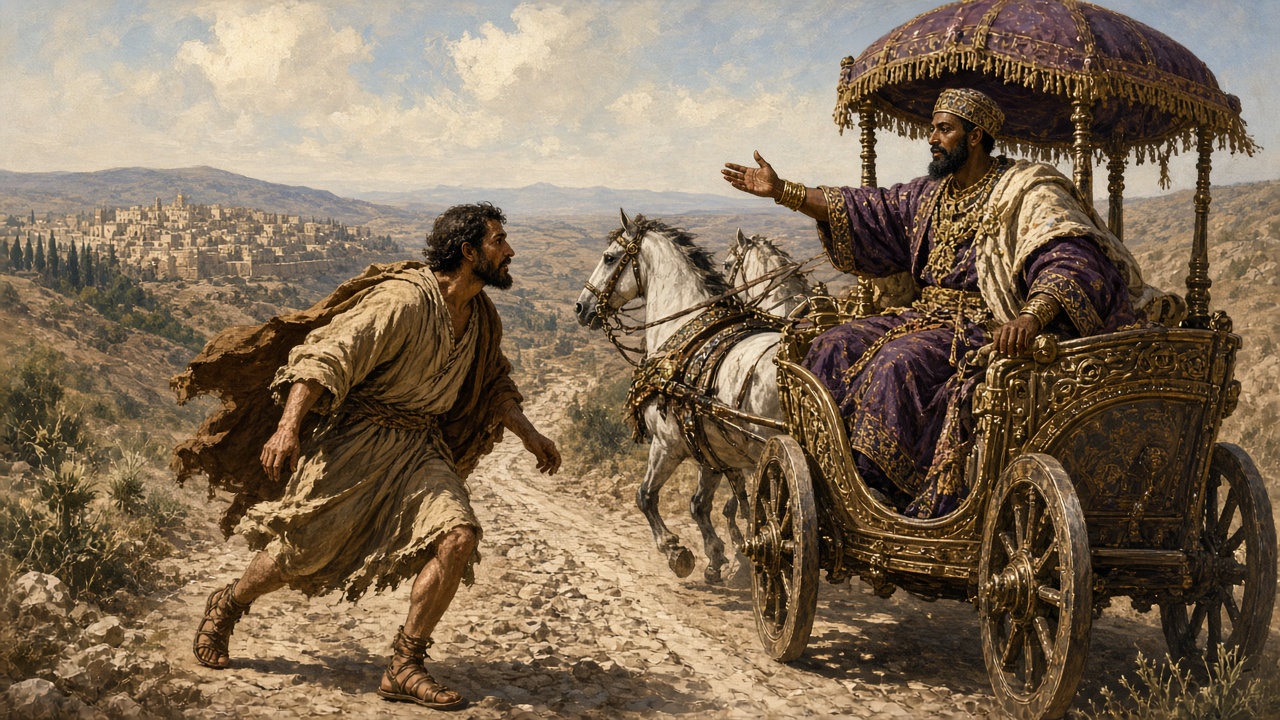
26A꞉la꞉fo꞉ko꞉lo꞉ Godeya꞉ ma꞉mul kaluwa꞉yo꞉ Filibo꞉wo꞉ a꞉la꞉sio꞉, “Ge dimidalia꞉ga꞉, kalaleli hen a꞉namio꞉ tog nowo꞉ Ya꞉lusalem a꞉la꞉ta꞉ga꞉ Gasa amisa꞉n a꞉na ha꞉na꞉sen a꞉lab ko꞉lo꞉, ge a꞉na ti ha꞉na꞉bi.” 27A꞉la꞉sa꞉labiki, Filib e tog a꞉na ha꞉na꞉lena, Itiobia kalu nowo꞉ a꞉na yabiki ba꞉ba꞉. Kalu a꞉ma꞉ ito꞉wo꞉ dugula꞉. Kalu a꞉no꞉ Itiobiaya꞉ misa꞉ ka꞉isale, Kandasiya꞉ ene nanogdo꞉ dian kalu alan nowo꞉ e. E Kandasiya꞉ moleyo꞉ a꞉la꞉ta꞉ga꞉ kelego꞉ nafalelo꞉ tambo bo꞉fo꞉lowano꞉ e. E Godeyo꞉ wabuluma꞉niki, Ya꞉lusalem ane ko꞉lo꞉ a꞉ma꞉la꞉ ya꞉lena ba꞉ba꞉. 28E ho꞉s amilo꞉ i fofodo꞉ wa꞉la siliki, dinali sa꞉lan kalu, Aisaya bugo꞉ a꞉no꞉ halale agela꞉liki mio꞉ ko꞉lo꞉, Godeya꞉ Mamaya꞉yo꞉ Filibo꞉wo꞉ a꞉la꞉sio꞉, “Ge elo꞉ yab anidoba꞉da꞉, e o꞉lia꞉ ha꞉na꞉ga꞉ ha꞉na꞉ni hamana.” 30A꞉la꞉sa꞉labiki, Filib e nai ha꞉na꞉sa꞉ga꞉, i fofodo꞉ ha꞉nab anib a꞉na fa꞉la꞉dowakiyo꞉, kalu a꞉ma꞉lo꞉ dinali sa꞉lan Aisaya bugo꞉ agela꞉i ha꞉nab a꞉no꞉, e dabu. A꞉la꞉fo꞉ko꞉lo꞉ Filib eyo꞉ kalu o꞉mo꞉wo꞉ a꞉la꞉dabu ba꞉ba꞉, “To gilo꞉ agelo꞉ a꞉no꞉, ge ha꞉go꞉ fanda asulaya?” 31A꞉la꞉dabu ba꞉dabiki, kalu a꞉ma꞉yo꞉ a꞉ma꞉la꞉bo꞉ a꞉la꞉sio꞉, “Kalu noma꞉yo꞉ nemo꞉wo꞉ mo꞉fanda sa꞉lalega, ne mada mo꞉fanda asuluma꞉no꞉.” A꞉la꞉sa꞉la꞉sa꞉ga꞉yo꞉, Filibo꞉ elo꞉ sab i fofodo꞉ anib wa꞉l a꞉na “Mesa꞉ mena” a꞉la꞉sio꞉. 32Godeya꞉ to ko꞉lo꞉ elo꞉ agelo꞉wo꞉ we,
“E tililia꞉ mio꞉ a꞉no꞉, sibi sa꞉ma꞉nikilo꞉ tililia꞉ yan o꞉ngo꞉ dimido꞉.
Sibi inso꞉ a꞉no꞉ fo꞉no꞉ gedeab amilo꞉ mo꞉ganagiliano꞉ o꞉ngo꞉ dowaki,
e mego꞉fo꞉ mo꞉tagali.
33E sendelowalitaki, mo꞉digale mo꞉walilo꞉.
E ma꞉mu iyo꞉ weka꞉ a꞉la꞉bo꞉ mo꞉malola꞉i ha꞉na꞉mela꞉ib,
Mo꞉wo꞉ e henfelo꞉ wenamilo꞉ mela꞉no꞉wo꞉ nolba꞉yo꞉ sanala꞉.”
34Itiobia kaluwa꞉yo꞉ to a꞉no꞉ agela꞉sa꞉ga꞉yo꞉, Filibo꞉wo꞉ a꞉la꞉dabu ba꞉ba꞉, “Dinali sa꞉lan kaluwa꞉lo꞉ a꞉la꞉do꞉ sio꞉ we, o꞉b ko꞉lo꞉ sa꞉laigaba꞉le? Eneno꞉ ko꞉lo꞉ sa꞉laba꞉le? O꞉ kalu nowo꞉ ko꞉lo꞉ sa꞉laba꞉le?” 35A꞉la꞉dabu ba꞉dabiki, Filib eyo꞉ Godeya꞉ to a꞉no꞉ mo꞉mo꞉da widakiyo꞉, Ya꞉suwa꞉ to nafa a꞉no꞉ ko꞉lo꞉ wido꞉. 36A꞉la꞉yo꞉ toga ha꞉na꞉la꞉ga꞉, ho꞉ndo꞉wa fa꞉la꞉dowakiyo꞉ Itiobia kaluwa꞉yo꞉ a꞉la꞉sio꞉, “Bo꞉ba! Ho꞉no꞉ we ko꞉lo꞉, gio꞉ ne ho꞉na to꞉loma꞉no꞉wo꞉ o꞉liyo꞉?” 37Filib eyo꞉ a꞉la꞉sio꞉, “Ge asulo꞉ amio꞉ hendele tilida꞉dalega, ge ho꞉n amio꞉ o꞉li to꞉loma꞉nigo꞉l.” A꞉la꞉sa꞉labiki, Itiobia kalu eyo꞉ a꞉la꞉sio꞉, “Ya꞉su E Godeya꞉ ene So꞉wa a꞉la꞉bo꞉ ne tili asulo꞉l.” 38A꞉la꞉sa꞉la꞉sa꞉ga꞉ e i fofodo꞉ a꞉no꞉ a꞉na kagafoma꞉ki sio꞉ ko꞉lo꞉, kagayabikiyo꞉, a꞉la꞉yo꞉ ho꞉na tina꞉sa꞉ga꞉, Filib eyo꞉ kalu a꞉no꞉ ho꞉na to꞉lolo꞉. 39A꞉la꞉yo꞉ ho꞉na a꞉la꞉ta꞉ga꞉ ha꞉la꞉ya fa꞉la꞉dowabikiyo꞉, Godeya꞉ Mamaya꞉yo꞉ Filibo꞉ wigibole a꞉naka dia꞉gane ko꞉lo꞉, Itiobia kalu eyo꞉ wa꞉kabiyo꞉ mada mo꞉ba꞉dabiki, e sagala꞉liki ane. 40Ko꞉sega Filib e wigibo Asotus amisa꞉n a꞉naka handalowo꞉ ko꞉lo꞉, e Ya꞉suwa꞉ to nafayo꞉ wida꞉liki, amisa꞉n nolo꞉ ilili alita꞉ga꞉ aneyo꞉, Sesalia amisa꞉n a꞉na fa꞉la꞉dowo꞉. Filib eyo꞉ Itiobia kaluwo꞉ ho꞉na to꞉lolo꞉.|alt="Phillip baptizes the Ethoipian eunuch" src="IB04184_gr.tif" size="col" copy="Farid Faadil © Biblica, Inc. Used with permission. All rights reserved worldwide." ref="8.36-38"
Did you know?
The message spreads beyond Jerusalem
- After Stephen’s death, a great persecution broke out against the church in Jerusalem, and all except the apostles were scattered through Judea and Samaria. Philip, one of the seven and later called the evangelist, was among them; he went first to Samaria, where the crowds gave their attention to his message about the Christ.Sources: the Bible text itself · Phillip the Evangelist
- Before Philip arrived, Simon had long astounded Samaria by sorcery, and people called him the divine power known as the Great Power. He believed and was baptized, then offered money for the power to give the Holy Spirit by the laying on of hands; the word simony, for buying a spiritual office, is derived from his name.Sources: the Bible text itself · Simon the Sorcerer
- Two roads linked Jerusalem and Gaza; Philip was sent along the one through Hebron and a thinly inhabited district called the desert. There he met an Ethiopian eunuch, treasurer to Candace, queen of the Ethiopians, returning from worship in Jerusalem and reading the prophet Isaiah in his chariot. Candace was a title borne by successive queens of Meroe in Upper Nubia, a wealthy center of trade between Africa and southern Asia.Sources: the Bible text itself · Phillip the Evangelist · Candace
Notes written with AI assistance from open sources (Theographic Bible Metadata, CC BY-SA 4.0; Easton’s Bible Dictionary, public domain) and reviewed before publishing.
Places in this chapter
- Jerusalem · 31.777, 35.234 · verses 1, 14, 25, 26, 27
- Judea · Today: Judea 1 · 31.777, 35.234 · verse 1
- Samaria · Today: Samaria 2 · 32.276, 35.195 · verses 1, 5, 9, 14, 25
- Gaza · Today: Tell Harube · 31.504, 34.464 · verse 26
- Ethiopia · 16.935, 33.751 · verse 27
- Ashdod · Today: Tel Ashdod · 31.757, 34.658 · verse 40
- Caesarea · Today: Caesarea Maritima · 32.500, 34.892 · verse 40
Only places identified with high confidence are shown (90% or more according to the scholarly sources compiled by OpenBible). Period map: DARE (Digital Atlas of the Roman Empire), CC BY 4.0; modern map: © OpenStreetMap contributors; places: OpenBible.info (CC BY 4.0).
Credits and license for this translation
Godeya꞉ To Nafayo꞉ We
The New Testament, Genesis, and Ruth in the Kaluli language of Papua New Guinea
Sampela hap Buk Baibel long tokples Kaluli long Niugini
copyright © 1998-2022 Wycliffe Bible Translators, Inc.
Language: Kaluli
Translation by: Wycliffe Bible Translators
This translation is made available to you under the terms of the
Creative Commons Attribution-Noncommercial-No Derivatives license 4.0.
You may share and redistribute this Bible translation or extracts from it in any format, provided that:
You include the above copyright and source information.
You do not sell this work for a profit.
You do not change any of the words or punctuation of the Scriptures.
Pictures included with Scriptures and other documents on this site are licensed just for use with those Scriptures and documents.
For other uses, please contact the respective copyright owners.
2025-03-12
Source: http://png.bible/bco/ · eBible.org