2 Corinthians 3
Godeya꞉ To Nafayo꞉ We · Tap a verse to see its cross-references.
Godeya꞉lo꞉ ho꞉gi dinali saefa꞉ a꞉ma꞉no꞉ nanog kalu
1Nililo꞉ to so꞉lo꞉l we, giliyo꞉ ninina꞉ma꞉la꞉yo꞉ kailaki sa꞉lab a꞉la꞉asulaya? A꞉la꞉ba. Giliyo꞉ man nilo꞉ dimida꞉sen a꞉no꞉ fanda bo꞉ba꞉kiyo꞉, mo꞉fo꞉s kalu nolba꞉lo꞉ sa꞉sa꞉lan a꞉no꞉, niliyo꞉ gimo꞉ walama꞉nikilo꞉ mo꞉dia꞉mio꞉. Kalu nolba꞉yo꞉ mo꞉fo꞉s sa꞉sa꞉lo꞉ o꞉leo꞉ngo꞉wo꞉ dia꞉ya꞉ga꞉ wida꞉sen, ko꞉sega niliyo꞉ a꞉la꞉bo꞉ mo꞉dimido꞉. A꞉la꞉ta꞉ga꞉ nili wiyo꞉ kalaba dia꞉foma꞉kilo꞉ mo꞉fo꞉s nowo꞉ gimo꞉wo꞉ sa꞉sa꞉lima꞉kiyo꞉ mo꞉dabu ba꞉ba꞉. 2Mo꞉wo꞉ gio꞉ nili mo꞉fo꞉s sa꞉sa꞉lo꞉wo꞉ o꞉ngo꞉ ko꞉lo꞉, mo꞉fo꞉s sa꞉sa꞉lo꞉ agelan aumbo꞉, amisa꞉n kaluka꞉isale nolba꞉yo꞉ gi ba꞉dakiyo꞉, nanog nililo꞉ dimidan a꞉no꞉ fanda asuluma꞉ib. Nililo꞉ gi ko꞉lo꞉ mada alan asulo꞉ a꞉namio꞉, mo꞉fo꞉s sa꞉sa꞉lo꞉ ko꞉lo꞉ ta꞉li aumbo꞉, ho꞉leno꞉ tambo gio꞉ ni o꞉lia꞉ o꞉lo꞉l.
3Nili nanog dimido꞉ a꞉na ilikiyo꞉, gili tilidabuwo꞉ a꞉na fa꞉la꞉do alifa꞉ ko꞉lo꞉, gio꞉ Ya꞉su Kelisowa꞉ ene mo꞉fo꞉s sa꞉sa꞉lo꞉ o꞉ngo꞉ ko꞉lo꞉ kalaba da꞉lab. Mo꞉fo꞉s we ko꞉lo꞉ sa꞉sa꞉lakiyo꞉, pena꞉ sa꞉sa꞉lo꞉ma. Mela꞉no꞉lo꞉ a꞉lab Godeya꞉ ene Mama a꞉ma꞉ sa꞉sa꞉lo꞉. A꞉la꞉ta꞉ga꞉ mo꞉fo꞉s a꞉no꞉ uwa sa꞉sa꞉lo꞉ma. Kaluka꞉isaleya꞉ kufa꞉ usa sa꞉sa꞉li alifa꞉ ko꞉lo꞉lab.
4To wema꞉ mo꞉wo꞉ we. Niliyo꞉ Godeya꞉ siwa꞉l amio꞉, Ya꞉su Kelisowa꞉ halaido꞉ a꞉na ilikiyo꞉, nanogo꞉ dimido꞉ ko꞉lo꞉, Gode eyo꞉ nanog enedo꞉wo꞉ nafale fa꞉la꞉do alitab a꞉la꞉bo꞉ nio꞉ hendele a꞉la꞉asulaki halale kagayo꞉l. 5Hendele ninina꞉ma꞉la꞉yo꞉ nanog we mo꞉dia꞉no꞉ dowo꞉, ko꞉lo꞉, nili dimido꞉ a꞉la꞉bo꞉ mada mo꞉sa꞉ma꞉no꞉. Halaido꞉ nililo꞉ we Godeya a꞉la꞉ta꞉ga꞉ di. 6Gode eyo꞉ nio꞉ ene ho꞉gi dinali saefa꞉ a꞉ma꞉ nanog dian kaluka꞉isale doma꞉ki ta꞉fo꞉. Godeya꞉lo꞉ tamin amilo꞉ dinali saefa꞉ a꞉no꞉, ele difa꞉ a꞉ma꞉ bo꞉fo꞉len. Ko꞉sega ho꞉gi dinali saefa꞉ we, Godeya꞉ Mamaya꞉ bo꞉fo꞉lab. Ele difa꞉ a꞉ma꞉yo꞉ soma꞉no꞉ doba꞉da꞉ tililia꞉ ha꞉na꞉lab. Ko꞉sega Mama a꞉ma꞉yo꞉ kaluka꞉isalemo꞉wo꞉ mela꞉no꞉wo꞉ dimia꞉sen.
7Asuluma. Gode eyo꞉ ene eleyo꞉ uwa sa꞉sa꞉la꞉sa꞉ga꞉yo꞉, Mo꞉sa꞉sbo꞉ dimi ko꞉lo꞉, kaluka꞉isale ele a꞉no꞉ mo꞉kudu ha꞉nalega, ele a꞉ma꞉yo꞉ iyo꞉ soma꞉no꞉ toga tililia꞉gane. Gode eyo꞉ eleyo꞉ dia꞉tab amio꞉, ene halaido꞉ fo꞉fo꞉lesodo꞉ a꞉no꞉ a꞉na fa꞉la꞉dowo꞉. O꞉g ho꞉len a꞉namio꞉ Mo꞉sa꞉sa꞉ ene wo꞉lokano꞉ mada fo꞉fo꞉lesodo꞉ ko꞉lo꞉, fo꞉fo꞉lesodo꞉ a꞉no꞉ tina꞉ga꞉ ha꞉nab a꞉namio꞉lo꞉, Isolael kaluka꞉isale iyo꞉ e mo꞉sikudu bo꞉fo꞉mela꞉no꞉ dowo꞉. 8A꞉la꞉fo꞉ko꞉lo꞉ ho꞉gi dinali saefa꞉ ko꞉lo꞉ Mamaya꞉lo꞉ bo꞉fo꞉lab a꞉ma꞉yo꞉, tamin amilo꞉ delen a꞉no꞉ tininila꞉sa꞉ga꞉, mada halaido꞉ fo꞉fo꞉lesodo꞉ ko꞉lo꞉lab. 9Godeya꞉lo꞉ dinali saefa꞉ mo꞉lulo꞉ difa꞉ a꞉ma꞉yo꞉, kaluka꞉isaleyo꞉ falasilo꞉wo꞉ dimia꞉sen ko꞉sega, Godeya꞉ ene fo꞉fo꞉lesodo꞉ halaido꞉ a꞉no꞉ a꞉namio꞉ elen. Godeya꞉lo꞉ ho꞉gi dinali sio꞉ a꞉ma꞉yo꞉, nio꞉ digale alita꞉li ha꞉na꞉lab ko꞉lo꞉, dinali sio꞉ ho꞉gi a꞉namio꞉lo꞉ ene fo꞉fo꞉lesodo꞉ a꞉no꞉ mada halaido꞉leko꞉ dofo꞉ ha꞉na꞉lab. 10Ho꞉gi dinali saefa꞉ a꞉namio꞉ Godeya꞉ halaido꞉wo꞉ mada fo꞉fo꞉lesodaki bumale dowo꞉ ko꞉lo꞉, tamin amilo꞉ fo꞉fo꞉lesodo꞉ elen a꞉no꞉ halaido꞉lo꞉malo꞉ o꞉ngo꞉ ba꞉ba꞉. 11Tamin amilo꞉ ele kudu ha꞉na꞉len man a꞉no꞉ kelega꞉ga꞉ ha꞉na꞉lab ko꞉sega, man a꞉no꞉ Godeya꞉ ene ho꞉len halaido꞉ o꞉lia꞉ mio꞉. A꞉la꞉ta꞉ga꞉ nanog ho꞉gi mela꞉no꞉lo꞉ dofo꞉mela꞉ib a꞉namio꞉lo꞉ Godeya꞉ ho꞉len halaido꞉ a꞉no꞉ mada alande fa꞉la꞉dowa꞉lab.
12Gode eyo꞉ ene dinali sio꞉ ho꞉gi a꞉no꞉ nimo꞉wo꞉ dimi ko꞉lo꞉, nio꞉ mo꞉tagilaki, kalaba halale kagafo꞉lo꞉l. 13Mo꞉sa꞉s eyo꞉ ho꞉len fo꞉fo꞉lesodo꞉ a꞉no꞉ e wo꞉lokan amilo꞉ dowo꞉ a꞉no꞉ o꞉tina꞉lab amio꞉, Isolael kaluwo꞉ ba꞉dabena꞉kiyo꞉, ene wo꞉lokano꞉ helebeso꞉ga꞉ go꞉lu alifa꞉. Ko꞉sega niliyo꞉ Mo꞉sa꞉s elo꞉ dimido꞉ o꞉leaumbo꞉ mo꞉dimido꞉l. 14Isolael kaluka꞉isale ili asulo꞉wo꞉ ko꞉ndo꞉fe alifa꞉ ko꞉lo꞉, o꞉g a꞉namio꞉lo꞉ mo꞉luwo꞉ dinali saefa꞉ to a꞉no꞉ agelab amio꞉, asulo꞉ ililo꞉wo꞉ go꞉lu alifa꞉ ko꞉lo꞉ babale dowa꞉lab. So꞉g i amilo꞉ go꞉lufo꞉lab a꞉no꞉ Ya꞉su Keliso eya tili da꞉daliki a꞉na dila꞉ma꞉ib. 15Hendele, tamina a꞉la꞉ta꞉ga꞉ o꞉g wenamio꞉lo꞉, Mo꞉sa꞉sa꞉ ele sa꞉sa꞉lo꞉ to a꞉no꞉ agelab amio꞉, ili asulo꞉wo꞉ go꞉lu alifa꞉ ko꞉lo꞉, iyo꞉ mo꞉fanda ba꞉ba꞉no꞉ dowab. 16Ko꞉sega kaluka꞉isaleyo꞉ asulo꞉wo꞉ nodola꞉sa꞉ga꞉, Alan eya tili da꞉dab amio꞉, Gode eyo꞉ so꞉g go꞉lu alifa꞉ a꞉no꞉ dila꞉sen. 17Niyo꞉ Alan a꞉la꞉bo꞉ so꞉lo꞉loga, Godeya꞉ Mama ko꞉lo꞉ sa꞉ma꞉no꞉. Godeya꞉ Mamayo꞉ kaluka꞉isale o꞉bameya꞉le dowalega, e ga꞉li sili alifa꞉ ko꞉lo꞉lab. 18A꞉la꞉fo꞉ko꞉lo꞉ nili wo꞉lokan amilo꞉ go꞉lu alifa꞉ a꞉no꞉ tambo dila꞉ ko꞉lo꞉, Alana꞉ ho꞉len fo꞉fo꞉lesodo꞉ a꞉no꞉ niya dowab amio꞉, nio꞉ hewo꞉ o꞉ngo꞉ dowaki, ho꞉len a꞉no꞉ noldo꞉wa so꞉so꞉lelia꞉ga꞉ ha꞉na꞉lab. A꞉la꞉ta꞉ga꞉ ho꞉len halaido꞉ imilig a꞉no꞉ Alana a꞉la꞉ta꞉ga꞉ ya꞉ga꞉, ho꞉len a꞉ma꞉yo꞉ nio꞉ nodolalikiyo꞉, nio꞉ Alana꞉ ene misido꞉ ko꞉ngo꞉ ta꞉fela꞉i ha꞉na꞉lab. Alan e Mama ko꞉lo꞉, eyo꞉ a꞉la꞉dimida꞉lab.
Did you know?
A More Glorious Covenant
- The chapter asks whether letters of recommendation to or from the believers are needed, as some people require. It answers that the believers themselves are a letter from Christ, the result of this ministry, inscribed on the ministers' hearts and known and read by everyone.Sources: the Bible text itself
- The chapter contrasts ink and tablets of stone with the Spirit of the living God writing on human hearts. It calls the ministry engraved in letters on stone a ministry of death and condemnation, and describes a new covenant of the Spirit, for the letter kills but the Spirit gives life.Sources: the Bible text itself
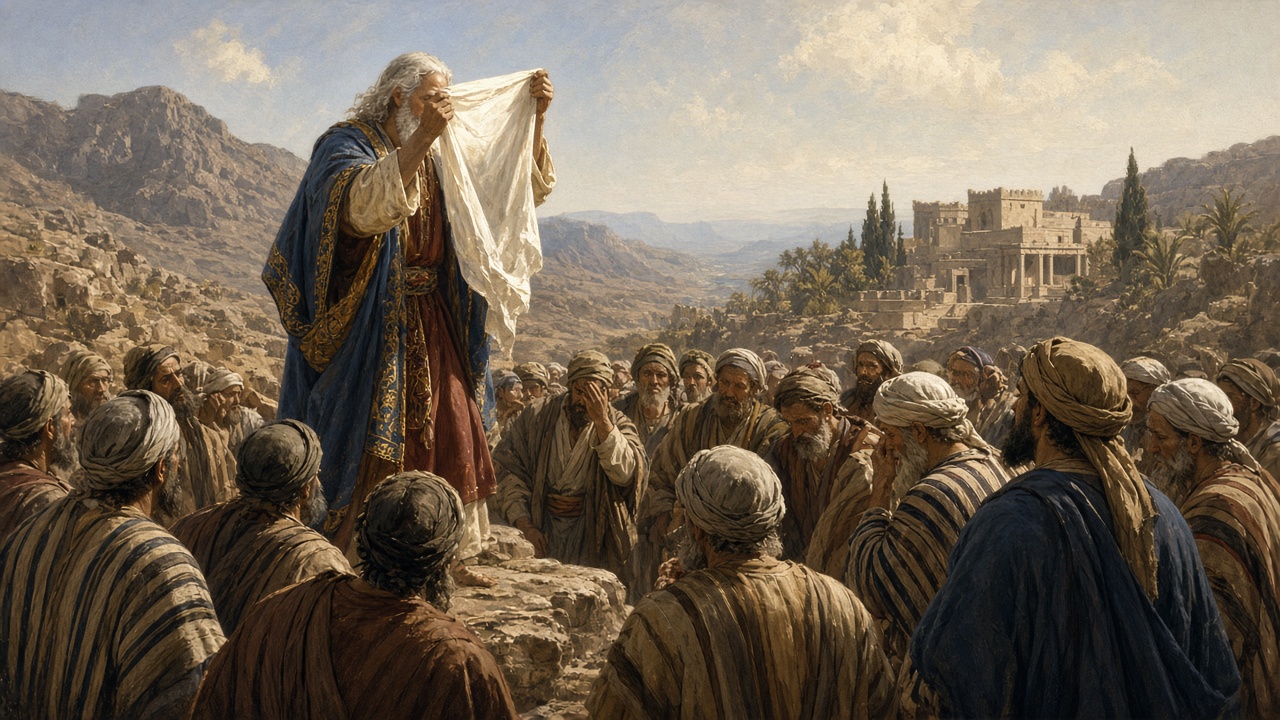
- The Israelites could not gaze at Moses's face because of a glory that was fading, and Moses put a veil over his face so they would not look at the end of what was passing away. The chapter says that a veil still covers their hearts when Moses is read, and that it is taken away whenever anyone turns to the Lord.Sources: the Bible text itself
Notes written with AI assistance from open sources (Theographic Bible Metadata, CC BY-SA 4.0; Easton’s Bible Dictionary, public domain) and reviewed before publishing.
Credits and license for this translation
Godeya꞉ To Nafayo꞉ We
The New Testament, Genesis, and Ruth in the Kaluli language of Papua New Guinea
Sampela hap Buk Baibel long tokples Kaluli long Niugini
copyright © 1998-2022 Wycliffe Bible Translators, Inc.
Language: Kaluli
Translation by: Wycliffe Bible Translators
This translation is made available to you under the terms of the
Creative Commons Attribution-Noncommercial-No Derivatives license 4.0.
You may share and redistribute this Bible translation or extracts from it in any format, provided that:
You include the above copyright and source information.
You do not sell this work for a profit.
You do not change any of the words or punctuation of the Scriptures.
Pictures included with Scriptures and other documents on this site are licensed just for use with those Scriptures and documents.
For other uses, please contact the respective copyright owners.
2025-03-12
Source: http://png.bible/bco/ · eBible.org