2 Corinthians 10
Godeya꞉ To Nafayo꞉ We · Tap a verse to see its cross-references.
Fo꞉l eyo꞉ kaluwa꞉lo꞉ e sada꞉da꞉lab a꞉no꞉ a꞉ma꞉la꞉ sio꞉
1Kalu nolba꞉yo꞉ towo꞉ nelo꞉ doba꞉da꞉yo꞉ diga꞉li sa꞉lakiyo꞉ a꞉la꞉sio꞉, “Fo꞉l e ni o꞉lia꞉lo꞉ elen ho꞉len a꞉namio꞉, e enena꞉ma꞉la꞉ ha꞉ga dowa꞉sen, ko꞉sega e ko꞉na꞉ dowakiyo꞉, eyo꞉ towo꞉ nimo꞉wo꞉ halaido꞉ sio꞉ ko꞉lo꞉lab.” Iliyo꞉ a꞉la꞉sio꞉ ko꞉sega, Ya꞉su e enena꞉ma꞉la꞉ ha꞉ga dowakilo꞉ ha꞉sa dowan o꞉leaumbo꞉, ne Ya꞉suwa꞉ man a꞉na dowakiyo꞉, to we gimo꞉wo꞉ sa꞉ma꞉nigo꞉l. 2Kalu nolba꞉yo꞉ nio꞉ henfelo꞉ mano꞉ kudu ha꞉naki, nanogo꞉ a꞉na dimida꞉lab a꞉la꞉sa꞉la꞉lab ko꞉lo꞉, niyo꞉ towo꞉ i o꞉mo꞉wo꞉ halaido꞉ sa꞉ma꞉no꞉. Ko꞉sega ne gilo꞉wa yalikiyo꞉, to halaido꞉ o꞉leo꞉ngo꞉wo꞉ gimo꞉wo꞉lo꞉ sa꞉labena꞉ki, dinafa dowa꞉bi. 3Kalu ne o꞉lia꞉lo꞉ eteab a꞉no꞉ buban aumbo꞉ dimida꞉lab. Nio꞉ hendele henfelo꞉ wena so꞉l, ko꞉sega henfelo꞉ kaluwa꞉lo꞉ kegakilo꞉ buban o꞉leaumbo꞉ nio꞉ a꞉la꞉bo꞉ mo꞉dimidan. 4Buban kelego꞉ ko꞉lo꞉ nililo꞉ ta꞉lisab we, henfelo꞉ wenamilo꞉ buban kelego꞉ o꞉leo꞉ngo꞉ma. Buban kelego꞉ wenamio꞉, Godeya꞉ ene halaido꞉wo꞉ a꞉lab ko꞉lo꞉, gis kaluwa꞉ halaido꞉ a꞉no꞉ o꞉li bidila꞉ma꞉ib. 5Kalu nolba꞉yo꞉ towo꞉ madali sa꞉lakiyo꞉, asulo꞉ inido꞉wo꞉ iwalu dia꞉taki kaila꞉sen. A꞉la꞉do꞉ gab a꞉ma꞉yo꞉ kaluka꞉isaleyo꞉ Godeyo꞉ mo꞉fanda asuluma꞉kiyo꞉ togo꞉ ili ka꞉la꞉lab. Ko꞉sega asulo꞉ ililo꞉wo꞉, a꞉la꞉ta꞉ga꞉ to mo꞉lilo꞉ sa꞉lab a꞉no꞉lo꞉ tambo niliyo꞉ sana to꞉lolaki o꞉ngo꞉ma ta꞉ta꞉sen. A꞉la꞉ta꞉ga꞉ gis kalu ko꞉lo꞉ dibolo amilo꞉ to꞉lo alitan aumbo꞉, niliyo꞉ ili hala asulo꞉ a꞉no꞉ kalaba wido꞉ ko꞉lo꞉, ili asulo꞉wo꞉ nodola꞉sa꞉ga꞉, Keliso ko꞉lo꞉ kudu hamana꞉ki ta꞉ta꞉sen. 6Giliyo꞉ Kelisowa꞉ ene towo꞉ tambo kudu ha꞉nalikiyo꞉, niliyo꞉ kalu abeyo꞉ a꞉la꞉iyaki, tolo꞉ mo꞉kudu ha꞉na꞉lab a꞉no꞉ tambo falasila꞉ma꞉no꞉.
7Giliyo꞉ kelego꞉ gililo꞉ ba꞉dab a꞉no꞉ mada dinafa aloba꞉da꞉bi. Kalu abeyo꞉ e hendele Ya꞉suwa꞉no꞉le dowo꞉l a꞉la꞉asulalega, e to we dinafa fanda asuluma꞉ib. E Ya꞉suwa꞉no꞉le dowo꞉ o꞉leaumbo꞉, nio꞉lo꞉ Ya꞉suwa꞉no꞉le dowo꞉l. 8Alan eyo꞉ nio꞉ nanog we dima꞉kiyo꞉, da꞉fea꞉sa꞉ga꞉ wiyo꞉ dimi ko꞉lo꞉, tilidabu gililo꞉wo꞉ anama꞉kiyo꞉ nanog a꞉no꞉ nimo꞉ dimi. Tilidabu gililo꞉ a꞉no꞉ mogagila꞉ma꞉ki dimima. A꞉la꞉fo꞉ko꞉lo꞉ Gode elo꞉ nimo꞉lo꞉ wi dimi a꞉na ilikiyo꞉, niyo꞉ mo꞉sendelowaki, sagala꞉liki maloloma꞉no꞉. 9Ko꞉sega niyo꞉ mo꞉fo꞉s we gio꞉ tagi alitaki sa꞉sa꞉lo꞉ a꞉la꞉bo꞉ asula꞉so꞉bo. 10Kalu nolba꞉yo꞉ ne ko꞉lo꞉ sa꞉lakiyo꞉ a꞉la꞉sio꞉, “Fo꞉la꞉ mo꞉fo꞉s sa꞉sa꞉lo꞉ a꞉namio꞉, towo꞉ halaido꞉ ko꞉li ko꞉lilo꞉wo꞉ sa꞉sa꞉lifa꞉ ko꞉lo꞉ da꞉lab. Ko꞉sega eneno꞉ nilo꞉wa mio꞉ amio꞉, e halaido꞉lo꞉ma dowaki, to elo꞉ wido꞉ a꞉no꞉ o꞉ngo꞉malo꞉ngo꞉, fa꞉fa꞉selabi dabu.” 11Kalu abeyo꞉ to o꞉leo꞉ngo꞉lo꞉ sa꞉lab i a꞉no꞉ to we dinafa asuluma. Ne heno꞉ ko꞉na꞉ dowakilo꞉ nilo꞉ mo꞉fo꞉s amilo꞉ gimo꞉lo꞉ to halaido꞉ sa꞉sa꞉liga꞉fo꞉ o꞉leaumbo꞉, ne ya꞉ga꞉ gi o꞉lia꞉ dowakiyo꞉, o꞉leauka halaido꞉ sa꞉ma꞉no꞉. 12Kalu i a꞉ma꞉yo꞉ inin wiyo꞉ kailaki dulugu sa꞉la꞉lab. Kalu i a꞉ma꞉yo꞉ ne hendele tininila꞉ kibo꞉bowo꞉, ne no꞉no꞉na꞉ma꞉la꞉ kailakiyo꞉, ne i o꞉lia꞉yo꞉ imilo꞉ka꞉ a꞉la꞉bo꞉ mo꞉so꞉mo꞉lo. Ko꞉sega kalu i a꞉ma꞉yo꞉ a꞉la꞉bo꞉ dimida꞉sen. Iliyo꞉ ini mano꞉ imilo꞉wa꞉le a꞉la꞉liki da꞉fe ba꞉da꞉lab. A꞉la꞉ta꞉ga꞉ iliyo꞉ egelebo꞉ aloba꞉dakiyo꞉, mano꞉ abe tiniaba꞉le a꞉la꞉likiyo꞉lo꞉ da꞉fe keda꞉lab. Kalu abeyo꞉ a꞉la꞉do꞉ dimida꞉lab we asugdo꞉ma dowaki gab.
13Godeya꞉lo꞉ nanogo꞉ nimo꞉lo꞉ dimidama꞉kilo꞉ difa꞉ a꞉no꞉ko꞉ sagala꞉liki maloloma꞉nigo꞉l. Ko꞉sega kalu nolbo꞉lo꞉ dimidama꞉kilo꞉ dimi a꞉no꞉, niliyo꞉ sagala꞉liki mo꞉maloloma꞉no꞉ dowo꞉. Nanogo꞉ nililo꞉ gi o꞉lia꞉lo꞉ dimida꞉lo꞉l we, Godeya꞉lo꞉ nimo꞉lo꞉ nanog dimiyo꞉ us a꞉na da꞉lab ko꞉lo꞉, a꞉no꞉ malolo꞉ meaki so꞉lo꞉l. 14Nio꞉ gilo꞉ amio꞉ ya꞉ga꞉yo꞉ towo꞉ mo꞉wido꞉ kibo꞉bowo꞉, nio꞉ sagala꞉likiyo꞉ mo꞉so꞉mo꞉lo. Ko꞉sega tamin amio꞉ nio꞉ gilo꞉ ami ko꞉le ya꞉ga꞉, Kelisowa꞉ to nafa a꞉no꞉ wido꞉. A꞉la꞉fo꞉ko꞉lo꞉ nanog dio꞉l wenamio꞉lo꞉ nio꞉ sagala꞉liki malolo꞉ mea꞉nigo꞉l. 15Kalu nolba꞉lo꞉ nanog dimido꞉ a꞉namio꞉ ni dimido꞉ a꞉la꞉bo꞉ mo꞉kailaki sa꞉lan. Godeya꞉lo꞉ nanog nimo꞉lo꞉ dimidama꞉kilo꞉ dimi we, niliyo꞉ digale dimidama꞉no꞉ asulo꞉. Ko꞉sega asulo꞉ nililo꞉wo꞉ we. Gili tilidabuwo꞉ alan fa꞉la꞉dowalikiyo꞉, nanog nililo꞉ dio꞉l we gi usamio꞉lo꞉ alan fa꞉la꞉doma꞉ib. 16A꞉la꞉ta꞉ga꞉ niliyo꞉ to nafayo꞉ gili fa꞉s amilo꞉ amisa꞉n kandayo꞉ a꞉namio꞉lo꞉ walama꞉ni ha꞉na꞉no꞉. Kalu nolo꞉ hen a꞉namio꞉ tamin amio꞉ walama꞉ni ane kibo꞉bowo꞉, nanog a꞉na ilikiyo꞉ nio꞉ sagala꞉likiyo꞉ mo꞉so꞉mo꞉lo. Ko꞉sega kalu nolo꞉ towo꞉ a꞉namio꞉ mo꞉walama꞉ni ane ko꞉lo꞉, nio꞉ a꞉na ha꞉nalega, niyo꞉ nanog a꞉no꞉ o꞉li sagala꞉li sa꞉ma꞉no꞉. 17Ko꞉sega Godeya꞉lo꞉ bugo꞉ amilo꞉ sa꞉sa꞉lo꞉ o꞉leaumbo꞉, niliyo꞉ a꞉la꞉dimidama꞉niki. Bugo꞉ amio꞉ a꞉la꞉sio꞉ ko꞉lo꞉ da꞉lab, “Kalu abeyo꞉ ene wiyo꞉ duludakilo꞉ ka꞉ila꞉ma꞉no꞉ asulab a꞉no꞉, Kalu Alana꞉ wiyo꞉ ko꞉lo꞉ duludaki, nanog elo꞉ dimido꞉ a꞉no꞉ nafale a꞉la꞉sama,” a꞉la꞉sa꞉sa꞉lo꞉. 18Nio꞉ asulo꞉. Kalu abeyo꞉ enena꞉ma꞉la꞉ sagalakilo꞉ ene wilo꞉ duludab a꞉no꞉, Godeya꞉ siwa꞉l amio꞉ kalu a꞉no꞉ wilo꞉ma doma꞉ib. Ko꞉sega kalu o꞉ba꞉le Alan eyo꞉ emo꞉lo꞉ sagalakilo꞉ e wilo꞉ duludab a꞉no꞉, e hendele wiyo꞉ doma꞉ib.
Did you know?
Letters, Presence, and Warfare Not of This World
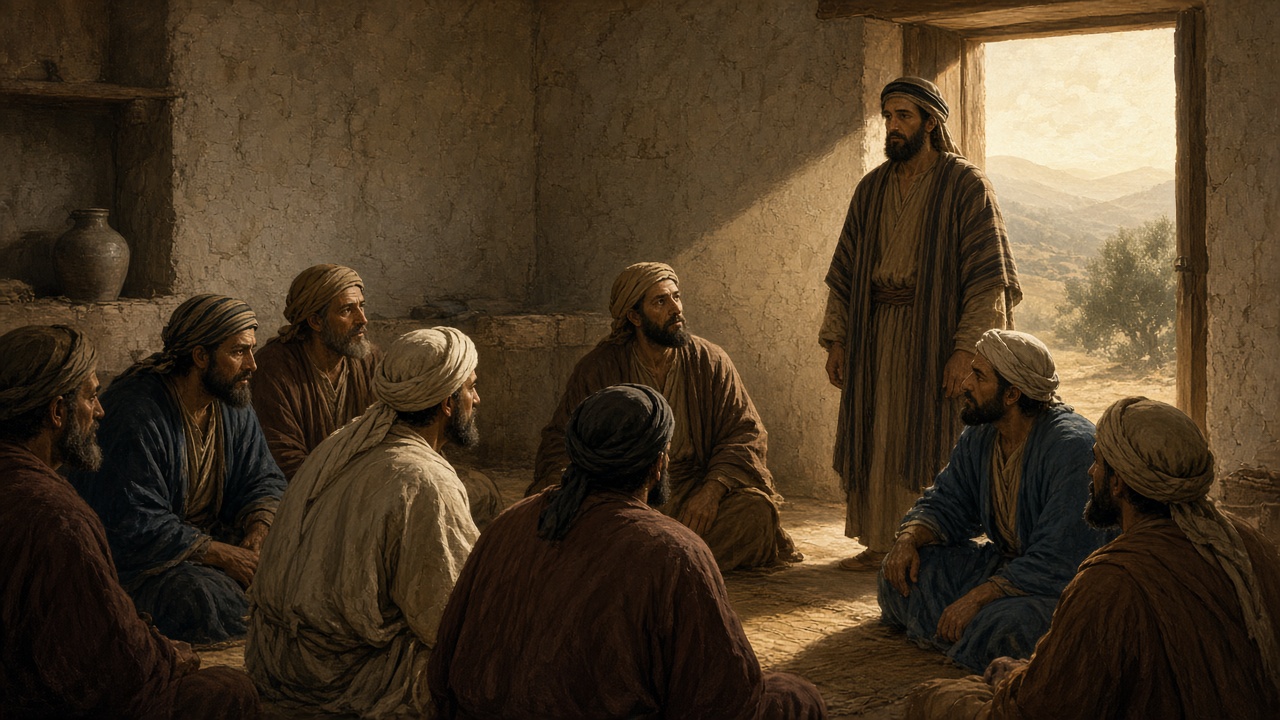
- Some people measured Paul by appearances and by his speech. They granted that his letters were weighty and forceful, yet called his physical presence unimpressive and his speaking of no account. He replies that what he is in his letters when away, he will be in his actions when he is present.Sources: the Bible text itself
- He casts the conflict in military terms, but not as an ordinary fight. Living in the flesh, he says, does not mean waging war according to the flesh. The weapons he claims are not the world's; they have divine power to pull down strongholds, to dismantle arguments and every presumption set against the knowledge of God, and to bring every thought into obedience to Christ.Sources: the Bible text itself
- Paul will not boast beyond the field of influence God has assigned him, a field that already includes his readers, since he was the first to reach them with the gospel of Christ. Anyone who boasts, he says, should boast in the Lord; approval belongs not to the one who commends himself, but to the one whom the Lord commends.Sources: the Bible text itself
Notes written with AI assistance from open sources (Theographic Bible Metadata, CC BY-SA 4.0; Easton’s Bible Dictionary, public domain) and reviewed before publishing.
Places in this chapter
- Corinth · 37.906, 22.879 · verse 14
Only places identified with high confidence are shown (90% or more according to the scholarly sources compiled by OpenBible). Period map: DARE (Digital Atlas of the Roman Empire), CC BY 4.0; modern map: © OpenStreetMap contributors; places: OpenBible.info (CC BY 4.0).
Credits and license for this translation
Godeya꞉ To Nafayo꞉ We
The New Testament, Genesis, and Ruth in the Kaluli language of Papua New Guinea
Sampela hap Buk Baibel long tokples Kaluli long Niugini
copyright © 1998-2022 Wycliffe Bible Translators, Inc.
Language: Kaluli
Translation by: Wycliffe Bible Translators
This translation is made available to you under the terms of the
Creative Commons Attribution-Noncommercial-No Derivatives license 4.0.
You may share and redistribute this Bible translation or extracts from it in any format, provided that:
You include the above copyright and source information.
You do not sell this work for a profit.
You do not change any of the words or punctuation of the Scriptures.
Pictures included with Scriptures and other documents on this site are licensed just for use with those Scriptures and documents.
For other uses, please contact the respective copyright owners.
2025-03-12
Source: http://png.bible/bco/ · eBible.org