1 John 3
Godeya꞉ To Nafayo꞉ We · Tap a verse to see its cross-references.
1Wai! Gode eyo꞉ nio꞉ mada alan asulo꞉ ko꞉lo꞉ nio꞉ ene so꞉waka꞉ a꞉la꞉safo꞉lab. A꞉la꞉go꞉ko꞉lo꞉ nio꞉ hendele Godeya꞉ so꞉wa ko꞉lo꞉lab. Henfelo꞉ kaluka꞉isaleyo꞉ Do Godeyo꞉ mo꞉fanda asulo꞉ ko꞉lo꞉, iliyo꞉ nio꞉lo꞉ mo꞉fanda asulab. 2Ne mili, nio꞉ o꞉go꞉ Godeya꞉ so꞉wa dowab. Gode eyo꞉ tif amio꞉ nio꞉ we o꞉ngo꞉ doma꞉ib a꞉la꞉likiyo꞉, kalab amio꞉ o꞉semo꞉wido꞉. Ko꞉sega Ya꞉suwo꞉ kalaba fa꞉la꞉dowalikiyo꞉, e wengo꞉lo꞉b a꞉la꞉bo꞉ hendele misio꞉ ba꞉ba꞉ib ko꞉lo꞉, nio꞉ e o꞉ngo꞉ka doma꞉ib. 3Kaluka꞉isale abeyo꞉ kelego꞉ a꞉no꞉ hendele fa꞉la꞉domabesa꞉ a꞉la꞉likilo꞉ yasila꞉lab a꞉ma꞉yo꞉, ene asulo꞉ amio꞉ mogago꞉ a꞉dimidama꞉no꞉wo꞉ eleta꞉ga꞉, e Ya꞉su o꞉ngo꞉ go꞉go꞉do꞉ dowo꞉ ko꞉lo꞉lab.
4Mogago꞉ dimidan man o꞉lia꞉ Godeya꞉lo꞉ to saefa꞉ ko꞉lo꞉ o꞉go꞉sab man a꞉no꞉lia꞉yo꞉ imilo꞉ dowo꞉. A꞉la꞉fo꞉ko꞉lo꞉ kaluka꞉isaleya꞉lo꞉ man mogago꞉ dimida꞉lab a꞉ma꞉yo꞉, Godeya꞉lo꞉ to saefa꞉ a꞉no꞉ o꞉go꞉sa꞉lab. 5Ya꞉su eyo꞉ nili mogago꞉ dimida꞉sen a꞉no꞉ dila꞉ma꞉no꞉ mio꞉ a꞉la꞉bo꞉ nio꞉ asulo꞉. Mogago꞉ imilise nowo꞉ e amio꞉ aundo꞉ma. 6Kalu abeyo꞉ Ya꞉su e o꞉lia꞉lo꞉ dowab a꞉ma꞉yo꞉ mogago꞉wo꞉ mo꞉dimida꞉lab. A꞉la꞉ta꞉ga꞉ kalu abeyo꞉ man mogago꞉lo꞉ dimida꞉lab a꞉ma꞉yo꞉, ene asulo꞉ amio꞉ Ya꞉suwo꞉ mo꞉ba꞉daki, e mo꞉fanda asulab.
7Ni so꞉wa i, kalu imilig noma꞉yo꞉ gio꞉ dikili sa꞉labena꞉ki, gio꞉ dinafa yasi dowa꞉bi! Ya꞉su Keliso e digalo꞉ ko꞉lo꞉, kaluka꞉isale abeyo꞉ man digalo꞉lo꞉ dimida꞉lab a꞉no꞉, e hendele digalo꞉, Ya꞉su e o꞉ngo꞉ dowab. 8Sa꞉da꞉na꞉yo꞉ tamina a꞉la꞉ta꞉ga꞉ o꞉go꞉lo꞉, mogago꞉wo꞉ dimida꞉i ya꞉lab ko꞉lo꞉, kaluka꞉isale abeyo꞉ man mogago꞉lo꞉ dimida꞉lab a꞉no꞉, e Sa꞉da꞉na꞉ a꞉no꞉ ilikigab. Godeya꞉ ene So꞉wayo꞉ Sa꞉da꞉na꞉ya꞉lo꞉ nanogo꞉ dimida꞉i ha꞉na꞉lab a꞉no꞉ ko꞉lo꞉ bidila꞉ma꞉ni mio꞉. 9Kalu abeyo꞉ Godeya꞉ so꞉wa dowab a꞉no꞉, Godeya꞉ mela꞉no꞉wo꞉ eya dowo꞉ ko꞉lo꞉, man mogago꞉wo꞉ mo꞉dimida꞉sen. E Godeya꞉ so꞉wa ko꞉lo꞉, mogago꞉wo꞉ mada mo꞉dimida꞉mela꞉ib. 10Ge Godeya꞉ ene So꞉wa o꞉lia꞉ Sa꞉da꞉na꞉ya꞉ inso꞉ o꞉lia꞉ a꞉la꞉do꞉ ele ba꞉ba꞉no꞉wo꞉ we. Kaluka꞉isale abeyo꞉ man digalo꞉lo꞉ mo꞉dimida꞉lab a꞉no꞉, e Godeya꞉ so꞉wama. A꞉la꞉ta꞉ga꞉ tilidabu kaluka꞉isale nowo꞉mbo꞉wo꞉lo꞉ ha꞉fo꞉wo꞉ mo꞉disa꞉lab a꞉no꞉lo꞉, e Godeya꞉ so꞉wama.
Tilidabu kalu nowo꞉mbo꞉wo꞉ ha꞉fo꞉wo꞉ disa꞉la꞉bi
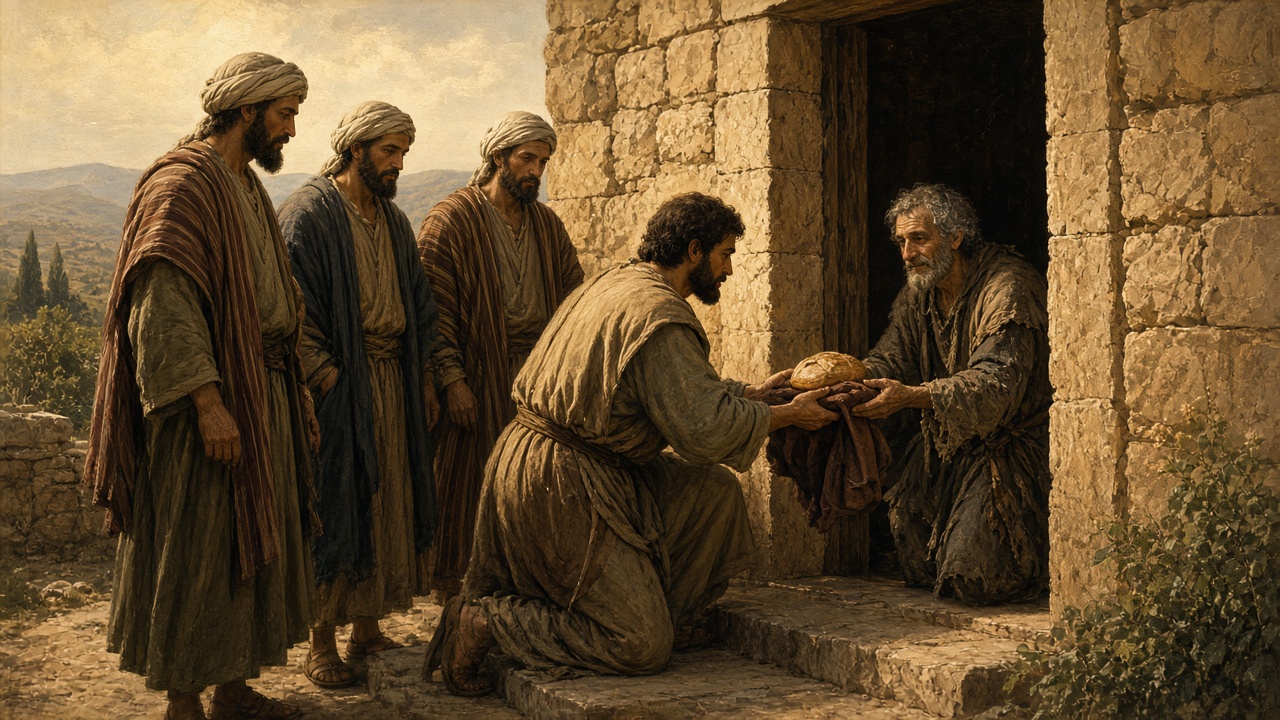
11Nio꞉ nol o꞉lia꞉yo꞉ ha꞉fo꞉wo꞉ disa꞉la꞉lubi a꞉la꞉do꞉ wido꞉ a꞉no꞉ gio꞉ tamina dabu. 12A꞉la꞉fo꞉ko꞉lo꞉ nio꞉ Ka꞉in e o꞉ngo꞉wo꞉ dowa꞉so꞉bo. E mogago꞉lelo꞉ dimida꞉sen Sa꞉da꞉na꞉ya꞉ inso꞉ o꞉ngo꞉ ko꞉lo꞉ ene aowo꞉ so꞉no꞉. Elo꞉ so꞉no꞉wo꞉ mo꞉wo꞉ we. Ka꞉in e man mogago꞉ dimida꞉len. A꞉ibol e man digalo꞉ dimida꞉len ko꞉lo꞉, Ka꞉ina꞉yo꞉ ene aowo꞉ a꞉na sana sowo꞉. 13Henfelo꞉ kaluka꞉isaleya꞉yo꞉ tilidabu kaluka꞉isale gimo꞉wo꞉ kele asula꞉sa꞉ga꞉ mo꞉bealikiyo꞉, gio꞉ iliga꞉so꞉bo. 14Tamin amio꞉ nio꞉ soma꞉no꞉lo꞉ doba꞉da꞉ elen ko꞉sega nio꞉ a꞉no꞉ o꞉ma tiginita꞉ga꞉, mela꞉no꞉ usa fa꞉la꞉dofo꞉lo꞉l. Niliyo꞉ a꞉la꞉asulo꞉ mo꞉wo꞉ niliyo꞉ tilidabu kaluka꞉isale no o꞉lia꞉yo꞉ ha꞉fo꞉wo꞉ disa꞉la꞉sen. Kalu abeyo꞉ nowo꞉mbo꞉wo꞉ ha꞉fo꞉wo꞉ mo꞉disa꞉lalega, e soma꞉no꞉lo꞉ doba꞉da꞉ a꞉lab. 15Kalu abeyo꞉ ene ao nowo꞉mbo꞉wo꞉ kele asulakilo꞉ mo꞉bea꞉lab a꞉ma꞉yo꞉, kalu sana sowano꞉ o꞉ngo꞉ dowab. A꞉la꞉ta꞉ga꞉ kalu sana sowan a꞉ma꞉yo꞉, Godeya꞉ mela꞉no꞉ mela꞉no꞉wo꞉ e amio꞉ mo꞉dofo꞉likigab, a꞉la꞉bo꞉ gio꞉ asulo꞉. Giyo꞉ nol o꞉lia꞉yo꞉ ha꞉fo꞉wo꞉ disa꞉la꞉lubi.|alt="Eating together at a table" src="62_1Jn_03_03_RG_gr.tif" size="col" copy="© Sweet Publishing http://sweetpublishing.com, licensed under a CC: BY-SA 3.0 Unported licence." ref="3.11"
16Ya꞉suwa꞉yo꞉ ni asulakilo꞉, ene mela꞉no꞉ wala꞉ a꞉ma꞉yo꞉ ao nowo꞉lia꞉lo꞉ ha꞉fo꞉ disa꞉lan man a꞉no꞉ ko꞉lo꞉ wido꞉. A꞉la꞉fo꞉ko꞉lo꞉ niliyo꞉lo꞉ nao nowo꞉ asulakiyo꞉, nili mela꞉no꞉wo꞉lo꞉ a꞉la꞉wala꞉ma꞉niki. 17Kaluka꞉isale abeyo꞉ e kelego꞉wo꞉ o꞉li deliki, tilidabu kaluka꞉isale kelego꞉lo꞉ma a꞉no꞉ ba꞉da꞉sa꞉ga꞉ mo꞉nofolalega, Godeya꞉ ha꞉fo꞉ disa꞉lan man a꞉no꞉ e amio꞉ aundo꞉ma. 18Ni so꞉wa i, giliyo꞉ to mosowa꞉yo꞉ ha꞉fo꞉wo꞉ disa꞉ a꞉la꞉bo꞉ mego꞉fa꞉yo꞉ madaliyo꞉ sa꞉la꞉so꞉bo. Ko꞉sega kalu nowo꞉mbo꞉wo꞉ hendele nofolakiyo꞉, gio꞉ ha꞉fo꞉ disa꞉laki to sio꞉ aumbo꞉, nanogo꞉ hendele dagiya꞉yo꞉ dimida꞉bi.
19Niliyo꞉ a꞉la꞉dimidalikiyo꞉, nio꞉ Godeya꞉ eno꞉ a꞉la꞉bo꞉ asulo꞉ ko꞉lo꞉, nio꞉ Godeya꞉ siwa꞉la ilikiyo꞉, nio꞉ mo꞉sendelowaki ha꞉saka doma꞉no꞉. Mo꞉wo꞉ Godeya꞉ ene asulo꞉ nafale a꞉ma꞉yo꞉ nili asulo꞉wo꞉ tininila꞉sa꞉ga꞉, kelego꞉ tambowo꞉ e asululi ko꞉lo꞉lab. 21Ne mili, asulo꞉ ninido꞉ma꞉yo꞉ mo꞉sendelo alitalega, nio꞉ Godeya꞉ siwa꞉l amio꞉ tagio꞉ mo꞉dowaki, Godemo꞉lo꞉ dabu ba꞉dab a꞉ma꞉yo꞉ hendele dimia꞉ib. Mo꞉wo꞉ nio꞉ Godeya꞉lo꞉ to saefa꞉ a꞉no꞉ kudu ha꞉naki, man elo꞉ asulab aumbo꞉ dimida꞉i ya꞉len. 23Godeya꞉ to saefa꞉yo꞉ we. Nio꞉ ene So꞉wa, Ya꞉su Kelisowa tilida꞉da꞉sa꞉ga꞉, kalu nowo꞉mbo꞉wo꞉ ha꞉fo꞉wo꞉ disa꞉la꞉bi. Elo꞉ tamin amilo꞉ to saefa꞉yo꞉ o꞉m ko꞉lo꞉ kudu ha꞉na꞉bi. 24Kaluka꞉isale abeyo꞉ elo꞉ to saefa꞉yo꞉ kudu ha꞉nab a꞉no꞉, e Godeya dowab ko꞉lo꞉ Gode elo꞉ kalu a꞉no꞉lia꞉yo꞉ dowab. Godeyo꞉ ni o꞉lia꞉ a꞉lab a꞉la꞉bo꞉ nio꞉ asuluma꞉ki, Godeya꞉ Mama nimo꞉lo꞉ dimi a꞉ma꞉yo꞉ nimo꞉wo꞉ wida꞉lab.
Did you know?
Children of God and brotherly love
- The warning not to be like Cain recalls Adam and Eve's firstborn, a tiller of the ground, whose brother Abel followed a pastoral life. They presented offerings: Abel's, of the firstlings and the fat of his flock, was accepted as more excellent, and Cain, whose offering was of the fruit of the ground, became very angry. The letter says Cain belonged to the evil one and murdered Abel because his own deeds were evil and his brother's were righteous.Sources: Cain · the Bible text itself
- In this chapter, hating a brother is treated as murder: everyone who hates his brother is a murderer, and eternal life does not reside in a murderer. Love is known because Jesus laid down his life for us, and the readers are told they ought to lay down their lives for their brothers.Sources: the Bible text itself
- The children of God are distinguished from the children of the devil by practicing righteousness and by loving one's brother. The message heard from the beginning is that we should love one another, and God's commandment is to believe in the name of his Son, Jesus Christ, and to love one another as he commanded.Sources: the Bible text itself
Notes written with AI assistance from open sources (Theographic Bible Metadata, CC BY-SA 4.0; Easton’s Bible Dictionary, public domain) and reviewed before publishing.
Credits and license for this translation
Godeya꞉ To Nafayo꞉ We
The New Testament, Genesis, and Ruth in the Kaluli language of Papua New Guinea
Sampela hap Buk Baibel long tokples Kaluli long Niugini
copyright © 1998-2022 Wycliffe Bible Translators, Inc.
Language: Kaluli
Translation by: Wycliffe Bible Translators
This translation is made available to you under the terms of the
Creative Commons Attribution-Noncommercial-No Derivatives license 4.0.
You may share and redistribute this Bible translation or extracts from it in any format, provided that:
You include the above copyright and source information.
You do not sell this work for a profit.
You do not change any of the words or punctuation of the Scriptures.
Pictures included with Scriptures and other documents on this site are licensed just for use with those Scriptures and documents.
For other uses, please contact the respective copyright owners.
2025-03-12
Source: http://png.bible/bco/ · eBible.org