Song of Songs 4
Bibeli Gusunɔn Gari · Tap a verse to see its cross-references.
1ɑ sɑ̃ɑwɑ kurɔ burɔ, nɛn kĩnɑsi.
Wunɛn nɔni yi bɑllimɔ nɡe wɑɑ bɑkɑɡii wunɛn sɔnditiɑn wɛ̃rin di.
Wunɛn seri yi sɑ̃ɑ nɡe boo wuuru te tɑ sɑrɑmɑmɔ Gɑlɑdin ɡuuru wɔllun di.
2Wunɛn donnu nu buriri nɡe yɑ̃ɑ nìn sɑnsu bɑ bɔɔrɑ nu nim nɔrum wee.
Nu mɑɑ nɔɔ nɛwɑ swɛɛ swɛɛ, nin ɡɑrɑ kun kɑnde.
3Wunɛn nɔɔ ɡɑ swɛ̃riwɑ nɡe tom,
mɑ ɡɑ wɑɑbu wɑ̃.
Wunɛn bɑɑnu nu bɑllimɔwɑ nɡe dire sɔnsɔm biɑ wunɛn sɔnditiɑn wɛ̃rin di.
4Wunɛn wĩirɑ wɑ̃wɑ nɡe Dɑfidin dii bwereku ɡɑɡu
mi bɑ rɑ tɑbu yɑ̃nu bere.
Wunɛn sɑbɑn bɑtɑnibɑ bɑ sɑ̃ɑ nɡe tɑbu yɑ̃ɑ ni bɑ bwɛ̃ mi.
5Wunɛn bwɑ̃su sɑ̃ɑ nɡe yɑɑ kpikun binu yiru ni nu yɑkɑsu dimɔ biibiin suunu sɔɔ.
6Sere sɔ̃ɔ u kɑ du sɑɑru tu kpɛ̃ɑ,
kon dɑ ɡuuru wɔllɔ mi turɑre ye bɑ mɔ̀ miru kɑ turɑre dɛkɑɡiɑ yɑ wɑ̃ɑ.
7A sɑ̃ɑwɑ kurɔ burɔ, nɛn kĩnɑsi.
A ǹ bɑu ɡɑɡu mɔ.
8A nɑ su doonɑ sɑɑ Libɑnin ɡuunun di
kɑ Seniri kɑ Hɛɛmɔɔn ɡuurun di
mi ɡbee sinɑnsu kɑ musuku yɑmbɑrɔsu rɑ n wɑ̃ɑ.
9Bɛsɛn nɔni yì n yinnɑ, ǹ kun mɛ nɑ̀ n wunɛn sɑbɑn bɑtɑni tiɑ wɑ,
wunɛn kĩrɑ rɑ nɛn ɡɔ̃ru kpuro mwɛwɑ, nɛn sesu, nɛn kurɔ.
10Wunɛn kĩru tɑ nuku dobu mɔ nɛn sesu, nɛn kurɔ.
Wunɛn kĩru tɑ tɑm dobu kere.
Mɛyɑ mɑɑ wunɛn turɑren nuburu tɑ do tɑ turɑre kpuro kere.
11Wunɛn nɔɔ ɡɑ sɔ̃subu do nɡe tim bɑu.
Tim kɑ bom mu wɑ̃ɑ wunɛn nɔɔ sɔɔ.
Wunɛn yɑ̃nu nu nuburu dowɑ nɡe dɑ̃ɑ te bɑ mɔ̀ sɛduru Libɑniɔ.
12A sɑ̃ɑwɑ nɡe dɑ̃ɑ ɡbɑɑru te bɑ kɑrɑ koosi, nɛn sesu, nɛn kurɔ.
A sɑ̃ɑwɑ nɡe dɔkɔ ye bɑ kɛnuɑ, ǹ kun mɛ nɡe bwiɑ ye bɑ mɑrɑ.
13Wunɛn nim mu dɑ̃ɑ ɡbɑɑrun dɑ̃nu yɛ̃kɑmɔ.
Nin binu ni bɑ sokumɔ ɡerenɑdi nu do too.
Mɛyɑ lɑlle kɑ nɑɑdi yɑ mɑɑ kpiɑ mi,
14kɑ sɑfɑrɑni, kɑ yɑkɑ si su nuburu do, kɑ kɑnɛli,
kɑ dɑ̃ɑ ni bɑ rɑ kɑ turɑre dɛkɑɡiɑ ko, kɑ miru, kɑ ɑloɛsi,
kɑ sere yɑkɑ si su nuburu dobu bo kpuro.
15Wunɛ ɑ sɑ̃ɑwɑ nɡe dɑ̃ɑ ɡbɑɑrun dɔkɔ
ǹ kun mɛ nɡe bwiɑ ye yɑ nim sumɔ
mɛ mu wee sɑɑ Libɑnin ɡuunun di.
16sɔ̃ɔ yɛ̃si yɛ̃sikɑn wosu,
i seewo i nɛn dɑ̃ɑ ɡbɑɑrun dɑ̃nu kɔ̃,
kpɑ nin nubu duroru tu yɑri kpuro.
I de nɛn kĩnɑsi u du win dɑ̃ɑ ɡbɑɑru sɔɔ
kpɑ u yen dɑ̃ɑ bii ɡeenu di.
Durɔ u wee
Did you know?
The Bride's Beauty and the Garden of Spices
- The poem calls the bride down from the dramatic northern mountain ranges of Lebanon, including Amana, Senir, and Mount Hermon. Mount Hermon is the highest peak in the Anti-Lebanon range, and biblical sources note that Senir was the Amorite name for Hermon.Sources: the Bible text itself · Hermon · Senir · Lebanon
- The beloved's hair is compared to a flock of goats descending Mount Gilead, a fertile and mountainous region located east of the Jordan River.Sources: the Bible text itself · Gilead
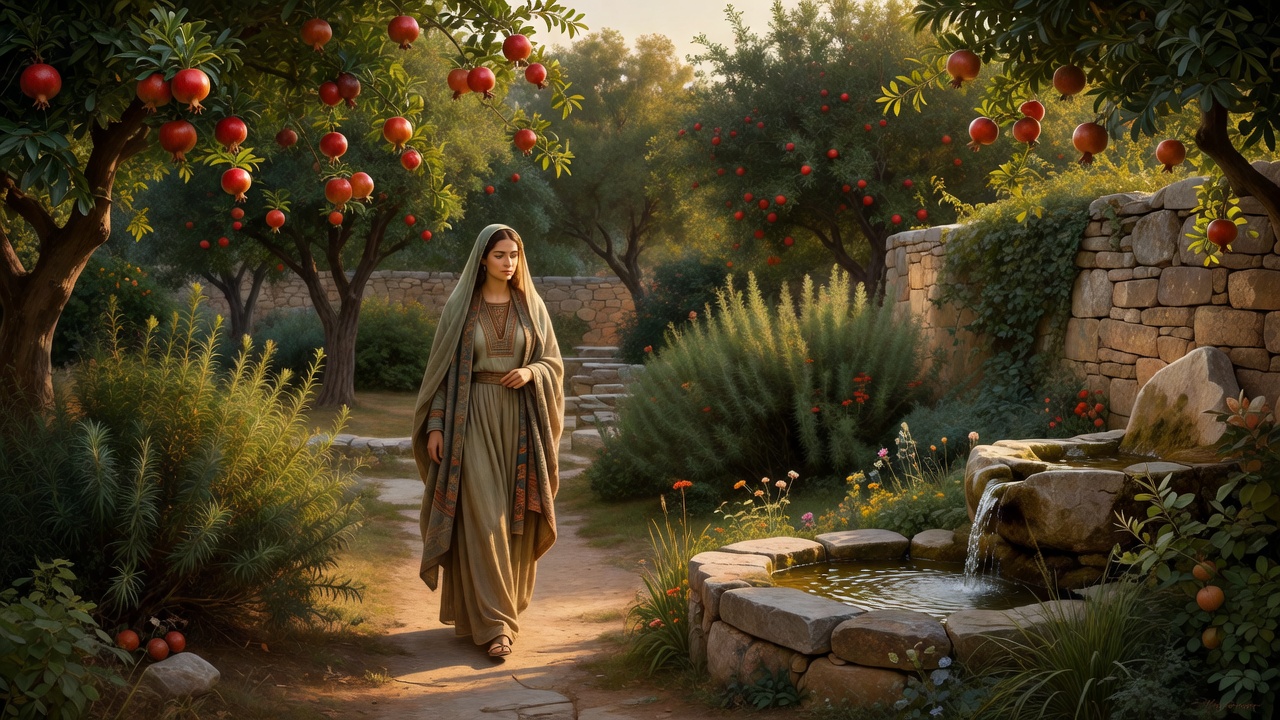
- The bride is portrayed as an enclosed garden, a sealed fountain, and an orchard laden with precious spices such as nard, saffron, cinnamon, and frankincense, evoking exclusivity, refreshment, and fragrance.Sources: the Bible text itself
Notes written with AI assistance from open sources (Theographic Bible Metadata, CC BY-SA 4.0; Easton’s Bible Dictionary, public domain) and reviewed before publishing.
Places in this chapter
- Gilead · Today: Gilead 1 · 32.187, 35.692 · verse 1
- Lebanon · 33.540, 35.584 · verses 8, 11, 15
- Mount Hermon · 33.400, 35.850 · verse 8
- Senir · Today: Mount Hermon · 33.400, 35.850 · verse 8
Only places identified with high confidence are shown (90% or more according to the scholarly sources compiled by OpenBible). Period map: DARE (Digital Atlas of the Roman Empire), CC BY 4.0; modern map: © OpenStreetMap contributors; places: OpenBible.info (CC BY 4.0).
Credits and license for this translation
Bibeli Gusunɔn Gari
The Holy Bible in the Baatonum language of Benin, also called the Bariba language
copyright © 2013 SIM
Language: Bariba (Baatonum)
Translation by: SIM International
Bariba, Bibeli Gusunɔn Gari
This translation, published by the UEEB/SIM au Benin, was published in 1996.
If you are interested in obtaining a printed copy, please contact the SIM at SIM, BP 15, Parakou, Benin.
This translation text is made available to you under the
terms of the Creative Commons License: Attribution-Noncommercial-No Derivative Works.
( http://creativecommons.org/licenses/by-nc-nd/3.0/ )
In addition, you have permission to port the text to different file formats, as long as you
do not change any of the text or punctuation of the Bible.
You may share, copy, distribute, transmit, and extract portions
or quotations from this work, provided that you include the above copyright
information:
You must give Attribution to the work.
You do not sell this work for a profit.
You do not make any derivative works that change any of the actual words or punctuation of the Scriptures.
Permissions beyond the scope of this license may be
available if you contact
us with your request.
This translation is made available to you under the terms of the
Creative Commons Attribution-Noncommercial-No Derivatives license 4.0.
You may share and redistribute this Bible translation or extracts from it in any format, provided that:
You include the above copyright and source information.
You do not sell this work for a profit.
You do not change any of the words or punctuation of the Scriptures.
Pictures included with Scriptures and other documents on this site are licensed just for use with those Scriptures and documents.
For other uses, please contact the respective copyright owners.
2014-09-10
Source: http://ebible.org/bba/ · eBible.org