Proverbs 24
Bibeli Gusunɔn Gari · Tap a verse to see its cross-references.
1A ku tɔn kɔ̃sobun wɑ̃ɑru binɛ ko. A ku kĩɑ ɑ n kɑ bu wɑ̃ɑ. 2Domi bɑ rɑ kɑ̃wɑ bɑ n tɔmbu dɑm dɔremɔ, kpɑ bɑ n ɡerumɔ kɔ̃sɑ ye bɑ koo ko.
3Lɑsɑbuwɑ bɑ rɑ kɑ yɛnu bɑni. Bwisiyɑ bɑ rɑ kɑ ɡe tɑ̃sisie. 4Yɛ̃rɑ bɑ rɑ kɑ ɡen diɑ ɡɑ̃ɑ ɡeenu kɑ ɑrumɑni yibie.
5Wi u bwisi kɑ yɛ̃ru mɔ, wiyɑ u dɑm mɔ. 6N weenɛ ɑ lɑsɑbu ko ɑ sere tɑbu dɑ. Tɔn dɑbinun bwisi kɛ̃ɛ ɡeeru tɑ koo de ɑ nɑsɑrɑ wɑ.
7Gɑri bɔkɔ kun kpɛ̃ u bwisin ɑsɑnsi ɡiɑ. Yen sɔ̃nɑ u ǹ kpɛ̃ u ɡɑri ɡere mi bɑ sirimɔ.
8Wi u rɑ n kɔ̃sɑ bwisikumɔ u koo yĩsiru yɑri kɔ̃sɑn kobu sɔɔ. 9Gɑri bɔkɔn bwisikunu rɑ n durum wuuwɑwɑ. Wi u rɑ mɑɑ tɔnu yɑɑkoru ko, bɑ rɑ n nùn tusɑwɑ.
10À n tɛmɑnɑbu kpɑnɑ wɑhɑlɑ sɔɔ, ɑ wunɛn dɑm sɑriru sɔ̃ɔsiwɑ mi.
11A kookɑri koowo ɑ be bɑ ǹ ɡɑ̃ɑnu kue wɔrɑ be bɑ kɑ dɔɔ bu ɡo. 12Kɑɑ kpĩ ɑ weesu ko ɑ nɛɛ, ɑ ǹ yɛ̃ ye n koorɑ, ɑdɑmɑ Gusunɔ u yɛ̃ ye n koorɑ, domi u rɑ tɔnun ɡɔ̃ru wɛ̃ɛri. U mɛɛrɑ kpuro ye ɑ mɔ̀. U koo bɑɑwure nùn win kookoosun ɑre wɛ̃.
13Nɛn bii, ɑ tim dio, domi tim mu wɑ̃, mu koo mɑɑ nun dore. 14Nɡe mɛyɑ bwisi yi ko n wɑ̃ wunɛn wɑ̃ɑru sɔɔ. À n yi dendimɔ, kɑɑ kpĩ ɑ n nuku dobu mɔ. Kɑɑ n mɑɑ yĩiyɔbu mɔ wunɛn siɑn sɔ̃.
15A ku ɡemɡiin yɛnu yinɑ bɛriɑ. A ku win wɑ̃ɑ yeru wɔri ɑ mwɑ. 16Gemɡii u rɑ wɔrumɛ kpɑ Gusunɔ u nùn seeyɑ, ɑdɑmɑ tɔn kɔ̃so, nɔni swɑ̃ɑru tɑ rɑ nùn kɑmiɛwɑ.
17A ku de wunɛn ɡɔ̃ru ɡu dorɑ wunɛn yibɛrɛ ù n wɔrumɑ, ǹ kun mɛ ù n sokurɑ. 18Domi Gusunɔ ù n wɑ mɛ, sɔrɔkudo u koo win mɔru wunɑ win min di.
19A ku tii nɔwiɑ ko kɔ̃sɑn kowobun sɔ̃. A ku mɑɑ ye bɑ mɔn binɛ ko. 20Domi kɔ̃sɑn kowobu bɑ ǹ ɡɑ̃ɑnu wɑsi siɑ. Ben wɑ̃ɑrɑ koo kpewɑ tumɑru nɡe fitilɑ ɡe ɡɑ ɡum kpɑ.
21Nɛn bii, ɑ de ɑ Yinni Gusunɔ kɑ sinɑ boko nɑsiɑ. A kun wɑ̃ɑ be bɑ bu seesimɔn wuurɔ. 22Domi bɑ koo kɑm kowɑ subɑru sɔɔ. Goo kun mɑɑ yɛ̃ sɛɛyɑsiɑ bi Gusunɔ kɑ sinɑ boko bɑ koo bu ko.
Bwisiɡibun bwisi kɛ̃ru
23Wee ye bwisiɡibɑ mɑɑ ɡeruɑ. Bɑ nɛɛ, siribun sɑɑ sɔɔ, ɑ ku ɡoon nɔnu mɛɛri. 24Wi u tɔn kɔ̃so ɡem wɛ̃, tɔmbu bɑ koo nùn bɔ̃rusi, 25ɑdɑmɑ wi u nùn sɛɛyɑsiɑ u ko n wɑ̃ɑ doo nɔɔru sɔɔ, kpɑ tɔmbu bu nùn domɑru kuɑ.
26Wi u rɑ nun ɡem sɔ̃, kĩi ɡeerɑ u nun sɔ̃ɔsi mi.
27A de ɑ n ɡberu mɔ kpɑ ɑ n yɛ̃ mɛ kɑɑ kpĩ ɑ tii diisiɑ ɑ sere yɛnu swĩi.
28A ku wunɛn beruse seedɑ weesuɡiɑ diiyɑ. A ku nùn nɔni wɔ̃ke kɑ wunɛn ɡɑri. 29A ku mɑɑ nɛɛ, kɑɑ nùn kuɑ nɡe mɛ u nun kuɑ. Kɑɑ nùn kɔsiɑ nɡe mɛ win dɑɑ yɑ nɛ.
Yikuron dɑɑ
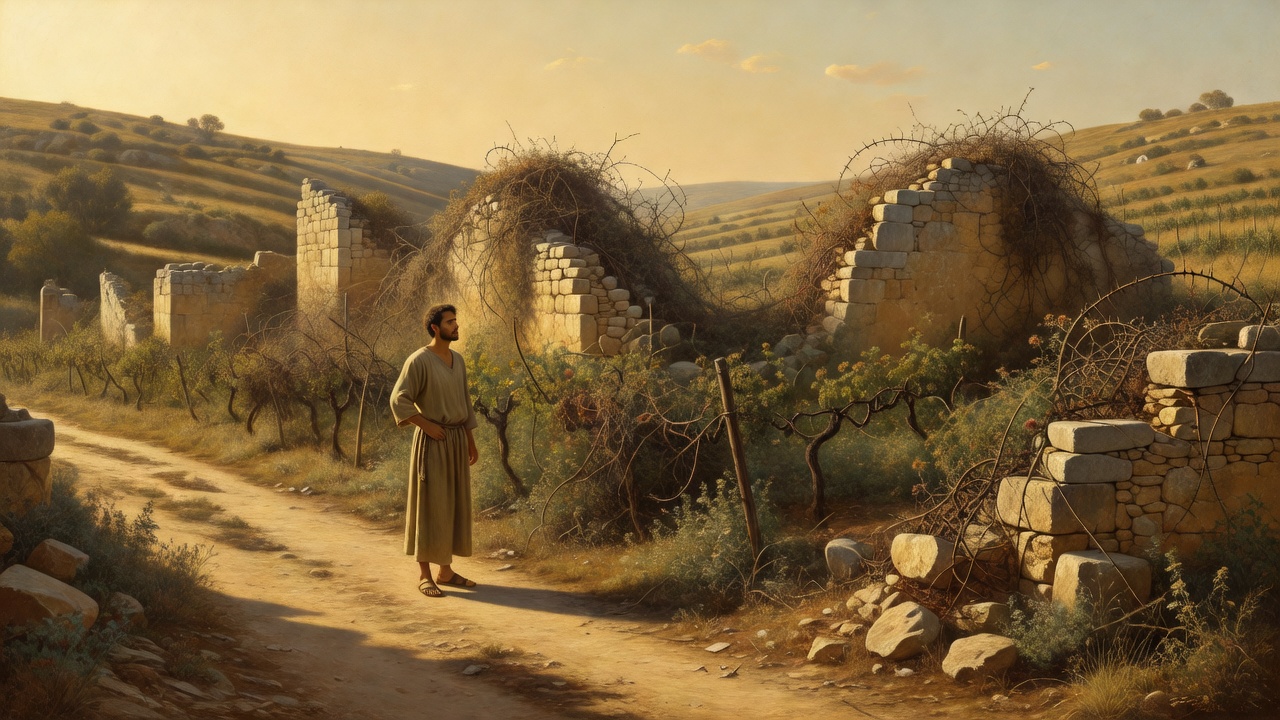
30Sɔ̃ɔ teeru nɑ sɑrɑ yikuro ɡɑri bɔkɔ ɡoon resɛm ɡbɑɑrɔ. 31Mɑ nɑ deemɑ sɑ̃ki kɑ yɑkɑ kɔ̃susɑ su kpiimɔ bɑɑmɑ, mɑ ten kɑrɑ ye u kuɑ kɑ kpenu yɑ wɔrukɑ. 32Mɑ nɑ ye mɛɛrɑ kɑ lɑɑkɑri, yerɑ nɑ bwisi dɔbɑ mi. 33Nɑ wɑ ɑ̀ n kpunɑ mɑ ɑ dom mɔndu kuɑ ɑ dweeyɑ fiiko ɑ kun sɔmburu kue, 34sɑ̃ɑru tɑ koo nun deemɑwɑ nɡe ɡbɛnɔ, kpɑ yɑ̃ɑru tu nun wɔri nɡe swɑɑ diobu.
Did you know?
Wisdom for Daily Life, Justice, and Diligence
- Proverbs 24:27 reflects the priorities of ancient agrarian life by advising that one should first prepare fields and secure an agricultural livelihood before building a house. Securing reliable food production had to take precedence over investing resources into domestic shelter.Sources: the Bible text itself
- The chapter challenges passive bystander apathy, asserting that claiming ignorance will not excuse failing to rescue those facing unjust peril or death. It similarly warns against judicial partiality in civic assemblies, strongly condemning those who exonerate the guilty.Sources: the Bible text itself
- The vivid portrait of a slacker's vineyard highlights the rapid physical decay of untended land, marked by overgrown thistles and broken stone walls. In the hill country of ancient Israel, maintaining stone terrace walls was essential for preventing soil erosion and protecting crops.Sources: the Bible text itself
Notes written with AI assistance from open sources (Theographic Bible Metadata, CC BY-SA 4.0; Easton’s Bible Dictionary, public domain) and reviewed before publishing.
Credits and license for this translation
Bibeli Gusunɔn Gari
The Holy Bible in the Baatonum language of Benin, also called the Bariba language
copyright © 2013 SIM
Language: Bariba (Baatonum)
Translation by: SIM International
Bariba, Bibeli Gusunɔn Gari
This translation, published by the UEEB/SIM au Benin, was published in 1996.
If you are interested in obtaining a printed copy, please contact the SIM at SIM, BP 15, Parakou, Benin.
This translation text is made available to you under the
terms of the Creative Commons License: Attribution-Noncommercial-No Derivative Works.
( http://creativecommons.org/licenses/by-nc-nd/3.0/ )
In addition, you have permission to port the text to different file formats, as long as you
do not change any of the text or punctuation of the Bible.
You may share, copy, distribute, transmit, and extract portions
or quotations from this work, provided that you include the above copyright
information:
You must give Attribution to the work.
You do not sell this work for a profit.
You do not make any derivative works that change any of the actual words or punctuation of the Scriptures.
Permissions beyond the scope of this license may be
available if you contact
us with your request.
This translation is made available to you under the terms of the
Creative Commons Attribution-Noncommercial-No Derivatives license 4.0.
You may share and redistribute this Bible translation or extracts from it in any format, provided that:
You include the above copyright and source information.
You do not sell this work for a profit.
You do not change any of the words or punctuation of the Scriptures.
Pictures included with Scriptures and other documents on this site are licensed just for use with those Scriptures and documents.
For other uses, please contact the respective copyright owners.
2014-09-10
Source: http://ebible.org/bba/ · eBible.org