Numbers 27
Bibeli Gusunɔn Gari · Tap a verse to see its cross-references.
1Selofɑdi, wi u sɑ̃ɑ Hefɛɛ kɑ Gɑlɑdi kɑ Mɑkiri kɑ Mɑnɑsen sikɑdobu Yosɛfun bweseru sɔɔ, u bii tɔn kurɔbu nɔɔbu mɑrɑ. Berɑ Mɑlɑ kɑ Nɔɑ kɑ Hoɡulɑ kɑ Milikɑ kɑ Tirisɑ 2mɑ be, bɑ nɑ Mɔwisi kɑ yɑ̃ku kowo Eleɑsɑɑn mi, kɑ wiruɡibun mi kɑ sere Isirelibɑ kpuron mi Yinni Gusunɔn sɑ̃ɑ yerun kɔnnɔwɔ bɑ nɛɛ, 3bɛsɛn tundo u ɡuwɑ ɡbɑburɔ. Uǹ wɑ̃ɑ Koren bibun wuuru sɔɔ be bɑ Yinni Gusunɔ seesi. U ɡuwɑ win tii tiin torɑnun sɔ̃. Adɑmɑ uǹ bii tɔn durɔ mɔ. 4N weenɛ bu win bwese kɛrɑ deri yèn sɔ̃ uǹ bii tɔn durɔ mɔ? I sun tem wɛ̃ɛyɔ bɛsɛn tundon mɑɑbu kɑ wɔnɔbun suunu sɔɔ.
5Mɑ Mɔwisi u Yinni Gusunɔ kɑnɑ ben ɡɑri yin sɔ̃. 6Mɑ Yinni Gusunɔ u nùn wisɑ u nɛɛ. 7Selofɑdin bii be, bɑ ɡem mɔ. A bu tem wɛ̃ɛyɔ mɛ ben tundo u ko n dɑɑ mɔ. Kɑɑ bu mu wɛ̃wɑ ben tundon mɑɑbu kɑ wɔnɔbun suunu sɔɔ. 8Yen biru, kpɑ ɑ Isirelibɑ sɔ̃ ɑ nɛɛ, ɡoo ù n ɡu mɑ uǹ bii tɔn durɔ mɔ, win bii tɔn kurɔwɑ u koo win ɑrumɑni suɑ u tubi di. 9Ù kun mɑɑ bii tɔn kurɔ mɔ, win mɑɑbu kɑ wɔnɔbɑ bɑ koo win ɑrumɑni suɑ bu tubi di. 10Ù kun mɑɑ mɑɑbu kɑ wɔnɔbu mɔ, win tundon mɑɑbu kɑ wɔnɔbɑ bɑ koo win ɑrumɑni suɑ bu tubi di. 11Win tundo ù kun mɑɑ mɑɑbu kɑ wɔnɔbu mɔ, win mɛro bisi wi u fɛ̃ɛ fɛ̃ɛ bo wiyɑ u koo win ɑrumɑni tubi di. Yeni yɑ ko n sɑ̃ɑwɑ woodɑ Isirelibɑ sɔɔ nɡe mɛ nɛ, Yinni Gusunɔ nɑ ye Mɔwisi wɛ̃.
Yinni Gusunɔ u Yosue ɡɔsɑ
u kɑ ko Mɔwisin kɔsire
12Yinni Gusunɔ u Mɔwisi sɔ̃ɔwɑ u nɛɛ, ɑ yɔɔwo Abɑrimun ɡuu tenin wii kpiirɔ, kpɑ ɑ nɔni seeyɑ ɑ tem mɛ mɛɛri mɛ kon Isirelibɑ wɛ̃. 13Yen biru, kpɑ ɑ kpunɑ ɑ ɡbi nɡe mɛ wunɛn mɔɔ Aroni u ɡu. 14Domi iǹ woodɑbɑ mɛm nɔɔwɛ Sinin ɡbɑburɔ, sɑnɑm mɛ Isirelibɑ bɑ mɑn seesi. Iǹ mɑɑ mɑn bɛɛrɛ wɛ̃ ben wuswɑɑɔ sɑnɑm mɛ bɑ nim kɑnɑmɔ. Yerɑ n derɑ nɑ Mɛribɑn nim mɛ sokɑ Sɑnnɔn nim Kɑdɛsiɔ, Sinin ɡbɑburɔ.
15Mɑ Mɔwisi u Yinni Gusunɔ sɔ̃ɔwɑ u nɛɛ, 16Yinni Gusunɔ, wunɛ wi ɑ tɑkɑ koorɑ kpuro hunde wɛ̃, ɑ ɡoo ɡɔsio, ɑ nùn ko wiruɡii wi u koo kpĩ u wunɛn tɔmbu kpɑrɑ kpɑ bɑ kun kɑ sɑ̃ɑ nɡe yɑ̃ɑ ni nuǹ kpɑro mɔ.
18Mɑ Yinni Gusunɔ u Mɔwisi wisɑ u nɛɛ, Yosue Nunin bii wee, wì sɔɔ nɛn Hunde u yibɑ. A nùn suo kpɑ ɑ nùn nɔmɑ sɔndi. 19Kɑɑ kɑ nùn dɑwɑ yɑ̃ku kowo Eleɑsɑɑn wuswɑɑɔ, kpɑ ɑ nùn ko wunɛn kɔsire Isirelibɑ kpuron nɔni biru. 20A nùn wunɛn yiikon bɔnu wɛ̃ɛyɔ kpɑ Isirelibɑ kpuro bu nùn mɛm nɔɔwɑ. 21Yɑ̃ku kowo Eleɑsɑɑwɑ u ko n dɑ wɑ kpɑ Eleɑsɑɑ u mɑn kɑnɑ win sɔ̃ kɑ woro te bɑ rɑ ko kɑ urimu. Win ɡɑriyɑ Yosue kɑ Isirelibɑ kpuro bɑ ko n dɑ kɑ sɔmburu ko.
22Mɑ Mɔwisi u kuɑ ye Yinni Gusunɔ u nùn sɔ̃ɔwɑ. U Yosue suɑ mɑ u kɑ nùn dɑ yɑ̃ku kowo Eleɑsɑɑn wuswɑɑɔ Isirelibɑ kpuron nɔni biru. 23Mɑ u nùn nɔmɑ sɔndi u nùn kuɑ win kɔsire nɡe mɛ Yinni Gusunɔ u nùn sɔ̃ɔwɑ.
Tɔ̃ru bɑɑteren yɑ̃kurun
woodɑ
Did you know?
Inheritance and the Succession of Leadership
- When the five daughters of Zelophehad—Mahlah, Noah, Hoglah, Milcah, and Tirzah—appealed for land because their father died leaving no sons, a new legal statute was established allowing daughters to inherit their family's portion.Sources: Zelophehad · the Bible text itself
- Moses was instructed to view the promised land from the Abarim mountain range before his death, which was foretold because of what occurred at the waters of Meribah in Kadesh, within the Wilderness of Zin.Sources: Abarim · Meribah (of Kadesh) · Kadesh · the Bible text itself
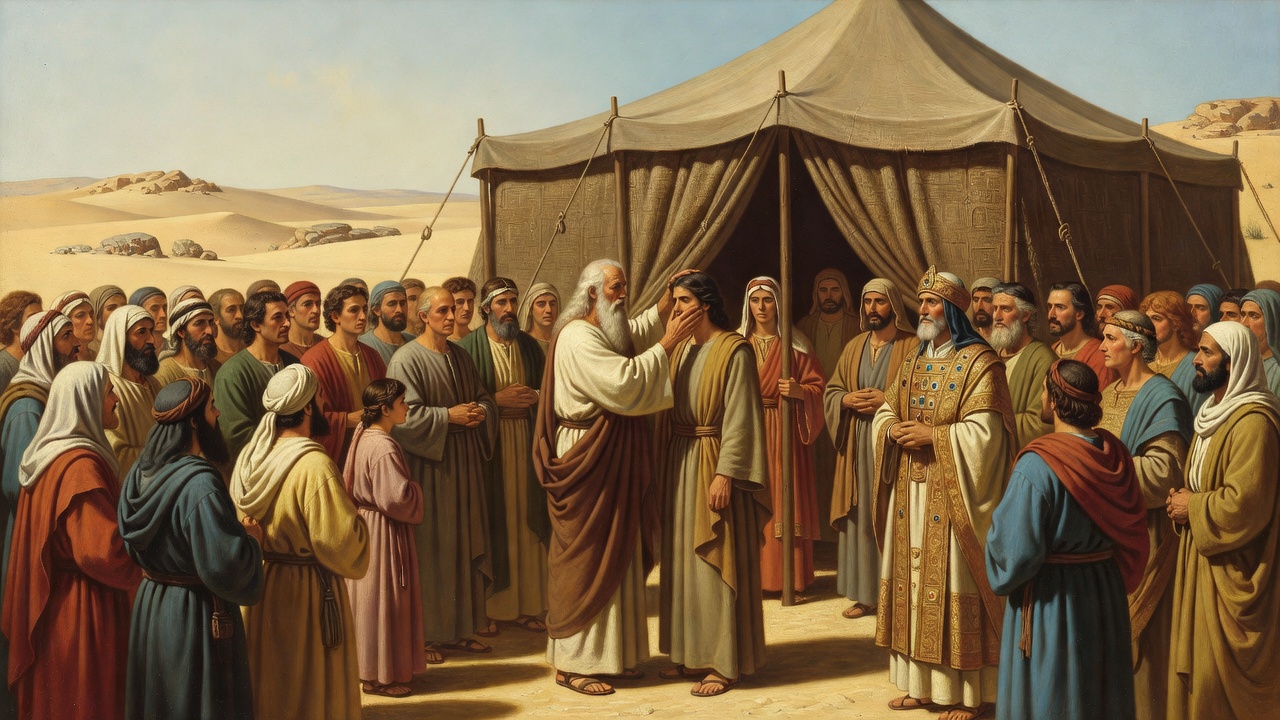
- To ensure the community would not be left like sheep without a shepherd, Moses publicly laid his hands on Joshua before high priest Eleazar and the congregation, formally commissioning him as his successor.Sources: Joshua · Eleazar · the Bible text itself
Notes written with AI assistance from open sources (Theographic Bible Metadata, CC BY-SA 4.0; Easton’s Bible Dictionary, public domain) and reviewed before publishing.
Places in this chapter
- Abarim · 31.754, 35.715 · verse 12
- Meribah · Today: Ain el Qudeirat · 30.648, 34.422 · verse 14
- Zin · Today: Zin Desert · 30.971, 35.325 · verse 14
Only places identified with high confidence are shown (90% or more according to the scholarly sources compiled by OpenBible). Period map: DARE (Digital Atlas of the Roman Empire), CC BY 4.0; modern map: © OpenStreetMap contributors; places: OpenBible.info (CC BY 4.0).
Credits and license for this translation
Bibeli Gusunɔn Gari
The Holy Bible in the Baatonum language of Benin, also called the Bariba language
copyright © 2013 SIM
Language: Bariba (Baatonum)
Translation by: SIM International
Bariba, Bibeli Gusunɔn Gari
This translation, published by the UEEB/SIM au Benin, was published in 1996.
If you are interested in obtaining a printed copy, please contact the SIM at SIM, BP 15, Parakou, Benin.
This translation text is made available to you under the
terms of the Creative Commons License: Attribution-Noncommercial-No Derivative Works.
( http://creativecommons.org/licenses/by-nc-nd/3.0/ )
In addition, you have permission to port the text to different file formats, as long as you
do not change any of the text or punctuation of the Bible.
You may share, copy, distribute, transmit, and extract portions
or quotations from this work, provided that you include the above copyright
information:
You must give Attribution to the work.
You do not sell this work for a profit.
You do not make any derivative works that change any of the actual words or punctuation of the Scriptures.
Permissions beyond the scope of this license may be
available if you contact
us with your request.
This translation is made available to you under the terms of the
Creative Commons Attribution-Noncommercial-No Derivatives license 4.0.
You may share and redistribute this Bible translation or extracts from it in any format, provided that:
You include the above copyright and source information.
You do not sell this work for a profit.
You do not change any of the words or punctuation of the Scriptures.
Pictures included with Scriptures and other documents on this site are licensed just for use with those Scriptures and documents.
For other uses, please contact the respective copyright owners.
2014-09-10
Source: http://ebible.org/bba/ · eBible.org