Numbers 11
Bibeli Gusunɔn Gari · Tap a verse to see its cross-references.
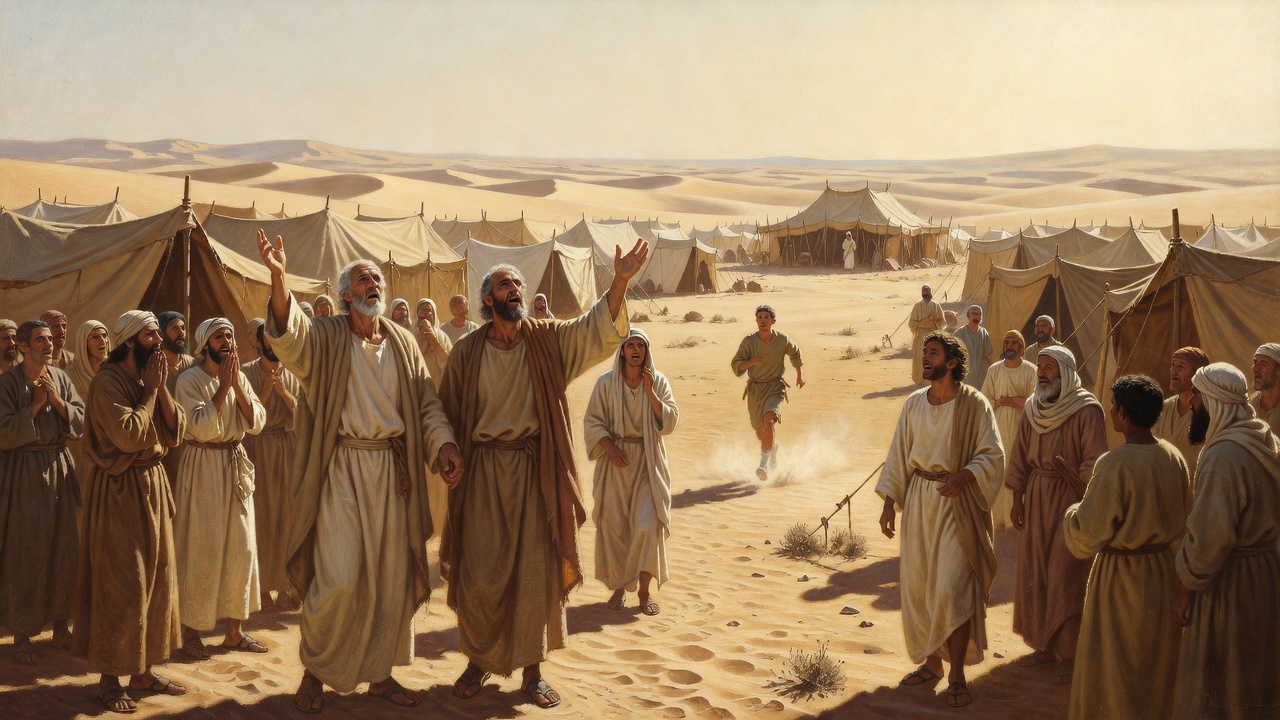
1Sɔ̃ɔ teeru Isirelibɑ bɑ kɑ Yinni Gusunɔ wɔki. Ye u nu nuɑ, yɑǹ nùn dore. Mɑ u kɑ bu mɔru kuɑ, u derɑ dɔ̃ɔ u nɑ u ben sɑnsɑnin bee tiɑ mwɑ. 2Yerɑ Isireli be, bɑ Mɔwisi wuri koosi. Mɑ u Yinni Gusunɔ kɑnɑ. Mɑ dɔ̃ɔ wi, u yɔ̃rɑ. 3Mɑ bɑ yɑm mi yĩsiru kɑ̃ Tɑberɑ, yèn sɔ̃ dɔ̃ɔ u yɑburɑ ben suunu sɔɔ.
Isirelibɑ
bɑ yɑɑ kɑnɑmɔ bu tem
4Sɔ̃ɔ teeru tɔn tukobu be bɑ Isirelibɑ swĩimɑ ben ɡbɛnubu seewɑ, kɑ sere mɑɑ Isirelibɑn tii bɑ wɔkinu toruɑ bɑ mɔ̀, wɑrɑ u koo sun yɑɑ wɛ̃ su tem. 5Domi sɑ yɑɑye swɛ̃ɛ yi sɑ rɑ rɑɑ wɑ su tem fɑɑrɑ kɑ ɡbɛsɛnu kɑ wĩɑru kɑ ɑyo kɑ ɑlumɑsɑnu kɑ ɑlumɑsɑnu ɡɑnu. 6Wee tɛ̃ sɑ ɡberɑmɔ sɑǹ mɑɑ ɡɑ̃ɑnu wɑɑmɔ sɑ dimɔ mɑ n kun mɔ mɑnnɑ.
7Mɑnnɑ ye, dĩɑ bim kpikɑ yɑ kɑ weenɛ. 8Wɔ̃kuru Gusunɔ u rɑ dewɑ yu sɑrɑmɑ kɑ kɑkoru kpɑ sisiru bururu tɔmbu bu yɑrimɑ bu ɡurɑ. Bɑ rɑ ye nɑmwɑ, ǹ kun mɛ bu suni soru sɔɔ. Kpɑ bu ye swɛ̃ wekerɔ. Bɑ rɑ mɑɑ kɑ ye kirɑru ko. Mɑnnɑ ye, yɑ rɑ n numɔwɑ nɡe kirɑ te bɑ sɔnwɑ.
10Mɔwisi u nuɑ mɑ Isirelibɑ bɑ wɔki yɛnu kɑ yɛnu, bwese kɛrɑ kɑ bwese kɛrɑ. Mɑ Yinni Gusunɔn mɔru seewɑ ɡem ɡem. 11Yerɑ Mɔwisin nukurɑ sɑnkirɑ, u Yinni Gusunɔ sɔ̃ɔwɑ u nɛɛ, mbɑn sɔ̃nɑ ɑǹ kɑ mɑn nɔnu ɡeu mɛɛrɑ. Mbɑn sɔ̃nɑ ɑ kɑ mɑn nuki sɑnkumɔ mɛ, ye ɑ kɑ mɑn tɔn be nɔmu bɛriɑ. 12Nɛnɑ nɑ tɔn ben ɡurɑ suɑ? Nɛnɑ nɑ bu mɑrɑ? Mbɑn sɔ̃nɑ ɑ mɑn sɔ̃ɔmɔ n bu bɔkio nɡe mɛ bii mɛro u rɑ win bii bɔki, kpɑ n kɑ bu dɑ sere mi ɑ ben bɑɑbɑbɑ nɔɔ mwɛɛru kuɑ. 13Mɑnɑ kon yɑɑ wɑ n tɔn beni kpuro wɛ̃. Domi wee bɑ mɑn wuri koosimɔ, bɑ mɔ̀, n bu yɑɑ wɛ̃ɛyɔ bu tem. 14Nɛ turo nɑǹ kpɛ̃ n bu sɔbe. Domi sɔmu ni, nu bunu. 15Nɑ nun kɑnɑmɔ, ɑ̀ n kɑ mɑn nɔnu ɡeu mɛɛrɑ, ye kɑɑ kɑ mɑn deri mɛsum, ɑ mɑn ɡoowo. A ku de nɑ n wɑ̃ɑ nɔni swɑ̃ɑru sɔɔ.
16Yinni Gusunɔ u Mɔwisi sɔ̃ɔwɑ u nɛɛ, ɑ mɑn Isirelibɑn ɡuro ɡurobu wɑtɑ kɑ wɔku te tɑ sɑ̃ɑ wiruɡibu mɛnnɑmɑ. A de bu nɑ nɛn kuu ten mi kɑ wunɛ sɑnnu. 17Miyɑ nɛn tii kon nɑ n ɡɑri ko. Kon Hunde wi u wɑ̃ɑ wunɛ sɔɔn dɑm sukum wunɑ n bu wɛ̃ kpɑ bu wɑ bu nun somi ɑ kɑ tɔn be kpɑrɑ. Kpɑ bɑ kun sɑ̃ɑ wunɛ turon sɔmunu. 18Kɑɑ Isirelibɑ sɔ̃ ɑ nɛɛ, bu tii dɛɛrɑsio siɑn sɔ̃. Bɑ koo yɑɑ tem domi nɑ ben wɔkinu nuɑ ni bɑ mɑn koosimɔ. Bɑ mɔ̀, wɑrɑ u koo bu yɑɑ wɛ̃ bu tem, domi sɑnɑm mɛ bɑ wɑ̃ɑ Eɡibitiɔ bɑ ye kpuro mɔ. Adɑmɑ tɛ̃ nɛ, Yinni Gusunɔ kon bu yɑɑ wɛ̃. 19N ǹ sɔ̃ɔ teeru tɔnɑ bɑ koo ye tem, ǹ kun mɛ, sɔ̃ɔ yiru, ǹ kun mɛ, sɔ̃ɔ nɔɔbu, ǹ kun mɛ sɔ̃ɔ wɔkuru, ǹ kun mɛ, sɔ̃ɔ yɛndu. 20Suru ɡirɑ bɑ koo ye tem sere yu yɑri ben wɛ̃run di, yu bu tusi. Domi bɑ nɛ, Yinni Gusunɔ yinɑ, nɛ wi nɑ wɑ̃ɑ ben suunu sɔɔ. Bɑ mɑn wɔkisi bɑ mɔ̀, mbɑn sɔ̃nɑ bɑ yɑrɑ Eɡibitin di.
21Mɔwisi u Yinni Gusunɔ wisɑ u nɛɛ, tɔn durɔbu nɔrɔbun subɑ nɑtɑwɑ (600.000) Isirelibɑ bɑ sɑ̃ɑ, bèn suunu sɔɔ nɑ wɑ̃ɑ. Yerɑ ɑ nɛɛ, kɑɑ bu yɑɑ wɛ̃ bu tem sere suru ɡirɑ mɑm mɑm? 22Domi wee, bɑɑ sɑ̀ n bɛsɛn yɑ̃ɑnu kɑ kɛtɛbɑ kpuro ɡo, ǹ kun mɛ su nim wɔ̃kun swɛ̃ɛ kpuro mwɛɛri, ye kpuro yɑǹ bu turi.
23Yinni Gusunɔ u Mɔwisi wisɑ u nɛɛ, ɑ tɑmɑɑ nɛ nɔm kpiribuɡiiwɑ? Tɛ̃ kɑɑ wɑ ye nɑ nun sɔ̃ɔwɑ yɑ̀ kun koo koorɑ.
Gusunɔ u win Hunde
Isirelibɑn ɡuro ɡurobu
wɑtɑ kɑ wɔku te wɛ̃
24Mɑ Mɔwisi u yɑrɑ u dɑ u Yinni Gusunɔn ɡɑri yi tɔn be sɔ̃ɔwɑ. U Isirelibɑn ɡuro ɡurobu wɑtɑ kɑ wɔkuru mɛnnɑ. Mɑ u derɑ bɑ sinɑ bɑ kɑ kuu te sikerenɑ. 25Yinni Gusunɔ u sɑrɑmɑ ɡuru wii wuroru sɔɔ. Mɑ u kɑ Mɔwisi ɡɑri kuɑ. Mɑ u Hunde ye u Mɔwisi wɛ̃n dɑm sukum suɑ u ɡuro ɡuro be wɛ̃. Mɑ ɡuro ɡuro be, bɑ sɑ̃ɑru wɔri nɡe Gusunɔn sɔmɔbu, ɑdɑmɑ n ǹ kɑ tɛ.
26Ben yiru ɡɑbu Ɛlidɑdi kɑ Mɛdɑdi bɑ sinɑ ben sɑnsɑniɔ, bɑǹ de Yinni Gusunɔn kuu ten mi. Adɑmɑ kɑ mɛ, Hunde u bu yɔɔwɑ. Mɑ bɑ mɑɑ sɑ̃ɑru mɔ̀ sɑnsɑni mi. 27Yerɑ ɑluwɑɑsi ɡoo u seewɑ u dɑ u ye Mɔwisi sɔ̃ɔwɑ u nɛɛ, wee Ɛlidɑdi kɑ Mɛdɑdi bɑ sɑ̃ɑru mɔ̀ nɡe Gusunɔn sɔmɔbu bɛsɛn sɑnsɑniɔ.
28Yerɑ Yosue Nunin bii, wi u sɑ̃ɑ Mɔwisin sɔm kowo sɑɑ win ɑluwɑɑsi piiburun di, u Mɔwisi sɔ̃ɔwɑ u nɛɛ, nɛn yinni, ɑ bu yinɑrio bu sɑ̃ɑ te ko.
29Mɔwisi u nùn sɔ̃ɔwɑ u nɛɛ, ɑ nisinu mɔ̀wɑ nɛn sɔ̃? Gusunɔ u de win Hunde yu du Isirelibɑ kpuro sɔɔ, kpɑ bu ko win sɔmɔbu.
30Yen biru Mɔwisi kɑ ɡuro ɡuro be, bɑ doonɑ sɑnsɑni yen min di.
Yinni Gusunɔ u Isirelibɑ
kusunu wɛ̃ bu tem
31Yerɑ Yinni Gusunɔ u woo seeyɑ sɑɑ nim wɔ̃kun di. Mɑ woo ɡe, ɡɑ kɑ kusunu nɑ nu tɛriɑ sɑnsɑni ye sɔɔ kpuro nɡe sɔ̃ɔ teerun sɑnum sɑkɑ. Kusu ni, nu tem wukiriwɑ ɡɔm soonu yirun sɑkɑ. 32Tɔ̃ɔ te, bɑ kusunu ɡurɑwɑ sere kɑ wɔ̃kurɔ. Yen sisiru bɑ mɑɑ ɡurɑ. Be bɑ ɡurɑ fiiko, berɑ bɑ kilo nɔrɔm nɔrɔm subɑ dɑbinu ɡurɑ. Mɑ bɑ kusu ni tɛriɑ bɑ kɑ ben sɑnsɑni sikerenɑ. 33Sɑnɑm mɛ bɑ kusu ni nɔɔ kpɛ̃ɛ, yerɑ Yinni Gusunɔn mɔru seewɑ mɑ u Isirelibɑ nɔni swɑ̃ɑ bɑkɑru kpɛ̃ɛ. 34Mɑ bɑ yɑm mi yĩsiru kɑ̃ kɔdɛn sikiru. Domi miyɑ bɑ bu sikɑ be bɑ binɛ kuɑ too yɑɑ ye sɔɔ.
35Sɑɑ min diyɑ Isirelibɑ bɑ seewɑ bɑ dɑ Hɑserɔtuɔ. Mɑ bɑ yɔ̃rɑ mi.
Yinni Gusunɔ u derɑ
bɑrɑ disiɡirɑ Mɑriɑmu wɔri
Did you know?
Complaints, Quail, and the Spirit in the Camp
- The places mentioned in this chapter derive their names from events during the journey: Taberah means "burning," named after fire consumed the outskirts of the camp, while Kibroth-hattaavah means "graves of longing" or "graves of lust," where those who craved meat were buried.Sources: Taberah · Kibroth-hattaavah · the Bible text itself
- Although seventy elders were selected to help Moses bear the responsibility of leadership, Eldad and Medad remained in the camp instead of going to the Tent of Meeting, yet the Spirit rested on them and they prophesied. When Joshua urged Moses to stop them, Moses replied that he wished all the Lord's people were prophets.Sources: Eldad · Joshua · the Bible text itself
- The text describes manna as resembling coriander seed and resin, which the Israelites gathered, ground with handmills or crushed in mortars, and boiled in pots or baked into cakes tasting like pastry prepared with fine oil.Sources: the Bible text itself
Notes written with AI assistance from open sources (Theographic Bible Metadata, CC BY-SA 4.0; Easton’s Bible Dictionary, public domain) and reviewed before publishing.
Places in this chapter
Only places identified with high confidence are shown (90% or more according to the scholarly sources compiled by OpenBible). Period map: DARE (Digital Atlas of the Roman Empire), CC BY 4.0; modern map: © OpenStreetMap contributors; places: OpenBible.info (CC BY 4.0).
Credits and license for this translation
Bibeli Gusunɔn Gari
The Holy Bible in the Baatonum language of Benin, also called the Bariba language
copyright © 2013 SIM
Language: Bariba (Baatonum)
Translation by: SIM International
Bariba, Bibeli Gusunɔn Gari
This translation, published by the UEEB/SIM au Benin, was published in 1996.
If you are interested in obtaining a printed copy, please contact the SIM at SIM, BP 15, Parakou, Benin.
This translation text is made available to you under the
terms of the Creative Commons License: Attribution-Noncommercial-No Derivative Works.
( http://creativecommons.org/licenses/by-nc-nd/3.0/ )
In addition, you have permission to port the text to different file formats, as long as you
do not change any of the text or punctuation of the Bible.
You may share, copy, distribute, transmit, and extract portions
or quotations from this work, provided that you include the above copyright
information:
You must give Attribution to the work.
You do not sell this work for a profit.
You do not make any derivative works that change any of the actual words or punctuation of the Scriptures.
Permissions beyond the scope of this license may be
available if you contact
us with your request.
This translation is made available to you under the terms of the
Creative Commons Attribution-Noncommercial-No Derivatives license 4.0.
You may share and redistribute this Bible translation or extracts from it in any format, provided that:
You include the above copyright and source information.
You do not sell this work for a profit.
You do not change any of the words or punctuation of the Scriptures.
Pictures included with Scriptures and other documents on this site are licensed just for use with those Scriptures and documents.
For other uses, please contact the respective copyright owners.
2014-09-10
Source: http://ebible.org/bba/ · eBible.org