Mark 14
Bibeli Gusunɔn Gari · Tap a verse to see its cross-references.
Wiruɡibɑ wesiɑnɑmɔ
bu kɑ Yesu ɡo
1N wee, n tie sɔ̃ɔ yiru bu kɑ Gɔɔ sɑrɑribu kɑ pɛ̃ɛ ye bɑ kun seeyɑtiɑ doken tɔ̃ɔ bɑkɑru ko. Mɑ yɑ̃ku kowo tɔnwerobu kɑ woodɑ yɛ̃robu bɑ swɑɑ kɑsu bu kɑ Yesu mwɑ ɑsiri sɔɔ bu ɡo, 2domi bɑ ɡerumɔ bɑ mɔ̀, n ǹ weenɛ bu ko tɔ̃ɔ bɑkɑ te sɔɔ, kpɑ n ku rɑɑ ko ɡɑri bɑkɑ tɔmbun suunu sɔɔ.
Kurɔ ɡoo turɑre yɛ̃kɑ
Yesun wirɔ
3Sɑnɑm mɛ Yesu u wɑ̃ɑ Betɑniɔ Simɔɔn yɛnuɔ wi u rɑɑ bɑrɑ disiɡiru mɔ, kurɔ ɡoo u nɑ win mi u too burɑru nɛni te bɑ kuɑ kɑ ɑbɑtiri, te tɑ turɑre ɡobi bɛkɛɡiɑ yibɑ ye bɑ kuɑ kɑ nɑɑdin ɡum. U too te kɔrɑ mɑ u turɑre ye yɛ̃kɑ Yesun wirɔ sɑnɑm mɛ u dimɔ. 4Gɑbu bɑ sɔ̃ɔnɑmɔ kɑ mɔru bɑ nɛɛ, mbɑn sɔ̃nɑ u turɑre ye kɑm koosiɑ. 5Sɑ ko rɑɑ kpĩ su ye dɔrɑ yu ko sɔm kowon wɔ̃ɔ tiɑn kɔsiɑrun sɑkɑ, kpɑ su ɡobi yi sɑ̃ɑrobu bɔnu kuɑ.
Mɑ bɑ kurɔ wi wɔkisi. 6Adɑmɑ Yesu u nɛɛ, i nùn derio. Mbɑ n kuɑ i kɑ nùn wɔkisimɔ. Gɑ̃ɑ burɑnɑ u mɑn kuɑ. 7Bɑɑdommɑwɑ sɑ̃ɑrobu bɑ wɑ̃ɑ bɛɛn suunu sɔɔ. Sɑnɑm bɑɑmɛre mɛ i kĩ, i ko kpĩ i bu durom kuɑ. Adɑmɑ nɛnɑ nɑ ǹ ko nɑ n wɑ̃ɑ kɑ bɛɛ kɑ bɑɑdommɑ. 8U kuɑ nɡe mɛ win mɔrɑ nɛ. U nɑwɑ u kɑ nɛn wɑsin sikubun sɔɔru ko bu sere yi sike. 9Kɑ ɡeemɑ nɑ bɛɛ sɔ̃ɔmɔ, bɑɑmɑ mi bɑ Lɑbɑɑri ɡeɑ wɑɑsu mɔ̀ hɑnduniɑ kpuro sɔɔ, bɑ koo mɑɑ kurɔ win ɡɑri ɡere ye u kuɑ minin sɔ̃, bɑ n kɑ nùn yɑɑye.
Yudɑsi u kĩ u Yesu yɑ̃ku kowo
tɔnwerobu nɔmu sɔndiɑ
10Yen biru Yudɑsi Isikɑriɔtu, bwɑ̃ɑbu wɔkurɑ yiru yen turo, u dɑ yɑ̃ku kowo tɔnwerobun mi u kɑ bu Yesu nɔmu sɔndiɑ. 11Ben nukurɑ dorɑ ɡem ɡem ye bɑ win ɡɑri nuɑ mɑ bɑ nùn ɡobi nɔɔ mwɛɛru kuɑ yi bɑ koo nùn kɛ̃. Mɑ u swɑɑ kɑsu nɡe mɛ u koo ko u kɑ Yesu bu nɔmu sɔndiɑ ù n sɑɑ wɑ.
Yesu u Gɔɔ sɑrɑribun yɑɑ dibu
dimɔ kɑ win bwɑ̃ɑbu
12Pɛ̃ɛ ye bɑ kun seeyɑtiɑ doken tɔ̃ɔ bɑkɑrun tɔ̃ɔ ɡbiikiru, tè sɔɔ bɑ rɑ Gɔɔ sɑrɑribun yɑ̃ɑnu ɡo, Yesun bwɑ̃ɑbɑ nɑ win mi bɑ nɛɛ, mɑnɑ ɑ kĩ su nun Gɔɔ sɑrɑribun yɑɑ dibun sɔɔru kuɑ.
13Yerɑ Yesu u win bwɑ̃ɑbun yiru ɡɔrɑ u bu sɔ̃ɔwɑ u nɛɛ, i doo wuu sɔɔ, i ko kɑ durɔ ɡoo yinnɑ u nim tooru sɔɔwɑ. I nùn swĩiyɔ. 14Yɛnu mi u duɑ, i yɛnu ɡen yɛ̃ro sɔ̃ɔwɔ i nɛɛ, yinni u nɛɛ, diru mɑnɑ wi kɑ win bwɑ̃ɑbu bɑ koo be Gɔɔ sɑrɑribun yɑɑ dibu di. 15Durɔ wi, u koo bɛɛ ɡidɑmbisɑ bɑkɑ sɔ̃ɔsi ye bɑ sɔɔru kuɑ kɑ ɡɑ̃ɑ nìn bukɑtɑ sɑ mɔ kpuro. Miyɑ i ko i sun Gɔɔ sɑrɑribun sɔɔru kuɑ.
16Mɑ bwɑ̃ɑ be, bɑ swɑɑ wɔri bɑ turɑ wuu ɡen mi, bɑ ye kpuro wɑ nɡe mɛ Yesu u rɑɑ bu sɔ̃ɔwɑ. Mɑ bɑ Gɔɔ sɑrɑribun yɑɑ dibu sɔɔru kuɑ.
17Ye n kuɑ yokɑ Yesu u dɑ mi kɑ win bwɑ̃ɑbu wɔkurɑ yiru ye. 18Ye bɑ sɔ̃ bɑ dimɔ Yesu u nɛɛ, kɑ ɡeemɑ nɑ bɛɛ sɔ̃ɔmɔ, bɛɛn turo wi u dimɔ kɑ nɛ sɑnnu u koo mɑn dɔmɛ.
19Yeyɑ bwɑ̃ɑ be kpuron nuki sɑnkirɑ, mɑ bɑ nùn bikiɑbu wɔri tiɑ tiɑ bɑ mɔ̀, ɑsɑ n ǹ nɛ.
20Mɑ Yesu u bu wisɑ u nɛɛ, bɛɛ wɔkurɑ yiru ye sɔɔ, nɛ kɑ wi sɑ ɡbɛ̃ɛ teeru sɔ̃rɑmɔ, wiyɑ. 21Kɑ ɡeemɑ, Tɔnun Bii u koo ɡbi nɡe mɛ Gusunɔn ɡɑri ɡerumɔ win sɔ̃. Adɑmɑ nɔni swɑ̃ɑruɡiiwɑ wi u koo nùn dɔmɛ. N sɑnɔ bɑ kun dɑɑ yɛ̃ro mɑrɑ.
Yinnin dĩɑ domɑruɡinu
22Mi bɑ dimɔ mi, Yesu u pɛ̃ɛ suɑ u Gusunɔ siɑrɑ mɑ u ye mururɑ u win bwɑ̃ɑbu wɛ̃. U nɛɛ, i mɔɔ, yeniwɑ nɛn wɑsi.
23U mɑɑ nɔrɑ suɑ u Gusunɔ siɑrɑ mɑ u bu wɛ̃, mɑ be kpuro bɑ nɔrɑ. 24Mɑ Yesu u nɛɛ, yeniwɑ nɛn yɛm mɛ mu Gusunɔn nɔɔ mwɛɛ kpɑɑru sire. Mu koo mɑɑ yɑri tɔn dɑbinun sɔ̃. 25Kɑ ɡeemɑ nɑ bɛɛ sɔ̃ɔmɔ, nɑ ǹ mɑɑ tɑm mɛni nɔrumɔ sere n kɑ ko sɑnɑm mɛ kon mɛn kpɑm nɔ bɑn te Gusunɔ u koo swĩi sɔɔ.
26Ye bɑ womusu kuɑ bɑ kpɑ, yerɑ bɑ yɑrɑ bɑ dɑ Olifin ɡuuru wɔllɔ.
Yesu u nɛɛ, Piɛɛ koo nùn siki
27Olifin ɡuuru miyɑ Yesu u bu sɔ̃ɔwɑ u nɛɛ, bɛɛ kpurowɑ i ko i biru wurɑ. Domi bɑ yoruɑ Gusunɔn ɡɑri sɔɔ bɑ nɛɛ, “Bɑ koo yɑ̃ɑ kpɑro ɡo, kpɑ yɑ̃ɑnu nu yɑrinɑ.” 28Adɑmɑ nɑ̀ n seewɑ ɡɔrin di kon bɛɛ ɡbiiyɑ Gɑlileɔ.
29Yerɑ Piɛɛ nùn sɔ̃ɔwɑ u nɛɛ, bɑɑ tɔmbu kpuro bɑ̀ n biru wurɑmɔ, n ǹ kɑ nɛ!
30Yesu u nùn sɔ̃ɔwɑ u nɛɛ, kɑ ɡeemɑ nɑ nun sɔ̃ɔmɔ, ɡisɔn wɔ̃ku te, sere ɡoo dɔɔ ɡu kɑ swĩ nɔn yiru, kɑɑ mɑn siki nɔn itɑ.
31Adɑmɑ Piɛɛ u nɔɔ ɡɛ̃ɛ dim dim u mɔ̀, nɑ ǹ nun sikimɔ pɑi. Bɑɑ ǹ n ɡɔɔn nɑ, sɑnnɑ sɑ ko ɡbi.
Mɛyɑ mɑɑ bwɑ̃ɑ be kpuro bɑ ɡeruɑ.
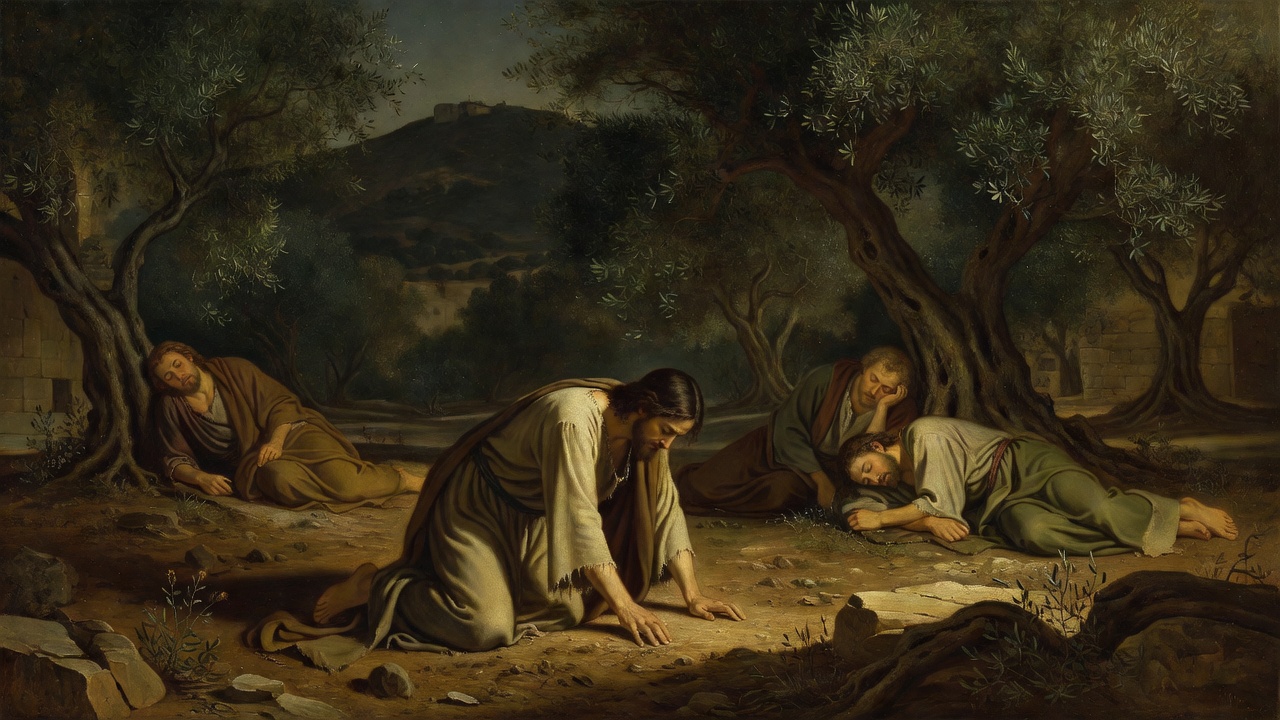
Yesu u kɑnɑru mɔ̀ Gɛsemɑnɛɔ
32Yen biru bɑ dɑ ɡɑm ɡum mi bɑ rɑ soku Gɛsemɑnɛ. Mɑ Yesu u win bwɑ̃ɑbu sɔ̃ɔwɑ u nɛɛ, bu sinɔ mi, kpɑ u dɑ u kɑnɑru ko.
33Mɑ u Piɛɛ kɑ Yɑkɔbu kɑ Yohɑnu sokɑ bɑ dɑ kɑ wi. Mɑ u nɑndɑ, win wɑsi dwiiyɑ. 34Yerɑ u bu sɔ̃ɔwɑ u nɛɛ, nɛn nukurɑ sɑnkirɑ sere n ɡɔɔ ɡum ɡirɑri. I yɔ̃ro mini kpɑ i n tii kpɑrenu sɑ̃ɑ.
35Yen biru u bu dɛsirɑri fiiko u kpunɑ u kibɑri u kɑnɑru kuɑ, ǹ n koo koorɑ, wɑhɑlɑn sɑɑ ye, yu nùn dɛsirɑri. 36Yerɑ u ɡeruɑ u nɛɛ, nɛn Bɑɑbɑ, kɑɑ kpĩ ɑ ɡɑ̃ɑnu kpuro ko. A de wɑhɑlɑ ye, yu mɑn dɛsirɑri. Adɑmɑ ɑ ku nɛn ɡɔ̃ru kĩru ko mɑ n kun mɔ wunɛɡiru.
37Mɑ u wurɑmɑ bwɑ̃ɑbu itɑ ben mi, u deemɑ bɑ dò. Mɑ u Piɛɛ bikiɑ u nɛɛ, Simɔɔ ɑ dòwɑ? A kpɑnɑ ɑ n wɑsi bɑɑ kɔbi tiɑ? 38I n tii kpɑrenu sɑ̃ɑ i n kɑnɑru mɔ̀, kpɑ i ku rɑ du kɔkiribu sɔɔ. Kɑ ɡeemɑ, tɔnun ɡɔ̃ru ɡɑ kĩ ɑdɑmɑ wɑsi yen dɑm bie.
39Mɑ u kpɑm wurɑ u kɑnɑru kuɑ. Gɑri tee yiyɑ u ɡerumɔ. 40Ye u kpɑm wurɑmɑ u deemɑ bɑ do domi ben nɔni buniɑ. Bɑ ǹ mɑɑ yɛ̃ ye bɑ koo nùn sɔ̃.
41Ye u wurɑmɑ ben mi nɔn itɑse u bu sɔ̃ɔwɑ u nɛɛ, i den dweeyo tɛ̃, kpɑ i wɛ̃rɑ. N turɑ mɛ. Sɑɑ ye, yɑ tunumɑ kɔ. N wee, bɑ Tɔnun Bii tɔn kɔ̃sobu nɔmu sɔndiɑmmɛ. 42I seewo su doonɑ. Wee, wi u mɑn dɔmɛmɔ u sisi.
Yesun mwɑɑbu
43Yesu kun ɡɑri yi ɡerum kpɑ Yudɑsi kɑ tunumɑ yɑnde, bwɑ̃ɑbu wɔkurɑ yiru yen turo. Tɔn dɑbirɑ nùn swĩi bɑ tɑkobibɑ kɑ bokunu nɛni. Yɑ̃ku kowo tɔnwerobu kɑ woodɑ yɛ̃robu kɑ ɡuro ɡurobɑ bɑ bu ɡɔrɑ. 44N deemɑ dɔmɛ wi, u rɑɑ tɔn be sɔ̃ɔwɑ yĩre te u koo ko. U nɛɛ, durɔ wi u koo nɛnɛ u bɔkɑsi, wiyɑ mi, bu nùn mɔɔ, bu nɛnɛ kem kem bu kɑ doonɑ. 45Ye Yudɑsi tunumɑ, mii mii u dɑ Yesun mi, mɑ u nɛɛ, yinni.
Mɑ u nùn bɔkɑsi. 46Yerɑ tɔn be, bɑ nɔmu dɛmiɑ bɑ Yesu mwɑ. 47Adɑmɑ be bɑ yɔ̃ min turo u win tɑkobi womɑ, mɑ u yɑ̃ku kowo tɔnweron yoon soo sɔ̃rɑ u burɑ. 48Yerɑ Yesu bu bikiɑ u nɛɛ, nɛnɑ bɛɛ i mwɑɑbu nɑ kɑ tɑkobibɑ kɑ bokunu nɡe swɑɑ dio? 49Bɑɑdommɑwɑ nɑ rɑ n kɑ bɛɛ wɑ̃ɑ sɑ̃ɑ yerɔ nɑ n keu sɔ̃ɔsimɔ, mɑ i ǹ mɑn mwɛ. Adɑmɑ Gusunɔn ɡɑri yi ǹ koo ko yi kun koore.
50Yerɑ bwɑ̃ɑ be kpuro bɑ yɑrinɑ bɑ nùn deri.
51Aluwɑɑsi ɡoo mɑɑ Yesu swĩi biruɔ u bekuru wukiri. Yerɑ ɡɑbɑ kĩ bu nùn mwɑ, 52ɑdɑmɑ u dukɑ tereru, u bu bekuru deriɑ.
Bɑ Yesu sirimɔ
Yuubɑn tɔnwerobun mɛnnɔ yerɔ
53Sɑnɑm mɛyɑ bɑ kɑ Yesu dɑ yɑ̃ku kowo tɔnweron yɛnuɔ mi yɑ̃ku kowo tɔnwerobu kɑ ɡuro ɡurobu kɑ mɑɑ woodɑ yɛ̃robu bɑ mɛnnɛ. 54Mɑ Piɛɛ u bu swĩi dɑndɑnkuru sere kɑ yɑ̃ku kowo tɔnweron yɛnu yɑɑrɑɔ. Miyɑ u sinɑ, wi kɑ tɑbu kowobu sɑnnu bɑ dɔ̃ɔ wɔ̃su.
55Yɑ̃ku kowo tɔnwerobu kɑ mɑɑ ɡuro ɡurobun mɛnnɔ ɡe kpuro bɑ seedɑ kɑsu ye bɑ koo Yesu mɑni bu kɑ nùn ɡo. Adɑmɑ bɑ ǹ wɑ. 56Domi tɔn dɑbiru tɑ nùn seedɑ weesuɡiɑ diisimɔ ɑdɑmɑ seedɑɡii be, bɑ ǹ nɔɔ tiɑ sɑ̃ɑ.
57Yerɑ ɡɑbɑ seewɑ bɑ nùn weesu mɑni bɑ nɛɛ, 58bɛsɛ sɑ nuɑ u nɛɛ u koo sɑ̃ɑ yeru surɑ te bɑ kɑ nɔmɑ bɑnɑ, kpɑ sɔ̃ɔ itɑn bɑɑ sɔɔ u be ten kpɑɑru bɑni te bɑ ǹ kɑ nɔmɑ bɑnɛ.
59Kɑ mɛ, bɑɑ ɡɑri yinin tii sɔɔ bɑ ǹ nɔɔ tiɑ kue.
60Mɑ yɑ̃ku kowo tɔnwero u seewɑ u yɔ̃rɑ be kpuron wuswɑɑɔ, u Yesu bikiɑ u nɛɛ, ɑ ǹ ɡɛɛ wisimɔ? Mbɑ tɔn beni bɑ nun sɑɑrisimɔ.
61Adɑmɑ Yesu u mɑɑri piti, u ǹ bu ɡɑ̃ɑnu wisɑ. Yerɑ yɑ̃ku kowo tɔnwero wi, u kpɑm nùn bikiɑ u nɛɛ, wunɑ Kirisi wi? Gusunɔ Yinni wi sɑ siɑrɑmɔn Bii?
62Mɑ Yesu u nɛɛ, oo, nɛnɑ mi. Sɔ̃ɔ teeru i ko Tɔnun Bii wɑ u sɔ̃ Dɑm Kpuroɡiin nɔm ɡeuɔ, u wee wɔllun di ɡuru winu sɔɔ.
63Sɑnɑm mɛyɑ yɑ̃ku kowo tɔnwero u win tiin yɑberu nɛnuɑ u kɑrɑnɑ, mɑ u nɛɛ, ee, seedɑ yerɑ̀ i mɑɑ kɑsu. 64Bɛɛ i nuɑ ɡɑri kɑm yi u ɡeruɑ. Amɔnɑ i wɑ durɔ wi sɔɔ.
Mɑ be kpuro bɑ nùn tɑɑrɛ wɛ̃ bɑ nɛɛ, bu nùn ɡo.
65Yerɑ ben ɡɑbɑ yɑnde nùn yɑ̃ɑtɑm siem wɔri, bɑ win nɔni wɔ̃kuɑ, mɑ bɑ nùn nɔm kusɑ soomɔ, bɑ nɛɛ u tubuo wi u nùn soomɔ.
Mɑ tɑbu kowobu bɑ nùn mwɑ bɑ soomɔ.
Piɛɛ u Yesu siki
66Sɑnɑm mɛ Piɛɛ u wɑ̃ɑ yɛnu yɑɑrɑɔ, yerɑ wɔndiɑ ɡoo wi u sɔmburu mɔ̀ yɑ̃ku kowo tɔnweron mi u nɑ mi. 67Ye u Piɛɛ wɑ u dɔ̃ɔ wɔ̃su, u nùn mɛɛrɑ tii. Yerɑ u nɛɛ, wunɛ mɑɑ, ɑ rɑɑ wɑ̃ɑ kɑ Yesu Nɑsɑrɛtiɡii sɑnnu.
68Adɑmɑ Piɛɛ u ɡɑri yi siki, u nɛɛ, nɑ ǹ yɛ̃ fɑ, yɑ ǹ mɑn yeeri ye ɑ ɡerumɔ.
Mɑ u yɑrɑ u dɑ ɡonɡoroso ɡiɑ. [Sɑɑ yerɑ ɡoo dɔɔ ɡɑ swĩ.] 69Wɔndiɑ sɔm kowo wi, u kpɑm nùn wɑ mi, mɑ u be bɑ yɔ̃ mi sɔ̃ɔwɑ u nɛɛ, durɔ win tɔmbun turowɑ mini.
70Adɑmɑ Piɛɛ u kpɑm ɡɑri yi siki. Ye n tɛ fiiko, be bɑ yɔ̃ mi bɑ Piɛɛ sɔ̃ɔwɑ bɑ nɛɛ, kɑ ɡem, wunɛ tɔn ben turowɑ domi wunɛn tii Gɑlileɡiiwɑ.
71Yerɑ Piɛɛ u bɔ̃ruɑ u sɔnnɑ u nɛɛ, nɑ ǹ durɔ wi yɛ̃ wi bɛɛ i kɑ yɑ̃ mini.
72Mii mii mɑ ɡoo dɔɔ ɡɑ swĩ nɔn mɛɛruse. Yerɑ u Yesun ɡɑri yɑɑyɑ yi u rɑɑ nùn sɔ̃ɔwɑ u nɛɛ, sere ɡoo dɔɔ ɡu kɑ swĩ nɔn yiru, u koo nùn siki nɔn itɑ. Mɑ u swĩi wɔri.
Did you know?
Anointing, Betrayal, and Arrest
- The anointing took place in Bethany, a village on the south-eastern slope of the Mount of Olives, about two miles east of Jerusalem on the road to Jericho. There Jesus reclined at table in the house of Simon the Leper while a woman broke open an alabaster jar of pure nard and poured it on his head.Sources: Bethany · Simon · the Bible text itself
- After the meal, Jesus and the Twelve sang a hymn and went out to the Mount of Olives, a ridge east of Jerusalem, separated from the city by the Kidron valley and named for the olive trees covering its slopes. At its foot lay Gethsemane, an olive yard whose name means "oil-press," where Jesus was accustomed to withdraw with his disciples.Sources: Mount of Olives · Gethsemane · the Bible text itself
- Judas, surnamed Iscariot, that is, a man of Kerioth, is always named last among the apostles in the lists of the first three Gospels. After the anointing he went to the chief priests to betray Jesus; they were delighted and promised him money, and he later identified Jesus to the armed crowd by a kiss.Sources: Judas Iscariot · the Bible text itself
Notes written with AI assistance from open sources (Theographic Bible Metadata, CC BY-SA 4.0; Easton’s Bible Dictionary, public domain) and reviewed before publishing.
Places in this chapter
- Jerusalem · 31.777, 35.234 · verse 13
- Mount of Olives · 31.778, 35.246 · verse 26
- Galilee · 32.760, 35.527 · verse 28
- Gethsemane · 31.779, 35.239 · verse 32
- Nazareth · 32.702, 35.298 · verse 67
Only places identified with high confidence are shown (90% or more according to the scholarly sources compiled by OpenBible). Period map: DARE (Digital Atlas of the Roman Empire), CC BY 4.0; modern map: © OpenStreetMap contributors; places: OpenBible.info (CC BY 4.0).
Credits and license for this translation
Bibeli Gusunɔn Gari
The Holy Bible in the Baatonum language of Benin, also called the Bariba language
copyright © 2013 SIM
Language: Bariba (Baatonum)
Translation by: SIM International
Bariba, Bibeli Gusunɔn Gari
This translation, published by the UEEB/SIM au Benin, was published in 1996.
If you are interested in obtaining a printed copy, please contact the SIM at SIM, BP 15, Parakou, Benin.
This translation text is made available to you under the
terms of the Creative Commons License: Attribution-Noncommercial-No Derivative Works.
( http://creativecommons.org/licenses/by-nc-nd/3.0/ )
In addition, you have permission to port the text to different file formats, as long as you
do not change any of the text or punctuation of the Bible.
You may share, copy, distribute, transmit, and extract portions
or quotations from this work, provided that you include the above copyright
information:
You must give Attribution to the work.
You do not sell this work for a profit.
You do not make any derivative works that change any of the actual words or punctuation of the Scriptures.
Permissions beyond the scope of this license may be
available if you contact
us with your request.
This translation is made available to you under the terms of the
Creative Commons Attribution-Noncommercial-No Derivatives license 4.0.
You may share and redistribute this Bible translation or extracts from it in any format, provided that:
You include the above copyright and source information.
You do not sell this work for a profit.
You do not change any of the words or punctuation of the Scriptures.
Pictures included with Scriptures and other documents on this site are licensed just for use with those Scriptures and documents.
For other uses, please contact the respective copyright owners.
2014-09-10
Source: http://ebible.org/bba/ · eBible.org