Matthew 9
Bibeli Gusunɔn Gari · Tap a verse to see its cross-references.
Yesu u durɔ ɡoo bɛkiɑ
wìn wɑsin bee tiɑ ɡu
1Yesu u ɡoo nimkuu duɑ mɑ u wure u dɑɑ bure te tɔburɑ, mɑ u turɑ win tiin wuuɔ. 2Tɔmbu ɡɑbu bɑ kɑ nùn durɔ ɡoo nɑɑwɑ wìn wɑsin bee tiɑ yɑ ɡu. Durɔ wi, u kpĩ kpinu wɔllɔ. Ye Yesu u ben nɑɑnɛ dokebu wɑ, u bɑrɔ wi sɔ̃ɔwɑ u nɛɛ, bii durɔbu, ɑ ku mwiɑ kpɑnɑ, ɑ wunɛn durum suuru wɑ.
3Mɑ woodɑ yɛ̃robu ɡɑbɑ bwisikɑ bɑ tii sɔ̃ɔwɑ bɑ nɛɛ, durɔ wini u Gusunɔ wɔmmɔwɑ.
4Yesu u yɛ̃ ye bɑ bwisikumɔ mɑ u nɛɛ, mbɑn sɔ̃nɑ i kɔ̃sɑ bwisikumɔ bɛɛn ɡɔ̃ruɔ. 5Yerɑ̀ yɑ sɛ̃sɔ bo, n tɔnu sɔ̃ u win durum suuru wɑ, ǹ kun mɛ n nùn sɔ̃ u seewo u sĩ. 6Nɑ kĩ i n yɛ̃ mɑ Tɔnun Bii u yiiko mɔ hɑnduniɑ sɔɔ u kɑ tɔnun durum suuru ko.
Yen sɔ̃nɑ u bɑrɔ wi sɔ̃ɔwɑ u nɛɛ, ɑ seewo ɑ wunɛn kpinu suɑ kpɑ ɑ we yɛnuɔ.
7Durɔ wi, u seewɑ mɑ u sĩɑ win yɛnuɔ. 8Ye tɔn be, bɑ yeni wɑ bɛrum bu mwɑ mɑ bɑ Gusunɔ siɑrɑ yèn sɔ̃ u yiiko yen bweseru tɔnu wɛ̃.
Yesu u Mɑteu sokɑ
9Yesu u doonɑ min di. Ye u sĩimɔ swɑɑɔ u ɡbere mwɑɔ ɡoo wɑ wi bɑ rɑ soku Mɑteu u sɔ̃ ɡbere yerɔ. Mɑ u nùn sɔ̃ɔwɑ u nɛɛ, ɑ mɑn swĩiyɔ.
Mɑ Mɑteu u seewɑ u nùn swĩi.
10Ye Yesu u dimɔ durɔ win yɛnuɔ, ɡbere mwɑɔbu kɑ kɔ̃sɑn kowobu dɑbinu bɑ nɑ bɑ sinɑ kɑ Yesu kɑ win bwɑ̃ɑbu sɑnnu. 11Fɑlisi ɡɑbɑ wɑ mɛ, mɑ bɑ win bwɑ̃ɑbu bikiɑ bɑ nɛɛ, mbɑn sɔ̃nɑ bɛɛn yinni u dimɔ kɑ ɡbere mwɑɔbu kɑ kɔ̃sɑn kowobu.
12Yesu u ben ɡɑri yi nuɑ mɑ u nɛɛ, be bɑ bwɑ̃ɑ do bɑ ǹ timɡiin bukɑtɑ mɔ mɑ n kun mɔ be bɑ bɑrɔ. 13I doo i Gusunɔn ɡɑrin tubusiɑnu kɑsu yi yi nɛɛ, “Wɔnwɔndɑ nɑ kĩ, n ǹ mɔ yɑ̃kuru.” Domi nɑ ǹ nɛ n kɑ ɡeeɡibu soku mɑ n kun mɔ torobu.
Nɔɔ bɔkurun ɡɑri
14Mɑ Yohɑnu Bɑtɛmu kowon bwɑ̃ɑbɑ nɑ Yesun mi bɑ bikiɑ bɑ nɛɛ, mbɑn sɔ̃nɑ bɛsɛ kɑ Fɑlisibɑ sɑ rɑ nɔɔ bɔke, ɑdɑmɑ wunɛ, wunɛn bwɑ̃ɑbu bɑ ku rɑ nɔɔ bɔke.
15Yesu u bu wisɑ u nɛɛ, be bɑ sokɑ kurɔ kpɑɑ yerɔ bɑ ko n nukuru sɑnkire sɑnɑm mɛ kurɔ kpɑon durɔ wɑ̃ɑ ben suunu sɔɔ? Aɑwo, ɑdɑmɑ sɑɑ yɑ sisi yè sɔɔ bɑ koo kurɔ kpɑon durɔ wɔrɑ ben min di. Sɑɑ yerɑ bɑ koo nɔɔ bɔke.
16Goo ku rɑ yɑ̃ɑ tɔkɔnu kɔre kɑ yɑsi kpɑɑ ye bɑ ǹ nim doke. Ù n kuɑ mɛ, yɑsi kpɑɑ ye, yɑ koo ɡɑwɑnɑ kpɑ yu yɑ̃ɑ tɔkɔ ni ɡĩɑm sosi. 17Goo ku rɑ mɑɑ tɑm kpɑm doke ɡɔnɑn bɔɔ tɔkɔnu sɔɔ. Ù n kuɑ mɛ, bɔɔ ni, nu koo kurɑ kpɑ tɑm mɛ, mu yɑri kpɑ bɔɔnu nu sɑnkirɑ. Adɑmɑ bɑ rɑ tɑm kpɑm wisiwɑ ɡɔnɑn bɔɔ kpɑɑnu sɔɔ. Sɑnɑm mɛ, ye yiru yen ɡɑɑ kun sɑnkirɑmɔ.
Wiruɡii ɡoon bii kɑ kurɔ wi u Yesun yɑberu bɑbɑn ɡɑri
18Sɑnɑm mɛ Yesu u bu yeni sɔ̃ɔmɔ wiruɡii ɡoo u nɑ u yiirɑ win wuswɑɑɔ u nɛɛ, nɛn bii tɔn kurɔ u ɡu tɛ̃, ɑdɑmɑ ɑ nɑ ɑ nùn nɔmu sɔndi kpɑ u se.
19Mɑ Yesu u seewɑ kɑ win bwɑ̃ɑbu bɑ durɔ wi swĩi.
20Sɑnɑm mɛ bɑ dɔɔ, kurɔ ɡoo wi u yɛm wĩibu bɑrɔ sɑɑ wɔ̃ɔ wɔkurɑ yirun di, u susi Yesun biruɔ u win yɑberun swɑɑ buɑ bɑbɑ. 21U ɡeruɑ win tiin ɡɔ̃ruɔ u nɛɛ, ù n ɡesi win yɑberu bɑbɑ u koo bɛkurɑ.
22Yesu u sĩirɑ u nùn wɑ mɑ u nɛɛ, kurɔ wunɛ, ɑ ku mwiɑ kpɑnɑ, wunɛn nɑɑnɛ dokebu nun bɛkiɑ.
Yɑnde mɑ kurɔ wi, u bɛkurɑ.
23Ye Yesu u turɑ wiruɡii win dirɔ, yerɑ u deemɑ ɡɑbɑ ɡuunu soomɔ mɑ be kpuro bɑ sirenɛ. 24Mɑ u nɛɛ, i yɑrio bɛɛ kpuro, wɔndiɑ wi kun ɡu, u dowɑ.
Mɑ be kpuro bɑ nùn yɑɑkoru wɔri. 25Ye bɑ tɔmbu yɑrɑ bɑ kpɑ Yesu u duɑ u wɔndiɑ win nɔmu nɛnuɑ, mɑ wɔndiɑ wi, u seewɑ. 26Yenin lɑbɑɑri yɑ kpɑrɑrɑwɑ tem mɛ kpuro sɔɔ.
Yesu u wɔ̃kobu yiru bɛkiɑ
27Yesu u doonɑ min di. Nɡe mɛ u win sɑnum dɔɔ, wɔ̃kobu yiru ɡɑbɑ nùn swĩi. Bɑ nɔɔɡiru sue bɑ mɔ̀, Dɑfidin sikɑdobu, ɑ bɛsɛn wɔnwɔndu wɑɑwo.
28Ye Yesu u duɑ dirɔ wɔ̃ko be, bɑ nɑ win mi, mɑ u bu bikiɑ u nɛɛ, i nɑɑnɛ sɑ̃ɑ mɑ kon kpĩ n yeni ko?
Mɑ bɑ nɛɛ, mɛyɑ Yinni.
29Sɑnɑm mɛyɑ Yesu ben nɔni bɑbɑ mɑ u nɛɛ, n bɛɛ kooro nɡe mɛ i nɑɑnɛ sɑ̃ɑ.
30Mɑ bɑ yɑm wɑ. Yerɑ Yesu u bu sɔ̃ɔwɑ u sire u nɛɛ, bu ku rɑɑ ɡoo yeni sɔ̃.
31Adɑmɑ ye bɑ doonɑ min di kese bɑ win lɑbɑɑri kpɑrɑm wɔri tem mɛ kpuro sɔɔ.
Yesu u soso bɛkiɑ
32Ye tɔn be, bɑ doonɑ mɑ ɡɑbɑ kɑ durɔ ɡoo nɑ Yesun mi, wi u sɑ̃ɑ soso yèn sɔ̃ u wɛrɛku ɡɑɡu mɔ win wɑsi sɔɔ. 33Sɑnɑm mɛ Yesu u wɛrɛku ɡe ɡirɑ durɔ wi, u ɡɑri ɡerubu wɔri. Mɑ tɔmbɑ biti kuɑ mɑ bɑ nɛɛ, sɑ ǹ yenin bweseru wɑɑre Isireli sɔɔ.
34Adɑmɑ Fɑlisibɑ nɛɛ, wɛrɛkunun wiruɡiiwɑ u nùn dɑm wɛ̃ u kɑ nu ɡirɑ.
Yesu u tɔmbu wɔnwɔndu kuɑ
35Yesu u bɔsu wuu mɑrosu kpuro sɔɔ kɑ bɑru kpɑɑnɔ. U keu sɔ̃ɔsimɔ ben mɛnnɔ yenɔ u Gusunɔn bɑndun Lɑbɑɑri ɡeɑ kpɑrɑmɔ, mɑ u tɔmbu bɛkiɑmɔ sɑɑ bɑrɑru kɑ wɑsin dɑm sɑriru bwese bwesekɑn di. 36Ye u tɔn wɔrusu wɑ ben wɔnwɔndɑ nùn mwɑ yèn sɔ̃ bɑ wurure mɑ bɑ yɑrinɛ nɡe yɑ̃ɑ ni nu kun kpɑro mɔ. 37Mɑ u win bwɑ̃ɑbu sɔ̃ɔwɑ u nɛɛ, ye yɑ ye bu kɑ ɡɛ̃ yɑ kpɑ̃, ɑdɑmɑ be bɑ ɡɛ̃ɛmɔ bɑ ǹ dɑbi. 38Yen sɔ̃, i ɡbee yɛ̃ro kɑnɔ u kpɑm tɔmbu mɔrisiɑmɑ bu kɑ ɡɛ̃.
Did you know?
Mercy, Healing, and New Wine
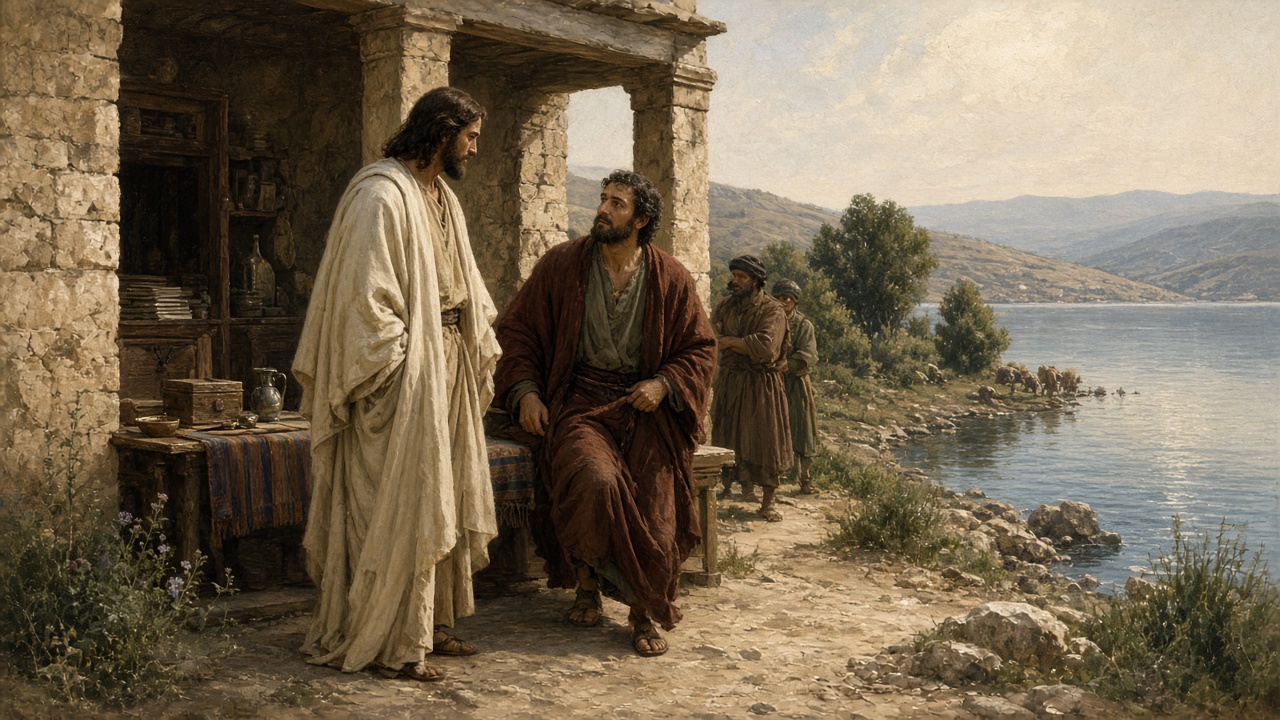
- Matthew, son of Alphaeus, was a publican, or tax collector, at Capernaum. Jesus, coming up from the side of the lake, passed the custom-house where Matthew sat and said, “Follow me.” He had formerly been known as Levi; that same day he gave a great feast, described as a farewell, for Jesus, the disciples, and probably many of his old associates.Sources: Matthew · the Bible text itself
- Those who ask why they and the Pharisees fast so often, while Jesus’ disciples do not, are disciples of John the Baptist. John is called the forerunner; he was of priestly descent, his father Zacharias a priest of the course of Abia and his mother Elisabeth one of the daughters of Aaron.Sources: John the Baptist · the Bible text itself
- One chronology places the healing of the paralyzed man, the call of Matthew, the question about fasting, and the parable of the wineskins in AD 28.Sources: Healing the Man with Palsy · Jesus Calls Matthew · Fasting Question · Parable of the Winseskins
Notes written with AI assistance from open sources (Theographic Bible Metadata, CC BY-SA 4.0; Easton’s Bible Dictionary, public domain) and reviewed before publishing.
Places in this chapter
- Sea of Galilee · 32.819, 35.590 · verse 1
Only places identified with high confidence are shown (90% or more according to the scholarly sources compiled by OpenBible). Period map: DARE (Digital Atlas of the Roman Empire), CC BY 4.0; modern map: © OpenStreetMap contributors; places: OpenBible.info (CC BY 4.0).
Credits and license for this translation
Bibeli Gusunɔn Gari
The Holy Bible in the Baatonum language of Benin, also called the Bariba language
copyright © 2013 SIM
Language: Bariba (Baatonum)
Translation by: SIM International
Bariba, Bibeli Gusunɔn Gari
This translation, published by the UEEB/SIM au Benin, was published in 1996.
If you are interested in obtaining a printed copy, please contact the SIM at SIM, BP 15, Parakou, Benin.
This translation text is made available to you under the
terms of the Creative Commons License: Attribution-Noncommercial-No Derivative Works.
( http://creativecommons.org/licenses/by-nc-nd/3.0/ )
In addition, you have permission to port the text to different file formats, as long as you
do not change any of the text or punctuation of the Bible.
You may share, copy, distribute, transmit, and extract portions
or quotations from this work, provided that you include the above copyright
information:
You must give Attribution to the work.
You do not sell this work for a profit.
You do not make any derivative works that change any of the actual words or punctuation of the Scriptures.
Permissions beyond the scope of this license may be
available if you contact
us with your request.
This translation is made available to you under the terms of the
Creative Commons Attribution-Noncommercial-No Derivatives license 4.0.
You may share and redistribute this Bible translation or extracts from it in any format, provided that:
You include the above copyright and source information.
You do not sell this work for a profit.
You do not change any of the words or punctuation of the Scriptures.
Pictures included with Scriptures and other documents on this site are licensed just for use with those Scriptures and documents.
For other uses, please contact the respective copyright owners.
2014-09-10
Source: http://ebible.org/bba/ · eBible.org