Malachi 2
Bibeli Gusunɔn Gari · Tap a verse to see its cross-references.
1Nɛ Gusunɔ wɔllu kɑ tem Yinni, nɑ nɛɛ, bɛɛ yɑ̃ku kowobu, bɛɛyɑ nɑ woodɑ yeni wɛ̃ɛmɔ. 2Ì n mɑɑ yinɑ i ye mɛm nɔɔwɑ kpɑ i kun mɑn bɛɛrɛ wɛ̃, kon bɛɛ bɔ̃rusi. Kpɑ domɑ te i rɑɑ mɔ, tu ɡɔsiɑ bɔ̃ri. Domi i ǹ nɛn woodɑbɑ ɡɑrisi ɡɑ̃ɑnu bɛɛn ɡɔ̃ruɔ. 3Wee kon bɛɛn bibun bweseru kɑm koosiɑ. Kpɑ n bɛɛn yɑɑ sɑbe ni i kɑ yɑ̃kuru mɔ̀n bisu wisi bɛɛn wuswɑɑɔ. Kpɑ bu bɛɛ ɡurɑ bu kubɑ kɑ bii si sɑnnu. 4Sɑɑ ye sɔɔ, i ko ɡiɑ mɑ nɛ, Gusunɔ wɔllu kɑ tem Yinniwɑ nɑ bɛɛ kirɔ ye kuɑ n kɑ nɛn ɑrukɑwɑni sire ye nɑ kɑ yɑ̃ku kowobu be bɑ sɑ̃ɑ Lefin bweseru bɔkuɑ. 5Arukɑwɑni ye nɑ kɑ bu bɔkuɑ yɑ sɑ̃ɑwɑ wɑ̃ɑru kɑ bɔri yɛnduɡiɑ. Mɑ nɑ bu wɑ̃ɑ te, kɑ bɔri yɛn te wɛ̃ kpɑ bu kɑ mɑn nɑsiɑ. Mɛyɑ bɑ mɑɑ mɑn nɑsiɑ. Mɑ bɑ diirɑ nɛn yĩsirun sɔ̃. 6Gemɑ bɑ rɑ ɡere. Kɔ̃sɑ ɡɑɑ sɑri ben nɔɔ sɔɔ. Bɔri yɛndu kɑ ɡem sɔɔrɑ bɑ sĩɑ nɛn swɑɑ sɔɔ. Mɑ bɑ tɔn dɑbinu ɡbɑrɑ kɔ̃sɑn di. 7N weenɛwɑ yɑ̃ku kowobu bu tɔmbu Gusunɔn swɑɑ sɔ̃ɔsi. Domi ben min diyɑ bɑ rɑ nɔ ye u kĩ yèn sɔ̃ bɑ sɑ̃ɑ wi, wɔllu kɑ tem Yinnin sɔmɔbu. 8Adɑmɑ bɛɛ yɑ̃ku kowobu Lefibɑ i swɑɑ ye deri. Mɑ bɛɛn sɔ̃ɔsirɑ derɑ tɔn dɑbinu kɔ̃ɔrɑ. I ǹ ɑrukɑwɑni ye yibie ye nɑ kɑ bɛɛ bɔkuɑ. Nɛ, Gusunɔ wɔllu kɑ tem Yinniwɑ nɑ yeni ɡeruɑ. 9Yen sɔ̃, kon de bu bɛɛ ɡɛm kpɑ i bɛɛrɛ biɑ Isirelibɑn suunu sɔɔ yèn sɔ̃ i ǹ nɛn woodɑbɑ mɛm nɔɔwɛ, i ku rɑ mɑɑ nɛn tɔmbu ɡɑrisi tiɑ ì n bu siriɑmmɛ.
Isirelibɑ bɑ kuɑ nɑɑnɛ sɑribɑ
10N ǹ tundo turo bɛsɛ kpuro sɑ mɔ ro? N ǹ Gusunɔ turo u sun tɑkɑ kuɑ ro? Mbɑn sɔ̃nɑ sɑ ǹ nɑɑnɛ mɔɔsinɛ. Mɑ sɑ bɛsɛn bɑɑbɑbɑn ɑrukɑwɑni kusiɑmɔ ye bɑ kɑ Gusunɔ bɔkuɑ. 11Yudɑbɑ bɑ kuɑ nɑɑnɛ sɑribɑ. Mɑ bɑ durum bɑkɑ kuɑ Yerusɑlɛmuɔ kɑ Isirelin tem kpuro sɔɔ. Domi bɑ Yinni Gusunɔn sɑ̃ɑ yee te u kĩ too disi doke. Mɑ bɑ dɑ bɑ bũuɡibun wɔndiɑbɑ suɑ kurɔbu. 12Wi u yenin bweseru mɔ̀, Gusunɔ wɔllu kɑ tem Yinni u koo yɛ̃ro wunɑ Yɑkɔbun bweserun di, bɑɑ yɛ̃ro ù n kɑ kɛ̃nu dɑɑmɔ yɑ̃ku yerɔ.
13Wee ye i kpɑm mɔ̀. I sumɔ, i weeweenu mɔ̀, mɑ i Yinni Gusunɔn yɑ̃ku yeru nɔni yĩresu wisimɔ yèn sɔ̃ u ǹ mɑɑ bɛɛn yɑ̃kunu mwɑɑmɔ, u ǹ mɑɑ kĩ u kɛ̃ru ɡɑru mwɑ bɛɛn nɔmɑn di. 14Mɑ i ɡerumɔ i mɔ̀, mbɑn sɔ̃nɑ n sɑ̃ɑ mɛ. N sɑ̃ɑ mɛ yèn sɔ̃ bɛɛn bɑɑwure u ǹ win ɑrukɑwɑni yibie ye u kɑ win kurɔ ɡbiikoo bɔkuɑ Yinni Gusunɔn wuswɑɑɔ. 15Yinni Gusunɔ u ǹ bɛɛ kue tiɑ wɑsi sɔɔ kɑ bwisikunu sɔɔ? Mbɑ i nɑɑ ɡire sɑnnu. N ǹ Gusunɔ u bɛɛ bibu kɛ̃? Ǹ n mɛn nɑ, i n tii sɛ kpɑ bɛɛn bɑɑwure u ku win kurɔ ɡbiikoo yinɑ. 16Domi Gusunɔ Isirelibɑn Yinni u kurɔ yinɑbu kɑ mɑɑ bɔbunu tusɑ. Yen sɔ̃, i n tii sɛ, kpɑ bɛɛn ɡoo u ku rɑɑ win kurɔ ɡbiikoo tɔnu kɑndu kuɑ u nùn yinɑ.
Yinni Gusunɔn siribu
turuku kuɑ
17I derɑ Yinni Gusunɔ u wɑsirɑ bɛɛn ɡɑrin sɔ̃. Adɑmɑ i ɡerumɔ i mɔ̀, yen yere sɔɔrɑ i derɑ u wɑsirɑ. Yerɑ sɑnɑm mɛ̀ sɔɔ i ɡerumɔ i mɔ̀, wi u kɔ̃sɑ mɔ̀, wiyɑ u wɑ̃ Yinni Gusunɔn nɔni sɔɔ. Yɛ̃rowɑ u rɑ nùn wɛ̃re. Ǹ kun mɛ, kpɑ i n mɔ̀, mɑnɑ Gusunɔ wi u rɑ siri dee dee mi, u wɑ̃ɑ.
Did you know?
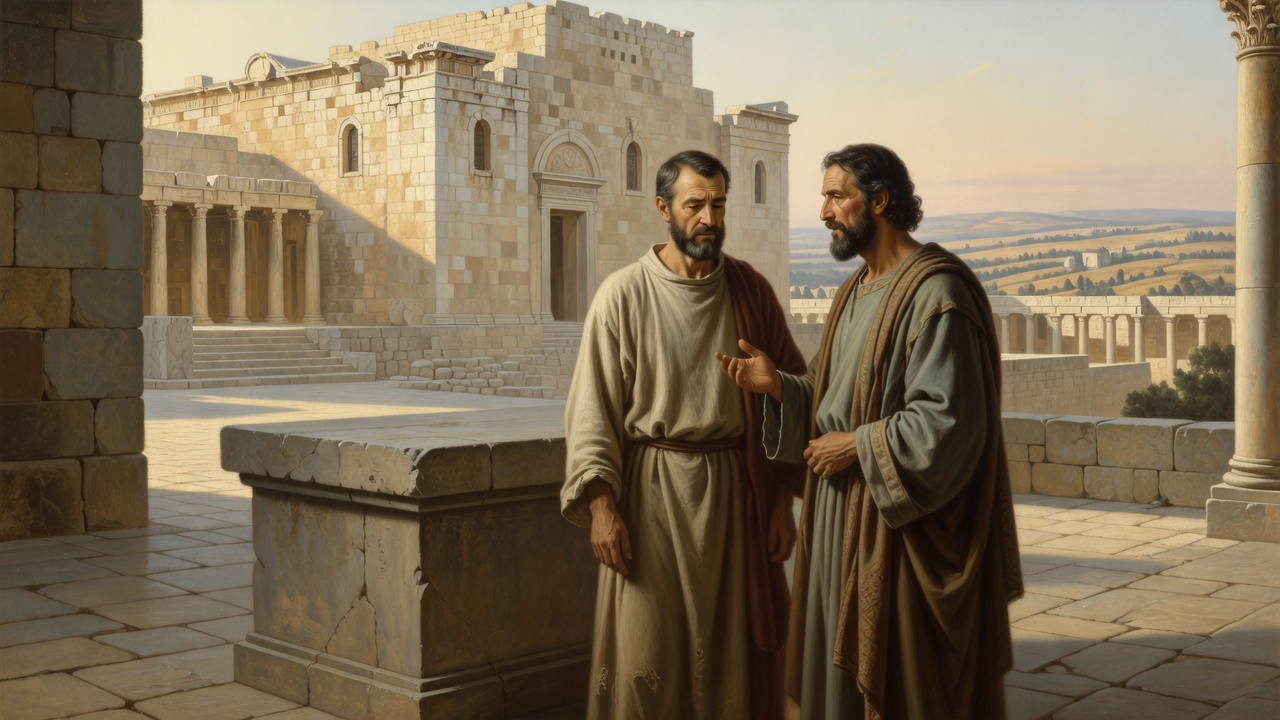
Rebuking Unfaithfulness and Honoring Covenants
- The chapter sharply rebukes the priesthood by recalling God's covenant with Levi. A priest is described as a messenger of the Lord of Hosts whose lips are meant to guard knowledge and deliver faithful instruction rather than leading people into error.Sources: the Bible text itself · Levi (patriarch)
- The prophet challenges the people of Judah and Jerusalem for breaking faith with one another. The text condemns marrying into the worship of foreign gods and abandoning the wives of their youth, presenting marriage as a binding covenant made before God.Sources: the Bible text itself · Jerusalem
Notes written with AI assistance from open sources (Theographic Bible Metadata, CC BY-SA 4.0; Easton’s Bible Dictionary, public domain) and reviewed before publishing.
Places in this chapter
- Jerusalem · 31.777, 35.234 · verse 11
Only places identified with high confidence are shown (90% or more according to the scholarly sources compiled by OpenBible). Period map: DARE (Digital Atlas of the Roman Empire), CC BY 4.0; modern map: © OpenStreetMap contributors; places: OpenBible.info (CC BY 4.0).
Credits and license for this translation
Bibeli Gusunɔn Gari
The Holy Bible in the Baatonum language of Benin, also called the Bariba language
copyright © 2013 SIM
Language: Bariba (Baatonum)
Translation by: SIM International
Bariba, Bibeli Gusunɔn Gari
This translation, published by the UEEB/SIM au Benin, was published in 1996.
If you are interested in obtaining a printed copy, please contact the SIM at SIM, BP 15, Parakou, Benin.
This translation text is made available to you under the
terms of the Creative Commons License: Attribution-Noncommercial-No Derivative Works.
( http://creativecommons.org/licenses/by-nc-nd/3.0/ )
In addition, you have permission to port the text to different file formats, as long as you
do not change any of the text or punctuation of the Bible.
You may share, copy, distribute, transmit, and extract portions
or quotations from this work, provided that you include the above copyright
information:
You must give Attribution to the work.
You do not sell this work for a profit.
You do not make any derivative works that change any of the actual words or punctuation of the Scriptures.
Permissions beyond the scope of this license may be
available if you contact
us with your request.
This translation is made available to you under the terms of the
Creative Commons Attribution-Noncommercial-No Derivatives license 4.0.
You may share and redistribute this Bible translation or extracts from it in any format, provided that:
You include the above copyright and source information.
You do not sell this work for a profit.
You do not change any of the words or punctuation of the Scriptures.
Pictures included with Scriptures and other documents on this site are licensed just for use with those Scriptures and documents.
For other uses, please contact the respective copyright owners.
2014-09-10
Source: http://ebible.org/bba/ · eBible.org