Luke 12
Bibeli Gusunɔn Gari · Tap a verse to see its cross-references.
I tii lɑɑkɑri ko kɑ murɑfitiru
1Sɑɑ ye sɔɔ, tɔn wɔru ɡunɑ yɑ mɛnnɑ sere bɑ bɔrikiɑnɑmɔ mɑ Yesu u ɡbiɑ u win bwɑ̃ɑbu sɔ̃ɔwɑ u nɛɛ, i tii lɑɑkɑri ko kɑ Fɑlisibɑn pɛ̃ɛ seeyɑtiɑ ye yɑ sɑ̃ɑ murɑfitiru. 2Gɑ̃ɑnu sɑri ni nu wukiri mɑ nu ǹ koo terɑ. Asirin ɡɑ̃ɑnu mɑɑ sɑri ni bɑ ǹ koo ɡiɑ. 3Yen sɔ̃nɑ ye i ɡeruɑ kpuro yɑm wɔ̃kurɔ yɑ koo nɔɔrɑ yɑm bururɑm sɔɔ. Ye i mɑɑ ɡeruɑ diɑ sɔɔ soon bɔkuɔ yɑ koo kpɑrɑrɑ ɡidɑmbisɑ wɔllun di.
Wi i ko nɑsiɑ
4Yesu mɑɑ nɛɛ, nɑ bɛɛ sɔ̃ɔmɔ, bɛɛ be i sɑ̃ɑ nɛn bɔrɔbɑ, i ku bu nɑsiɑ be bɑ koo wɑsi ɡo, mɑ yen biru bɑ ǹ kpɛ̃ bu mɑɑ ɡɑ̃ɑnu ɡɑnu ko. 5Nɑ kon bɛɛ sɔ̃ wi n weenɛ i nɑsiɑ. I nùn nɑsio wi u yiiko mɔ u kɑ kpɛ̃ɛ dɔ̃ɔ sɔɔ wi u ku rɑ ɡbi, ù n ɡo ù n kpɑ. Mɛyɑ nɑ bɛɛ sɔ̃ɔmɔ, wiyɑ n weenɛ i nɑsiɑ.
6Nɡe bɑ ku rɑ ɡunɔminu nɔɔbu dɔre fɑrɑm yiru ro? Kɑ mɛ, bɑɑ nin teu, Gusunɔ u ku rɑ duɑri. 7Bɑɑ mɑm bɛɛn wirun seri u yin ɡeeru yɛ̃. Yen sɔ̃, i ku ɡɑ̃ɑnu nɑsiɑ domi i ɡunɔmii dɑbinu bɛɛrɛ kere.
Wi u Kirisi wurɑ
tɔmbun wuswɑɑɔ
8Yesu mɑɑ nɛɛ, nɑ bɛɛ sɔ̃ɔmɔ, bɑɑwure wi u mɑn wurɑ tɔmbun wuswɑɑɔ, Tɔnun Bii u koo nùn wurɑ wɔllun ɡɔrɑdobɑn wuswɑɑɔ. 9Adɑmɑ wi u mɑn yinɑ tɔmbun wuswɑɑɔ, Tɔnun Bii u koo mɑɑ nùn yinɑ wɔllun ɡɔrɑdobɑn wuswɑɑɔ.
10Bɑɑwure wi u Tɔnun Biin kɔ̃sɑ ɡeruɑ, bɑ koo nùn suuru kuɑ, ɑdɑmɑ wi u Hunde Dɛɛro ɡɑri kɑm ɡerusi, u ǹ suuru kobu wɑsi.
11Bɑ̀ n kɑ bɛɛ dɑ mɛnnɔ yenɔ, wiruɡibu kɑ dɑmɡibun mi, i ku wururɑ i n kɑsu nɡe mɛ i ko kɑ tii yinɑ, ǹ kun mɛ ye i ko ɡere. 12Domi Hunde Dɛɛro u koo bɛɛ sɔ̃ɔsi sɑɑ ye, ye n weenɛ i ɡere.
Gobiɡii ɡɑri bɔkɔ ɡoon ɡɑri
13Goo tɔn wɔru sɔɔn di u Yesu kɑnɑ u nɛɛ, u nùn win mɔɔ sɔ̃ɔwɔ u de bu ben tubi bɔnu ko.
14Yesu u yɛ̃ro wisɑ u nɛɛ, wɑrɑ mɑn kuɑ siri kowo bɛɛn suunu sɔɔ ǹ kun mɛ bɛɛn tubi bɔnu kowo.
15Mɑ u bu sɔ̃ɔwɑ u nɛɛ, bɑ n ben tii lɑɑkɑri sɑ̃ɑ ɡem ɡem kɑ binɛ bɑɑyere, domi dukiɑn kpɑ̃ɑrɑ kun tɔnun wɑ̃ɑrun wiru.
16Mɑ u bu mɔndu ɡɑru kuɑ u nɛɛ, durɔ ɡobiɡii ɡoon ɡberɑ dĩɑnu kuɑ ɡem ɡem. 17U bwisikɑ u nɛɛ, mbɑ u koo ko domi u ǹ ɑyeru mɔ mi u koo win dĩɑnu doke. 18U nɛɛ, ye u koo ko wee. U koo win birɑnu surɑ, kpɑ u kpɑɑnu bɑni ni nu ni kere, kpɑ u win ɑlikɑmɑ kpuro ɡure mi kɑ win dĩɑ ni nu tie. 19Kpɑ u win tii sɔ̃ u nɛɛ, wi, u ɡɑ̃ɑ bɑkɑnu mɔ ni nu beruɑ wɔ̃ɔ dɑbinun sɔ̃. U koo wɛ̃rɑ kpɑ u n dimɔ u n nɔrumɔ kpɑ u n yɛ̃ɛrimɔ. 20Adɑmɑ Gusunɔ u nùn sɔ̃ɔwɑ u nɛɛ, ɡɑri bɔkɔ, wɔ̃ku teni bɑ koo nun wunɛn hunde bikiɑ. Ye u sɔɔru kuɑ mi, wereɡiɑ yɑ ko n sɑ̃ɑ.
21Mɑ Yesu u nɛɛ, mɛyɑ n ko n sɑ̃ɑ kɑ wi u dukiɑ tɑɑsinɑmɔ win tiin sɔ̃ mɑ u ǹ dukiɑ mɔ Gusunɔn mi.
A Gusunɔ nɑɑnɛ koowo
22Yen biru Yesu u win bwɑ̃ɑbu sɔ̃ɔwɑ u nɛɛ, yenin sɔ̃nɑ nɑ bɛɛ sɔ̃ɔmɔ i ku wururɑ bɛɛn wɑ̃ɑrun sɔ̃ ye i ko i di, ǹ kun mɛ bɛɛn wɑsin sɔ̃ ye i ko kɑ yi wukiri. 23Domi wɑ̃ɑru tɑ dĩɑnu kere, wɑsi mɑɑ yɑ̃nu kere. 24I ɡbɑnɑmɡbɑɑnu lɑsɑbu koowo. Nu ku rɑ duure, nu ku rɑ mɑɑ ɡɛ̃, nu ǹ beru yeru mɔ, mɛyɑ nu ǹ mɑɑ birɑru mɔ, Gusunɔ mɑɑ nu diisiɑmɔ. I ǹ ɡunɔsu bɛɛrɛ kere sere mi n tomɑ? 25Wɑrɑ bɛɛ sɔɔ, win wururɑbun sɑɑbu, u koo kpĩ u win wɑ̃ɑrun dɛ̃ɛbu sosi, bɑɑ ɡɔm soo teeru. 26Ì kun kpɛ̃ i ɡɑ̃ɑ piimii nini ko, mbɑn sɔ̃nɑ i wurure kɑ ye n tie. 27I biibii mɛɛrio. Yɑ ku rɑ sɔmburu ko, mɛyɑ yɑ ku rɑ mɑɑ tɑri. Kɑ mɛ, nɑ bɛɛ sɔ̃ɔmɔ, bɑɑ Sɑlomɔɔ kɑ win yiiko bɑkɑ, u ǹ burɑru koore nɡe biibii yen tiɑ. 28Gusunɔ ù n ɡberun yɑkɑsu burɑru wɛ̃ nɡe mɛ, si su wɑ̃ɑ ɡisɔ, mɑ siɑ su koo dɔ̃ɔ mwɑɑrɑ, u ǹ koo bɛɛ yɑ̃nu sebusiɑ n kere mɛ? Nɑɑnɛ doke piibuɡibu bɛɛ. 29I kun ye i ko di, kɑ ye i ko nɔ tɔnɑn kɑso mɔ̀, kpɑ i n wurure yen sɔ̃. 30Hɑnduniɑn tɔmbɑ bɑ yeni kpuro kɑsu, ɑdɑmɑ bɛɛn Bɑɑbɑ u yɛ̃ mɑ i yen bukɑtɑ mɔ. 31I kɑsuo i kɑ du mi Gusunɔ u bɑndu swĩi, yen biru u koo bɛɛ wɛ̃ ye yɑ tie.
A dukiɑ beruo wɔllɔ
32Yesu mɑɑ nɛɛ, ɑ ku nɑndɑ yɑ̃ɑ ɡɔ̃ɔ piibu, domi n bɛɛn Bɑɑbɑn ɡɔ̃ru duɑ u kɑ bɛɛ doke bɑn te u swĩi sɔɔ. 33I dɔro ye i mɔ kpɑ i yen ɡobi sɑ̃ɑrobu kɛ̃. I tii yɑnsurɔnu kuo ni nu ku rɑ tɔkɔ ko, kɑ beru yeru Gusunɔ wɔllɔ tè sɔɔ dukiɑ ku rɑ kpe, mi ɡbɛnɔ sɑri wi u koo susi, mi ɡɛmɑ mɑɑ sɑri ye yɑ koo sɑnku. 34Domi mi bɛɛn dukiɑ beruɑ, miyɑ bɛɛn ɡɔ̃ru ɡɑ rɑ n woo.
Sɔm kowo be bɑ swɑɑ mɛɛrɑ
35Mɑ Yesu kpɑm nɛɛ, i de i n sɔɔru sɑ̃ɑ i n kpɑkɑ sɛ̃ke pɔrɑɔ kpɑ i de bɛɛn fitilɑnu nu n sɔ̃re. 36I de i n kɑ tɔmbu weenɛ be bɑ ben yinnin wurɑmɑru mɑrɑ kurɔ kpɑɑ yerun di, kpɑ bu kɑ nùn kɛniɑ mii mii sɑnɑm mɛ u tunumɑ u ɡɑmbo so. 37Doo nɔɔruɡibɑ sɔm kowo be, bèn yinni u koo deemɑ bɑ swɑɑ mɛɛrɑ ù n tunumɑ, bɑɑ ǹ n wɔ̃ku suunun nɑ, ǹ kun mɛ ɡoo ɡbiikɑɑ yɑ̀ n sumɔ. Kɑ ɡeemɑ nɑ bɛɛ sɔ̃ɔmɔ, u koo sɔɔru ko kpɑ u bu sinɑsiɑ u bu nɔɔri. 39I de i n yɛ̃ sɑ̃ɑ sɑ̃ɑ mɑ yɛnu yɛ̃ro ù n yɛ̃ sɑɑ ye ɡbɛnɔ u koo nɑ, u koo dom se, u ǹ koo de bu win diru kɔrɑ. 40Bɛɛ mɑɑ, i n sɔɔru sɑ̃ɑ domi Tɔnun Bii, u koo nɑwɑ sɑɑ ye i ǹ kɑ nùn yĩiyɔ.
Yoo nɑɑnɛɡii
kɑ nɑɑnɛ sɑriruɡii
41Piɛɛ nɛɛ, Yinni bɛsɛrɑ ɑ mɔn te kuɑ? Nɡe tɔmbu kpuro.
42Mɑ Yinni u nɛɛ, wɑrɑ yoo lɑɑkɑriɡii wi u nɑɑnɛ mɔ. Wiyɑ wi yɛnu yɛ̃ro u koo ko yobun wiruɡii u kɑ bu dĩɑnu yɑbuɑ sɑɑ ye n weenɛ. 43Doo nɔɔruɡiiwɑ yoo wi, win yinni ù n deemɑ u mɔ̀ mɛ, sɑnɑm mɛ u tunumɑ. 44Kɑ ɡeemɑ nɑ bɛɛ sɔ̃ɔmɔ, yinni wi, u koo nùn win dukiɑ kpuro nɔmu bɛriɑ. 45Adɑmɑ yoo wi, ù n bwisikumɔ mɑ win yinni u tɛɛmɔ kpɑ u se u yoo tɔn durɔbu kɑ tɔn kurɔbu soberu wɔri, kpɑ u n dimɔ u n nɔrumɔ, tɑm mu n nùn ɡoomɔ, 46win yinni u koo tunumɑ dɔmɑ te yoo wi, u ǹ kɑ nùn yĩiyɔ, kɑ sɑɑ ye u ǹ yɛ̃. U koo nùn bɔɔri kpiri kpirikɑ kpɑ u de u bɔnu wɑ kɑ nɑɑnɛ sɑriruɡibu sɑnnu.
47Yoo wi u win yinnin kĩru ɡiɑ, mɑ u ǹ ɡɑ̃ɑnu sɔɔru kue, mɑ u ǹ win kĩru kue, win soberɑ tɑ koo kpɛ̃ɑ. 48Adɑmɑ wi u kun ɡie, mɑ u kookoosu kuɑ si su kɑ sɛɛyɑsiɑbu nɛ, win soberɑ kun kpɛ̃ɑmɔ. Wi bɑ ɡɑ̃ɑ dɑbinu wɛ̃, bɑ koo nùn ɡɑ̃ɑ dɑbinu bikiɑ. Wi bɑ mɑɑ ɡɑ̃ɑ dɑbinu nɔmu sɔndiɑ, wiyɑ bɑ koo bikiɑ n kere.
Yesu kɑ kɑrɑnɑbu nɑ
49Mɑ Yesu mɑɑ nɛɛ, dɔ̃ɔwɑ nɑ yɛ̃kɑm nɑ hɑnduniɑɔ, nɑ kĩwɑ u n dɑɑ yɑbure. 50Bɑtɛmu ɡɑɑ wɑ̃ɑ ye nɑ ǹ kon ko nɑ kun kue. Nɛn bwɛ̃rɑ kun kpĩ yèn sɔ̃ yɑ ǹ ɡinɑ koore. 51I tɑmɑɑ nɑ nɑwɑ n kɑ ɑlɑfiɑ wɛ̃ tem mɛ sɔɔ? Aɑwo, nɑ bɛɛ sɔ̃ɔmɔ, kɑrɑnɑbɑ nɑ kɑ nɑ. 52Domi sɑɑ tɛ̃n di tɔmbu nɔɔbu bɑ̀ n wɑ̃ɑ yɛnu teu sɔɔ, bɑ koo bɔnu ko. Nɔɔsinɑɑ sɑrirɑ ko n wɑ̃ɑ itɑ kɑ yirun suunu sɔɔ, ǹ kun mɛ yiru kɑ itɑn suunu sɔɔ. 53Bɑɑ kɑ bii bɑ ǹ nɔɔsinɑmɔ, mɛro kɑ bii wɔndiɑ bɑ ǹ nɔɔsinɑmɔ, mɛyɑ mɑɑ dwɑɑ mɛro kɑ biin kurɔ bɑ ǹ nɔɔsinɑmɔ.
Sɑɑn yĩrenu
54U kpɑm tɔn wɔru sɔ̃ɔwɑ u nɛɛ, ì n ɡuru wiru wɑ tɑ seemɔ sɔ̃ɔ duu yerun di, i rɑ ɡere yɑnde i nɛɛ, ɡurɑ wee, mɛyɑ n dɑ mɑɑ ko. 55Ì n mɑɑ wɑ woo ɡɑ mɔ̀ sɑɑ sɔ̃ɔ yɛ̃sɑn nɔm dwɑrun di, i rɑ nɛɛ, yɑm mu koo swĩɑ. Mɛyɑ n dɑ mɑɑ ko. 56Murɑfiti bɛɛ, i wɔllu kɑ tem yĩrenun tubusiɑnu yɛ̃. Amɔnɑ i ǹ kɑ sɑɑ yenin tubusiɑnu yɛ̃.
Gɑrin wii ɡoberu
57Mɑ Yesu kpɑm nɛɛ, mbɑn sɔ̃nɑ i ku rɑ bɛɛn tii bwisikue i kɑ wɑ ye n dɛnde. 58Sɑnɑm mɛ wunɛn yibɛrɛ u kɑ nun dɔɔ siri yerɔ, ɑ nùn suuru kɑnɔ swɑɑ mi, kpɑ ɑ wɑ ɑ yɑri, kpɑ u ku kɑ nun dɑ siri kowon mi, kpɑ siri kowo u ku nun sɑndɑmu nɔmu sɔndiɑ, kpɑ sɑndɑmu u ku nun doke pirisɔm sɔɔ. 59Nɑ nun sɔ̃ɔmɔ ɑ ǹ yɑrimɔ ɑ kun kɔsie ye bɑ nun bure. Bɑɑ yen fɑrɑm, ɑ ǹ derimɔ.
Did you know?
Hypocrisy, trust, and watchfulness
- Jesus tells his disciples that not even Solomon in all his glory was adorned like one of the lilies. Solomon, whose Hebrew name Shelomoh means “peaceful,” was David’s son by Bathsheba and is described as the first king of Israel born in the purple; his history is recorded in 1 Kings 1-11 and 2 Chronicles 1-9.Sources: the Bible text itself · Solomon
- The man who asks whether the parable is for the disciples or for everyone else is Simon Peter. He was originally called Simon, or Simeon, a very common Jewish name meaning “hearing”; he was the son of Jona and was trained as a fisher in his hometown, Bethsaida, on the western coast of the Sea of Galilee.Sources: the Bible text itself · Simon Peter
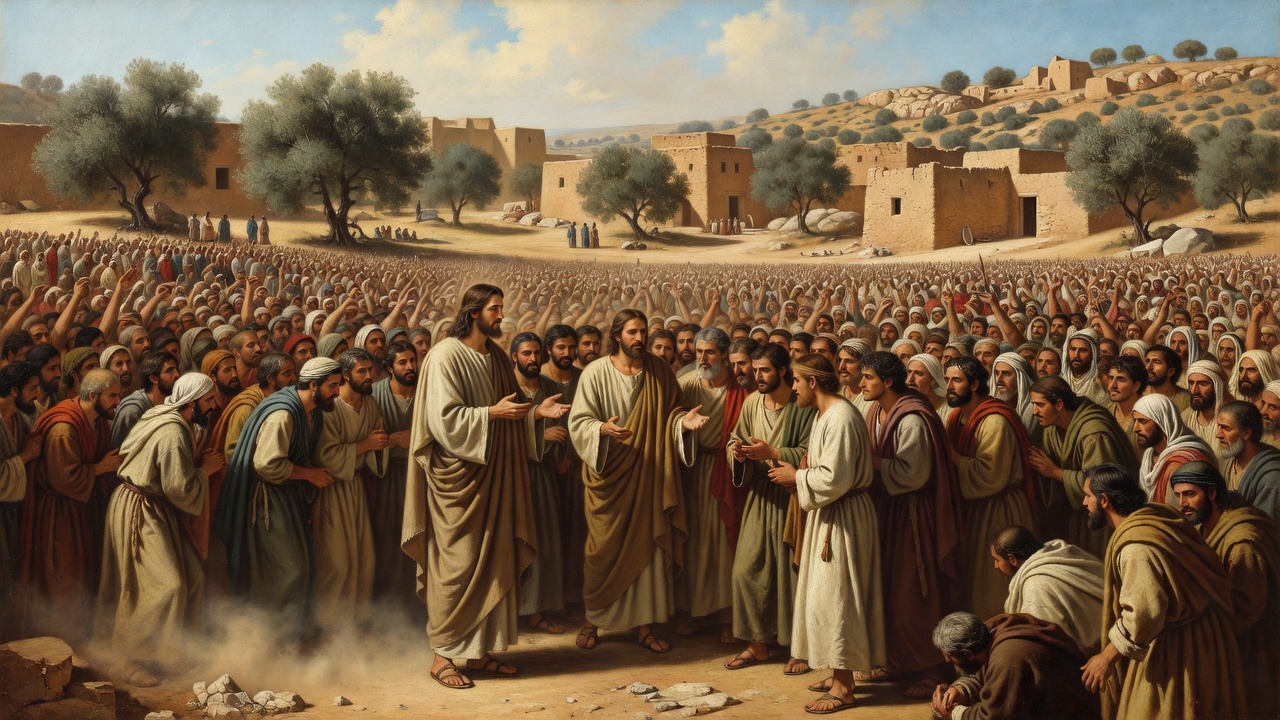
- The chapter opens with many thousands trampling one another as Jesus warns his disciples about the hypocrisy of the Pharisees and then tells parables. One list of events dates the woes and parables with the Pharisees to AD 29 and assigns them a length of one day.Sources: the Bible text itself · Woes and Parables with Pharisees
Notes written with AI assistance from open sources (Theographic Bible Metadata, CC BY-SA 4.0; Easton’s Bible Dictionary, public domain) and reviewed before publishing.
Credits and license for this translation
Bibeli Gusunɔn Gari
The Holy Bible in the Baatonum language of Benin, also called the Bariba language
copyright © 2013 SIM
Language: Bariba (Baatonum)
Translation by: SIM International
Bariba, Bibeli Gusunɔn Gari
This translation, published by the UEEB/SIM au Benin, was published in 1996.
If you are interested in obtaining a printed copy, please contact the SIM at SIM, BP 15, Parakou, Benin.
This translation text is made available to you under the
terms of the Creative Commons License: Attribution-Noncommercial-No Derivative Works.
( http://creativecommons.org/licenses/by-nc-nd/3.0/ )
In addition, you have permission to port the text to different file formats, as long as you
do not change any of the text or punctuation of the Bible.
You may share, copy, distribute, transmit, and extract portions
or quotations from this work, provided that you include the above copyright
information:
You must give Attribution to the work.
You do not sell this work for a profit.
You do not make any derivative works that change any of the actual words or punctuation of the Scriptures.
Permissions beyond the scope of this license may be
available if you contact
us with your request.
This translation is made available to you under the terms of the
Creative Commons Attribution-Noncommercial-No Derivatives license 4.0.
You may share and redistribute this Bible translation or extracts from it in any format, provided that:
You include the above copyright and source information.
You do not sell this work for a profit.
You do not change any of the words or punctuation of the Scriptures.
Pictures included with Scriptures and other documents on this site are licensed just for use with those Scriptures and documents.
For other uses, please contact the respective copyright owners.
2014-09-10
Source: http://ebible.org/bba/ · eBible.org