Joshua 7
Bibeli Gusunɔn Gari · Tap a verse to see its cross-references.
1Adɑmɑ Isirelibɑ bɑ kuɑ nɑɑnɛ sɑriruɡibu ɡɑ̃ɑ ni Yinni Gusunɔ u nɛɛ, bu kpeerɑsiɑ mɑm mɑm Yerikoɔn sɔ̃. Domi Akɑni u ɡɑ̃ɑnu suɑ min di, mɑ Yinni Gusunɔ u kɑ Isirelibɑ mɔru kuɑ. Akɑni wi, u sɑ̃ɑwɑ Kɑɑmin bii. U mɑɑ sɑ̃ɑ Sɑbidin debubu kɑ sere mɑɑ Serɑkin sikɑdobu Yudɑn bweseru sɔɔ.
2Yerɑ Yosue u tɔmbu ɡɔrɑ Yerikon di Ayiɔ, ye yɑ wɑ̃ɑ Bɛti Afɛnin bɔkuɔ, Betɛlin sɔ̃ɔ yɑri yeru ɡiɑ. U bu sɔ̃ɔwɑ u nɛɛ, i doo i tem mɛn sɑriɑ mɛɛri. Mɑ bɑ dɑ bɑ Ayin sɑriɑ mɛɛrɑ. 3Ye bɑ wurɑmɑ Yosuen mi, bɑ nɛɛ, wuu ɡe, ɡɑ ǹ turɑ ɡe tɔmbu kpuro bɑ koo dɑɑwɑ. A de tɔmbu nɔrɔbun subɑ yiru (2.000), ǹ kun mɛ itɑ bu dɑ bu Ayi wɔri, ɑ ku tɔmbu kpuro wɑhɑlɑ doke. Domi wuu ɡen tɔmbu bɑ ǹ dɑbi.
4Mɑ tɔmbu nɔrɔbun subɑ itɑn (3.000) sɑkɑ bɑ swɑɑ wɔri bɑ dɑ mi, ɑdɑmɑ bɑ Ayin tɔmbu kpɑnɑ bɑ duki ɡɔsirɑmɑ. 5Ayiɡibu bɑ bu nɑɑ swĩi sɑɑ wuu ɡen duu yerun di sere Sebɑrimuɔ, mɑ bɑ Isirelibɑn tɔnu tɛnɑ kɑ nɔɔbɑ tiɑ ɡo sɑnɑm mɛ bɑ duki mɔ̀ bɑ wee. Yeyɑ n derɑ Isirelibɑ bɑ nɑndɑ, bɑ mwiɑ kpɑnɑ.
6Yosue kɑ Isirelibɑn ɡuro ɡurobu bɑ ben yɑbenu nɛnuɑ bɑ kɑrɑnɑ bɑ tii tuɑ wisi wirɔ nuku sɑnkirɑnun sɔ̃, mɑ bɑ wiru tem ɡirɑri Yinni Gusunɔn woodɑn kpɑkoro ten wuswɑɑɔ sere sɔ̃ɔ kɑ kpɑ. 7Yosue u nɛɛ, kuku, Yinni Gusunɔ, mbɑn sɔ̃nɑ ɑ derɑ sɑ Yuudɛni tɔburɑ mɑ ɑ sun Amɔrebɑ nɔmu bɛriɑ bu sun ɡo. Sɑ̀ n dɑɑ yɛ̃ mɛ, sɑ n sinɛ Yuudɛnin ɡuru ɡiɔ. 8Yinni, mbɑ kon ɡere. Wee, Isirelibɑ bɑ ben yibɛrɛbɑ nɑsiɑ bɑ biruku yirɑ wurɑ. 9Domi Kɑnɑnibɑ kɑ tem mɛn tɔmbu kpuro bɑ koo ye nɔ kpɑ bu sun kooro bure bu bɛsɛn yĩsiru wunɑ hɑnduniɑn di. Amɔnɑ kɑɑ ko wunɛn yĩsi bɑkɑ te, tɑ kun kɑ ɡu.
10Yerɑ Yinni Gusunɔ u Yosue sɔ̃ɔwɑ u nɛɛ, ɑ seewo. Mbɑn sɔ̃nɑ ɑ wunɛn wuswɑɑ tem ɡirɑri mɛsum. 11Isirelibɑ bɑ durum kuɑwɑ. Bɑ nɛn woodɑ sɑrɑ ye nɑ bu wɛ̃. Bɑ ɡɑ̃ɑnu suɑ ni nɑ nɛɛ bu kpeerɑsiɑ. Bɑ nu ɡbɛnɑ bɑ doke ben tiin yɑ̃nu sɔɔ bɑ beruɑ. 12Yen sɔ̃nɑ bɑ ǹ kpɛ̃ bu yɔ̃rɑ bu ben yibɛrɛbɑ mɑ. Mɑ bɑ biruku yirɑ wurɑ. Domi tɛ̃ bɑ sɑ̃ɑwɑ be bɑ koo kpeerɑsiɑ. Ì kun ɡɑ̃ɑ ni wunɛ bɛɛn suunu sɔɔn di, nɑ ǹ kpɛ̃ nɑ n mɑɑ wɑ̃ɑ kɑ bɛɛ. 13A seewo ɑ tɔn be sɔɔru koosiɑ kpɑ bu tii dɛɛrɑsiɑ siɑn sɔ̃, domi nɛ Gusunɔ, be Isirelibɑn Yinni, nɑ nɛɛ, bɑ ɡɑ̃ɑnu nɛni ni nɑ nɛɛ bu kpeerɑsiɑ. Yen sɔ̃, bɑ ǹ kpɛ̃ bu yɔ̃rɑ bu ben yibɛrɛbɑ mɑ, mɑ n kun mɔ bɑ nu wunɑ ben suunu sɔɔn di. 14Yen sɔ̃nɑ siɑ bururu bɛɛn bwesenu kpuro nu koo nɑ nu sɑrɑ nɛn wuswɑɑɔ tiɑ tiɑ. Bwese te nɑ ɡɔsɑ, ten kɑ̃ɑsi kpuro yi koo nɑ yi sɑrɑ tiɑ tiɑ. Bwese kɑ̃ɑsɑ ye nɑ ɡɔsɑ, yen yɛnusu kpurowɑ su koo nɑ su sɑrɑ tiɑ tiɑ. Yɛnu ɡe nɑ ɡɔsɑ, ɡen tɔn durɔbu kpurowɑ bɑ koo nɑ bu sɑrɑ tiɑ tiɑ. 15Sɑnɑm mɛ, kpɑ n ɡɔsi wi u ɡɑ̃ɑ ni suɑ kpɑ i nùn dɔ̃ɔ mɛni, wi kɑ win ye u mɔ kpuro yèn sɔ̃ u nɛn woodɑ sɑrɑ, mɑ u derɑ Isirelibɑ bɑ sekuru wɑ.
16Yen sisiru Yosue u seewɑ buru buru yellu u derɑ Isirelibɑn bwesenu nu nɑ nu sɑrɑ Gusunɔn wuswɑɑɔ tiɑ tiɑ. Mɑ Yinni Gusunɔ u Yudɑn bweseru ɡɔsɑ. 17Mɑ Yosue u derɑ Yudɑn bweserun kɑ̃ɑsi yi nɑ yi sɑrɑ tiɑ tiɑ, mɑ Yinni Gusunɔ u Serɑkin kɑ̃ɑsɑ ɡɔsɑ. Mɑ u derɑ win kɑ̃ɑsɑn yɛnusu kpuro su nɑ su sɑrɑ tiɑ tiɑ. Mɑ Yinni Gusunɔ u Sɑbidin yɛnu ɡɔsɑ. 18Mɑ u derɑ Sɑbidin yɛnun tɔn durɔbu kpuro bɑ nɑ bɑ sɑrɑ tiɑ tiɑ. Mɑ Yinni Gusunɔ u Akɑni ɡɔsɑ wi u sɑ̃ɑ Kɑɑmin bii, kɑ Sɑbidin debubu, kɑ Serɑkin sikɑdobu Yudɑn bweseru sɔɔ. 19Yosue u Akɑni sɔ̃ɔwɑ u nɛɛ, nɛn bii, ɑ Gusunɔ Isirelibɑn Yinni bɛɛrɛ wɛ̃ɛyɔ, kpɑ ɑ ɡem ɡere. A mɑn sɔ̃ɔwɔ ye ɑ kuɑ. A ku mɑn yen ɡɑɑ beruɑ.
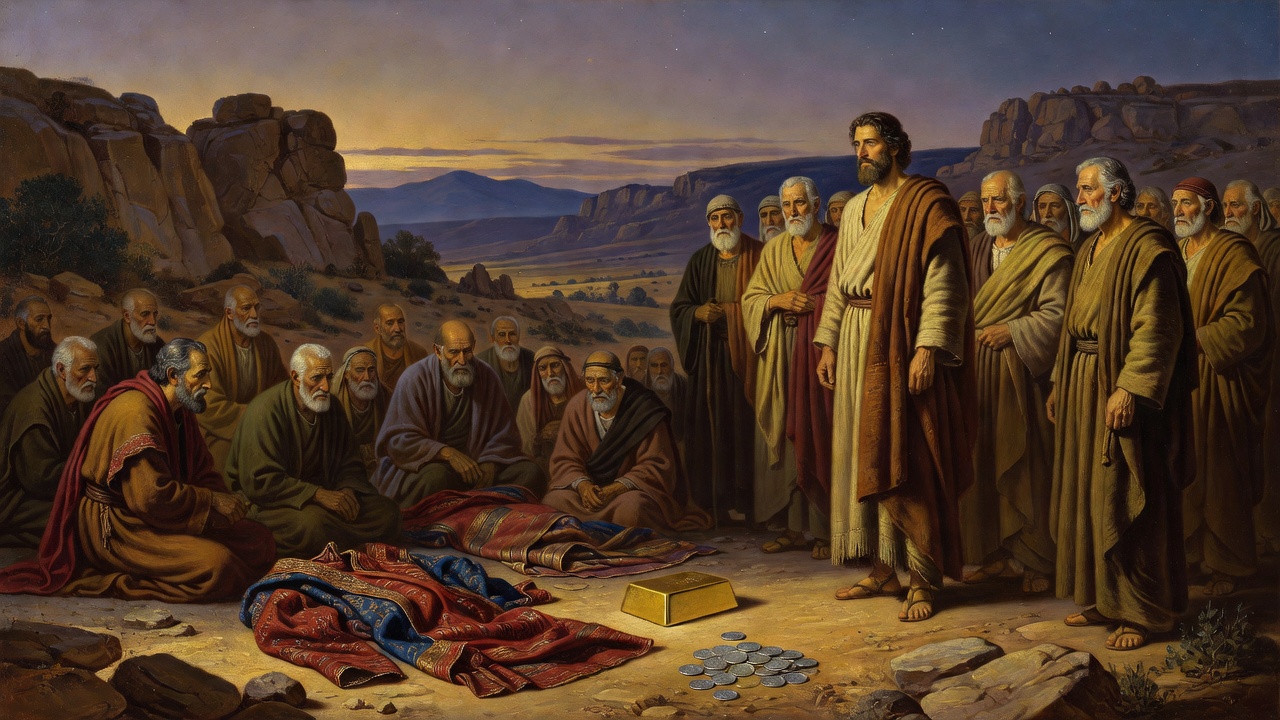
20Akɑni u Yosue sɔ̃ɔwɑ u nɛɛ, ɡeemɑ, nɑ Gusunɔ Isirelibɑn Yinni torɑ. Ye nɑ kuɑ wee. 21Ye sɑ tɑbu di sɑ mwɑ sɔɔ, nɑ yɑbe burɑru ɡɑru wɑ te bɑ kuɑ Bɑbiloniɔ kɑ sii ɡeesun ɡobi ɡoobu (200) kɑ wurɑ dɛkɑ yèn bunum kɑ kilon bɔnu nɛ. Nɑ ye binɛ kuɑ mɑ nɑ suɑ nɑ sikuɑ nɛn kurɔ, sii ɡee siyɑ su wɑ̃ɑ ten temɔ.
22Yɑnde Yosue u tɔmbu ɡɔrɑ bɑ duki dɑ Akɑnin kuru mi, bɑ deemɑ wee, ɡɑ̃ɑ ni kpuro nu beruɑ kuu te sɔɔ. Mɑ sii ɡee si, su wɑ̃ɑ nin temɔ. 23Bɑ ni kpuro suɑmɑ kuu ten min di bɑ kɑ dɑ Yosue kɑ Isirelibɑ kpuron mi, bɑ yi Yinni Gusunɔn woodɑn kpɑkororun wuswɑɑɔ. 24Yosue kɑ Isirelibɑ kpuro bɑ Akɑni Serɑkin sikɑdobu suɑ kɑ ɡɑ̃ɑ ni u ɡurɑ, kɑ win bibu kɑ win yɑɑ sɑbenu kɑ win kuu te, kɑ sere win ye u mɔ kpuro ɡesi, bɑ kɑ dɑ sere Akɔɔn wɔwɑɔ. 25Mɑ Yosue u nùn sɔ̃ɔwɑ u nɛɛ, mbɑn sɔ̃nɑ ɑ derɑ sɑ wɑhɑlɑ yeni wɑ. Yinni Gusunɔ u koo mɑɑ de ɑ wɑhɑlɑ wɑ ɡisɔ.
Mɑ Isirelibɑ kpuro bɑ wi kɑ win tɔmbu kpenu kɑsukɑ. Mɑ bɑ bu dɔ̃ɔ mɛni kɑ win ye u mɔ kpuro sɑnnu. 26Mɑ bɑ kpenu ɡurɑ bɑ nin tɑkɑnu kuɑ ben wɔllɔ te tɑ wɑ̃ɑ mi sere kɑ ɡisɔ. Ye kpuron sɔ̃nɑ bɑ yɑm mi sokumɔ Akɔɔn wɔwɑ sere kɑ ɡisɔn ɡisɔ. Yĩsi ten tubusiɑnɑ, nɔni swɑ̃ɑrun wɔwɑ.
Sɑɑ yerɑ Yinni Gusunɔn mɔru yɑ sure.
Isirelibɑ bɑ Ayiɡibu kɑmiɑ
Did you know?
Defeat at Ai and the Sin of Achan
- Ai was a royal Canaanite city located east of Bethel and near Beth-aven. After the capture of Jericho, it was the second city targeted by the Israelites, though an initial force of about three thousand soldiers was unexpectedly routed on the slopes outside the city.Sources: Ai · the Bible text itself
- To discover why Israel lost at Ai, Joshua brought the community forward in stages by tribe, clan, family, and individual until Achan of the tribe of Judah was selected. Achan confessed that he had stolen and hidden gold, silver, and a Babylonian robe that had been devoted to destruction.Sources: Achan · the Bible text itself
- The name of the Valley of Achor means trouble, reflecting Joshua's words that Achan had brought calamity upon Israel. Later biblical writers, including Hosea and Isaiah, referred to this valley symbolically as a place where disaster is transformed into hope and blessing.Sources: Achan · Valley of Achor · the Bible text itself
Notes written with AI assistance from open sources (Theographic Bible Metadata, CC BY-SA 4.0; Easton’s Bible Dictionary, public domain) and reviewed before publishing.
Places in this chapter
- Jericho · Today: Tell es Sultan · 31.872, 35.445 · verse 2
- Jordan · Today: Jordan River · 31.761, 35.558 · verse 7
- Shinar · Today: Babylonia · 32.543, 44.422 · verse 21
Only places identified with high confidence are shown (90% or more according to the scholarly sources compiled by OpenBible). Period map: DARE (Digital Atlas of the Roman Empire), CC BY 4.0; modern map: © OpenStreetMap contributors; places: OpenBible.info (CC BY 4.0).
Credits and license for this translation
Bibeli Gusunɔn Gari
The Holy Bible in the Baatonum language of Benin, also called the Bariba language
copyright © 2013 SIM
Language: Bariba (Baatonum)
Translation by: SIM International
Bariba, Bibeli Gusunɔn Gari
This translation, published by the UEEB/SIM au Benin, was published in 1996.
If you are interested in obtaining a printed copy, please contact the SIM at SIM, BP 15, Parakou, Benin.
This translation text is made available to you under the
terms of the Creative Commons License: Attribution-Noncommercial-No Derivative Works.
( http://creativecommons.org/licenses/by-nc-nd/3.0/ )
In addition, you have permission to port the text to different file formats, as long as you
do not change any of the text or punctuation of the Bible.
You may share, copy, distribute, transmit, and extract portions
or quotations from this work, provided that you include the above copyright
information:
You must give Attribution to the work.
You do not sell this work for a profit.
You do not make any derivative works that change any of the actual words or punctuation of the Scriptures.
Permissions beyond the scope of this license may be
available if you contact
us with your request.
This translation is made available to you under the terms of the
Creative Commons Attribution-Noncommercial-No Derivatives license 4.0.
You may share and redistribute this Bible translation or extracts from it in any format, provided that:
You include the above copyright and source information.
You do not sell this work for a profit.
You do not change any of the words or punctuation of the Scriptures.
Pictures included with Scriptures and other documents on this site are licensed just for use with those Scriptures and documents.
For other uses, please contact the respective copyright owners.
2014-09-10
Source: http://ebible.org/bba/ · eBible.org