Jonah 2
Bibeli Gusunɔn Gari · Tap a verse to see its cross-references.
1Yinni Gusunɔ u derɑ swɑ̃ɑ bɑkɑ yɑ Yonɑsi mwɛ. Mɑ u kuɑ wɔ̃kuru itɑ kɑ sɔ̃ɔ sɔɔ itɑ swɑ̃ɑ yen nukurɔ. 2Swɑ̃ɑ yen nukurun diyɑ Yonɑsi u Gusunɔ win Yinni kɑnɑ. 3U nɛɛ,
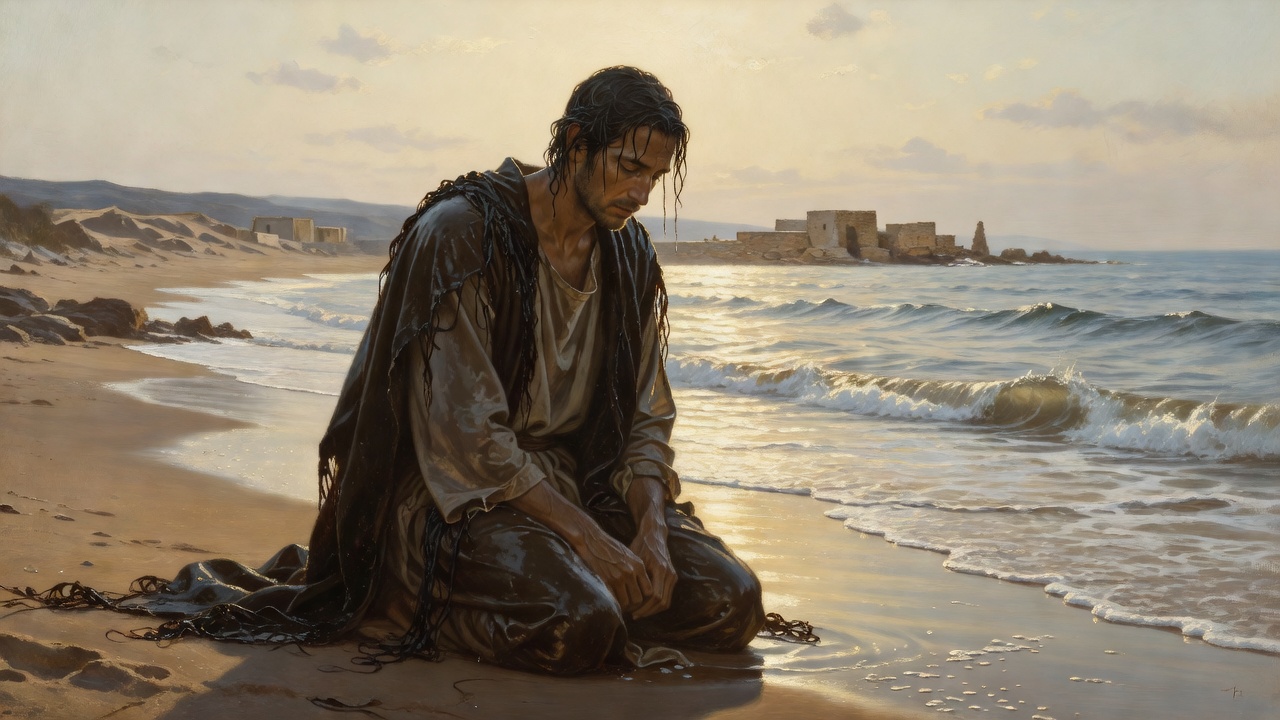
Yinni Gusunɔ, sɑnɑm mɛ nɑ wɑ̃ɑ nuku sɑnkirɑru sɔɔ,
nɑ nun nɔɔɡiru sue, mɑ ɑ mɑn wisɑ.
Sɑɑ ɡɔribun wɑ̃ɑ yerun di nɑ nun sokɑ.
Mɑ ɑ nɛn nɔɔ nuɑ.
4Wee ɑ mɑn kpɛ̃ɛ sere nim wɔ̃kun sɔɔwɔ.
Mɑ nim mɑn mwɛ.
Nim kurenu kpuro mɑn tɑɑre.
5Nɑ rɑɑ tii sɔ̃ɔmɔ nɑ mɔ̀, wee ɑ mɑn ɡirɑ wunɛn wuswɑɑn di,
nɑ dɑ sere mi n tomɑ.
Adɑmɑ wee tɛ̃, kon mɑɑ wunɛn sɑ̃ɑ yee dɛɛrɑru wɑ.
6Nim mɑn mwɛ sere nɑ kĩ n ɡbi.
Mu mɑn wukiri, mɑ yɑkɑ si su wɑ̃ɑ mɛn sɔɔwɔ
su mɑn tɛ̃kusi sere wirɔ.
7Nɑ numɑ nɑ dɑ sere ɡuunun kpɛɛkpɛɛkuɔ,
mɑ tem sɔɔwɔn ɡɑmbobɑ bɑ mɑn kɛnusi dim dim.
Adɑmɑ Gusunɔ nɛn Yinni, ɑ mɑn yɑrɑ min di wɑsiru.
8Sɑnɑm mɛ nɑ kom yɑɑ biɑ
nɑ wunɛ Yinni Gusunɔ yɑɑyɑ,
mɑ ɑ nɛn kɑnɑru nuɑ wunɛn sɑ̃ɑ yee dɛɛrɑrun mi.
9Be bɑ bũnu sɑ̃ɑmɔ, bɑ ǹ mɑɑ wunɛn durom wɑsi.
10Adɑmɑ nɛ, kon nun yɑ̃kuru kuɑ.
Kon nun siɑrɑ,
kpɑ n nɛn nɔɔ mwɛɛru yibiɑ.
Yinni Gusunɔ, wunɑ ɑ rɑ mɑn fɑɑbɑ ko.
11Sɑɑ yerɑ Yinni Gusunɔ u swɑ̃ɑ ye sɔ̃ɔwɑ u nɛɛ, yu doo yu Yonɑsi siɑ kɑsɑɔ. Mɑ swɑ̃ɑ ye, yɑ dɑ kɑsɑɔ yɑ Yonɑsi siɑ.
Yonɑsi u wɑɑsu mɔ̀ Ninifuɔ
Did you know?
Jonah's Prayer and Deliverance
- Jonah's prayer uses ancient poetic imagery to describe his near-death experience, portraying the watery depths as the 'belly of Sheol' where he sank down to the 'roots of the mountains' with seaweed wrapped around his head.Sources: the Bible text itself
- Even while submerged in the ocean depths inside the fish, Jonah repeatedly sets his focus on God's holy temple, promising to fulfill vows and offer sacrifices of thanksgiving.Sources: the Bible text itself
- According to biblical records, the prophet Jonah was the son of Amittai from Gath-hepher and ministered during the reign of King Jeroboam II of Israel.Sources: Jonah
Notes written with AI assistance from open sources (Theographic Bible Metadata, CC BY-SA 4.0; Easton’s Bible Dictionary, public domain) and reviewed before publishing.
Credits and license for this translation
Bibeli Gusunɔn Gari
The Holy Bible in the Baatonum language of Benin, also called the Bariba language
copyright © 2013 SIM
Language: Bariba (Baatonum)
Translation by: SIM International
Bariba, Bibeli Gusunɔn Gari
This translation, published by the UEEB/SIM au Benin, was published in 1996.
If you are interested in obtaining a printed copy, please contact the SIM at SIM, BP 15, Parakou, Benin.
This translation text is made available to you under the
terms of the Creative Commons License: Attribution-Noncommercial-No Derivative Works.
( http://creativecommons.org/licenses/by-nc-nd/3.0/ )
In addition, you have permission to port the text to different file formats, as long as you
do not change any of the text or punctuation of the Bible.
You may share, copy, distribute, transmit, and extract portions
or quotations from this work, provided that you include the above copyright
information:
You must give Attribution to the work.
You do not sell this work for a profit.
You do not make any derivative works that change any of the actual words or punctuation of the Scriptures.
Permissions beyond the scope of this license may be
available if you contact
us with your request.
This translation is made available to you under the terms of the
Creative Commons Attribution-Noncommercial-No Derivatives license 4.0.
You may share and redistribute this Bible translation or extracts from it in any format, provided that:
You include the above copyright and source information.
You do not sell this work for a profit.
You do not change any of the words or punctuation of the Scriptures.
Pictures included with Scriptures and other documents on this site are licensed just for use with those Scriptures and documents.
For other uses, please contact the respective copyright owners.
2014-09-10
Source: http://ebible.org/bba/ · eBible.org