John 8
Bibeli Gusunɔn Gari · Tap a verse to see its cross-references.
Kurɔ sɑkɑrɑ kowo ɡoo
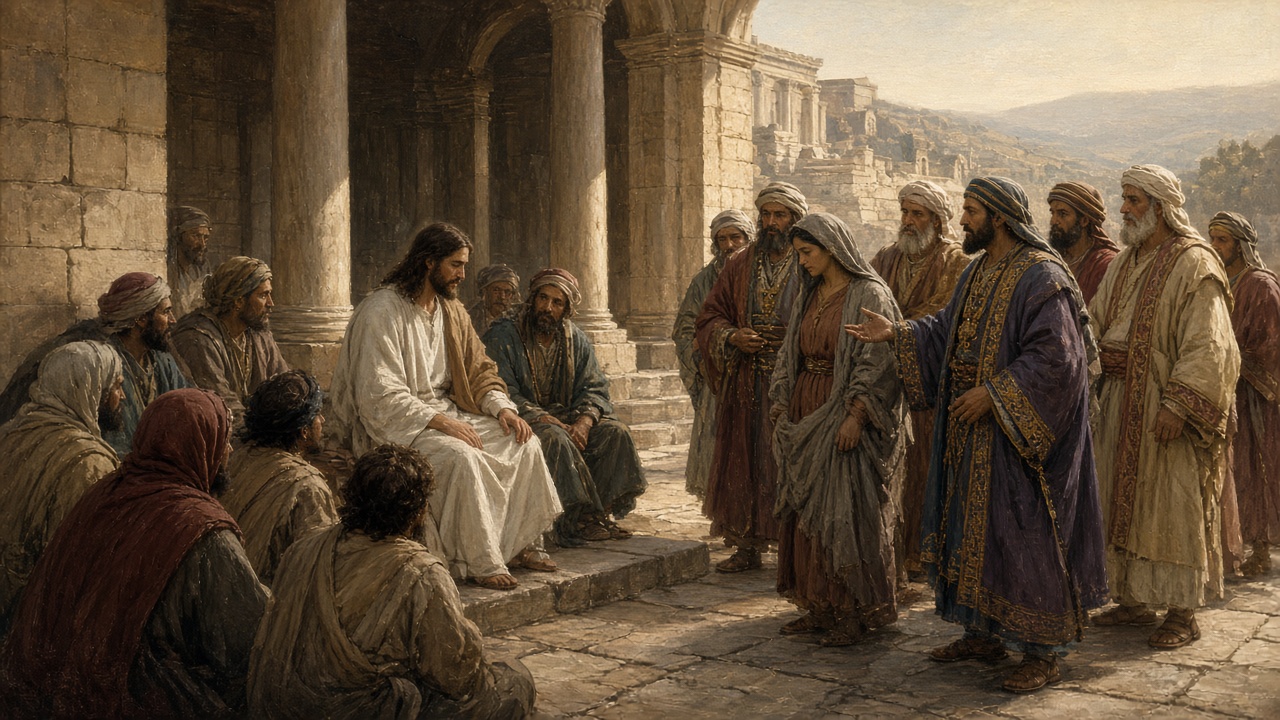
1Ye bɑ doonɑ Yesu u dɑ ɡuuru wɔllɔ te bɑ rɑ soku Olifi. 2Yen sisiru buru buru yellu u ɡɔsirɑ sɑ̃ɑ yerɔ. Mɑ tɔmbu kpuro bɑ dɑ win mi, mɑ u sinɑ u bu keu sɔ̃ɔsim wɔri. 3Mɑ woodɑ yɛ̃robu kɑ Fɑlisibɑ bɑ kɑ kurɔ ɡoo nɑ win mi, wi bɑ mwɑɑmɑ sɑkɑrɑru sɔɔ, bɑ nùn yɔ̃rɑsiɑ be kpuron wuswɑɑɔ. 4Mɑ bɑ Yesu sɔ̃ɔwɑ bɑ nɛɛ, yinni, sɑ kurɔ wi mwɑwɑ sɑkɑrɑru sɔɔ. 5N wee, Mɔwisi u sun sɔ̃ɔwɑ woodɑ sɔɔ mɑ bɑ rɑ kurɔ winin bweseru kpenu kɑsukuwɑ bu ɡo. Wunɛ mɑɑ ni? Amɔnɑ ɑ wɑ.
6Bɑ yeni ɡeruɑwɑ bu kɑ win lɑɑkɑri mɛɛri kpɑ bu fɛɛ wɑ bu nùn durum mɑni. Adɑmɑ Yesu u tukɑ, mɑ u kɑ win niki biɑ yorumɔ temɔ. 7Ye bɑ nùn bikiɑmɔ bɑ bɑɑsi, mɑ u tii dɛmiɑ u bu sɔ̃ɔwɑ u nɛɛ, wi u kun torɑre bɛɛ sɔɔ, u ɡbiiyo u kurɔ wi kperu kɑrɑ.
8Mɑ u kpɑm tukɑ u yorumɔ temɔ. 9Ye bɑ yeni nuɑ mɑ bɑ yɑrɑ tiɑ tiɑ sɑɑ bukurobun min di sere kɑ bibɔ. Mɑ Yesu tiɑ wi turo kɑ sere kurɔ wi. 10Yesu u tii dɛmiɑ mɑ u nùn bikiɑ u nɛɛ, kurɔ wunɛ, be bɑ nun tɑɑrɛ wɛ̃ɛmɔ mɑnɑ bɑ wɑ̃ɑ. Ben ɡoo kun mɑɑ tie?
11Kurɔ wi, u nɛɛ, ɡoo sɑri Yinni. Mɑ Yesu u nɛɛ, ɑ doonɔ, nɛn tii, nɑ ǹ mɑɑ nun tɑɑrɛ wɛ̃ɛmɔ, ɑdɑmɑ ɑ ku mɑɑ torɑ.]
Yesu,
hɑnduniɑn yɑm bururɑm
12Yen biru Yesu u kpɑm kɑ tɔmbu ɡɑri kuɑ u nɛɛ, nɛnɑ hɑnduniɑn yɑm bururɑm. Wi u mɑn swĩi, u ko n yɑm bururɑm mɔ mɛ mu sɑ̃ɑ wɑ̃ɑru, u ǹ mɑɑ wɑ̃ɑ u sĩ yɑm wɔ̃kuru sɔɔ.
13Fɑlisibɑ bɑ nùn sɔ̃ɔwɑ bɑ nɛɛ, wee tɛ̃, ɑ wunɛn tii ɑreru diiyɑmmɛ. Ǹ n mɛn nɑ, wunɛn ɑrerɑ kun sun sɔ̃ɔsimɔ mɑ ɡɑri yi, ɡemɑ.
14Mɑ Yesu u nɛɛ, mɛyɑ, bɑɑ nɑ̀ n nɛn tii ɑreru diiyɑmmɛ, ye nɑ ɡerumɔ, ɡemɑ. Nɑ yɛ̃ mìn di nɑ wee kɑ mi nɑ dɔɔ. Adɑmɑ bɛɛ i ǹ yɛ̃ mìn di nɑ wee kɑ mi nɑ dɔɔ. 15Mɛ i tɔnu wɑɑmɔ, mɛyɑ i rɑ kɑ nùn siri, nɛ nɑ ku rɑ ɡoo siri. 16Bɑɑ nɑ̀ n ɡoo siri, nɛn siribu ɡeemɑ, domi n ǹ nɛ turo kon yɛ̃ro siri. Kɑ nɛn Bɑɑbɑ wi u mɑn ɡɔrimɑwɑ. 17Bɑ yoruɑ bɛɛn woodɑ sɔɔ mɑ tɔnu yirun ɑreru ɡeemɑ. 18Nɑ nɛn tii ɑreru diiyɑmmɛ, mɑ Bɑɑbɑ wi u mɑn ɡɔrimɑ u mɑɑ mɑn ɑreru diiyɑmmɛ.
19Bɑ nùn bikiɑ bɑ nɛɛ, mɑnɑ wunɛn Bɑɑbɑ wi, u wɑ̃ɑ.
Mɑ Yesu u bu wisɑ u nɛɛ i ǹ mɑn yɛ̃, mɛyɑ i ǹ mɑɑ nɛn Bɑɑbɑ yɛ̃. Ǹ n sɑ̃ɑn nɑ i mɑn yɛ̃, i ko n dɑɑ mɑɑ nɛn Bɑɑbɑ yɛ̃.
20Gɑri yiyɑ Yesu u ɡeruɑ sɑnɑm mɛ u keu sɔ̃ɔsimɔ sɑ̃ɑ yerɔ, ten berɑ mi bɑ rɑ ɑrumɑni bere. Goo sɑri wi u mɑɑ nùn nɔmu sɔndi yèn sɔ̃ win sɑɑ kun turim kpɑ.
Bɑ ǹ kpɛ̃ bu dɑ mi Yesu u dɔɔ
21Yesu kpɑm bu sɔ̃ɔwɑ u nɛɛ, nɑ doonɔ. Mi nɑ dɔɔ bɛɛ i ǹ kpɛ̃ i dɑ mi. I ko mɑɑ mɑn kɑsu, ɑdɑmɑ i ko ɡbi bɛɛn torɑnu sɔɔ.
22Yèn sɔ̃ u nɛɛ, mi u dɔɔ bɑ ǹ kpɛ̃ bu dɑ mi, yen sɔ̃nɑ bɑ bikiɑnɑmɔ bɑ mɔ̀, u koo tii ɡowɑ?
23Mɑ Yesu u bu sɔ̃ɔwɑ u nɛɛ, bɛɛ i sɑ̃ɑwɑ temkobu, nɛ mɑɑ, wɔrukoowɑ. Bɛɛ hɑnduniɑ miɡibɑ, nɛ nɑ kun sɑ̃ɑ hɑnduniɑ miɡii. 24Yen sɔ̃nɑ nɑ bɛɛ sɔ̃ɔwɑ nɑ nɛɛ, i ko ɡbi bɛɛn torɑnu sɔɔ. Ì kun nɑɑnɛ doke mɑ nɛnɑ yɛ̃ro wi, kɑ ɡeemɑ i ko ɡbiwɑ bɛɛn torɑnu sɔɔ.
25Mɑ bɑ nùn bikiɑ bɑ nɛɛ, wunɑ were.
Yesu u nɛɛ, nɑ rɑɑ bɛɛ sɔ̃ɔwɑ kɔ. 26Nɑ ɡɑri dɑbinu mɔ yi kon kpĩ n ɡere n wunɑnɑ bɛɛn sɔ̃. Adɑmɑ ɡeeɡiiwɑ wi u mɑn ɡɔrimɑ, ye nɑ mɑɑ nuɑ sɑɑ win min di yeyɑ nɑ hɑnduniɑɡibu sɔ̃ɔmɔ.
27N ǹ mɑɑ bu yeeri mɑ Bɑɑbɑn ɡɑriyɑ u bu sɔ̃ɔmɔ. 28Yen sɔ̃nɑ Yesu u nɛɛ, sɑnɑm mɛ i Tɔnun Bii suɑ tem di i bwɛ̃, sɑnɑm mɛyɑ i ko ɡiɑ mɑ nɛnɑ yɛ̃ro wi. I ko mɑɑ ɡiɑ mɑ nɑ ǹ mɑɑ ɡɑ̃ɑnu ɡɑnu mɔ̀ kɑ nɛn tii. Ye Bɑɑbɑ mɑn sɔ̃ɔsi, yeyɑ nɑ bɛɛ sɔ̃ɔmɔ. 29Bɑɑbɑ wiyɑ u mɑn ɡɔrimɑ. U mɑɑ wɑ̃ɑ kɑ nɛ. U ǹ mɑn deri nɛ turo yèn sɔ̃ nɑ rɑ ko ye n dɑ nùn dore.
30Mɑ tɔn dɑbiru be bɑ Yesun ɡɑri yi nuɑ bɑ nùn nɑɑnɛ doke.
Tii mɔwɔbu kɑ yobu
31Yesu u Yuu be bɑ nùn nɑɑnɛ doke sɔ̃ɔwɑ u nɛɛ, ì n nɛn sɔ̃ɔsiru mɛm nɔɔwɑ, i sɑ̃ɑwɑ nɛn bwɑ̃ɑbu kɑ ɡem. 32I ko ɡem ɡiɑ. Gem mɛ, mu koo mɑɑ bɛɛ yɑkiɑ yorun di.
33Bɑ nùn sɔ̃ɔwɑ bɑ nɛɛ, bɛsɛ Aburɑhɑmun bweserɑ, sɑ ǹ mɑɑ koore ɡoon yobu. Amɔnɑ ɑ kɑ nɛɛ sɑ ko yɑkiɑrɑ yorun di.
34Yesu u nɛɛ, ɡeemɑ nɑ bɛɛ sɔ̃ɔmɔ, bɑɑwure wi u durum mɔ̀, wiyɑ durum yoo. 35Yoo ku rɑ n wɑ̃ɑ win yinnin yɛnuɔ kɑ bɑɑdommɑ, ɑdɑmɑ biiwɑ rɑ n wɑ̃ɑ mi kɑ bɑɑdommɑɔ. 36Yen sɔ̃nɑ nɛ Gusunɔn Bii nɑ̀ n bɛɛ yɑkiɑ, i kuɑwɑ tii mɔwɔbu kɑ ɡem. 37Nɑ yɛ̃ mɑ Aburɑhɑmun bweserɑ i sɑ̃ɑ. Kɑ mɛ, i swɑɑ kɑsu i kɑ mɑn ɡo, yèn sɔ̃ i ǹ nɛn ɡɑri wure. 38Nɑ bɛɛ sɔ̃ɔmɔ ye nɑ wɑ nɛn Bɑɑbɑn mi, ɑdɑmɑ bɛɛ i mɔ̀ ye i ɡiɑ bɛɛn bɑɑbɑn mi.
39Bɑ nùn sɔ̃ɔwɑ bɑ nɛɛ, Aburɑhɑmuwɑ bɛsɛn bɑɑbɑ.
Mɑ Yesu u bu wisɑ u nɛɛ, ì n dɑɑ sɑ̃ɑn nɑ Aburɑhɑmun bibu, i ko n dɑɑ Aburɑhɑmun kookoosu mɔ̀. 40Adɑmɑ tɛ̃ bɛɛ i swɑɑ kɑsu i kɑ mɑn ɡo, nɛ wi nɑ bɛɛ ɡem sɔ̃ɔmɔ mɛ nɑ nuɑ Gusunɔn min di. Aburɑhɑmu kun yenin bweseru koore. 41Bɛɛ i bɛɛn tundon kookoosu mɔ̀.
Bɑ nùn sɔ̃ɔwɑ bɑ nɛɛ, sɑ ǹ sɑ̃ɑ seeɡebɑ. Bɑɑbɑ turowɑ sɑ mɔ, wiyɑ Gusunɔ.
42Yesu u bu sɔ̃ɔwɑ u nɛɛ, Gusunɔ ù n dɑɑ sɑ̃ɑn nɑ bɛɛn bɑɑbɑ kɑ ɡem, i ko n dɑɑ mɑn kĩ domi Gusunɔn min diyɑ nɑ yɑrimɑ nɑ kɑ wɑ̃ɑ mi. Mɛyɑ nɑ ǹ kɑ nɛn tii nɛ, ɑdɑmɑ wiyɑ mɑn ɡɔrimɑ. 43Mbɑn sɔ̃nɑ nɛn bɑrum kun kɑ bɛɛ yeeri. Mu ǹ bɛɛ yeeri yèn sɔ̃ i ǹ kpɛ̃ i nɛn ɡɑri nɔ. 44Setɑmwɑ bɛɛn tundo, i mɑɑ kĩ i bɛɛn tundon kĩru ko. Tɔn ɡowowɑ sɑɑ toren di, u ǹ mɑɑ ɡem swĩi, domi ɡem sɑri wi sɔɔ. Sɑnɑm mɛ u weesu ɡerumɔ, u rɑ n ɡerumɔwɑ kɑ win tiin dɑɑ, yèn sɔ̃ weesuɡiiwɑ kɑ mɑɑ weesu kpuron bɑɑbɑ. 45Adɑmɑ ɡemɑ nɑ rɑ n ɡerumɔ. Yen sɔ̃nɑ i ǹ mɑn nɑɑnɛ doke. 46Wɑrɑ bɛɛ sɔɔ u koo kpĩ u nɛɛ, nɑ tore. Sɑri. Ǹ n mɛn nɑ, mɑ ɡemɑ nɑ ɡerumɔ, mbɑn sɔ̃nɑ i ǹ mɑn nɑɑnɛ doke. 47Wi u sɑ̃ɑ Gusunɔɡii, wiyɑ rɑ Gusunɔn ɡɑri wure. Adɑmɑ bɛɛ i ǹ sɑ̃ɑ Gusunɔɡibu. Yen sɔ̃nɑ i ǹ win ɡɑri wurɑmɔ.
Yesu kɑ Aburɑhɑmu
48Mɑ Yuubɑ bɑ nùn bikiɑ bɑ nɛɛ, bɛsɛ sɑ ǹ ɡem mɔ ye sɑ nɛɛ wunɛ Sɑmɑriɡiiwɑ kɑ mɑɑ wɛrɛkunuɡii?
49Yesu u bu wisɑ u nɛɛ, nɑ ǹ wɛrɛkunu mɔ. Nɛn Bɑɑbɑwɑ nɑ bɛɛrɛ wɛ̃ɛmɔ ɑdɑmɑ bɛɛ i ǹ mɑn bɛɛrɛ wɛ̃ɛmɔ. 50Nɑ ǹ nɛn tiin bɛɛrɛ kɑsu. Goo u wɑ̃ɑ wi u mɑn ye kɑsuɑmmɛ, wiyɑ mɑɑ sɑ̃ɑ siri kowo. 51Kɑ ɡeemɑ nɑ bɛɛ sɔ̃ɔmɔ, bɑɑwure wi u nɛn ɡɑri mɛm nɔɔwɑ, yɛ̃ro u ǹ ɡɔɔ wɑsi pɑi.
52Mɑ Yuubɑ bɑ nùn sɔ̃ɔwɑ bɑ nɛɛ, tɛ̃ sɑ ɡiɑ mɑ ɑ wɛrɛkunu mɔwɑ kɑ ɡem. Aburɑhɑmu u ɡu, Gusunɔn sɔmɔbu bɑ mɑɑ ɡu. Kɑ mɛ, ɑ ɡerumɔ ɑ mɔ̀ bɑɑwure wi u wunɛn ɡɑri mɛm nɔɔwɑ u ǹ ɡɔɔ wɑsi. 53Bɛsɛn bɑɑbɑ Aburɑhɑmu u ɡu. A nùn kerewɑ? Sɔmɔbu bɑ mɑɑ ɡu. Wɑrɑ ɑ tɑmɑɑ ɑ sɑ̃ɑ.
54Yesu u nɛɛ, nɑ̀ n nɛn tii bɛɛrɛ wɛ̃ɛmɔ, nɛn bɛɛrɛ kun ɡɑ̃ɑnu sɑ̃ɑ. Nɛn Bɑɑbɑwɑ u mɑn bɛɛrɛ wɛ̃ɛmɔ, wi bɛɛ i sokumɔ bɛɛn Yinni. 55Kɑ mɛ, i ǹ nùn yɛ̃, ɑdɑmɑ nɛ, nɑ nùn yɛ̃. Nɑ̀ n nɛɛ, nɑ ǹ nùn yɛ̃, ko nɑ n sɑ̃ɑwɑ weesuɡii nɡe bɛɛ. Adɑmɑ nɑ nùn yɛ̃, nɑ mɑɑ win ɡɑri mɛm nɔɔwɛ. 56Bɛsɛn bɑɑbɑ Aburɑhɑmu u yɛ̃ɛrɑ kɑ ɡɔ̃ru dobu ye u koo kɑ nɛn tɔ̃ru wɑ. U mɑɑ tu wɑ mɑ win nukurɑ dorɑ.
57Yuubɑ bɑ nùn sɔ̃ɔwɑ bɑ nɛɛ, ɑ ǹ ɡinɑ wɔ̃ɔ weerɑɑkuru turɑ. Mɑnɑ ɑ kɑ Aburɑhɑmu wɑɑre.
58Yesu u nɛɛ, kɑ ɡeemɑ nɑ bɛɛ sɔ̃ɔmɔ, nɑ ɡbiɑ nɑ wɑ̃ɑ bɑ sere Aburɑhɑmu mɑrɑ.
59Mɑ bɑ kpenu suɑ bu kɑ nùn kɑsuku, ɑdɑmɑ u kukurɑ u yɑrɑ sɑ̃ɑ yerun di.
Did you know?
Light, Law, and Abraham
- John 8 opens as Jesus goes to the Mount of Olives and returns early in the morning to the temple courts, where he sits and teaches the people who gather. The Mount of Olives is a ridge east of Jerusalem, separated from the city by the Kidron valley and named for the olive trees that cover its sides.Sources: the Bible text itself · Mount of Olives
- Scribes and Pharisees bring in a woman caught in adultery and ask Jesus what he says about Moses' command in the Law to stone such a woman, seeking to test him and to gain a basis for accusing him. Still in the temple courts, near the treasury, Jesus later says, "I am the light of the world." A dated event list places both episodes in AD 29, each lasting one day.Sources: the Bible text itself · Woman Caught in Adultery · Light of the World/I am discourse
- When Jesus says that the truth will set them free, his hearers answer that they are Abraham's descendants and have never been slaves to anyone. Abraham is called "father of a multitude"; he was the son of Terah and the heir of the promises. After Jesus declares, "before Abraham was born, I am," they pick up stones to throw at him.Sources: the Bible text itself · Abraham
Notes written with AI assistance from open sources (Theographic Bible Metadata, CC BY-SA 4.0; Easton’s Bible Dictionary, public domain) and reviewed before publishing.
Places in this chapter
- Mount of Olives · 31.778, 35.246 · verse 1
Only places identified with high confidence are shown (90% or more according to the scholarly sources compiled by OpenBible). Period map: DARE (Digital Atlas of the Roman Empire), CC BY 4.0; modern map: © OpenStreetMap contributors; places: OpenBible.info (CC BY 4.0).
Credits and license for this translation
Bibeli Gusunɔn Gari
The Holy Bible in the Baatonum language of Benin, also called the Bariba language
copyright © 2013 SIM
Language: Bariba (Baatonum)
Translation by: SIM International
Bariba, Bibeli Gusunɔn Gari
This translation, published by the UEEB/SIM au Benin, was published in 1996.
If you are interested in obtaining a printed copy, please contact the SIM at SIM, BP 15, Parakou, Benin.
This translation text is made available to you under the
terms of the Creative Commons License: Attribution-Noncommercial-No Derivative Works.
( http://creativecommons.org/licenses/by-nc-nd/3.0/ )
In addition, you have permission to port the text to different file formats, as long as you
do not change any of the text or punctuation of the Bible.
You may share, copy, distribute, transmit, and extract portions
or quotations from this work, provided that you include the above copyright
information:
You must give Attribution to the work.
You do not sell this work for a profit.
You do not make any derivative works that change any of the actual words or punctuation of the Scriptures.
Permissions beyond the scope of this license may be
available if you contact
us with your request.
This translation is made available to you under the terms of the
Creative Commons Attribution-Noncommercial-No Derivatives license 4.0.
You may share and redistribute this Bible translation or extracts from it in any format, provided that:
You include the above copyright and source information.
You do not sell this work for a profit.
You do not change any of the words or punctuation of the Scriptures.
Pictures included with Scriptures and other documents on this site are licensed just for use with those Scriptures and documents.
For other uses, please contact the respective copyright owners.
2014-09-10
Source: http://ebible.org/bba/ · eBible.org