John 3
Bibeli Gusunɔn Gari · Tap a verse to see its cross-references.
Yesu kɑ Nikodɛmu
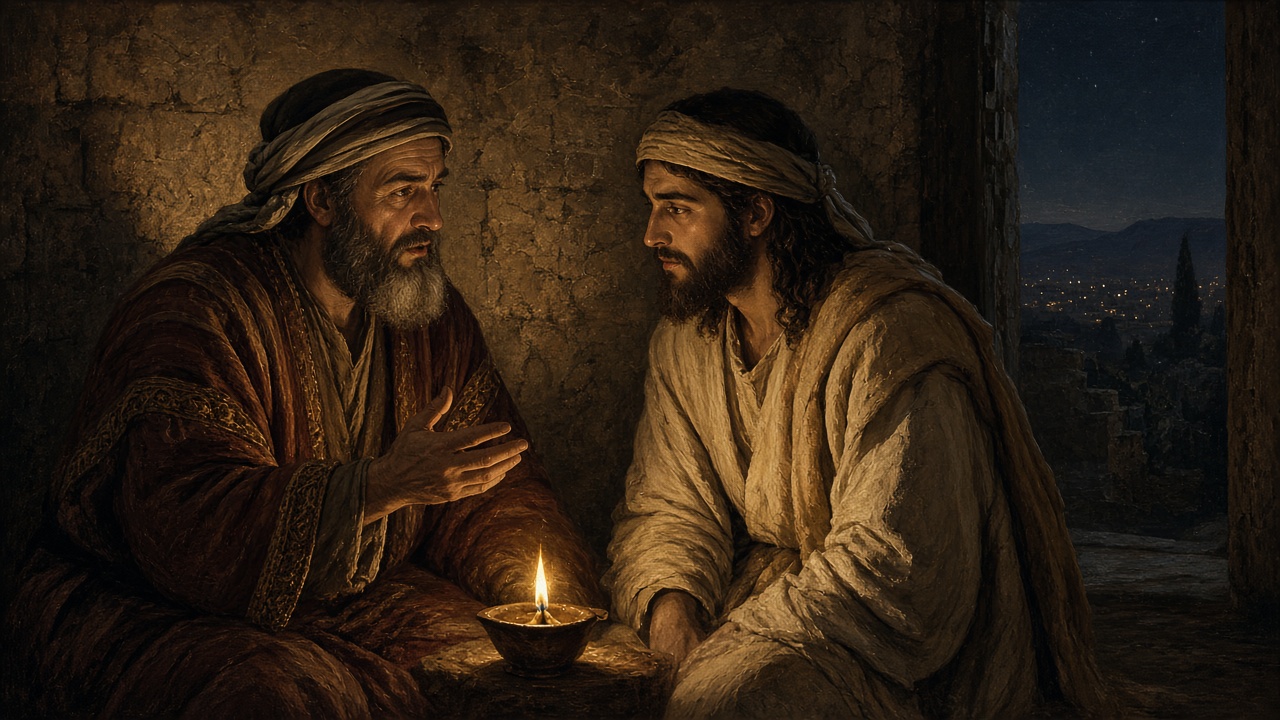
1Durɔ ɡoo wɑ̃ɑ Fɑlisibɑ sɔɔ wi bɑ rɑ nɛɛ Nikodɛmu, u sɑ̃ɑwɑ Yuubɑn tɔnwero. 2Durɔ wi, u dɑ Yesun mi sɔ̃ɔ teeru wɔ̃kuru, mɑ u nɛɛ, yinni, sɑ yɛ̃ mɑ Gusunɔwɑ nun ɡɔrimɑ ɑ kɑ sun keu sɔ̃ɔsi, domi ɡoo sɑri wi u koo kpĩ u sɔm mɑɑmɑɑkiɡii nini ko nìn bweseru ɑ rɑ ko, mɑ n kun mɔ Gusunɔ wɑ̃ɑ kɑ yɛ̃ro.
3Mɑ Yesu u nɛɛ, kɑ ɡeemɑ, nɑ nun sɔ̃ɔmɔ, mɑ n kun mɔ bɑ tɔnu mɑrɑ nɔn mɛɛruse, u ǹ kpɛ̃ u ko bɑn te Gusunɔ u swĩiɡii.
4Nikodɛmu u nùn bikiɑ u nɛɛ, ɑmɔnɑ bɑ koo tɔnu mɑ kpɑm sɑnɑm mɛ u bukurɑ. U koo kpĩ u wurɑ win mɛron nukurɔ bu sere nùn mɑ nɔn mɛɛruse?
5Yesu u nùn wisɑ u nɛɛ, ɡeemɑ nɑ nun sɔ̃ɔmɔ, ɡoo sɑri wi u koo kpĩ u ko bɑn te Gusunɔ u swĩiɡii mɑ n kun mɔ bɑ nùn mɑrɑ kɑ nim kɑ Gusunɔn Hunde. 6Tɔnuwɑ tɔnu u rɑ mɑ, Gusunɔn Hunde mɑɑ, hundewɑ u rɑ mɑ. 7A ku biti ko yèn sɔ̃ nɑ nun sɔ̃ɔmɔ mɑ bɑ ǹ koo ko bɑ kun tɔnu mɑrɑ nɔn mɛɛruse. 8Woo ɡɑ mɔ̀ mi ɡɑ kĩ, mɑ ɑ ɡen dɑmu nɔɔmɔ, ɑdɑmɑ ɑ ǹ yɛ̃ mìn di ɡɑ nɑ kɑ mi ɡɑ dɔɔ. Mɛyɑ n sɑ̃ɑ kɑ bɑɑwure wi Gusunɔn Hunde u mɑrɑ.
9Mɑ Nikodɛmu nùn bikiɑ u nɛɛ, ɑmɔnɑ yɑbu ye, yɑ koo kɑ koorɑ mɛ.
10Yesu u nɛɛ, wunɛ wi ɑ keu sɔ̃ɔsimɔ Isirelibɑn mi, mɑ ɑ kun yɑbu yeni yɛ̃? 11Kɑ ɡeemɑ nɑ nun sɔ̃ɔmɔ, bɛsɛ sɑ ɡerumɔwɑ ye sɑ yɛ̃, mɑ sɑ yen ɑreru dimɔ ye sɑ wɑ. Kɑ mɛ, i ǹ kĩ i bɛsɛn ɑreru wurɑ. 12I ǹ mɑn nɑɑnɛ doke sɑnɑm mɛ nɑ bɛɛ hɑnduniɑ yen ɡɑri sɔ̃ɔmɔ. Amɔnɑ i ko kɑ nɑɑnɛ doke nɑ̀ n bɛɛ Gusunɔ wɔllun ɡɑri sɔ̃ɔwɑ. 13Goo sɑri wi u yɔɔwɑ Gusunɔ wɔllɔ mɑ n kun mɔ Tɔnun Bii, wi u sɑrɑmɑ sɑɑ Gusunɔ wɔllun di.
14Nɡe mɛ Mɔwisi u wɑɑ suɑ wɔllɔ ɡbɑburu sɔɔ, nɡe mɛyɑ Tɔnun Bii wi, u ǹ koo ko u kun suɑre tem di, 15kpɑ bɑɑwure wi u nùn nɑɑnɛ doke u n wɑ̃ɑru mɔ te tɑ ku rɑ kpe. 16Domi Gusunɔ u hɑnduniɑɡibun kĩru mɔ, sere u win Bii tɔn durɔ teereru bu wɛ̃, kpɑ bɑɑwure wi u nùn nɑɑnɛ doke, u ku kɑm ko, ɑdɑmɑ u n wɑ̃ɑru mɔ te tɑ ku rɑ kpe. 17Gusunɔ u ǹ win Bii ɡɔrimɛ hɑnduniɑɔ u kɑ hɑnduniɑ tɑɑrɛ wɛ̃, ɑdɑmɑ hɑnduniɑ yu kɑ fɑɑbɑ wɑɑrɑwɑ sɑɑ win min di.
18Bɑɑwure wi u nùn nɑɑnɛ doke, bɑ ǹ nùn tɑɑrɛ wɛ̃ɛmɔ, ɑdɑmɑ wi u kun nùn nɑɑnɛ doke bɑ yɛ̃ro tɑɑrɛ wɛ̃ kɔ, yèn sɔ̃ u ǹ Gusunɔn Bii teereru nɑɑnɛ doke. 19N wee mìn di tɑɑrɛ wɛ̃ɛbu nɑ. Yɑm bururɑm mu nɑ hɑnduniɑɔ, ɑdɑmɑ tɔmbɑ yɑm wɔ̃kuru kĩɑ n yɑm bururɑm kere yèn sɔ̃ ben kookoosu kun wɑ̃ si bɑ mɔ̀. 20Domi bɑɑwure wi u dɑɑ kɔ̃sɑ mɔ̀, u rɑ n yɑm bururɑm tusɑwɑ. U ku rɑ mɑɑ nɛ yɑm bururɑm sɔɔ, kpɑ win kookoosu su ku rɑɑ sɔ̃ɔsire. 21Adɑmɑ wi u ɡeɑ mɔ̀, wiyɑ rɑ nɛ yɑm bururɑm sɔɔ kpɑ bu kɑ wɑ mɑ win kookoosu su koorɑmɔwɑ Gusunɔn min di.
Yesu kɑ Yohɑnu
22Amɛn biru Yesu kɑ win bwɑ̃ɑbu bɑ dɑ Yudeɑn temɔ. Miyɑ u kɑ bu sinɑ, mɑ u derɑ bɑ tɔmbu bɑtɛmu mɔ̀. 23Yohɑnun tii u tɔmbu bɑtɛmu mɔ̀ Enɔnuɔ, Sɑlimun bɔkuɔ, yèn sɔ̃ nim yibɑ mi. Mɑ tɔmbɑ dɑɑmɔ win mi, u bu bɑtɛmu mɔ̀. 24Sɑɑ ye, bɑ ǹ ɡinɑ Yohɑnu pirisɔm diru dokem kpɑ.
25Sɑnɑm mɛyɑ sikirinɔ ɡɑ seewɑ Yohɑnun bwɑ̃ɑbu kɑ Yuu ɡoon suunu sɔɔ sɑ̃rɑsiɑbun ɡɑrin sɔ̃. 26Mɑ bɑ dɑ Yohɑnun mi, bɑ nɛɛ, yinni ɑ durɔ wi yɑɑye? Wi u rɑɑ wɑ̃ɑ kɑ wunɛ sɑnnu Yuudɛnin ɡuruɔ, wìn seedɑ ɑ di? N wee, u mɑɑ derɑ bɑ tɔmbu bɑtɛmu mɔ̀ ni. Tɔmbu kpuro bɑ mɑɑ dɑɑmɔ win mi.
27Yohɑnu u bu sɔ̃ɔwɑ u nɛɛ, ɡoo sɑri wi u koo ɡɑ̃ɑnu wɑ mɑ n kun mɔ ni Gusunɔ u nùn wɛ̃. 28Bɛɛn tii i sɑ̃ɑ nɛn seedɑɡibu ye nɑ ɡeruɑ mɑ n ǹ nɛ, Kirisi wi, ɑdɑmɑ bɑ mɑn ɡɔrimɑwɑ n kɑ nùn swɑɑ ɡbiiyɑ. 29I ǹ yɛ̃ mɑ wi u kurɔ kpɑo mɔ, wiyɑ kurɔ kpɑon durɔ? Durɔ win bɔrɔ wi u nùn yɔ̃re u win nɔɔ nɔɔmɔ, wiyɑ nuku dobu mɔ. Yen sɔ̃nɑ nɛn tiin nuku dobu yibɑ. 30Yesun bɛɛrɛ yɑ koo sosiwɑ, kpɑ nɛɡiɑ yu kɑɑrɑ.
Wi u nɑ sɑɑ Gusunɔ wɔllun di
31Wi u nɑ sɑɑ wɔllun di u kpuro kere. Wi u wɑ̃ɑ hɑnduniɑɔ, hɑnduniɑɡiiwɑ u sɑ̃ɑ, hɑnduniɑɡiɑ u rɑ n ɡerumɔ. Wi u mɑɑ nɑ sɑɑ wɔllun di u kpuro kere. 32Ye u wɑ kɑ ye u nuɑ, yen ɑrerɑ u dimɔ. Adɑmɑ ɡoo sɑri wi u win ɑreru wurɑ. 33Bɑɑwure wi u win ɑreru wurɑ, u seedɑ diwɑ mɑ Gusunɔ sɑ̃ɑ ɡeeɡii. 34Wi Gusunɔ u ɡɔrimɑ, wiyɑ u Gusunɔn ɡɑri ɡerumɔ, domi Gusunɔn Hunde yibɑwɑ wi sɔɔ. 35Bɑɑbɑ u win Bii kĩ, mɑ u nùn yɑbu kpuro nɔmu sɔndiɑ. 36Wi u Bii nɑɑnɛ doke u wɑ̃ɑru mɔ te tɑ ku rɑ kpe. Wi u kun mɑɑ Bii wi mɛm nɔɔwɛ, u ǹ wɑ̃ɑ te wɑsi, ɑdɑmɑ Gusunɔn mɔru wɑ̃ɑ yɛ̃ron wirɔ.
Did you know?
New birth and John's witness
- Nicodemus, whose name means "the people is victor," was a Pharisee and a member of the Sanhedrin. He came to Jesus at night to learn more of his teaching, and the Gospel calls him a leader of the Jews; Jesus addresses him as Israel's teacher.Sources: Nicodemus · the Bible text itself
- After this conversation, Jesus and his disciples went into the Judean countryside, under the Romans the southernmost of the three divisions of Palestine. John was also baptizing at Aenon near Salim, because water was plentiful there; Salim, whose name means "peaceful," lay west of the Jordan. Aenon means "springs," and Easton's Bible Dictionary (1897) places it probably near the upper source of the Wady Far'ah, an open valley full of springs running from Mount Ebal to the Jordan.Sources: the Bible text itself · Judea · Aenon · Salim
- In this chapter John tells his disciples that he is not the Christ but was sent ahead of him, and the narrative notes that he had not yet been thrown into prison. Easton's Bible Dictionary (1897) describes him as the forerunner of Jesus, of priestly descent, and says that his mission was the subject of prophecy.Sources: the Bible text itself · John the Baptist
Notes written with AI assistance from open sources (Theographic Bible Metadata, CC BY-SA 4.0; Easton’s Bible Dictionary, public domain) and reviewed before publishing.
Places in this chapter
- Jerusalem · 31.777, 35.234 · verse 22
- Judea · Today: Judea 1 · 31.777, 35.234 · verse 22
- Jordan · Today: Jordan River · 31.761, 35.558 · verse 26
Only places identified with high confidence are shown (90% or more according to the scholarly sources compiled by OpenBible). Period map: DARE (Digital Atlas of the Roman Empire), CC BY 4.0; modern map: © OpenStreetMap contributors; places: OpenBible.info (CC BY 4.0).
Credits and license for this translation
Bibeli Gusunɔn Gari
The Holy Bible in the Baatonum language of Benin, also called the Bariba language
copyright © 2013 SIM
Language: Bariba (Baatonum)
Translation by: SIM International
Bariba, Bibeli Gusunɔn Gari
This translation, published by the UEEB/SIM au Benin, was published in 1996.
If you are interested in obtaining a printed copy, please contact the SIM at SIM, BP 15, Parakou, Benin.
This translation text is made available to you under the
terms of the Creative Commons License: Attribution-Noncommercial-No Derivative Works.
( http://creativecommons.org/licenses/by-nc-nd/3.0/ )
In addition, you have permission to port the text to different file formats, as long as you
do not change any of the text or punctuation of the Bible.
You may share, copy, distribute, transmit, and extract portions
or quotations from this work, provided that you include the above copyright
information:
You must give Attribution to the work.
You do not sell this work for a profit.
You do not make any derivative works that change any of the actual words or punctuation of the Scriptures.
Permissions beyond the scope of this license may be
available if you contact
us with your request.
This translation is made available to you under the terms of the
Creative Commons Attribution-Noncommercial-No Derivatives license 4.0.
You may share and redistribute this Bible translation or extracts from it in any format, provided that:
You include the above copyright and source information.
You do not sell this work for a profit.
You do not change any of the words or punctuation of the Scriptures.
Pictures included with Scriptures and other documents on this site are licensed just for use with those Scriptures and documents.
For other uses, please contact the respective copyright owners.
2014-09-10
Source: http://ebible.org/bba/ · eBible.org