John 10
Bibeli Gusunɔn Gari · Tap a verse to see its cross-references.
Yɑ̃ɑnu kɑ nin kpɑron mɔndu
1Yen biru Yesu u nɛɛ, kɑ ɡeemɑ nɑ bɛɛ sɔ̃ɔmɔ, ɡoo wi u kun dumɔ yɑ̃ɑ ɡɔ̃rɔ sɑɑ kɔnnɔn di mɑ u yɔɔmɔ u suremɔ ɡɑm di, wiyɑ sɑ̃ɑ ɡbɛnɔ kɑ wɔro. 2Adɑmɑ wi u kɔnnɔn di dumɔ wiyɑ yɑ̃ɑnun kpɑro. 3Kɔnnɔ kɔ̃so u rɑ nùn kɛniɛ, yɑ̃ɑnu rɑ n mɑɑ win nɔɔ nɔɔmɔ. U rɑ win yɑ̃ɑnu soku bɑɑtere kɑ ten yĩsiru kpɑ u nu yɑrɑ tɔɔwɔ. 4Sɑnɑm mɛ u nu yɑrɑ tɔɔwɔ kpuro, u rɑ nu ɡbiiye kpɑ nu n nùn swĩi yèn sɔ̃ nu win nɔɔ yɛ̃. 5Nu ǹ wurɑmɔ nu tɔn tuko swĩi, ɑdɑmɑ nu koo dukɑ suwɑ n tomɑ sɑɑ win min di yèn sɔ̃ nu ǹ win nɔɔ yɛ̃.
6Yesu u bu mɔn te kuɑ ɑdɑmɑ bɑ ǹ tubɑ ye u kɑ yɑ̃.
Yesuwɑ yɑ̃ɑ kpɑro ɡeo
7Yen sɔ̃nɑ Yesu u kpɑm nɛɛ, kɑ ɡeemɑ nɑ bɛɛ sɔ̃ɔmɔ, nɛnɑ nɑ yɑ̃ɑ ɡɔ̃run kɔnnɔ. 8Be bɑ mɑn ɡbiiye mi kpuro, ɡbɛnɔbu kɑ wɔrobɑ bɑ sɑ̃ɑ. Yɑ̃ɑnu kun ben ɡɑri swɑɑ dɑki. 9Nɛn tiiwɑ kɔnnɔ ɡe. Bɑɑwure wi u dumɔ sɑɑ nɛn min di wiyɑ bɑ koo fɑɑbɑ ko. U koo du, u koo mɑɑ yɑri, u koo mɑɑ dii yeru wɑ. 10Gbɛnɔ u rɑ nɛwɑ u kɑ ɡbɛni u ɡo kpɑ u sɑnku. Adɑmɑ nɛ nɑ nɑwɑ yɑ̃ɑnu nu n kɑ wɑ̃ɑru mɔ, kpɑ nu n tu mɔ mɑm mɑm.
11Nɛn tiiwɑ yɑ̃ɑ kpɑro ɡeo. Yɑ̃ɑ kpɑro ɡeo u rɑ win wɑ̃ɑru wɛ̃wɑ win yɑ̃ɑnun sɔ̃. 12Adɑmɑ sɔm kowo wi u kun sɑ̃ɑ kpɑro mɑ yɑ̃ɑnu kun sɑ̃ɑ win tiiɡinu, ù n dɛmɑku wɑɑmɑ ɡɑ sisi, u koo yɑ̃ɑnu deri u yɑkurɑwɑ. Kpɑ dɛmɑku ɡu yɑ̃ɑnu mwɑ ɡu ni nu tie yɑrinɑsiɑ. 13Durɔ wi, u koo yɑkurɑ yèn sɔ̃ ɡobin sɔmburɑ u mɔ̀, u ǹ mɑɑ yɑ̃ɑ nin wɔnwɔndu mɔ. 14Nɛnɑ yɑ̃ɑ kpɑro ɡeo. Nɡe mɛ Bɑɑbɑ mɑn yɛ̃ mɑ nɑ mɑɑ Bɑɑbɑ yɛ̃, nɡe mɛyɑ nɑ nɛn yɑ̃ɑnu yɛ̃, nu mɑɑ mɑn yɛ̃. Nɑ mɑɑ nɛn wɑ̃ɑru wɛ̃ɛmɔ yɑ̃ɑ nin sɔ̃. 16Nɑ mɑɑ yɑ̃ɑnu ɡɑnu mɔ ni nu kun wɑ̃ɑ yɑ̃ɑ ɡɔ̃ɔ teni sɔɔ. Niyɑ nɑ ǹ kon ko nɑ kun mɑɑ kɑ nɛ. Nu koo mɑɑ nɛn nɔɔ nɔ, kpɑ nu ko ɡɔ̃ɔ teeru, kpɑ nu n kpɑro turo mɔ.
17Yen sɔ̃nɑ Bɑɑbɑ u mɑn kĩ yèn sɔ̃ nɑ nɛn wɑ̃ɑru wɛ̃ɛmɔ kpɑ n kpɑm wɑ n tu mwɑ. 18Goo kun kpɛ̃ u tu wɔrɑ nɛn nɔmun di. Nɑ tu wɛ̃ɛmɔ kɑ nɛn tii. Nɑ yiiko mɔ n kɑ tu wɛ̃, nɑ mɑɑ yiiko mɔ n kɑ tu mwɑ. Woodɑ yerɑ nɑ mwɑ sɑɑ nɛn Bɑɑbɑn min di.
19Ye Yuubɑ bɑ yeni nuɑ, sikirinɔ ɡɑ kpɑm duɑ ben suunu sɔɔ ɡɑri yin sɔ̃. 20Tɔn dɑbiru be sɔɔ, bɑ ɡeruɑ bɑ nɛɛ, wiirowɑ, wɛrɛkunu mɑɑ nùn wɑ̃ɑsi. Mbɑ n kuɑ bɑ kɑ nùn swɑɑ dɑki.
21Adɑmɑ ɡɑbɑ nɛɛ, n ǹ wɛrɛkunuɡiin ɡɑri mi. Wɛrɛkunu koo kpĩ nu wɔ̃ko yɑm wɑɑsiɑ?
Yuubɑ bɑ Yesu yinɑ
22Sɑɑ yɑ turɑ ye bɑ koo kɑ tɔ̃ɔ bɑkɑru ɡɑru ko Yerusɑlɛmuɔ te bɑ rɑ soku sɑ̃ɑ yerun dɛɛrɑsiɑbu . Sɑɑ ye, yɑ sɑ̃ɑwɑ woorun sɑnɑm. 23Mɑ Yesu u mɑɑ wɑ̃ɑ sɑ̃ɑ yerɔ u sĩimɔ ten bee tiɑɔ ye bɑ rɑ soku Sɑlomɔɔn kɔbɛ. 24Mɑ Yuubɑ bɑ nùn sikerenɑ bɑ nùn bikiɑ bɑ nɛɛ, sere sɑɑ yerɑ̀ kɑɑ n bɛsɛn lɑɑkɑri doke sikɑ sɔɔ. À n sɑ̃ɑn nɑ Kirisi wi, ɑ sun sɔ̃ɔwɔ kpɑsɑ kpɑsɑ.
25Mɑ Yesu u bu wisɑ u nɛɛ, nɑ rɑɑ bɛɛ sɔ̃ɔwɑ, ɑdɑmɑ i ǹ mɑn nɑɑnɛ doke. Sɔmɑ ye nɑ mɔ̀ kɑ nɛn Bɑɑbɑn yĩsiru, yeyɑ yɑ mɑn ɑreru diiyɑmmɛ. 26Adɑmɑ i ǹ nɑɑnɛ doke yèn sɔ̃ i ǹ sɑ̃ɑ nɛn yɑ̃ɑnu. 27Nɛn yɑ̃ɑnu nu nɛn nɔɔ nɔɔmɔ, nɑ nu yɛ̃, nu mɑɑ mɑn swĩi. 28Nɑ nu wɑ̃ɑru wɛ̃ɛmɔ te tɑ ku rɑ kpe, nu ǹ mɑɑ kɑm mɔ̀ kɑ bɑɑdommɑɔ, ɡoo mɑɑ sɑri wi u koo nu mwɑ nɛn nɔmun di. 29Nɛn Bɑɑbɑ wi u mɑn nu wɛ̃, u kpɑ̃ u kpuro kere, ɡoo mɑɑ sɑri wi u koo nu mwɑ sɑɑ nɛn Bɑɑbɑn nɔmun di. 30Nɛ kɑ Bɑɑbɑ sɑ sɑ̃ɑwɑ tiɑ.
31Mɑ Yuubɑ bɑ kpɑm kpenu dɔburɑ bu kɑ nùn kɑsuku. 32Yesu u bu sɔ̃ɔwɑ u nɛɛ, nɑ sɔm ɡee dɑbiru kuɑ bɛɛn wuswɑɑɔ kɑ Bɑɑbɑn yiiko. Sɔmbu ni sɔɔ, teren sɔ̃nɑ i kĩ i mɑn kɑsuku.
33Yuubɑ bɑ nùn wisɑ bɑ nɛɛ, sɑ ǹ nun kɑsukumɔ sɔm ɡeerun sɔ̃, ɑdɑmɑ yèn sɔ̃ ɑ Gusunɔ wɔmmɔ, yen sɔ̃nɑ. Wunɛ tɔnuwɑ, mɑ ɑ kĩ ɑ n tii mɔ̀ Gusunɔ.
34Yesu u nɛɛ, bɑ ǹ yoruɑ bɛɛn tiin woodɑ sɔɔ mɑ Gusunɔ u nɛɛ, “I sɑ̃ɑwɑ Wɔrukoon bibu?” 35Sɑ yɛ̃ ye Gusunɔn ɡɑri ɡerumɔ n sɑ̃ɑwɑ ɡem kɑ bɑɑdommɑɔ. Mɑ win tii u nɛɛ, bɑ sɑ̃ɑwɑ Wɔrukoon bibu be bɑ win ɡɑri mwɑ. 36Tɛ̃ nɛn tii mɑɑ, Bɑɑbɑ u mɑn ɡɔsɑ mɑ u mɑn ɡɔrimɑ hɑnduniɑɔ. Amɔnɑ i kɑ nɛɛ nɑ Gusunɔ wɔmmɔ yèn sɔ̃ nɑ ɡeruɑ mɑ nɛnɑ nɑ win Bii. 37Nɑ̀ kun nɛn Bɑɑbɑn sɔmburu mɔ̀, i ku mɑn nɑɑnɛ doke. 38Adɑmɑ nɑ̀ n tu mɔ̀, bɑɑ ì kun mɑn nɑɑnɛ doke, i sɔmbu te nɑɑnɛ dokeo kpɑ i n kɑ yɛ̃ sɑɑ tɛ̃n di sere kɑ bɑɑdommɑ mɑ Bɑɑbɑ wɑ̃ɑ nɛ sɔɔ, nɛ nɑ mɑɑ wɑ̃ɑ wi sɔɔ.
39Mɑ bɑ kpɑm swɑɑ kɑsu bu kɑ nùn mwɑ, ɑdɑmɑ u bu kisirɑri.
40Yesu u kpɑm Yuudɛnin dɑɑru tɔburɑ u dɑ mi Yohɑnu u ɡbiɑ u bɑtɛmu kuɑ, miyɑ u sinɑ. 41Mɑ tɔn dɑbiru bɑ nɑ win mi, bɑ nɛɛ, Yohɑnu u ǹ sɔm mɑɑmɑɑkiɡiru koore, ɑdɑmɑ ye u ɡeruɑ durɔ wini sɔɔ, ye kpuro ɡeemɑ.
42Mɑ tɔn dɑbirɑ nùn nɑɑnɛ doke mi.
Did you know?
The Good Shepherd
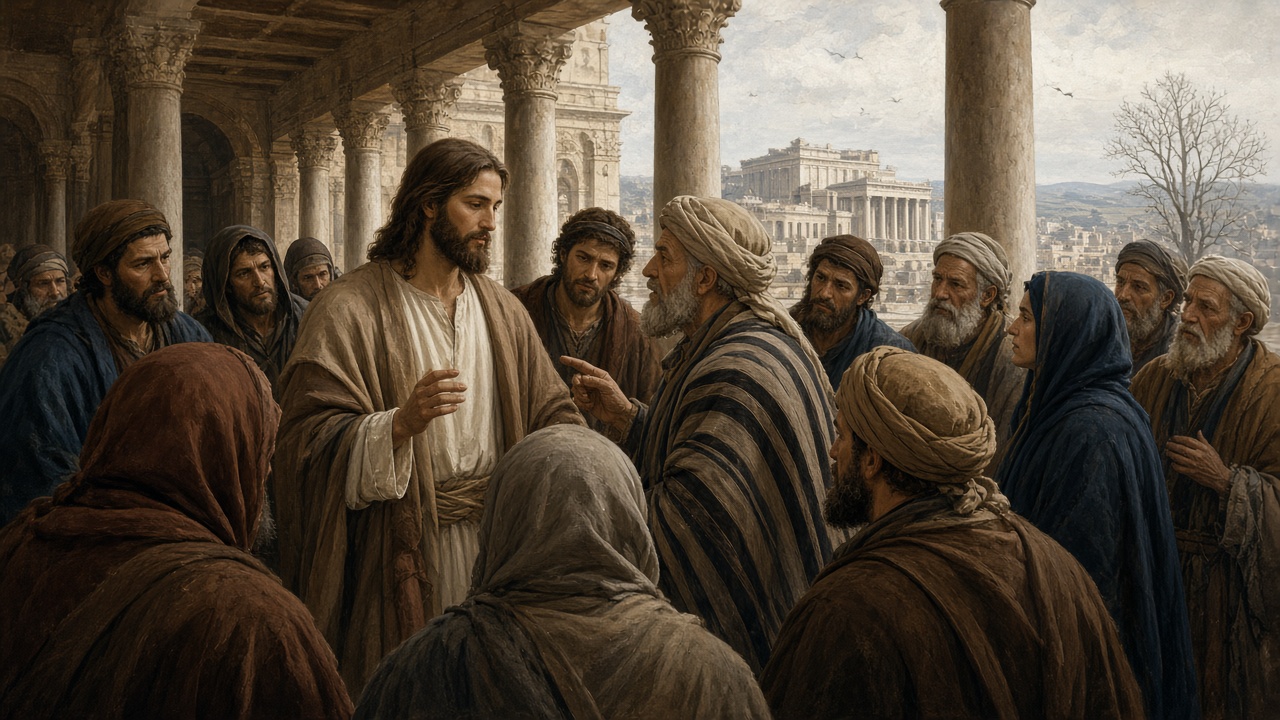
- During the Feast of Dedication in Jerusalem it was winter, and Jesus was walking in the temple courts in Solomon's Colonnade. The name Jerusalem, in a dual form, means "possession of peace" or "foundation of peace"; that form probably refers to the mountains of Zion and Moriah, or, as some suppose, to the upper and lower city. Solomon's Hebrew name, Shelomoh, means "peaceful."Sources: the Bible text itself · Jerusalem · Solomon
- A chronology of Gospel events dates the Good Shepherd teaching to AD 29, and dates a time of teaching and healing from Perea to Jerusalem to AD 30.Sources: The Good Shepherd Teaching · Teaching and Healing in Perea to Jerusalem
- Jesus then went back across the Jordan to the place where John had first been baptizing, and many people there believed in him. John was of priestly descent: his father, Zacharias, was a priest of the course of Abia, and his mother, Elisabeth, was of the daughters of Aaron. His birth, six months before that of Jesus, was foretold by an angel; those who came said that John never performed a sign, yet everything he had said about Jesus was true.Sources: the Bible text itself · John the Baptist
Notes written with AI assistance from open sources (Theographic Bible Metadata, CC BY-SA 4.0; Easton’s Bible Dictionary, public domain) and reviewed before publishing.
Places in this chapter
- Jerusalem · 31.777, 35.234 · verse 22
- Solomon’s Portico · Today: in Jerusalem · 31.777, 35.234 · verse 23
- Jordan · Today: Jordan River · 31.761, 35.558 · verse 40
Only places identified with high confidence are shown (90% or more according to the scholarly sources compiled by OpenBible). Period map: DARE (Digital Atlas of the Roman Empire), CC BY 4.0; modern map: © OpenStreetMap contributors; places: OpenBible.info (CC BY 4.0).
Credits and license for this translation
Bibeli Gusunɔn Gari
The Holy Bible in the Baatonum language of Benin, also called the Bariba language
copyright © 2013 SIM
Language: Bariba (Baatonum)
Translation by: SIM International
Bariba, Bibeli Gusunɔn Gari
This translation, published by the UEEB/SIM au Benin, was published in 1996.
If you are interested in obtaining a printed copy, please contact the SIM at SIM, BP 15, Parakou, Benin.
This translation text is made available to you under the
terms of the Creative Commons License: Attribution-Noncommercial-No Derivative Works.
( http://creativecommons.org/licenses/by-nc-nd/3.0/ )
In addition, you have permission to port the text to different file formats, as long as you
do not change any of the text or punctuation of the Bible.
You may share, copy, distribute, transmit, and extract portions
or quotations from this work, provided that you include the above copyright
information:
You must give Attribution to the work.
You do not sell this work for a profit.
You do not make any derivative works that change any of the actual words or punctuation of the Scriptures.
Permissions beyond the scope of this license may be
available if you contact
us with your request.
This translation is made available to you under the terms of the
Creative Commons Attribution-Noncommercial-No Derivatives license 4.0.
You may share and redistribute this Bible translation or extracts from it in any format, provided that:
You include the above copyright and source information.
You do not sell this work for a profit.
You do not change any of the words or punctuation of the Scriptures.
Pictures included with Scriptures and other documents on this site are licensed just for use with those Scriptures and documents.
For other uses, please contact the respective copyright owners.
2014-09-10
Source: http://ebible.org/bba/ · eBible.org