Jeremiah 2
Bibeli Gusunɔn Gari · Tap a verse to see its cross-references.
1Yinni Gusunɔ u mɑn sɔ̃ɔwɑ u nɛɛ, 2n doo n bɛɛ Yerusɑlɛmuɡibu sɔ̃ n nɛɛ,
u yɑɑye nɡe mɛ i nùn kĩɑ yellu nɡe kurɔ kpɑo,
i kɑ nùn swĩi ɡbɑbu tèn mi ɡɑ̃ɑnu ku rɑ kpi.
3Bɛɛ Isirelibɑ, i rɑɑ wɑ̃ɑwɑ wi turon sɔ̃.
I sɑ̃ɑwɑ win ɑrumɑni ye u tii ɡɔsiɑ.
Wi u nɑ u bɛɛ ɡurɑ, wɑhɑlɑ yɑ rɑ yɛ̃ro deemɛwɑ.
Wi, Yinni Gusunɔwɑ u yeni ɡeruɑ.
4Tɛ̃, bɛɛ Isirelibɑ,
bɛɛ be i sɑ̃ɑ Yɑkɔbun bweseru,
i swɑɑ dɑkio i nɔ.
5Yinni Gusunɔ u nɛɛ,
torɑ terɑ̀ bɛɛn sikɑdobɑ bɑ nùn wɑɑsi bɑ kɑ nùn deri,
bɑ dɑ bɑ kɑm swĩi,
mɑ ben tii bɑ kɑm kuɑ.
6Bɑ ǹ tii bikie bu nɛɛ,
mɑnɑ wi, Yinni Gusunɔ u wɑ̃ɑ, wi, wi u bu yɑrɑmɑ Eɡibitin di.
Mɑnɑ u wɑ̃ɑ, wi, wi u kɑ bu dɑ ɡbɑburɔ mi ɡɑ̃ɑnu ku rɑ kpi.
Gbɑbu te sɔɔ, nim sɑri,
dɔkɔ kpirinɑ nu yibɑ,
wɑ̃ɑrɑ mɑɑ sɛ̃ mi.
Yen sɔ̃nɑ ɡoo kun wɑ̃ɑ mi,
ɡoo ku rɑ mɑɑ sĩ mi.
7Yen biru, u kɑ bu dɑ mi tem ɡem wɑ̃ɑ,
kpɑ bu kɑ mɛn dɑ̃ɑ bii duronu kɑ mɛn dĩɑ ɡeenu di.
Adɑmɑ ye bɑ turɑ mi,
bɑ tem mɛ sɑnkɑ,
bɑ mu disi doke.
8Ben yɑ̃ku kowobu bɑ ǹ bikie bu nɛɛ,
mɑnɑ Yinni Gusunɔ u wɑ̃ɑ.
Mɛyɑ mɑɑ woodɑ yɛ̃robu bɑ ǹ nùn ɡie.
Ben wiruɡibu bɑ nùn seesi.
Bũu wi bɑ mɔ̀ Bɑɑli, win ɡɑriyɑ Gusunɔn sɔmɔbu bɑ swĩi bɑ kɑ ɡɑri mɔ̀.
Mɑ bɑ dɑ bɑ bũnu sɑ̃wɑ ni nu ǹ bu ɑrufɑɑni ɡɑɑ wɛ̃ɛmɔ.
9Yen sɔ̃nɑ u koo bɛɛ kɑ bɛɛn bibun bweseru siribu soku.
10I be bɑ wɑ̃ɑ nim wɔ̃kun tem bure te bɑ sokumɔ Sipu mɛɛrio.
I ɡoo ɡɔrio Kedɑɑɔ
u mɛɛri sɑ̃ɑ sɑ̃ɑ u kɑ wɑ
bɑ̀ n mɔ̀ nɡe bɛɛ,
11u kɑ wɑ bweseru ɡɑru tɑ̀ n ten bũnu kɔsire
bɑɑ mɛ nu ǹ sɑ̃ɑ ɡem,
nɡe mɛ bɛɛ, i Gusunɔ deri
wi u sɑ̃ɑ bɛɛn bɛɛrɛ.
Mɑ i wurɑ yè sɔɔ i ǹ ɑrufɑɑni ɡɑɑ wɑsi.
12Yinni Gusunɔ u nɛɛ,
bɛɛ wɔlluɡibu, i biti sooro yenin sɔ̃,
kpɑ i wɛ̃nu wurɑ.
13Wee win tɔmbu bɑ durum yiru kuɑ.
Bɑ nùn deri, wi, wi u sɑ̃ɑ nɡe nim ɡem mɛ mu koo nɔrurɑ,
mɑ bɑ dɑ bɑ bũnu swĩi ni nu sɑ̃ɑ nɡe dɔkɔ kpiri ni nu ǹ nim nɛnumɔ.
Isirelibɑn nɑɑnɛ sɑrirun ɑre
14Isirelibɑ, i ǹ sɑ̃ɑ yobu.
Bɑ ǹ bɛɛ mɑrɑ yoru sɔɔ.
Ǹ n mɛn nɑ, mbɑn sɔ̃nɑ bɛɛn yibɛrɛbɑ bɑ bɛɛ nɑɑ swĩi nɡe ɡbeeku yɛɛ.
15Wee bɑ bɛɛ kukirisi nɡe ɡbee sinɑnsu.
Bɑ bɛɛn tem yɑ̃nu ɡurɑ,
mɑ bɑ bɛɛn wusu dɔ̃ɔ mɛniki,
ɡoo mɑɑ sɑri mi.
16Nɔfu kɑ Tɑpɑnɛsiɡibun tii
bɑ koo bɛɛ kɔni bu pɔɔru wokɑ
bu kɑ bɛɛ yoru mwɛɛri.
17Yeni yɑ koo bɛɛ deemɑ,
domi i Gusunɔ bɛɛn Yinni deri sɑnɑm mɛ u bɛɛ kpɑre swɑɑ ɡeɑ sɔɔ.
18Ì n dɑ i tii Asiriɡibu
ǹ kun mɛ Eɡibitiɡibu wɛ̃,
i ben dɑɑrun nim nɔrumɔ,
mbɑ i ko wɑ.
19I n yɛ̃ mɑ bɛɛn nuku kɔ̃suru kɑ bɛɛn nɑɑnɛ sɑriru tɑ koo bɛɛ nɔni sɔ̃.
Sɑɑ ye sɔɔrɑ i ko wɑ,
kpɑ i ɡiɑ mɑ ɡɑ̃ɑ kɔ̃sunɑ i kuɑ mi,
ye i kɑ mɑn deri,
i ǹ mɑɑ mɑn nɑsie.
Nɛ, Gusunɔ wɔllu kɑ tem Yinniwɑ nɑ yeni ɡeruɑ.
Isirelibɑ bɑ sɑ̃ɑwɑ nɡe kurɔ
wi u kun nɑɑnɛ mɔ
20Yinni Gusunɔ u nɛɛ,
sɑɑ yellun di, i tii yoru yɑrɑ,
i suɡu kɑ yɔni yi bɑ rɑɑ bɛɛ doke kɑsukɑ.
Mɑ i nɛɛ, i ǹ mɑɑ kĩ i mɑn yoru diiyɑ.
Mɑ i dɑ ɡunɡunu wɔllɔ kɑ dɑ̃ɑ kubenɔ
i bũnu ɡɑsirimɔ i sɑ̃ɑmɔ.
21Yellu, nɑ bɛɛn bweseru duurɑwɑ
nɡe resɛm dɑ̃ɑ ɡeeru te tɑ kpuro kere,
ɑdɑmɑ tɛ̃, i kɔsɑ i kuɑ
nɡe resɛm dɑ̃ɑ te tɑ yinɑ.
22Bɑɑ ì n woburɑ kɑ werem mɛ mu ɡɛm durom mɔ,
kɑ mɛ, ko nɑ n bɛɛn disi yi wɑɑmɔwɑ.
Nɛ, Yinni Gusunɔwɑ nɑ yeni ɡeruɑ.
23Amɔnɑ i ko kpĩ i siki i nɛɛ,
i ǹ tii disi koosi,
i ǹ bũu wi bɑ mɔ̀ Bɑɑli sɑ̃wɑ.
I bɛɛn nɑɑsun yirɑ mɛɛrio wɔwɑ sɔɔ.
I de i wurɑ ye i kuɑ,
bɛɛ be i sɑ̃ɑ nɡe yooyoo niu
ɡe ɡɑ bɔsu ɡɑ durɔbu kɑsu.
24Bɛɛ be i sɑ̃ɑ nɡe ɡbeeku kɛtɛku niu
ɡe ɡɑ ɡbɑburun dɔɔnɛ mɔ.
Gen yɔɔbun sɑɑ sɔɔ,
ɡɑ rɑ n yɔ̃ɔkumɔwɑ,
ɡoo kun kpɛ̃ u ɡu yɔ̃rɑsiɑ.
Kɛtɛku dwɑɑ ye yɑ ɡu kɑsu kpuro,
yɑ ku rɑ wɑsire yu kɑ ɡu wɑ.
Domi yɑ rɑ ɡu deemɛwɑ ɡen yɔɔbun sɑɑ sɔɔ.
25Bɛɛ Isirelibɑ, nɑ nɛɛ,
i ku bũnu ɡɑsiri sere bɛɛn bɑrɑnu nu diirɑ,
kpɑ nim nɔru ɡu bɛɛ ɡo.
Adɑmɑ i ǹ wure.
Mɑ i nɛɛ, n ǹ koorɔ,
domi niyɑ i kĩ,
i ko mɑɑ nu swĩi i sɑ̃wɑ.
Bɑ koo Isirelibɑ sɛɛyɑsiɑ
26Nɡe mɛ sekuru tɑ rɑ ɡbɛnɔ mwɛ
bɑ̀ n nùn mwɑ subɑru sɔɔ,
nɡe mɛyɑ bɛɛ Isirelibɑ kɑ bɛɛn sinɑmbu
kɑ bɛɛn wiruɡibu kɑ bɛɛn yɑ̃ku kowobu
kɑ Gusunɔn sɔmɔbu i ko i sekuru wɑ.
27Domi i bũu dɑ̃ru sokumɔ bɛɛn bɑɑbɑ,
mɑ i mɑɑ kperu sokumɔ bɛɛn mɛro.
Wee bɛɛ Isirelibɑ kpuro i mɑn biru kisi,
i ǹ mɑɑ mɑn mɛɛrimɔ.
Adɑmɑ ì n wɑ̃ɑ wɑhɑlɑ sɔɔ,
i rɑ nɛɛwɑ, n seemɑ n bɛɛ fɑɑbɑ ko.
28Bɛɛ Yudɑbɑ, bɛɛn bwɑ̃ɑroku ni i tii sekuɑ
nu kɑ bɛɛn wusu ɡeeru nɛ mi,
mɑnɑ nu wɑ̃ɑ.
Nu seewo nu bɛɛ fɑɑbɑ ko wɑhɑlɑn sɑɑ sɔɔ
nù n koo kpĩ.
29Mbɑn sɔ̃nɑ i kɑ mɑn sikirinɑmɔ.
Wee bɛɛ kpuro i ǹ kɑ mɑn yɔ̃re.
30Kɑm sɔɔrɑ nɑ bɛɛ sɛɛyɑsiɑ.
I ǹ nɛn sɛɛyɑsiɑ bi ɡɑrisi ɡɑ̃ɑnu.
I Gusunɔn sɔmɔbu wɔri i ɡo
nɡe mɛ ɡbee sunɔ ɡɑ rɑ yɑɑ wɔri ɡu ɡo.
31Bɛɛ Isirelibɑ, bɛɛ be i tie, i nɛ, Yinni Gusunɔn ɡɑri swɑɑ dɑkio i nɔ.
Nɑ bɛɛ sɑ̃ɑwɛwɑ nɡe tem mi ɡɑ̃ɑnu ku rɑ kpi?
Nɑ bɛɛ sɑ̃ɑwɛwɑ nɡe yɑm wɔ̃ku nɑnumɡiru?
Mbɑn sɔ̃nɑ bɛɛ nɛn tɔmbu i ɡerumɔ i mɔ̀,
i tii mɔ,
i ǹ ɡɔsirɑmɑmɔ nɛn mi.
32Wɔndiɑ u rɑ win burɑ yɑ̃nu duɑri ro?
Kurɔ kpɑo u rɑ win sɔnditiɑ duɑri?
Amɔnɑ bɛɛ nɛn tɔmbu i kɑ mɑn duɑri n kɑ tɛ mɛ,
nɑ ǹ mɑm yen tɔ̃nun ɡeeru yɛ̃.
33I durɔ dɑmɑ bwisi mɔ sere kurɔ tɑnɔbu bɑ yi ɡiɑmɔ bɛɛn min di.
34Wee tɔn be bɑ ǹ toren yɛm mu yibɑ bɛɛn yɑbenɔ
be, be i ǹ kɑ ɡɑ̃ɑ kɔ̃sunu ɡɑnu mwɛ.
35Kɑ mɛ, i tii sokumɔ be bɑ dɛɛre.
Mɑ i mɔ̀, nɛ, Yinni Gusunɔn mɔru yu bɛɛ doonɑri.
Adɑmɑ kon bɛɛ siribu soku yèn sɔ̃ i mɔ̀, i ǹ durum mɔ.
36Mbɑn sɔ̃nɑ i sirenɛ i kɑ swɑɑ kɔsi.
Eɡibitiɡibɑ koo bɛɛ sekuru doke
nɡe mɛ Asiriɡibɑ bɛɛ kuɑ.
37Kpɑ i yɑri min di i n tuke.
Domi nɛ, Yinni Gusunɔ nɑ be i nɑɑnɛ sɑ̃ɑ mi yinɑ.
I ǹ mɑɑ somiru ɡɑru wɑsi ben min di.
Isirelibɑ
bɑ sɑ̃ɑwɑ nɑɑnɛ sɑriruɡibu
Did you know?
Israel's Forgotten Devotion
- In Jeremiah 2:10, the prophet contrasts Cyprus (Chittim) in the western Mediterranean with Kedar, representing the nomadic Arab tribes to the east in the Arabian desert. By referencing these opposite geographic horizons, the text emphasizes that not even surrounding pagan nations exchanged their traditional deities.Sources: the Bible text itself · Cyprus · Kedar
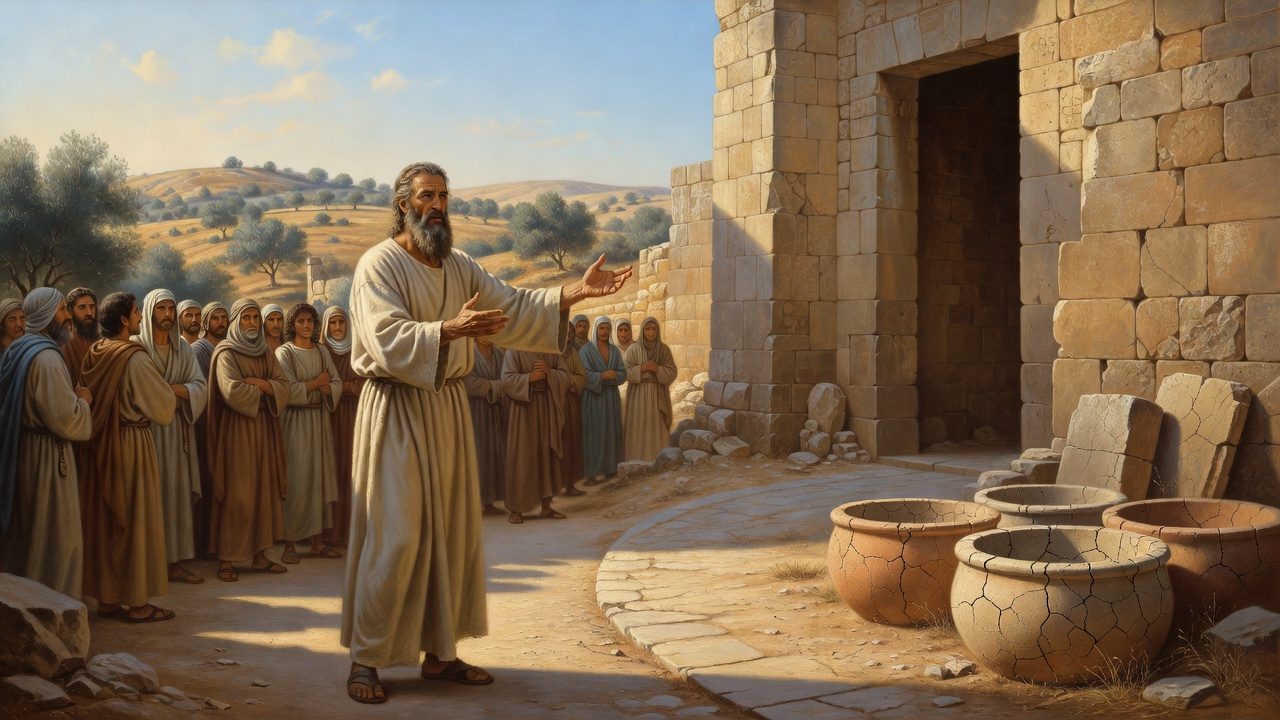
- The references to Memphis (Noph) and drinking the waters of the Nile and Euphrates highlight Judah's unstable political reliance on Egypt and Assyria. Jeremiah compares trusting foreign military powers to abandoning a fountain of fresh water in order to dig cracked, leaky cisterns.Sources: the Bible text itself · Memphis · Egypt · Assyria
- The rebuke against running after the 'Baals' uses the plural form for local cults of Baal, the chief male deity of the Phoenicians. The worship of Baal had repeatedly infiltrated Israel and Judah, frequently taking place on high hills and in sacred groves.Sources: the Bible text itself · Baal
Notes written with AI assistance from open sources (Theographic Bible Metadata, CC BY-SA 4.0; Easton’s Bible Dictionary, public domain) and reviewed before publishing.
Places in this chapter
- Jerusalem · 31.777, 35.234 · verse 2
- Egypt · 30.129, 31.308 · verses 6, 18, 36, 37
- Cyprus · 35.000, 33.000 · verse 10
- Kedar · 29.811, 39.868 · verse 10
- Memphis · 29.849, 31.253 · verse 16
- Tahpanhes · Today: Tell Defenneh · 30.861, 32.171 · verse 16
- Assyria · 36.359, 43.153 · verses 18, 36
- Euphrates · Today: Euphrates River · 31.004, 47.442 · verse 18
- Nile · Today: Nile River · 31.465, 30.367 · verse 18
- Valley of Hinnom · Today: Hinnom Valley · 31.769, 35.228 · verse 23
Only places identified with high confidence are shown (90% or more according to the scholarly sources compiled by OpenBible). Period map: DARE (Digital Atlas of the Roman Empire), CC BY 4.0; modern map: © OpenStreetMap contributors; places: OpenBible.info (CC BY 4.0).
Credits and license for this translation
Bibeli Gusunɔn Gari
The Holy Bible in the Baatonum language of Benin, also called the Bariba language
copyright © 2013 SIM
Language: Bariba (Baatonum)
Translation by: SIM International
Bariba, Bibeli Gusunɔn Gari
This translation, published by the UEEB/SIM au Benin, was published in 1996.
If you are interested in obtaining a printed copy, please contact the SIM at SIM, BP 15, Parakou, Benin.
This translation text is made available to you under the
terms of the Creative Commons License: Attribution-Noncommercial-No Derivative Works.
( http://creativecommons.org/licenses/by-nc-nd/3.0/ )
In addition, you have permission to port the text to different file formats, as long as you
do not change any of the text or punctuation of the Bible.
You may share, copy, distribute, transmit, and extract portions
or quotations from this work, provided that you include the above copyright
information:
You must give Attribution to the work.
You do not sell this work for a profit.
You do not make any derivative works that change any of the actual words or punctuation of the Scriptures.
Permissions beyond the scope of this license may be
available if you contact
us with your request.
This translation is made available to you under the terms of the
Creative Commons Attribution-Noncommercial-No Derivatives license 4.0.
You may share and redistribute this Bible translation or extracts from it in any format, provided that:
You include the above copyright and source information.
You do not sell this work for a profit.
You do not change any of the words or punctuation of the Scriptures.
Pictures included with Scriptures and other documents on this site are licensed just for use with those Scriptures and documents.
For other uses, please contact the respective copyright owners.
2014-09-10
Source: http://ebible.org/bba/ · eBible.org