Judges 4
Bibeli Gusunɔn Gari · Tap a verse to see its cross-references.
1Ehudun ɡɔɔn biru Isirelibɑ bɑ kpɑm kuɑ ye yɑǹ Yinni Gusunɔ dore. 2Mɑ u bu Kɑnɑnin sunɔ Yɑbini nɔmu bɛriɑ wi u bɑndu dii Hɑsoriɔ. Win tɑbu sunɔwɑ Siserɑ wi u wɑ̃ɑ Hɑrosɛti Goimuɔ. 3Yɑbini wi, tɑbu kɛkɛ sisuɡii nɛnɛ kɑ wunɔbuwɑ (900) u mɔ. Mɑ u Isirelibɑ dɑm dɔre sere n kɑ kuɑ wɔ̃ɔ yɛndu. Yerɑ bɑ Yinni Gusunɔ nɔɔɡiru sue bɑ fɑɑbɑ kɑnɑ.
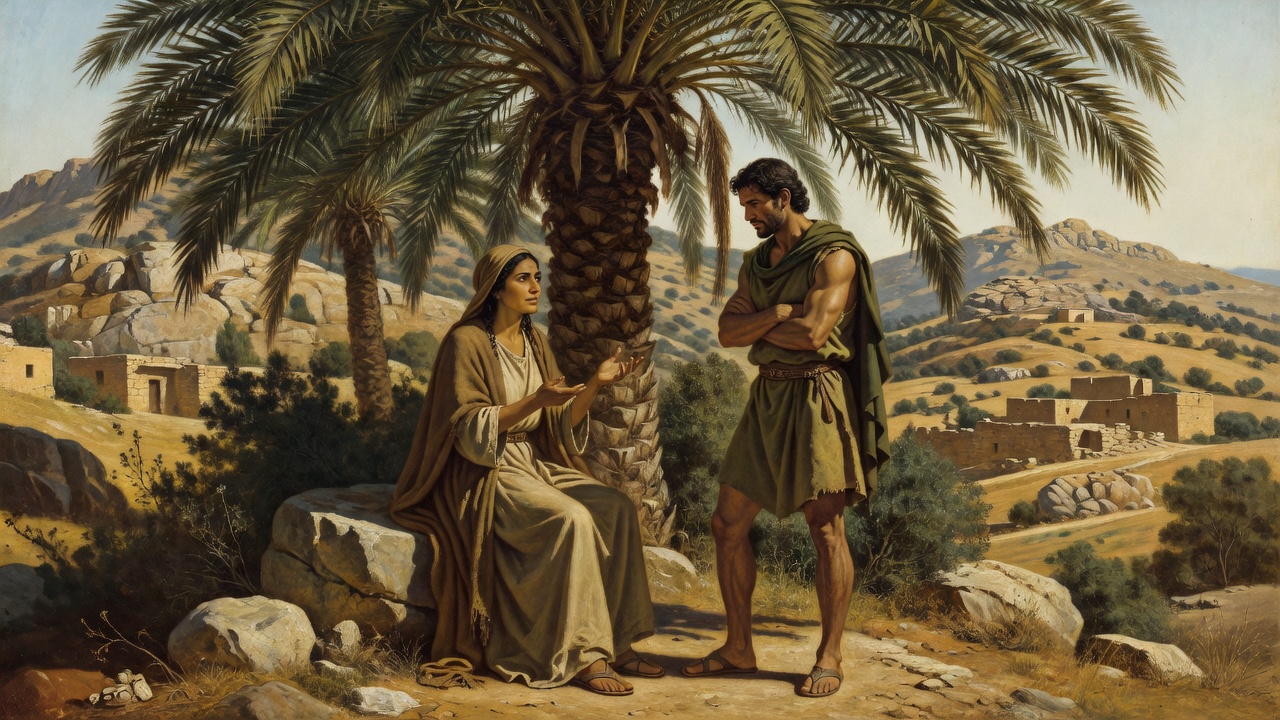
4N deemɑ Gusunɔn sɔmɔ tɔn kurɔ wi bɑ mɔ̀ Deborɑ, Lɑpidɔtun kurɔ, wiyɑ u sɑ̃ɑ Isirelibɑn kpɑro sɑɑ ye sɔɔ. 5U rɑ n sɔ̃wɑ kpɑkpɑ bɑ̃ɑ ɡɑɑn nuurɔ ye yɑ wɑ̃ɑ Rɑmɑ kɑ Betɛlin bɑɑ sɔɔ, Efɑrɑimun ɡuunun berɑ ɡiɑ. Mɑ bɑ ye yĩsiru kɑ̃ Deborɑn kpɑkpɑ bɑ̃ɑ. Miyɑ Isirelibɑ bɑ rɑ de u kɑ bu siribu kuɑ. 6Sɔ̃ɔ teeru u Abinɔɑmun bii Bɑrɑki sokusiɑ wi u wɑ̃ɑ Kedɛsiɔ Nɛfitɑlibɑn temɔ. U nùn sɔ̃ɔwɑ u nɛɛ, Gusunɔ, bɛsɛ Isirelibɑn Yinni, wiyɑ u nun woodɑ yeni wɛ̃ u nɛɛ, ɑ tɔmbu nɔrɔbun subɑ wɔkuru (10.000) ɡɔsio sɑɑ Nɛfitɑlibɑ kɑ Sɑbulonibɑn min di ɑ kɑ bu dɑ ɡuu te bɑ mɔ̀ Tɑboriɔ. 7U koo Siserɑ, Yɑbinin tɑbu sunɔ kɑ win tɑbu kɛkɛbɑ kɑ win tɑbu kowobu ɡɑwɑmɑ wunɛn mi, Kisionin dɑɑrɔ, kpɑ u nun bu nɔmu bɛriɑ.
8Mɑ Bɑrɑki u nùn wisɑ u nɛɛ, ɑ̀ n kɑɑ kɑ mɑn dɑ, kon dɑ. Adɑmɑ ɑ̀ kun kɑ mɑn dɔɔ, nɑǹ dɔɔ.
9Mɑ Deborɑ u nɛɛ, yɑ wɑ̃, kon kɑ nun dɑ, ɑdɑmɑ ɑǹ siɑrɑbu wɑsi sɑ̀ n dɑ sɑnnu. Domi Yinni Gusunɔ u koo Siserɑ tɔn kurɔ ɡoo nɔmu bɛriɑ.
Mɑ Deborɑ u seewɑ u kɑ Bɑrɑki dɑ sere Kedɛsiɔ. 10Bɑrɑki u Sɑbulonibɑ kɑ Nɛfitɑlibɑ sokusiɑ Kedɛsiɔ. Mɑ ben tɔmbu nɔrɔbun subɑ wɔkuru (10.000) bɑ kɑ nùn yɔ̃rɑ kɑ Deborɑ sɑnnu. 11N deemɑ Mɔwisin kurɔn sesu Hobɑbu, win bweserɑ bɑ mɔ̀ Kenibɑ. Ben turo Hebɛɛ u kɑ Keni be bɑ tie kɑrɑnɑ. Mɑ u dɑ u win kuru ɡirɑ dɑ̃ɑ bɑkɑru ɡɑrun nuurɔ Sɑnɑimuɔ, Kedɛsin bɔkuɔ.
12Yen biruwɑ bɑ Siserɑ sɔ̃ɔwɑ bɑ nɛɛ, Bɑrɑki, Abinɔɑmun bii, u dɑ ɡuu te bɑ mɔ̀ Tɑboriɔ. 13Mɑ Siserɑ u win tɑbu kowobu kpuro sokusiɑ u nɛɛ, bu nɑ Hɑrosɛti Goimun di kɑ win tɑbu kɛkɛ sisuɡii nɛnɛ kɑ wunɔbu (900) ye. Mɑ bɑ mɛnnɑ Kisionin dɑɑrɔ. 14Mɑ Deborɑ u Bɑrɑki sɔ̃ɔwɑ u nɛɛ, ɑ seewo, domi ɡisɔrɑ Yinni Gusunɔ u koo nun ɡbiiyɑ u kɑ nun Siserɑ nɔmu bɛriɑ.
Yerɑ Bɑrɑki u sɑrɑmɑ ɡuu ten min di kɑ win tɔmbu nɔrɔbun subɑ wɔku (10.000) te tɑ nùn swĩi. 15Ye bɑ Siserɑ kɑ win tɑbu kowobu kɑ win tɑbu kɛkɛbɑ wɔri, Yinni Gusunɔ u derɑ Siserɑn tɔn be, bɑ burisinɑ Bɑrɑkin wuswɑɑɔ. Mɑ Siserɑ u sɑrɑ win kɛkɛn di u dukɑ suɑ kɑ nɑɑsu. 16Bɑrɑki u Siserɑn tɑbu kowobu kɑ win tɑbu kɛkɛbɑ nɑɑ ɡirɑ sere Hɑrosɛti Goimuɔ. Mɑ bɑ bu ɡo be kpuro kɑ tɑkobi. Bɑɑ ben turo bɑǹ deri.
17Adɑmɑ Siserɑ u dukɑ suɑ u dɑ u kukuɑ Hebɛɛ Kenin kurɔ wi bɑ mɔ̀ Yɑɛlin kuu bekuruɡirɔ, domi Hebɛɛ kɑ Yɑbini, Hɑsorin sunɔ bɑ nɔɔsinɑmɔ. 18Yɑɛli u yɑrɑ u Siserɑ dɑm koosiɑ u nɛɛ, ɑ duumɑ nɛn yinni, ɑ ku bɛrum ko.
Mɑ u duɑ kurɔ win mi, mɑ kurɔ wi, u bekuru suɑ u nùn wukiri. 19Yerɑ Siserɑ u nɛɛ, ɑ suuru koowo, ɑ mɑn nim kɛ̃ɛyɔ n nɔ. Nim nɔru ɡɑ mɑn mɔ̀wɑ.
Mɑ kurɔ wi, u bom bwɑ̃ɑru suɑ u nùn wɛ̃ u nɔrɑ. Yerɑ u kpɑm nùn bekuru wukiri.
20Siserɑ mɑɑ nɛɛ, ɑ yɔ̃ro dii kɔnnɔwɔ. Goo ù n nɑ u nun bikiɑ, u nɛɛ, ɡoo wɑ̃ɑ mini? A nɛɛ, ɑɑwo.
21N deemɑ Siserɑ u wɑsire too, mɑ u dweeyɑ mɑm mɑm. Yerɑ Yɑɛli, Hebɛɛn kurɔ wi, u kurun sii dɛkɑ suɑ kɑ mɑtɑlɑkɑ u durɔ wi susi sɛ̃ɛ u sii dɛkɑ ye kpɑre win bɑɑ sɑburon deedeeru. Mɑ yɑ ɡirɑri temɔ. Mɑ durɔ wi, u ɡu. 22N wee, sɑɑ ye sɔɔ, Bɑrɑki u Siserɑ nɑɑ ɡire. Ye Yɑɛli u yɑrɑ u nùn sennɔ dɑ u nɛɛ, ɑ nɑ, kon nun durɔ wi sɔ̃ɔsi wi ɑ kɑsu.
U duɑ kurɔ win kuru mi, u wɑ wee, Siserɑ u kpĩ u ɡuu, sii dɛkɑ ɡire win bɑɑ sɑburoɔ.
23Dɔmɑ te, Gusunɔ u derɑ Isirelibɑ bɑ Yɑbini, Kɑnɑnibɑn sunɔ kɑwɑ. 24Yen biru bɑ rɑ n kɑ nùn tɑbu mɔ̀wɑ sere bɑ kɑ nùn tɑɑre mɑm mɑm bɑ ɡo.
Deborɑ kɑ Bɑrɑkin womu
Did you know?
Deborah, Barak, and the Defeat of Sisera
- Deborah is introduced as both a prophetess and a judge over Israel. Instead of leading from a military garrison, she held open court under a palm tree in the hill country of Ephraim between Ramah and Bethel, where Israelites came to seek her counsel and settle disputes.Sources: the Bible text itself · Deborah
- The battle pitted 10,000 foot soldiers from Naphtali and Zebulun against Sisera's formidable force of 900 iron chariots stationed along the Kishon riverbed near Harosheth-hagoyim. Iron chariots gave Canaanite forces significant dominance on flat terrain, but Barak's forces descended upon them from the elevated slopes of Mount Tabor.Sources: the Bible text itself · Harosheth-hagoyim · Kishon · Barak
- Sisera sought refuge with the Kenites because their chieftain Heber was at peace with King Jabin of Hazor. Nomadic women were traditionally responsible for pitching and maintaining tents, making Jael adept with the wooden pegs and mallets she ultimately used against Sisera.Sources: the Bible text itself · Jael · Heber · Sisera (army captain)
Notes written with AI assistance from open sources (Theographic Bible Metadata, CC BY-SA 4.0; Easton’s Bible Dictionary, public domain) and reviewed before publishing.
Places in this chapter
- Canaan · 32.767, 35.333 · verses 2, 23, 24
- Hazor · Today: Tel Hazor · 33.018, 35.569 · verses 2, 17
- Mount Tabor · Today: Jebel et Tur · 32.686, 35.393 · verses 6, 12, 14
Only places identified with high confidence are shown (90% or more according to the scholarly sources compiled by OpenBible). Period map: DARE (Digital Atlas of the Roman Empire), CC BY 4.0; modern map: © OpenStreetMap contributors; places: OpenBible.info (CC BY 4.0).
Credits and license for this translation
Bibeli Gusunɔn Gari
The Holy Bible in the Baatonum language of Benin, also called the Bariba language
copyright © 2013 SIM
Language: Bariba (Baatonum)
Translation by: SIM International
Bariba, Bibeli Gusunɔn Gari
This translation, published by the UEEB/SIM au Benin, was published in 1996.
If you are interested in obtaining a printed copy, please contact the SIM at SIM, BP 15, Parakou, Benin.
This translation text is made available to you under the
terms of the Creative Commons License: Attribution-Noncommercial-No Derivative Works.
( http://creativecommons.org/licenses/by-nc-nd/3.0/ )
In addition, you have permission to port the text to different file formats, as long as you
do not change any of the text or punctuation of the Bible.
You may share, copy, distribute, transmit, and extract portions
or quotations from this work, provided that you include the above copyright
information:
You must give Attribution to the work.
You do not sell this work for a profit.
You do not make any derivative works that change any of the actual words or punctuation of the Scriptures.
Permissions beyond the scope of this license may be
available if you contact
us with your request.
This translation is made available to you under the terms of the
Creative Commons Attribution-Noncommercial-No Derivatives license 4.0.
You may share and redistribute this Bible translation or extracts from it in any format, provided that:
You include the above copyright and source information.
You do not sell this work for a profit.
You do not change any of the words or punctuation of the Scriptures.
Pictures included with Scriptures and other documents on this site are licensed just for use with those Scriptures and documents.
For other uses, please contact the respective copyright owners.
2014-09-10
Source: http://ebible.org/bba/ · eBible.org