Isaiah 5
Bibeli Gusunɔn Gari · Tap a verse to see its cross-references.
1I womu swɑɑ dɑkio i nɔ ɡe kon nɛn kĩnɑsi kuɑ. Womu ɡe, ɡɑ kɑ wi kɑ win resɛm ɡbɑɑru yɑ̃. Ge wee.
Nɛn kĩnɑsi u resɛm ɡbɑɑru ɡɑru mɔ
te tɑ wɑ̃ɑ tem turenu wɔllɔ mi n tem ɡem mɔ.
2U ɡbɑɑ te kɔrɔ kuɑ, mɑ u ten kpenu wukurɑ.
Mɑ u resɛm dɑ̃ɑ ye yɑ koo bii duronu mɑ duurɑ.
Yerɑ u ten kɔ̃sobun diru bɑnɑ ten suunu sɔɔ.
Mɑ u resɛm ɡɑmɑ yeru kuɑ mi.
Sɑɑ yè sɔɔ u den yĩiyɔ resɛm ɡbɑɑ te, tu nùn bii ɡeenu mɑruɑ,
yerɑ u deemɑ kɔ̃sunɑ tɑ nùn mɑruɑ.
3Tɛ̃, nɛn kĩnɑsi u ɡerumɔ u mɔ̀,
bɛɛ Yudɑbɑ, bɛɛ be i wɑ̃ɑ Yerusɑlɛmuɔ,
i bu sirio wi kɑ win resɛm ɡbɑɑ te.
4Mbɑ u tu bureɑ u ǹ kue.
Mbɑn sɔ̃nɑ tɑ bii kɔ̃sunu mɑrɑ
sɑnɑm mɛ u yĩiyɔ tu bii ɡeenu mɑ.
5Wee ye u koo win ɡbɑɑ te kuɑ.
U koo ten kɑrɑ kɑ yen dɑ̃ɑ wukiriwɑ,
kpɑ yɑɑ sɑbenu kɑ ɡbeeku yɛɛ yi du mi,
yi di, yi tɑɑku.
6U ǹ mɑɑ win resɛm dɑ̃ɑ ye sɔmmɔ,
mɛyɑ u ǹ mɑɑ ɡbɑɑ te wukumɔ.
U koo tu deriwɑ tu kɑm ko,
kpɑ sɑ̃ki yi tu wukiri,
kpɑ u de ɡurɑ yu ku mɑɑ nɛ mi.
7Isirelibɑrɑ bɑ sɑ̃ɑ Gusunɔ,
wɔllu kɑ tem Yinnin resɛm ɡbɑɑ te.
Mɑ Yudɑbɑ bɑ sɑ̃ɑ resɛm dorɑ ye u duurɑ.
U kĩɑ bu ɡeɑ ko ɑdɑmɑ kɔ̃sɑ bɑ kuɑ.
Bɑ tɔmbu ɡo bɑ yɛm yɑri.
U mɑɑ kĩɑ bu ɡem swĩi, mɑ bɑ yinɑ.
Yen sɔ̃nɑ tɔmbɑ wuri mɔ̀.
Kɔ̃sɑ ye tɔmbɑ mɔ̀
8Bɔ̃rurobɑ be bɑ yɛnusu kɑ ɡbeɑ sosimɔ
ye bɑ rɑɑ mɔ sɔɔ,
sere ɡɑbu bɑ ǹ mɑɑ ɑyeru mɔ,
mɑ be tɔnɑ bɑ bɑtumɑ mɔ.
9Wee ye Gusunɔ wɔllu kɑ tem Yinni u mɑn sɔ̃ɔwɑ. U nɛɛ,
kɑm kɑm bɑ koo tɔn ben yɛnu dɑbi ni kpuro kɑm koosiɑ.
Kpɑ ɡoo u kun mɑɑ wɑ̃ɑ yenu burɑ si sɔɔ, si su kpɑ̃ mi.
10Bɑ̀ n resɛm ɛkitɑɑ itɑ ɡɑmɑ,
yen tɑm kun ditiri weerɑɑkuru turi.
Bɑ̀ n mɑɑ ɑlikɑmɑ kilo wunɔbu (100) duurɑ,
ye bɑ koo ɡɛ̃ yɑ ǹ kilo wɔkuru kerɑmɔ.
11Bɔ̃rurobɑ be bɑ rɑ buru buru yellu se
bɑ n tɑm bɔɔbɔm nɔrumɔ,
kpɑ bɑ n wɑ̃ɑ tɑm ɡbɑburɔ sere n kɑ ko wɔ̃ku suunu.
12Gɔ̃ɔɡenu kɑ mɔrɔkunu, kɑ bɑrɑnu
kɑ ɡuunu kɑ sere tɑm,
yerɑ yɑ rɑ ben tɔ̃ɔ bɑkɑnu ɡbisisie,
kpɑ bɑ n nɛ, Yinni Gusunɔn sɔmɑ ɑtɑfiiru sɑ̃ɑ.
13Yen sɔ̃nɑ kon de bu bu yoru mwɛɛri subɑru sɔɔ
bu kɑ doonɑ.
Ben sinɑ bibɑ koo ɡbi ɡɔ̃ɔrun sɔ̃,
kpɑ be bɑ tie bu ɡbi nim nɔrun sɑɑbu.
14Kpɑ ɡɔribun wɑ̃ɑ yeru tu nɔɔ wukiɑ kɑ dɑm,
tu sinɑ bii be mwɛ
kɑ mɑɑ tɔn wɔru ɡe ɡɑ nuku dobu mɔ̀.
15Sɑɑ ye sɔɔ, tɔmbu kpurowɑ bɑ koo yiirɑ
Yinni Gusunɔn wuswɑɑɔ bu tii kɑwɑ,
kpɑ be bɑ nɛɛ, bɑ tii turɑ, bu wɔrumɑ.
16Tɔ̃ɔ te sɔɔ, Gusunɔ, wɔllu kɑ tem Yinni
u koo win tɔmbu siri dee dee
u kɑ win yiiko sɔ̃ɔsi,
kpɑ u ɡeɑ ko u kɑ sɔ̃ɔsi mɑ u dɛɛre.
17Yɑ̃ɑnu nu koo yɑkɑsu di Yerusɑlɛmun bɑnsɔ
nɡe nin kpɑrɑ yenɔ,
kpɑ nin binu nu di nu bɔriɑ mi.
18Bɔ̃rurobɑ be bɑ ɡbinnɛ kɑ kɔ̃sɑ
nɡe nɑɑ wuku yi yi yin kɛkɛ ɡɑwe,
19bɑ n ɡerumɔ bɑ n mɔ̀,
Yinni Gusunɔ u wɑsi suo u win sɔmburu ko fuuku,
kpɑ su tu wɑ.
Isirelibɑn Yinni Dɛɛro u win himbɑ sɔ̃ɔsio ye u yi,
kpɑ su ye ɡiɑ.
20Bɔ̃rurobɑ be bɑ rɑ kɔ̃sɑ soku ɡeɑ,
kpɑ bu ɡeɑ soku kɔ̃sɑ.
Bɔ̃rurobɑ be bɑ rɑ yɑm wɔ̃kuru soku yɑm bururɑm,
kpɑ bu yɑm bururɑm ɡɔsiɑ yɑm wɔ̃kuru.
Bɔ̃rurobɑ be bɑ rɑ ye n sosu ɡɔsie ye n do,
kpɑ bu ye n do ɡɔsiɑ ye n sosu.
21Bɔ̃rurobɑ be bɑ tɑ̃sɑ ben tii tiin yɛ̃ru sɔɔ,
mɑ bɑ tii mɛɛrɑ bwisiɡibu.
22Bɔ̃rurobɑ be bɑ yĩsiru yɑrɑ
tɑm nɔrubu sɔɔ.
Bɔ̃rurobɑ be bɑ tɑm bɔɔbɔm kobu yɛ̃.
23Bɔ̃rurobɑ be bɑ nɔm birɑn kɛ̃nu mwɑɑmɔ,
bɑ kɑ tɑɑrɛɡibu ɡem wɛ̃ɛmɔ,
mɑ bɑ ɡemɡibu tɑɑrɛ wɛ̃ɛmɔ.
24Yen sɔ̃nɑ Yinni Gusunɔ u koo de bu dɔ̃ɔ mwɑɑrɑ
nɡe mɛ dɔ̃ɔ u rɑ doo ɡɑ̃ɑnu kɑ yɑkɑ ɡbebusu mwɛ,
kpɑ ben ɡbini yi kɔ̃si,
kpɑ ben wɛ̃su su kɑ woo doonɑ nɡe tuɑ,
yèn sɔ̃ bɑ ǹ Gusunɔ wɔllu kɑ tem Yinnin woodɑbɑ ɡɑrisi ɡɑ̃ɑnu.
Mɑ bɑ win ɡɑri ɑtɑfiiru kuɑ,
wi, wi u sɑ̃ɑ ben Yinni dɛɛro.
Yinni Gusunɔ u sɔɔru sɑ̃ɑ
u kɑ bu sɛɛyɑsiɑ
25Yen sɔ̃nɑ win mɔru yɑ wɔrimɔ be sɔɔ.
U bu nɔmɑ dokemɔ u ɡoomɔ.
Guunu diirumɔ.
Mɑ tɔmbun ɡonu nu sweenɛ swɛɛ sɔɔ nɡe kubɑnu.
Adɑmɑ kɑ mɛ, win mɔru kun sure,
mɑ u bu nɔmɑ dokemɔ u sɛɛyɑsiɑmɔ.
26U ɡidi bɔrɑ yɔ̃rɑsiɑ u kɑ bwese tukunu soku ni nu tomɑ.
Mɑ u nu sokɑ kɑ wiɑ.
Ni wee nu wee kɑ wɑsi kɑsɑnu.
27Ben ɡoo kun wɑsire,
ɡoo kun mɑɑ wɔrumɛ.
Dom kun ɡoo mwɛ u sere dweeyɑ.
Goon kpɑkɑ kun mɑɑ kusiɑre ye u sɛ̃ke pɔrɑɔ.
Mɛyɑ ben ɡoon bɑrɑnun wɛ̃ɛ kun nùn kɑre.
28Ben sɛ̃ɛnu nu nɔɔ do.
Bɑ mɑɑ nu sɔri bu kɑ to.
Mɑ ben dumin nɑɑ konnu nu bɔɔbu nɡe kperu.
Mɑ ben tɑbu kɛkɛbɑ bɑ sɑ̃u nɡe woo ɡunɑ.
29Mɑ bɑ kukirimɔ nɡe ɡbee sunɔ,
ɡe ɡɑ yɑɑ mwɑ ɡɑ kɑ doonɔ ɡoo kun ɡu yinɑri.
30Sɑɑ ye sɔɔ, kukiribu koo nɔɔrɑ Isirelibɑ sɔɔ
nɡe nim wɔ̃ku ɡe woo bɔkɔ ɡɑ seeyɑ.
Bɑ̀ n tem mɛ mɛɛrɑ,
yɑm wɔ̃kurɑ bɑ koo wɑ kɑ nuku sɑnkirɑ bɑkɑnu,
kpɑ wɔllu tu tĩrɑ ɡuru wii bɑkɑrun sɔ̃.
Gusunɔ u Esɑi ɡɔsɑ
u kɑ ko win sɔmɔ
Did you know?
The Song of the Vineyard and the Six Woes
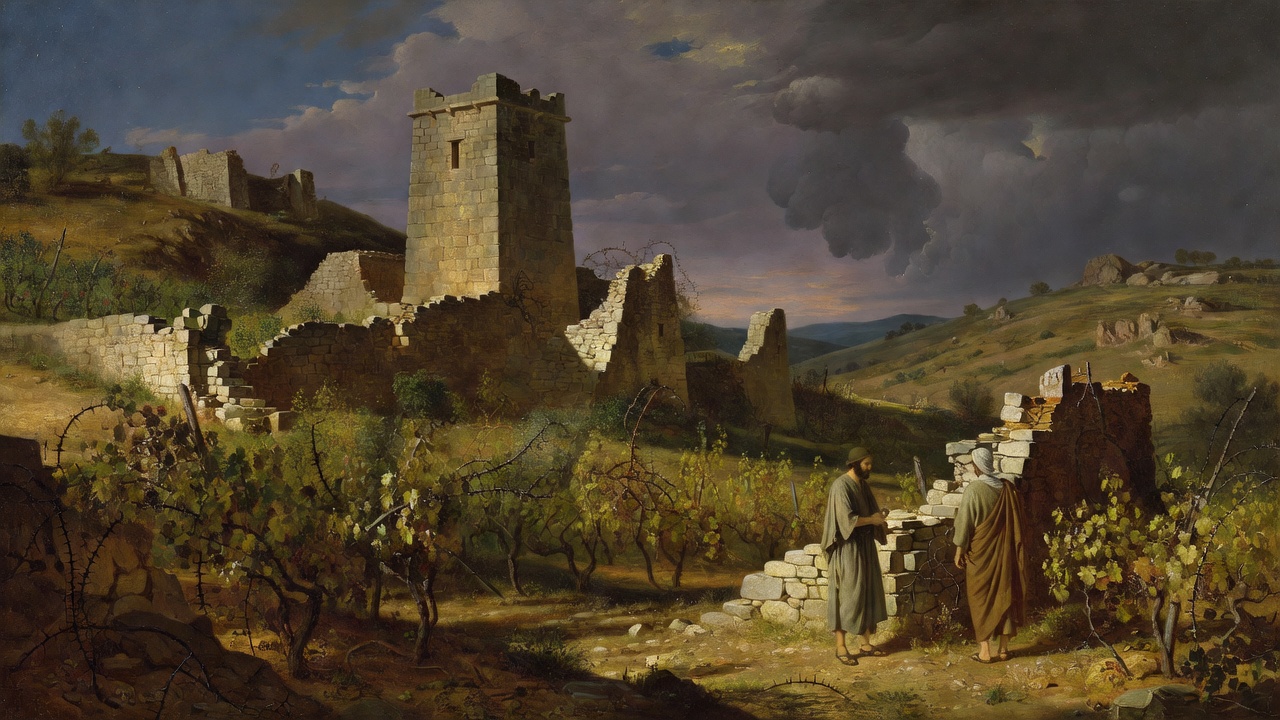
- The opening song in Isaiah 5 describes the elaborate labor of ancient Judean viticulture: clearing rocky hillsides of stones, building a protective stone watchtower, digging out a winepress in the bedrock, and planting prime vines surrounded by a protective hedge and wall. The poem turns into a legal parable where the vineyard represents the house of Israel and the people of Judah, from whom justice was expected instead of bloodshed.Sources: the Bible text itself
- The chapter delivers a series of six prophetic laments or woes, condemning specific social and moral abuses in Judah. These include wealthy landowners consolidating real estate by adding house to house and field to field, judges taking bribes to acquit the guilty while denying justice to the innocent, and leaders indulging in lavish feasting while ignoring divine instruction.Sources: the Bible text itself
- Isaiah's prophetic ministry in Jerusalem addressed the people of Judah over an extended period beginning in the mid-eighth century BC. The chapter concludes with a warning that the Lord would signal distant, disciplined foreign armies equipped with chariots, bows, and swift horses to execute judgment on the land.Sources: Jerusalem · Prophecies of Isaiah · the Bible text itself
Notes written with AI assistance from open sources (Theographic Bible Metadata, CC BY-SA 4.0; Easton’s Bible Dictionary, public domain) and reviewed before publishing.
Places in this chapter
Only places identified with high confidence are shown (90% or more according to the scholarly sources compiled by OpenBible). Period map: DARE (Digital Atlas of the Roman Empire), CC BY 4.0; modern map: © OpenStreetMap contributors; places: OpenBible.info (CC BY 4.0).
Credits and license for this translation
Bibeli Gusunɔn Gari
The Holy Bible in the Baatonum language of Benin, also called the Bariba language
copyright © 2013 SIM
Language: Bariba (Baatonum)
Translation by: SIM International
Bariba, Bibeli Gusunɔn Gari
This translation, published by the UEEB/SIM au Benin, was published in 1996.
If you are interested in obtaining a printed copy, please contact the SIM at SIM, BP 15, Parakou, Benin.
This translation text is made available to you under the
terms of the Creative Commons License: Attribution-Noncommercial-No Derivative Works.
( http://creativecommons.org/licenses/by-nc-nd/3.0/ )
In addition, you have permission to port the text to different file formats, as long as you
do not change any of the text or punctuation of the Bible.
You may share, copy, distribute, transmit, and extract portions
or quotations from this work, provided that you include the above copyright
information:
You must give Attribution to the work.
You do not sell this work for a profit.
You do not make any derivative works that change any of the actual words or punctuation of the Scriptures.
Permissions beyond the scope of this license may be
available if you contact
us with your request.
This translation is made available to you under the terms of the
Creative Commons Attribution-Noncommercial-No Derivatives license 4.0.
You may share and redistribute this Bible translation or extracts from it in any format, provided that:
You include the above copyright and source information.
You do not sell this work for a profit.
You do not change any of the words or punctuation of the Scriptures.
Pictures included with Scriptures and other documents on this site are licensed just for use with those Scriptures and documents.
For other uses, please contact the respective copyright owners.
2014-09-10
Source: http://ebible.org/bba/ · eBible.org