Isaiah 47
Bibeli Gusunɔn Gari · Tap a verse to see its cross-references.
1Yinni Gusunɔ u nɛɛ,
wunɛ wi bɑ ǹ kɑmiɑre,
kɑɑ wɔrumɑ ɑ kpunɑ tuɑ sɔɔ.
Wunɛ wi ɑ sɑ̃ɑ nɡe wɔndiɑ,
kɑɑ sinɑ temɔ, ɑ ǹ mɑɑ sinɑmɔ sinɑ kitɑrɔ.
Domi bɑ ǹ mɑɑ nun sokumɔ kurɔ burɔ.
2Kɑɑ nɛɛ biɑ suɑ kpɑ ɑ som nɑm nɡe yoo.
Kɑɑ wunɛn sɔnditiɑ wunɑ,
kpɑ ɑ wunɛn bekuru kpɑɑsinɑ
ɑ wunɛn tɑɑnu sɔ̃ɔsi
kpɑ ɑ dɑɑnu tɔburɑ.
3Bɑ koo wunɛn tereru wɑ
kpɑ sekuru tu nun mwɑ.
Kon nun mɔru kɔsie.
Nɑ ǹ ɡoo derimɔ wunɛn nukurɔ.
4Nɛn yĩsirɑ Gusunɔ, wɔllu
kɑ tem Yinni.
Nɑ mɑɑ sɑ̃ɑ Isirelibɑn Yinni dɛɛro,
wi u bu fɑɑbɑ mɔ̀.
5Bɑbiloni, wunɛ wi ɑ sɑ̃ɑ nɡe Kɑlɑdebɑn wɔndiɑ,
ɑ doo ɑ sinɑ yɑm wɔ̃kuru sɔɔ, ɑ mɑri.
Bɑ ǹ mɑɑ nun sokumɔ sinɑmbun sinɑ boko.
6Wee, nɑ rɑɑ kɑ nɛn tɔmbu mɔru kuɑ,
nɑ bu ɡɑrisi nɡe disi,
be, be bɑ sɑ̃ɑ nɛɡibu.
Mɑ nɑ nun bu nɔmu bɛriɑ.
Adɑmɑ ɑ ǹ bu wɔnwɔndu kue,
sere ɑ mɑm ben durɔ tɔkɔnu yoru diisiɑ.
7Mɛyɑ ɑ rɑ n ɡerumɔ ɑ n mɔ̀,
kɑɑ n bɑndu diiwɑ sere kɑ bɑɑdommɑɔ.
Adɑmɑ ɑ ǹ bwisikɑ wunɛn ɡɔ̃ruɔ
mɑ yenibɑ kpuro yɑ koo nɔru ko.
8A swɑɑ dɑkio, Bɑbiloni,
wunɛ wi ɑ rɑ n wunɛn tiin nuku dobu kɑsu,
mɑ ɑ sɔ̃ kɑ toro sindu ɑ ɡerumɔ wunɛn ɡɔ̃ruɔ ɑ mɔ̀,
wunɑ mi, ɡoo mɑɑ sɑri wi u kɑ nun nɛ.
A ǹ ɡɔminiru dimɔ, wunɛn bii ɡoo kun mɑɑ ɡbimɔ.
9Adɑmɑ tɛ̃ ye yiru kpuro yɑ koo nun deemɑ
sɔ̃ɔ teeru subɑru sɔɔ.
Bɑɑ mɛ wunɛn tim mu do,
mɑ wunɛn dobo dobo yɑ kpɑ̃,
kɑ mɛ, kɑɑ ɡɔminiru sinɑ,
kpɑ wunɛn bibu bu ɡbi.
Ye kpuro yɑ koo koorɑwɑ mɑm mɑm.
10Wee, ɑ rɑɑ kom kɔ̃sum mɔ̀ kɑ toro sindu,
domi ɑ ɡerumɔ ɑ mɔ̀, ɡoo kun nun wɑɑmɔ.
Wunɛn lɑɑkɑri kɑ wunɛn yɛ̃ru tɑ nun wiru ɡɔsiɑ.
Mɑ ɑ ɡerumɔ wunɛn ɡɔ̃ruɔ ɑ mɔ̀,
wunɑ mi. Goo kun kɑ nun nɛ.
11Adɑmɑ tɛ̃, kɔ̃sɑ koo nun deemɑ.
A ǹ mɑɑ ɡoo wɑsi wi u koo nun wɔrɑ.
Nɔni swɑ̃ɑrɑ koo nun wɔri.
A ǹ mɑɑ kpɛ̃ ɑ tu suuri,
kpɑ ɑ kɑm ko subɑru sɔɔ.
12Ǹ n mɛn nɑ, ɑ n wɑ̃ɑ ɑ n wunɛn dobo dobo mɔ̀
kɑ tim timminu ni ɑ rɑ rɑɑ ko wunɛn piiburun di.
Sɔrɔkudo yɑ koo nun ɑrufɑɑni mɑruɑ.
Ǹ kun mɛ, yɑ koo de bu nun nɑsiɑ.
13Wee, ɑ wɑsirɑ bikiɑrun sɔ̃
be bɑ rɑ wɔllun kperin sɑriɑ mɛɛrin mi.
Ǹ n mɛn nɑ, bu seewo bu nun fɑɑbɑ ko,
be, be bɑ rɑ nun sɔ̃ suru kɑ suru ye n koo nun deemɑ.
14Ben tii bɑ koo dɔ̃ɔ mwɑɑrɑ nɡe yɑkɑsu.
Bɑ ǹ kpɛ̃ bu ben wɑ̃ɑru wɔrɑ sɑɑ dɔ̃ɔ yɑrɑn di.
Dɔ̃ɔ yɑrɑ ye, yɑ ǹ ko n sɑ̃ɑ nɡe pɛ̃ɛn doon dɔ̃ɔ.
Yɑ ǹ mɑɑ sɑ̃ɑ dɔ̃ɔ wìn bɔkuɔ bɑ rɑ sinɛ.
15Yerɑ yɑ koo bɛɛn sɔro be deemɑ
bèn sɔ̃ ɑ rɑɑ tii wɑhɑlɑ kuɑ sɑɑ yellun di.
Be kpuro bɑ koo yɑrinɑwɑ.
Ben ɡoo kun nun fɑɑbɑ mɔ̀.
Gusunɔ u Isirelibɑ sɔ̃ɔwɑ
ye n koo koorɑ
Did you know?
The Fall of Babylon
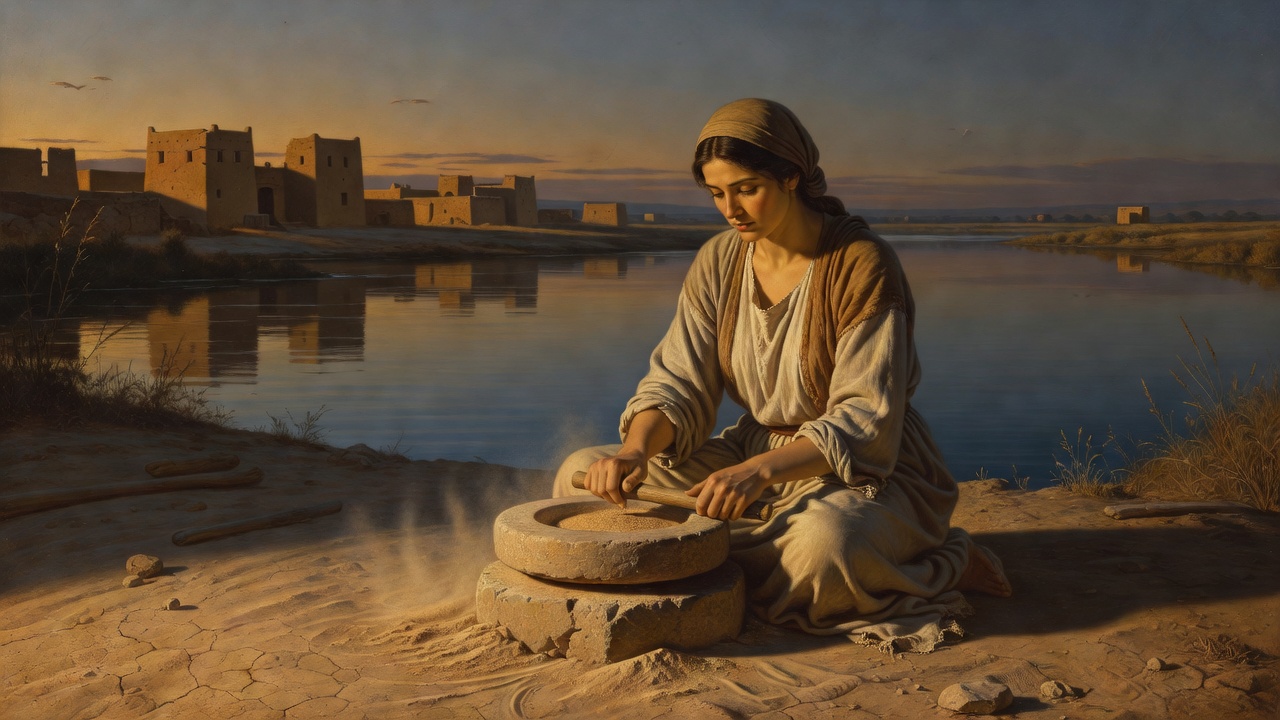
- Babylon is personified as a pampered queen and royal daughter who is abruptly humiliated. Instead of sitting securely on a throne in luxury, she is commanded to sit in the dust and perform the menial labor of an enslaved worker, grinding flour with millstones.Sources: the Bible text itself
- The chapter highlights Babylon's reliance on occult practices and stargazing. The prophet challenges the city's astrologers, sorcerers, and monthly omen-casters to step forward, declaring that their arts will be completely burned up like stubble and unable to prevent sudden ruin.Sources: the Bible text itself
- Babylon, situated along the Euphrates River in Chaldea, had been allowed to rule over God's people as an instrument of judgment. However, the text rebukes the empire for showing no mercy, noting that it placed heavy yokes even upon the elderly.Sources: Babylon · the Bible text itself
Notes written with AI assistance from open sources (Theographic Bible Metadata, CC BY-SA 4.0; Easton’s Bible Dictionary, public domain) and reviewed before publishing.
Places in this chapter
Only places identified with high confidence are shown (90% or more according to the scholarly sources compiled by OpenBible). Period map: DARE (Digital Atlas of the Roman Empire), CC BY 4.0; modern map: © OpenStreetMap contributors; places: OpenBible.info (CC BY 4.0).
Credits and license for this translation
Bibeli Gusunɔn Gari
The Holy Bible in the Baatonum language of Benin, also called the Bariba language
copyright © 2013 SIM
Language: Bariba (Baatonum)
Translation by: SIM International
Bariba, Bibeli Gusunɔn Gari
This translation, published by the UEEB/SIM au Benin, was published in 1996.
If you are interested in obtaining a printed copy, please contact the SIM at SIM, BP 15, Parakou, Benin.
This translation text is made available to you under the
terms of the Creative Commons License: Attribution-Noncommercial-No Derivative Works.
( http://creativecommons.org/licenses/by-nc-nd/3.0/ )
In addition, you have permission to port the text to different file formats, as long as you
do not change any of the text or punctuation of the Bible.
You may share, copy, distribute, transmit, and extract portions
or quotations from this work, provided that you include the above copyright
information:
You must give Attribution to the work.
You do not sell this work for a profit.
You do not make any derivative works that change any of the actual words or punctuation of the Scriptures.
Permissions beyond the scope of this license may be
available if you contact
us with your request.
This translation is made available to you under the terms of the
Creative Commons Attribution-Noncommercial-No Derivatives license 4.0.
You may share and redistribute this Bible translation or extracts from it in any format, provided that:
You include the above copyright and source information.
You do not sell this work for a profit.
You do not change any of the words or punctuation of the Scriptures.
Pictures included with Scriptures and other documents on this site are licensed just for use with those Scriptures and documents.
For other uses, please contact the respective copyright owners.
2014-09-10
Source: http://ebible.org/bba/ · eBible.org