Isaiah 21
Bibeli Gusunɔn Gari · Tap a verse to see its cross-references.
1Gɑri yiniwɑ Yinni Gusunɔ u ɡeruɑ Bɑbilonin sɔ̃. U mɑn kɑ̃si nɑnumɡiru sɔ̃ɔsi.
Nɑ wɑ yibɛrɛbɑ bɑ wee sɑɑ tem mɛ bɑ nɑsien di
nɡe mɛ woo ɡunɑ yɑ rɑ nɛ sɑɑ sɔ̃ɔ yɛ̃sɑn nɔm dwɑru ɡiɑn di.
Wi u rɑ dɑm dɔre, u dɑm dɔrɑmɔ.
Wi u rɑ mɑɑ kpeerɑsie, u kpeerɑsiɑmɔ.
Elɑmun tɑbu kowobu, i seewo.
Mɛdibɑ, i wuu ɡe tɑrusio.
Domi Yinni Gusunɔ u derɑ Bɑbiloni ye,
yɑ ǹ mɑɑ tɔmbu weeweenu koosimɔ.
3Ye nɑ wɑ kɑ ye nɑ nuɑ kɑ̃si te sɔɔ,
yɑ derɑ nɛn tororɑ kɑrɑ.
Mɑ wuriribu mɑn wɔri nɡe tɔn kurɔ wi u yiire u kĩ u mɑ.
Tirerɑbu derɑ nɑ ǹ mɑɑ ɡɑri nɔɔmɔ.
Mɑ diiribu derɑ nɑ ǹ yɑm wɑɑmɔ.
4Nɛn lɑɑkɑri yɑ burisinɑ,
mɑ nɑ diirimɔ bɛrum sɔ̃.
Yokɑ yè sɔɔ nɑ nuku dobu yĩiyɔ,
ye sɔɔrɑ bɛrum mɑn deemɑ.
5Kɑ̃si te sɔɔ, nɑ mɑɑ wɑ bɑ dĩɑnu yii
bɑ kɔnnɔ kɔsu, bɑ dimɔ bɑ nɔrumɔ.
Yerɑ ɡoo u nɛɛ, i seewo tɑbu sinɑmbu,
i bɛɛn tɛrɛnu ɡum tɛɛni.
6Mɑ Yinni Gusunɔ u mɑn sɔ̃ɔwɑ u nɛɛ,
n doo n wuu kɔ̃so yi kpɑ u mɑn sɔ̃ ye u koo wɑ.
7Mɑ nɑ kuɑ mɛ.
Yerɑ u mɑɑsɔbu wɑ bɑ sĩimɔ yiru yiru.
Gɑbu bɑ kɛtɛkunu sɔni, ɡɑbu mɑɑ yooyoosu.
Mɑ u ye kpuro mɛɛrɑ kɑ lɑɑkɑri.
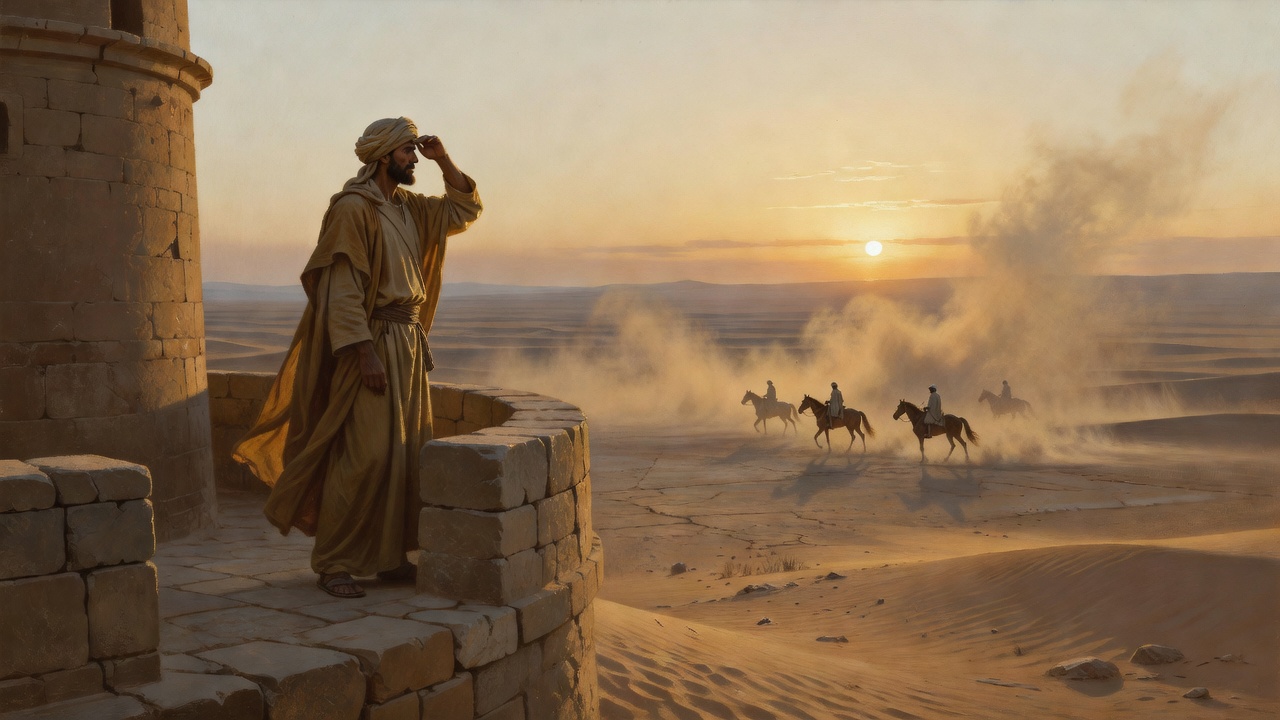
8Yerɑ wuu kɔ̃so wi,
u ɡbɑ̃rɑ nɡe ɡbee sunɔ u nɛɛ,
ɡbɑ̃rɑ kɔnnɔ miyɑ u yɔ̃ sɑɑ kpuro,
sɔ̃ɔ sɔɔ kɑ wɔ̃kuru.
9Mɑ u mɑɑsɔbu wɑ bɑ sĩimɔ yiru yiru.
Mɑ u wɑ Bɑbiloni yɑ wɔrumɑ birem.
Mɑ bwɑ̃ɑroku ni bɑ kuɑ ben bũnun sɔ̃
nu wɔrukɑ temɔ nu bɔɔkirɑ.
10Bɛɛ nɛn tɔmbu Isirelibɑ,
bɛɛ be bɑ so nɡe dobi doo soo yerɔ,
yeniwɑ nɑ nuɑ Gusunɔ bɛɛn Yinnin min di,
wi, wi u sɑ̃ɑ wɔllu kɑ tem Yinni.
Yerɑ nɑ bɛɛ ye nɔɔsiɑmɔ.
Gɑri yi Gusunɔ u ɡeruɑ
Edɔmun sɔ̃
11Wee ye Yinni Gusunɔ u mɑn sɔ̃ɔsi Edɔmun sɔ̃.
Nɑ nɔɔ ɡɑɡu nuɑ Seirin di ɡɑ nɛɛ,
wuu kɔ̃so, sɑɑ yerɑ̀ wɔ̃kuru tɑ koo kpe.
12Mɑ wuu kɔ̃so u wisɑ u nɛɛ,
bururu tɑ koo nɑ, yen biru wɔ̃kuru tɑ koo mɑɑ nɑ.
Ì n kĩ i mɑɑ mɑn ɡɑri bikiɑ, i wurɑmɑ i bikiɑ.
Gɑri yi Gusunɔ u ɡeruɑ
Dɑɑrububɑn tem sɔ̃
13Wee ye Yinni Gusunɔ u ɡeruɑ Dɑɑrububɑn tem sɔ̃.
Dedɑniɡibu, i doo i n wɑ̃ɑ yɑkɑsu sɔɔ wɔ̃kuru.
14Bɛɛ be i wɑ̃ɑ Temɑɔ i kɑ be nim nɔru ɡɑ mɔ̀ nim dɑɑwo,
kpɑ i kɑ kpikobu dĩɑnu dɑɑwɑ.
15Domi tɑbu swĩɑ mɑ tɔmbɑ duki mɔ̀ tɑkobi kɑ tɛndun sɔ̃.
16Wee ye Yinni Gusunɔ u mɑn sɔ̃ɔwɑ. U nɛɛ, kɑm kɑm wɔ̃ɔ tiɑn biru kese, u koo Kedɑɑn bɛɛrɛ kpuro kpeerɑsiɑ. 17Ben tɛn towo wɔruɡɔbɑ sɔɔ, fiikowɑ yɑ koo tiɑrɑ. Gusunɔ, Isirelibɑn Yinniwɑ u yeni ɡeruɑ.
Gɑri yi Gusunɔ u ɡeruɑ
Yerusɑlɛmun sɔ̃
Did you know?
Visions of Babylon and the Desert Nations
- Isaiah 21 begins with an ominous vision calling upon Elam and Media to attack, culminating in the declaration that Babylon has fallen and its carved images are shattered. Elam and Media were mountainous regions situated to the east of Babylonia.Sources: the Bible text itself · Elam · Media
- The oracle against Arabia mentions Kedar, a name associated with nomadic Arabian tribes dwelling in northwest Arabia. The prophecy depicts desert caravans fleeing from war and warns that Kedar's renowned archers and warriors will dwindle within a single year.Sources: the Bible text itself · Kedar · Kedar
- The chapter is framed by the motif of a vigilant lookout standing on a watchtower day and night. This sentry watches for approaching riders and responds to anxious questions calling out from Seir about how much of the night remains.Sources: the Bible text itself
Notes written with AI assistance from open sources (Theographic Bible Metadata, CC BY-SA 4.0; Easton’s Bible Dictionary, public domain) and reviewed before publishing.
Places in this chapter
- Babylon · 32.543, 44.422 · verses 1, 2, 9
- Negeb · 31.245, 34.841 · verse 1
- Elam · 32.189, 48.258 · verse 2
- Media · 34.806, 48.516 · verse 2
- Arabia · Today: Arabian Peninsula · 23.000, 46.000 · verse 13
- Tema · Today: Tayma · 27.630, 38.552 · verse 14
- Kedar · 29.811, 39.868 · verses 16, 17
Only places identified with high confidence are shown (90% or more according to the scholarly sources compiled by OpenBible). Period map: DARE (Digital Atlas of the Roman Empire), CC BY 4.0; modern map: © OpenStreetMap contributors; places: OpenBible.info (CC BY 4.0).
Credits and license for this translation
Bibeli Gusunɔn Gari
The Holy Bible in the Baatonum language of Benin, also called the Bariba language
copyright © 2013 SIM
Language: Bariba (Baatonum)
Translation by: SIM International
Bariba, Bibeli Gusunɔn Gari
This translation, published by the UEEB/SIM au Benin, was published in 1996.
If you are interested in obtaining a printed copy, please contact the SIM at SIM, BP 15, Parakou, Benin.
This translation text is made available to you under the
terms of the Creative Commons License: Attribution-Noncommercial-No Derivative Works.
( http://creativecommons.org/licenses/by-nc-nd/3.0/ )
In addition, you have permission to port the text to different file formats, as long as you
do not change any of the text or punctuation of the Bible.
You may share, copy, distribute, transmit, and extract portions
or quotations from this work, provided that you include the above copyright
information:
You must give Attribution to the work.
You do not sell this work for a profit.
You do not make any derivative works that change any of the actual words or punctuation of the Scriptures.
Permissions beyond the scope of this license may be
available if you contact
us with your request.
This translation is made available to you under the terms of the
Creative Commons Attribution-Noncommercial-No Derivatives license 4.0.
You may share and redistribute this Bible translation or extracts from it in any format, provided that:
You include the above copyright and source information.
You do not sell this work for a profit.
You do not change any of the words or punctuation of the Scriptures.
Pictures included with Scriptures and other documents on this site are licensed just for use with those Scriptures and documents.
For other uses, please contact the respective copyright owners.
2014-09-10
Source: http://ebible.org/bba/ · eBible.org