Hebrews 2
Bibeli Gusunɔn Gari · Tap a verse to see its cross-references.
Fɑɑbɑ ye, yɑ kpɑ̃ too
1Yen sɔ̃, n weenɛ su ɡɑri yi sɑ nuɑ nɛnɛ sim sim kpɑ su ku kɑ nim doonɑ. 2Gɑri yi wɔllun ɡɔrɑdo bɑ kɑ nɑ, yi yin dɑm sɔ̃ɔsi sere bɑɑwure wi u yi sɑrɑ ǹ kun mɛ wi u ǹ yi mɛm nɔɔwɛ, u sɛɛyɑsiɑbu wɑ bi u kɑ weenɛ. 3Ǹ n mɛn nɑ, ɑmɔnɑ sɑ ko kɑ kpĩ su sɛɛyɑsiɑbu suuri, sɑ̀ n fɑɑbɑ bɑkɑ yen bweseru ɑtɑfiiru kuɑ. Yinnin tii u ɡbiɑ u fɑɑbɑ yen ɡɑri nɔɔsiɑ. Yen biru be bɑ yi nuɑ bɑ sun yi sɔ̃ɔwɑ bɑ sire mɑ ɡemɑ. 4Sɑɑ ye sɔɔrɑ Gusunɔ u ben seedɑ dɑm sosi kɑ yĩrenu kɑ mɑɑmɑɑki kɑ sɔm dɑmɡii bwese bwesekɑ. U mɑɑ kpɑm tɔmbu Hunde Dɛɛron kɛ̃nu bɔnu kuɑ nɡe mɛ u kĩ.
Wi u tɔmbu kpɑrɑmɔ
bu kɑ fɑɑbɑ wɑ
5Geemɑ, n ǹ mɔ wɔllun ɡɔrɑdobɑrɑ Gusunɔ u hɑnduniɑ ye yɑ koo nɑn dɑm wɛ̃, yèn ɡɑri sɑ mɔ̀. 6Adɑmɑ Gusunɔn ɡɑri sɔɔ, ɡoo u ɡeruɑ u nɛɛ,
“Yinni Gusunɔ, mbɑ tɔnu sɑ̃ɑ ɑ n sere kɑ nùn yɑɑye.
Wɑrɑ rɑ n tɔnu ɑ n sere kɑ nùn nɔɔrimɔ.
7A nùn kuɑ u wunɛn ɡɔrɑdobɑ kɔmiɛ fiiko.
Kɑ mɛ, ɑ nùn yiiko kɑ bɛɛrɛ wɛ̃ nɡe sunɔ.
8A nùn kuɑ wiruɡii tɑkɑ koorɑ kpuron wɔllɔ.”
Sɑnɑm mɛ Gusunɔ u tɔnu dɑm wɛ̃ ɡɑ̃ɑnu kpuron wɔllɔ, ɡɑ̃ɑnu sɑri ni u ǹ deri nu nùn wiru kpĩiyɑ. Adɑmɑ sɑ ǹ ɡinɑ wɑ mɑ ɡɑ̃ɑ ni kpuro nu nùn wiru kpĩiyɛ. 9Kɑ mɛ sɑ Yesu wɑ. Sɑɑ fiiko sɔɔ bɑ nùn kuɑ wi u ǹ Gusunɔn ɡɔrɑdobɑ turɑ, kpɑ u kɑ ɡbi tɔmbu kpuron sɔ̃ Gusunɔn durom sɑɑbu. Tɛ̃, sɑ nùn wɑɑmɔ kɑ win yiiko kɑ bɛɛrɛ nɡe sunɔ, win ɡɔɔ wi u ɡun sɔ̃. 10Kɑ ɡem, n weenɛ Gusunɔ wi u kpuro tɑkɑ kuɑ mɑ yɑ wɑ̃ɑ win sɔ̃, u Yesu ko tɔn ɡiro nɔni swɑ̃ɑru sɔɔ, kpɑ u kɑ tɔn dɑbinu ko win bibu be bɑ koo win yiiko bɔnu ko. Domi Yesu wiyɑ u bu kpɑrɑmɔ bu kɑ fɑɑbɑ wɑ.
11Yesu wi u tɔmbu sɑ̃rɑsiɑmɔ ben torɑnun di, wi kɑ be bɑ sɑ̃re bɑ kuɑ tundo turon bibu. Yen sɔ̃nɑ sekurɑ kun nùn mɔ̀ u kɑ bu soku wiɡibu 12sɑnɑm mɛ u nɛɛ,
“Yinni Gusunɔ, kon nɛɡibu wunɛn ɡɑri sɔ̃.
Kon nun siɑrɑ kɑ womusu mi bɑ mɛnnɛ.”
13U mɑɑ kpɑm nɛɛ,
“Kon nɛn nɑɑnɛ doke Gusunɔ sɔɔ.”
Yen biru kpɑm u nɛɛ,
“Nɛ wee kɑ bii be Gusunɔ u mɑn kɑ̃.”
14Nɡe mɛ bii be, bɑ wɑsi mɔ kɑ yɛm, Yesu win tii u kuɑ nɡe be. U kuɑ mɛ kpɑ u kɑ ɡbi. Win ɡɔɔ wi, u Yibirisi kpeerɑsiɑ ye yɑ rɑɑ ɡɔɔn dɑm nɛni. 15Kpɑ u mɑɑ kɑ bu yɑkiɑ be bɑ sɑ̃ɑ nɡe yobu ben wɑ̃ɑru kpuro sɔɔ ɡɔɔn bɛrum sɔ̃. 16Kɑ ɡem, n ǹ mɔ win ɡɔrɑdobɑrɑ u somiru nɑ, Aburɑhɑmun bibɑ u somiru nɑ. 17Yen sɔ̃nɑ u ǹ koo ko u kun kɑ win wɔnɔbu weenɛ kpuro sɔɔ, kpɑ u kɑ ko ben yɑ̃ku kowo tɔnwero wi u wɔnwɔndu kɑ nɑɑnɛ mɔ Gusunɔn sɔmburu sɔɔ, kpɑ u kɑ tɔmbun torɑrun yɑ̃kuru ko. 18Tɛ̃, u koo kpĩ u bu somi be bɑ wɑ̃ɑ kɔkiribu sɔɔ yèn sɔ̃ win tii u nɔni swɑ̃ɑru wɑ kɔkiribu sɔɔ.
Did you know?
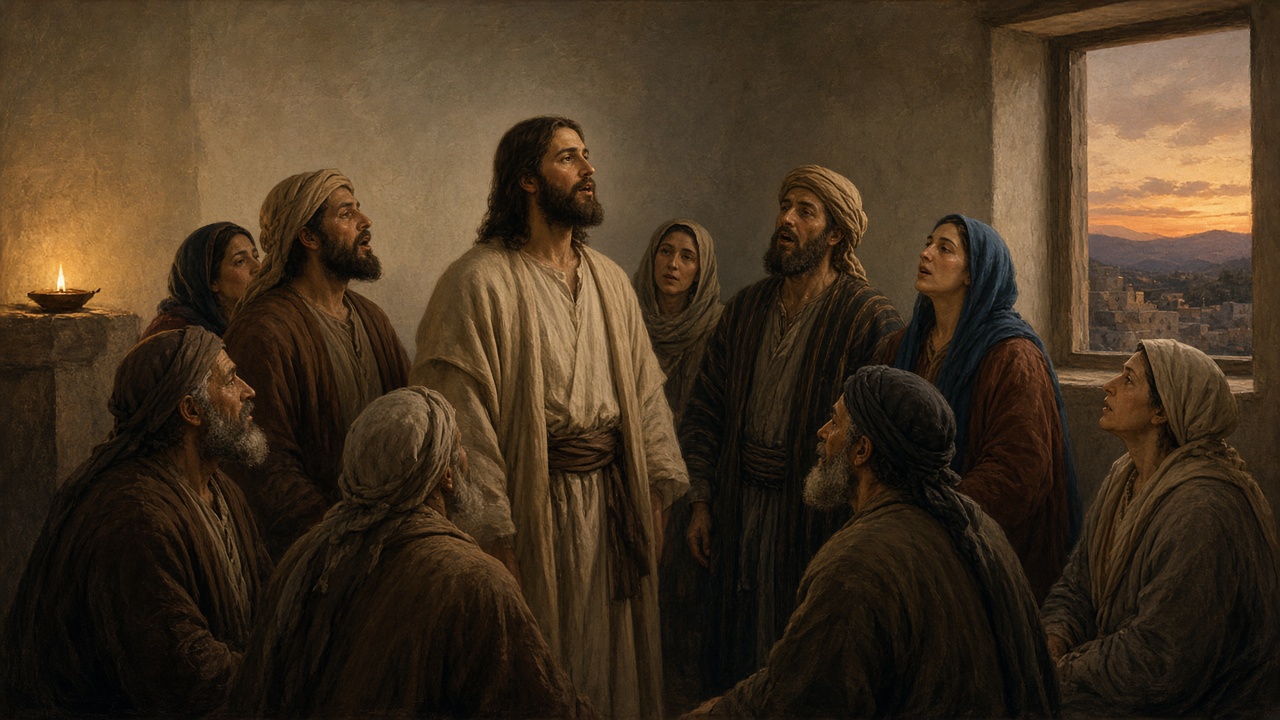
Sharing humanity, crowned through suffering
- Hebrews 2 recalls that the message spoken by angels was binding, and that every transgression and disobedience received its just punishment, then asks how anyone can escape who neglects so great a salvation. That salvation was first announced by the Lord, confirmed to us by those who heard him, and affirmed by God through signs, wonders, various miracles, and gifts of the Holy Spirit distributed according to his will.Sources: the Bible text itself
- The chapter quotes a testimony that man was made a little lower than the angels, crowned with glory and honor, with everything placed under his feet. When God subjected all things to him, he left nothing outside his control, yet at present we do not see everything subject to him. Jesus, made a little lower than the angels, is now crowned with glory and honor because he suffered death, so that by the grace of God he might taste death for everyone.Sources: the Bible text itself
- Hebrews 2 says Jesus helps not angels but the descendants of Abraham, and that he had to be made like his brothers in every way so that he might become a merciful and faithful high priest in service to God, to make atonement for the sins of the people. Abraham, son of Terah, is called father of a multitude and described as the heir of the promises.Sources: the Bible text itself · Abraham
Notes written with AI assistance from open sources (Theographic Bible Metadata, CC BY-SA 4.0; Easton’s Bible Dictionary, public domain) and reviewed before publishing.
Credits and license for this translation
Bibeli Gusunɔn Gari
The Holy Bible in the Baatonum language of Benin, also called the Bariba language
copyright © 2013 SIM
Language: Bariba (Baatonum)
Translation by: SIM International
Bariba, Bibeli Gusunɔn Gari
This translation, published by the UEEB/SIM au Benin, was published in 1996.
If you are interested in obtaining a printed copy, please contact the SIM at SIM, BP 15, Parakou, Benin.
This translation text is made available to you under the
terms of the Creative Commons License: Attribution-Noncommercial-No Derivative Works.
( http://creativecommons.org/licenses/by-nc-nd/3.0/ )
In addition, you have permission to port the text to different file formats, as long as you
do not change any of the text or punctuation of the Bible.
You may share, copy, distribute, transmit, and extract portions
or quotations from this work, provided that you include the above copyright
information:
You must give Attribution to the work.
You do not sell this work for a profit.
You do not make any derivative works that change any of the actual words or punctuation of the Scriptures.
Permissions beyond the scope of this license may be
available if you contact
us with your request.
This translation is made available to you under the terms of the
Creative Commons Attribution-Noncommercial-No Derivatives license 4.0.
You may share and redistribute this Bible translation or extracts from it in any format, provided that:
You include the above copyright and source information.
You do not sell this work for a profit.
You do not change any of the words or punctuation of the Scriptures.
Pictures included with Scriptures and other documents on this site are licensed just for use with those Scriptures and documents.
For other uses, please contact the respective copyright owners.
2014-09-10
Source: http://ebible.org/bba/ · eBible.org