Ezra 7
Bibeli Gusunɔn Gari · Tap a verse to see its cross-references.
1Sɑnɑm mɛ Aɑtɑsɛsi Pɛɛsin sinɑ boko u bɑndu sɔ̃, yerɑ Ɛsidɑrɑsi, Serɑyɑn bii u tunumɑ Yerusɑlɛmuɔ. U sɑ̃ɑwɑ Aroni yɑ̃ku kowo tɔnweron bibun bweseru. Aroni wiyɑ u Eleɑsɑɑ mɑrɑ. Mɑ Eleɑsɑɑ u Finɛɛsi mɑrɑ. Mɑ Finɛɛsi u Abisuɑ mɑrɑ. Mɑ Abisuɑ u Buki mɑrɑ. Mɑ Buki u Usi mɑrɑ. Mɑ Usi u Serɑyɑ mɑrɑ. Mɑ Serɑyɑ u Mɛrɑyɔtu mɑrɑ. Mɑ Mɛrɑyɔtu u Asɑriɑ mɑrɑ. Mɑ Asɑriɑ u Amɑriɑ mɑrɑ. Mɑ Amɑriɑ u Akitubu mɑrɑ. Mɑ Akitubu u Sɑdɔku mɑrɑ. Mɑ Sɑdɔku u Sɑlumu mɑrɑ. Mɑ Sɑlumu u Hilikiyɑ mɑrɑ. Mɑ Hilikiyɑ u Asɑriɑ mɑrɑ. Mɑ Asɑriɑ u Serɑyɑ, Ɛsidɑrɑsin tundo mɑrɑ. Ɛsidɑrɑsi wi, u sɑ̃ɑwɑ tire yɛ̃ro. U mɑɑ woodɑn yɛ̃ru mɔ ɡem ɡem ye Yinni Gusunɔ u Mɔwisi wɛ̃. Gusunɔ wi, Ɛsidɑrɑsin Yinni u kɑ nùn wɑ̃ɑ. Yen sɔ̃nɑ sinɑ boko u nùn wɛ̃ kpuro ye u bikiɑ. 7Isireli ɡɑbu kɑ yɑ̃ku kowobu kɑ Lefibɑ kɑ wom kowobu kɑ be bɑ sɑ̃ɑ sɑ̃ɑ yerun kɔnnɔn kɔ̃sobu kɑ sere ben yobu ɡɑbu Nɛtinibɑ, bɑ mɑɑ tunumɑ Yerusɑlɛmu mi, Aɑtɑsɛsin bɑndun wɔ̃ɔ nɔɔbɑ yiruse sɔɔ. 8Kɑ Ɛsidɑrɑsin tii sɑnnɑ bɑ tunumɑ sinɑ bokon bɑndun wɔ̃ɔ nɔɔbɑ yirusen suru nɔɔbuse sɔɔ. 9N deemɑ u seewɑwɑ Bɑbilonin di wɔ̃ɔ ɡen suru ɡbiikoon tɔ̃ɔ ɡbiikiru sɔɔ. Mɑ u turɑ Yerusɑlɛmuɔ yen suru nɔɔbusen tɔ̃ɔ ɡbiikiru. Gusunɔ win Yinniwɑ u nùn kɔ̃su. 10Domi Ɛsidɑrɑsi u tii Gusunɔ wɛ̃. Mɑ u win woodɑbɑ keu kuɑ, u rɑ ye mɛm nɔɔwɛ kpɑ u ye Isirelibɑ sɔ̃ɔsi.
Woodɑ
ye Aɑtɑsɛsi u Ɛsidɑrɑsi wɛ̃
11Sinɑ boko Aɑtɑsɛsi u Ɛsidɑrɑsi tireru wɛ̃. Ɛsidɑrɑsi wi, u sɑ̃ɑwɑ yɑ̃ku kowo. Mɑ u woodɑn yɛ̃ru mɔ ye Yinni Gusunɔ u Isirelibɑ wɛ̃. Aɑtɑsɛsin tire ten ɡɑri wee.
12U nɛɛ, nɛnɑ Aɑtɑsɛsi, sinɑmbun sinɑ boko. Wunɛ Ɛsidɑrɑsiwɑ nɑ tire teni yoruɑmmɛ, wunɛ wi ɑ sɑ̃ɑ yɑ̃ku kowo kɑ mɑɑ Wɔrukoon woodɑ yɛ̃ro.
13Nɑ nɛɛ, bu wunɛ kɑ Isireli be bɑ wɑ̃ɑ nɛn tem sɔɔ yɔ̃suo i dɑ Yerusɑlɛmuɔ, tɔn dirobu kɑ yɑ̃ku kowobu kɑ Lefibɑ be bɑ kĩ bu dɑ Yerusɑlɛmu mi. 14Nɛ kɑ nɛn bwisi kɛ̃ɔbu nɔɔbɑ yiruwɑ sɑ nun ɡɔriɔ Yerusɑlɛmuɔ Yudɑn temɔ ɑ kɑ wɑ nɡe mɛ bɑ Gusunɔ wunɛn Yinnin woodɑ mɛm nɔɔwɑmmɛ yèn tireru ɑ nɛni mi. 15Kpɑ ɑ sii ɡeesu kɑ wurɑ suɑ ye nɛ kɑ nɛn bwisi kɛ̃ɔ be, sɑ Gusunɔ bɛɛ Isirelibɑn Yinni kɑ̃ kɑ nuku tiɑ, wi, wìn sɑ̃ɑ yerɑ wɑ̃ɑ Yerusɑlɛmuɔ. 16Kpɑ ɑ mɑɑ kɛ̃nu kpuro ɡurɑ ni nu sɑ̃ɑ sii ɡeesu kɑ wurɑ ye wunɛn Isirelisibu tɔn dirobu kɑ yɑ̃ku kowobu bɑ wɛ̃ kɑ nuku tiɑ Bɑbiloni mini Yinni Gusunɔn sɑ̃ɑ yee ten sɔ̃. 17À n turɑ Yerusɑlɛmu mi, ɑ de ɑ kɑ sii ɡee si nɑɑ kinɛnu dwe kɑ yɑ̃ɑ kinɛnu kɑ yɑ̃ɑ kpɛmminu kɑ dĩɑnu kɑ sere tɑm kpɑ ɑ kɑ ye kpuro yɑ̃kunu ko yɑ̃ku yerɔ Gusunɔ bɛɛn Yinnin sɑ̃ɑ yerɔ. 18Kpɑ wunɛ kɑ wunɛn tɔmbu i wurɑ kɑ sii ɡee si su tie dendi sɑ̃ɑ yee ten sɔ̃ nɡe mɛ Gusunɔ bɛɛn Yinni u bɛɛ sɔ̃ɔwɑ. 19Kpɑ ɑ mɑɑ Yinni Gusunɔn sɑ̃ɑ yerun dendi yɑ̃ɑ ni bɑ nun wɛ̃ mi wesiɑ sɑ̃ɑ yeru mi. 20À n kɑɑ mɑɑ ɡɑ̃ɑnu ɡɑnu ko sɑ̃ɑ yee ten sɔ̃, ɑ de ɑ ɡobi bikiɑ nɛ sinɑ bokon ɑrumɑni berobun mi.
21Nɛ Aɑtɑsɛsi, nɑ nɛn ɡobi bero be bɑ wɑ̃ɑ Efɑrɑtin sɔ̃ɔ duu yeru ɡiɑ woodɑ wɛ̃ɛmɔ bu kɑ nun wɛ̃ ye kɑɑ bu bikiɑ. 22Bɑ koo nun sii ɡeesu wɛ̃ sere kilo nɔrɔbun subɑ itɑ (3.000). Mɛyɑ bɑ koo mɑɑ nun ɑlikɑmɑ wɛ̃ sere kilo nɔrɔbun subɑ tɛnɑ (30.000) kɑ tɑm sere ditiri nɔrɔbun subɑ nnɛ (4.000) kɑ ɡum sere ditiri nɔrɔbun subɑ nnɛ. Adɑmɑ bɑ koo nun bɔru wɛ̃ nɡe mɛ̀n nɔɔ ɑ ten bukɑtɑ mɔ. 23Ye Wɔrukoo u yi, i ye koowo fuuku. Kpɑ u ku rɑɑ kɑ nɛn tem tɔmbu kɑ nɛn tii kɑ nɛn bibun bweseru mɔru ko. 24Yen biru, sɑ ɡbere mwɑɔbu nɔɔsiɑmɔ bu ku rɑɑ yɑ̃ku kowo be ɡbere ɡobi mwɑɑri kɑ wom kowo be, kɑ Lefi be, kɑ sɑ̃ɑ yerun kɔnnɔn kɔ̃so be, kɑ sere mɑɑ yoo be, tɔn be bɑ ɡesi sɑrɔ mi kpuro, bɑ sɑ̃ɑ yee ten sɔmburu dɔɔ.
25Wunɛ mɑɑ Ɛsidɑrɑsi, nɡe mɛ ɑ Yinni Gusunɔn bwisi mɔ mi, ɑ siri kowobu kɑ wiruɡibu ɡɔsio bu kɑ Efɑrɑtin sɔ̃ɔ duu yeru ɡiɑn tɔmbu kpɑrɑ be bɑ Gusunɔ wunɛn Yinnin woodɑ yɛ̃. Be bɑ ǹ mɑɑ ye yɛ̃, kpɑ ɑ bu ye sɔ̃ɔsi. 26Yen biru, ɡoo ù n yinɑ u woodɑ ye mɛm nɔɔwɑ mɑm mɑm ǹ kun mɛ nɛ sinɑ bokoɡiɑ, bu yɛ̃ro sirio. Ǹ n ɡɔɔn nɑ u kɑ weenɛ, bu nùn ɡoowo. Bɑ̀ n koo nùn yɑrɑn nɑ ben suunu sɔɔn di, bu nùn yɑro. Bɑ̀ n koo nùn ɡɑ̃ɑnu mwɑɑrin nɑ, bu nùn mwɑɑrio. Bɑ̀ n koo mɑɑ nùn pirisɔm doken nɑ, bu nùn dokeo.
Ɛsidɑrɑsi u Gusunɔ siɑrɑ
27Ɛsidɑrɑsi u nɛɛ, i Gusunɔ bɛsɛn bɑɑbɑbɑn Yinni siɑro. U derɑ sinɑ boko u win sɑ̃ɑ yee te tɑ wɑ̃ɑ Yerusɑlɛmuɔ bɛɛrɛ wɛ̃. 28Yinni Gusunɔ u mɑn durom kuɑ sinɑ boko kɑ win bwisi kɛ̃ɔbu kɑ win dɑmɡibun wuswɑɑɔ. U mɑn dɑm kɑ̃ nɑ kɑ Isirelibɑn wiruɡibu mɛnnɑ. Mɑ bɑ kɑ mɑn dɑ Yerusɑlɛmuɔ.
Ɛsidɑrɑsin bwɑ̃ɑbu
Did you know?
Ezra's Mission and the Decree of Artaxerxes
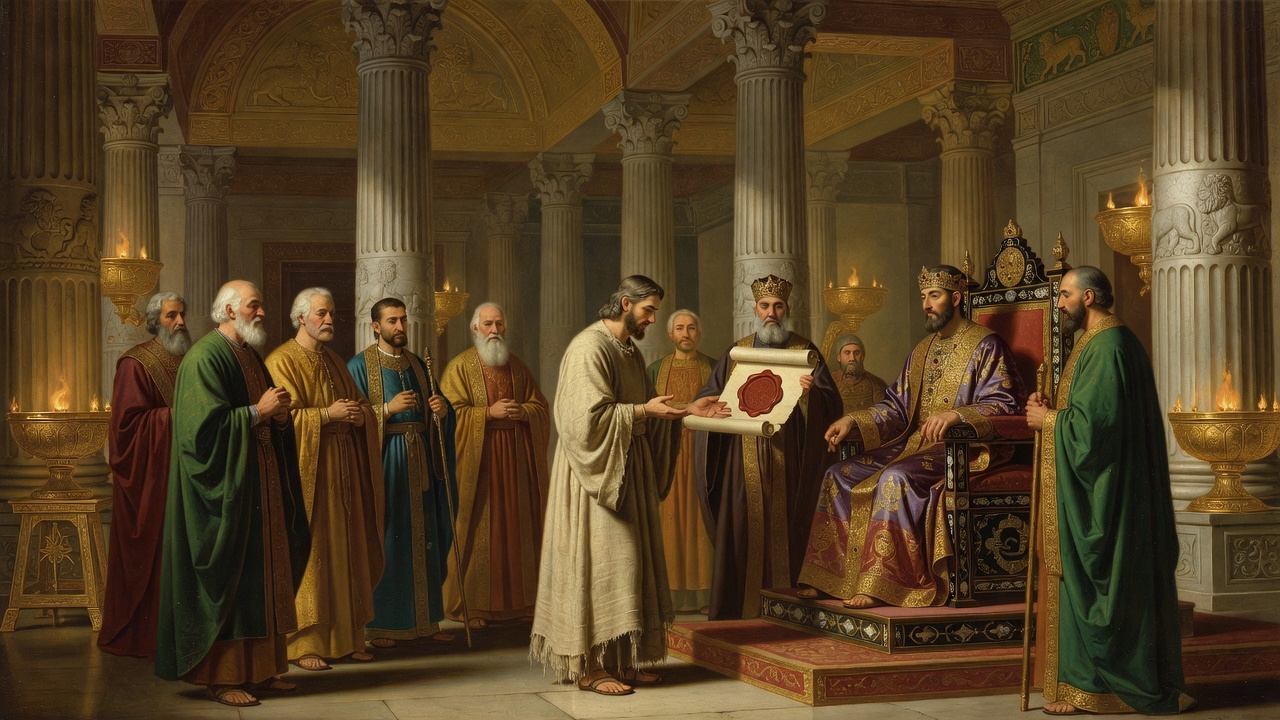
- Ezra is introduced with a priestly genealogy tracing back to Aaron through Hilkiah, the high priest who discovered the Book of the Law under King Josiah. Described as a skilled scribe, Ezra set his heart to study the Law of the Lord, practice it, and teach its decrees in Israel.Sources: Ezra · Hilkiah · the Bible text itself
- The Persian monarch Artaxerxes is traditionally identified as Artaxerxes I Longimanus, whose seventh year of reign corresponds to 458 BC. His royal decree granted Ezra broad authority to lead returning Israelites, appoint magistrates west of the Euphrates, and draw provisions and funds from the royal treasury.Sources: Artaxerxes · Persia · the Bible text itself
- Ezra and his fellow travelers set out from Babylon on the first day of the first month and arrived in Jerusalem on the first day of the fifth month. The narrative emphasizes that this four-month overland journey succeeded because the gracious hand of God was upon him.Sources: Ezra · the Bible text itself
Notes written with AI assistance from open sources (Theographic Bible Metadata, CC BY-SA 4.0; Easton’s Bible Dictionary, public domain) and reviewed before publishing.
Places in this chapter
- Babylon · 32.543, 44.422 · verse 1
- Jerusalem · 31.777, 35.234 · verses 1, 6, 7, 8, 9, 13, 14, 15, 16, 17, 19, 27, 28
- Persia · 34.806, 48.516 · verse 1
- Babylonia · 32.543, 44.422 · verses 6, 9, 16
- Beyond the River · 31.777, 35.234 · verses 21, 25
Only places identified with high confidence are shown (90% or more according to the scholarly sources compiled by OpenBible). Period map: DARE (Digital Atlas of the Roman Empire), CC BY 4.0; modern map: © OpenStreetMap contributors; places: OpenBible.info (CC BY 4.0).
Credits and license for this translation
Bibeli Gusunɔn Gari
The Holy Bible in the Baatonum language of Benin, also called the Bariba language
copyright © 2013 SIM
Language: Bariba (Baatonum)
Translation by: SIM International
Bariba, Bibeli Gusunɔn Gari
This translation, published by the UEEB/SIM au Benin, was published in 1996.
If you are interested in obtaining a printed copy, please contact the SIM at SIM, BP 15, Parakou, Benin.
This translation text is made available to you under the
terms of the Creative Commons License: Attribution-Noncommercial-No Derivative Works.
( http://creativecommons.org/licenses/by-nc-nd/3.0/ )
In addition, you have permission to port the text to different file formats, as long as you
do not change any of the text or punctuation of the Bible.
You may share, copy, distribute, transmit, and extract portions
or quotations from this work, provided that you include the above copyright
information:
You must give Attribution to the work.
You do not sell this work for a profit.
You do not make any derivative works that change any of the actual words or punctuation of the Scriptures.
Permissions beyond the scope of this license may be
available if you contact
us with your request.
This translation is made available to you under the terms of the
Creative Commons Attribution-Noncommercial-No Derivatives license 4.0.
You may share and redistribute this Bible translation or extracts from it in any format, provided that:
You include the above copyright and source information.
You do not sell this work for a profit.
You do not change any of the words or punctuation of the Scriptures.
Pictures included with Scriptures and other documents on this site are licensed just for use with those Scriptures and documents.
For other uses, please contact the respective copyright owners.
2014-09-10
Source: http://ebible.org/bba/ · eBible.org