Ezra 10
Bibeli Gusunɔn Gari · Tap a verse to see its cross-references.
1Sɑnɑm mɛ Ɛsidɑrɑsi u yiire u kɑnɑru mɔ̀ Yinni Gusunɔn sɑ̃ɑ yerɔ u win tɔmbu suuru kɑnɑmmɛ, yerɑ bɑ mɛnnɑ tɔn durɔbu kɑ tɔn kurɔbu kɑ bibu be kpuro bɑ mɑɑ sumɔ. 2Yerɑ Sekɑniɑ Yehiɛlin bii Elɑmun debuminu sɔɔ, u Ɛsidɑrɑsi sɔ̃ɔwɑ u nɛɛ, ɡeemɑ, sɑ Gusunɔ torɑri ye sɑ kɑ tɔn tuko kurɔbu suɑ be bɑ sɑ̃ɑ tem min tɔn kurɔbu. Adɑmɑ kɑ mɛ, Isirelibɑ bɑ yĩiyɔbu mɔ. 3Tɛ̃, su kɑ Gusunɔ ɑrukɑwɑni bɔke kpɑ su tɔn tuko kurɔ be ɡirɑ kɑ bii be sɑ kɑ bu mɑrɑ nɡe mɛ Ɛsidɑrɑsi bɛsɛn yinni kɑ sere be bɑ woodɑ ye nɑsie bɑ ɡeruɑ. I de su ko nɡe mɛ Gusunɔn woodɑ ye, yɑ ɡeruɑ. 4Wunɛ Ɛsidɑrɑsi, ɑ seewo, ɡɑri yi, yi nun wɑ. Sɑ ko n wɑ̃ɑ wunɛn biruɔ. A de ɑ wɔruɡɔru ko kpɑ ɑ se ɑ ko nɡe mɛ.
5Mɑ Ɛsidɑrɑsi u seewɑ u derɑ yɑ̃ku kowo tɔnwerobu kɑ Lefibɑ kɑ Isirelibɑ kpuro bɑ bɔ̃ruɑ ɑrukɑwɑni yen sɔ̃. 6Yen biru, Ɛsidɑrɑsi u yɑrɑ Gusunɔn sɑ̃ɑ yerun di u dɑ Yokɑnɑni Eliɑsibun biin dirɔ. Sɑnɑm mɛ u duɑ mi, u ǹ dĩɑnu di, u ǹ mɑɑ nim nɔrɑ. Domi win nuki sɑnkire Isireli be bɑ yoru mwɛɛrɑn dɑɑ kɔ̃sɑ ye bɑ kuɑn sɔ̃.
7Mɑ bɑ kpɑrɑ Yerusɑlɛmuɔ, Yudɑn tem kpuro sɔɔ ɡesi, be bɑ yoru mwɛɛrɑ kpuro bu mɛnnɑmɑ Yerusɑlɛmuɔ. 8Wi u yinɑ u nɑ sɔ̃ɔ itɑn bɑɑ sɔɔ, bɑ koo win ye u mɔ wɔrɑ kpɑ bu nùn yɑrɑ Isirelibɑn suunu sɔɔn di. Woodɑ yeniwɑ Isirelibɑn wiruɡibu kɑ ben bukurobu bɑ yi.
9Mɑ Yudɑbɑ kɑ Bɛnyɑmɛɛbɑ bɑ mɛnnɑ Yerusɑlɛmuɔ sɔ̃ɔ itɑ yen bɑɑ sɔɔ wɔ̃ɔ ɡen suru nɔɔbɑ nnɛsen sɔ̃ɔ yɛnduse sɔɔrɑ mi. Tɔmbu kpuro bɑ mɛnnɑ sɑ̃ɑ yerun yɑɑrɑ mi. Mɑ bɑ diirimɔ soku ten sɔ̃ kɑ ɡurɑn sɔ̃. 10Yɑ̃ku kowo Ɛsidɑrɑsi u seewɑ u nɛɛ, wee i torɑ ye i kɑ tɔn tuko kurɔbu suɑ mɑ i Isirelibɑ kpuro doke tɑɑrɛ sɔɔ. Yen sɔ̃ tɛ̃, i bɛɛn torɑnu tuubɑ koowo Gusunɔ bɛɛn bɑɑbɑbɑn Yinnin mi kpɑ i win kĩru ko. 11I tii nɛnuɔ tem minin tɔmbun sɔ̃ kɑ sere mɑɑ ben kurɔbun sɔ̃.
12Mɑ tɔn be kpuro bɑ wurɑ bɑ nɛɛ, sɑ ko ko nɡe mɛ ɑ ɡeruɑ. 13Adɑmɑ tɔn be, bɑ dɑbi. Mɑ ɡurɑ nɛmɔ. Yen sɔ̃, bɑ ǹ kpɛ̃ bu yɔ̃rɑ tɔɔwɔ. Yen biru, ɡɑri yi, yi ǹ sɔ̃ɔ teeru ǹ kun mɛ sɔ̃ɔ yirun sɔmburu. Domi tɔn dɑbirɑ tɑ torɑ ɡɑri yi sɔɔ. 14Ǹ n mɛn nɑ, bɛsɛn wiruɡibu tɔnɑ bu sinɑ kpɑ be bɑ tɔn tuko kurɔbu sue bu nɑ kɑ ben ɡuro ɡurobu kɑ siri kowobu sɑɑ ye bɑ bu burɑ bu kɑ ɡɑri yi siri. Nɡe mɛyɑ Gusunɔ bɛsɛn Yinnin mɔru yɑ koo kɑ doonɑ ɡɑri yin sɔ̃.
15Yonɑtɑm, Asɑɛlin bii kɑ Yɑɑsiyɑ, Tikifɑn bii kɑ Mɛsulɑmu kɑ sere Sɑbetɑi Lefi wi, be tɔnɑwɑ bɑ ǹ kɑ sun nɔɔ tiɑ sɑ̃ɑ. 16Adɑmɑ be bɑ tie bɑ wurɑmɑ yorun di bɑ ɡɑri yi wurɑ. Mɑ bɑ Ɛsidɑrɑsi yɑ̃ku kowo ɡɔsɑ kɑ sere yɛnu yɛ̃robu yɛnu bɑɑɡeren di ben bɑɑwure kɑ win yĩsiru. Mɑ bɑ ɡɑri yin siribu toruɑ wɔ̃ɔ ɡen suru wɔkurusen tɔ̃ɔ ɡbiikiru sɔɔ. 17Wɔ̃ɔ kpɔɔn suru ɡbiikoon tɔ̃ɔ ɡbiikiru sɔɔrɑ bɑ be bɑ tɔn tuko kurɔbu suɑ siri bɑ kpɑ.
Yuu be bɑ torɑn yĩsɑ
18Yɑ̃ku kowobu sɔɔ, ɡɑbɑ wɑ̃ɑ be bɑ tɔn tuko kurɔbu suɑ. Beyɑ Yosuen sikɑdominu kɑ win mɛro bisi Yosɑdɑkin bibu Mɑɑseyɑ kɑ Ɛliesɛɛ kɑ Yɑribu kɑ Gedɑliɑ. 19Tɔn be, bɑ bɔ̃ruɑ bɑtumɑ sɔɔ bɑ nɛɛ, bɑ koo ben kurɔ be ɡirɑ be bɑ sɑ̃ɑ tɔn tukobu mi, kpɑ bu kɑ yɑ̃ɑ kinɛru yɑ̃kuru ko ben torɑnun sɔ̃. 20Imɛrin bweseru sɔɔ, Hɑnɑni kɑ Sebɑdiɑ bɑ wɑ̃ɑ sɔɔ. 21Hɑrimun bweseru sɔɔ, Mɑɑseyɑ kɑ Eli kɑ Semɑyɑ kɑ Yeyɛli kɑ Osiɑsi. 22Pɑsurin bweseru sɔɔ, Elionɑi kɑ Mɑɑseyɑ kɑ Isimɛɛli kɑ Nɛtɑnɛɛli kɑ Yosɑbɑdi kɑ Eleɑsɑɑ.
23Lefin bweseru sɔɔ, Yosɑbɑdi kɑ Simɛi kɑ Kelɑyɑ wi bɑ mɑɑ mɔ̀ Kelitɑ kɑ Petɑyɑ kɑ Yudɑ kɑ Ɛliesɛɛ.
24Wom kowobun bweseru sɔɔ mɑɑ, Eliɑsibu.
Sɑ̃ɑ yerun kɔnnɔsun kɔ̃sobu sɔɔ, Sɑlumu kɑ Telɛmu kɑ Uri.
25Isireli be bɑ tie sɔɔ, Pɑreɔsin bweseru sɔɔ Rɑmiɑ kɑ Yisiyɑ kɑ Mɑɑkiyɑ kɑ Miyɑmini kɑ Eleɑsɑɑ kɑ Mɑɑkiyɑ kɑ Bɛnɑyɑ.
26Elɑmun bweseru sɔɔ, Mɑtɑniɑ kɑ Sɑkɑri kɑ Yehiɛli kɑ Abudi kɑ Yeremɔti kɑ Eli.
27Sɑtun bweseru sɔɔ, Elionɑi kɑ Eliɑsibu kɑ Mɑtɑniɑ kɑ Yeremɔti kɑ Sɑbɑdi kɑ Asisɑ.
28Bebɑin bweseru sɔɔ, Yokɑnɑni kɑ Hɑnɑniɑ kɑ Sɑbɑi kɑ Atilɑi.
29Bɑnin bweseru sɔɔ, Mɛsulɑmu kɑ Mɑluku kɑ Adɑyɑ kɑ Yɑsubu kɑ Seɑli kɑ Yeremɔti.
30Pɑkɑti Mɔɑbun bweseru sɔɔ, Adinɑ kɑ Kelɑli kɑ Bɛnɑyɑ kɑ Mɑɑseyɑ kɑ Mɑtɑniɑ kɑ Bɛsɑlɛli kɑ Binui kɑ Mɑnɑse.
31Hɑrimun bweseru sɔɔ, Ɛliesɛɛ kɑ Yisiyɑ kɑ Mɑɑkiyɑ kɑ Semɑyɑ kɑ Simɛɔ
32kɑ Bɛnyɑmɛɛ kɑ Mɑluku kɑ Semɑriɑ.
33Hɑsumun bweseru sɔɔ mɑɑ, Mɑtinɑi kɑ Mɑtɑtɑ kɑ Sɑbɑdi kɑ Elifelɛti kɑ Yeremɑi kɑ Mɑnɑse kɑ Simɛi.
34Bɑnin bweseru sɔɔ, Mɑdɑi kɑ Amurɑmu kɑ Wɛli 35kɑ Bɛnɑyɑ kɑ Bediɑ kɑ Keluhu 36kɑ Fɑniɑ kɑ Mɛremɔtu kɑ Eliɑsibu 37kɑ Mɑtɑniɑ kɑ Mɑtinɑi kɑ Yɑɑsɑi 38kɑ Bɑni kɑ Binui kɑ Simɛi 39kɑ Selemiɑ kɑ Nɑtɑni kɑ Adɑyɑ 40kɑ Mɑkinɑbɑi kɑ Sɑsɑi kɑ Sɑrɑi 41kɑ Asɑrɛli kɑ Selemiɑ kɑ Semɑriɑ 42kɑ Sɑlumu kɑ Amɑriɑ kɑ Yosɛfu.
43Nɛbon bweseru sɔɔ, Yeyɛli kɑ Mɑtitiɑ kɑ Sɑbɑdi kɑ Sebinɑ kɑ Yɑdɑi kɑ Yoɛli kɑ Bɛnɑyɑ.
44Tɔn beni kpurowɑ bɑ tɔn tuko kurɔbu suɑ. Kurɔ ben ɡɑbɑ kɑ bu bibu mɑrɑ.
Did you know?
The Assembly and the Oath of Separation
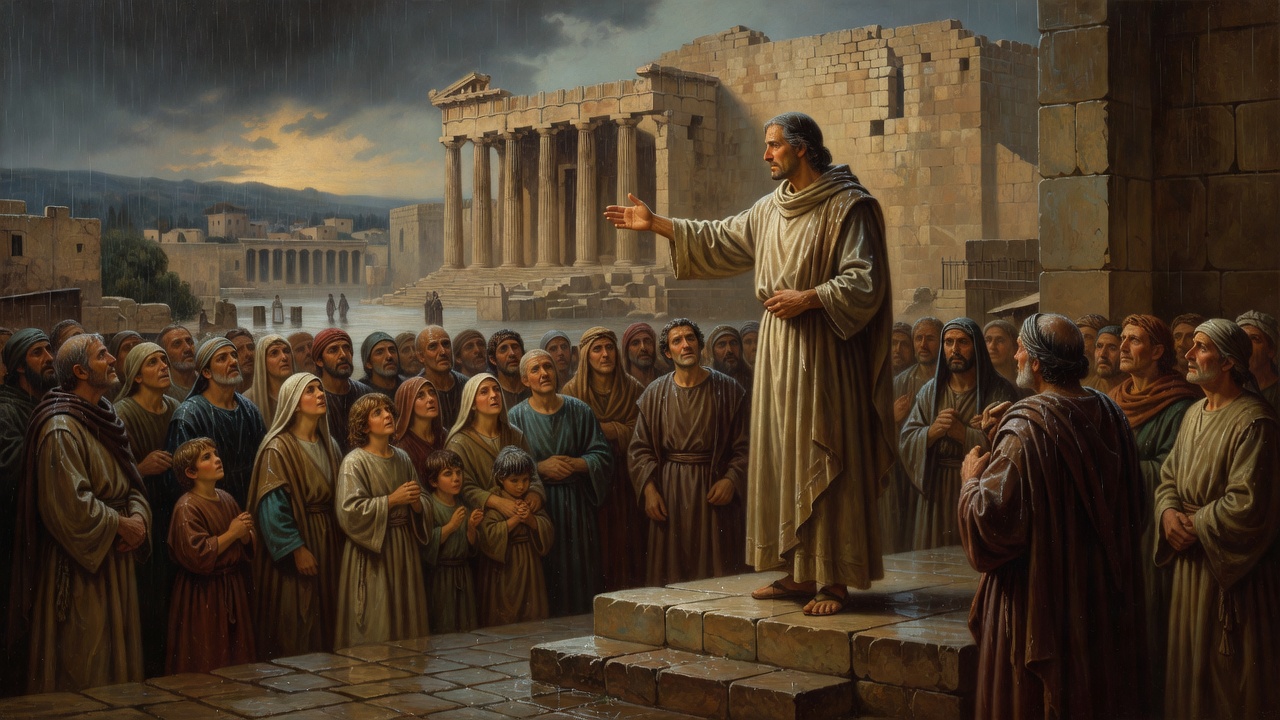
- To address the issue of intermarriage, the leaders issued a proclamation requiring all returned exiles in Judah and Benjamin to gather in Jerusalem within three days, under penalty of property forfeiture and expulsion from the community. When they gathered in the open square before the house of God, the people were trembling both from the gravity of the situation and from the heavy rain.Sources: the Bible text itself · Jerusalem
- Because the large crowd could not remain outdoors during the winter rainy season, the community organized a formal inquiry. Ezra and appointed heads of families investigated the cases town by town over a period of three full months, from the first day of the tenth month to the first day of the first month.Sources: the Bible text itself · Ezra
- The chapter and the book conclude with an itemized registry of over one hundred men who had taken foreign wives. The list demonstrates that intermarriage had touched all levels of post-exilic society, including descendants of the high priestly line, Levites, temple singers, gatekeepers, and ordinary citizens.Sources: the Bible text itself
Notes written with AI assistance from open sources (Theographic Bible Metadata, CC BY-SA 4.0; Easton’s Bible Dictionary, public domain) and reviewed before publishing.
Places in this chapter
Only places identified with high confidence are shown (90% or more according to the scholarly sources compiled by OpenBible). Period map: DARE (Digital Atlas of the Roman Empire), CC BY 4.0; modern map: © OpenStreetMap contributors; places: OpenBible.info (CC BY 4.0).
Credits and license for this translation
Bibeli Gusunɔn Gari
The Holy Bible in the Baatonum language of Benin, also called the Bariba language
copyright © 2013 SIM
Language: Bariba (Baatonum)
Translation by: SIM International
Bariba, Bibeli Gusunɔn Gari
This translation, published by the UEEB/SIM au Benin, was published in 1996.
If you are interested in obtaining a printed copy, please contact the SIM at SIM, BP 15, Parakou, Benin.
This translation text is made available to you under the
terms of the Creative Commons License: Attribution-Noncommercial-No Derivative Works.
( http://creativecommons.org/licenses/by-nc-nd/3.0/ )
In addition, you have permission to port the text to different file formats, as long as you
do not change any of the text or punctuation of the Bible.
You may share, copy, distribute, transmit, and extract portions
or quotations from this work, provided that you include the above copyright
information:
You must give Attribution to the work.
You do not sell this work for a profit.
You do not make any derivative works that change any of the actual words or punctuation of the Scriptures.
Permissions beyond the scope of this license may be
available if you contact
us with your request.
This translation is made available to you under the terms of the
Creative Commons Attribution-Noncommercial-No Derivatives license 4.0.
You may share and redistribute this Bible translation or extracts from it in any format, provided that:
You include the above copyright and source information.
You do not sell this work for a profit.
You do not change any of the words or punctuation of the Scriptures.
Pictures included with Scriptures and other documents on this site are licensed just for use with those Scriptures and documents.
For other uses, please contact the respective copyright owners.
2014-09-10
Source: http://ebible.org/bba/ · eBible.org