Ezekiel 39
Bibeli Gusunɔn Gari · Tap a verse to see its cross-references.
1Wunɛ tɔnun bii, ɑ Gɔɡu ɡerusio ɑ nɛɛ, ɑmɛniwɑ nɛ, Yinni Gusunɔ nɑ ɡeruɑ. Nɑ nɛɛ, nɛ wee nɑ Gɔɡu seesi wi, wi u sɑ̃ɑ Mɛsɛki kɑ Tubɑlin kpɑro. 2Kon nùn yɑrɑ win tem di mɛ mu wɑ̃ɑ sɔ̃ɔ yɛ̃sɑn nɔm ɡeun sɔɔ sɔɔwɔ. Kpɑ n de u Isirelibɑ wɔri. 3Adɑmɑ kon win tɛndu wɔrɑ win nɔm dwɑrun di kpɑ n win sɛ̃ɛnu mwɛɛri win nɔm ɡeun di. 4U koo wɔrumɑ Isirelibɑn ɡuunu wɔllɔ wi, kɑ win tɑbu kowobu kɑ tɔn be bɑ nùn swĩimɑ. Kpɑ ɡunɔsu kɑ ɡbeeku yɛɛ yi ben yɑɑ di. 5U koo wɔrumɑwɑ temɔ nɡe mɛ nɛ, Yinni Gusunɔ nɑ ɡeruɑ. 6Kon Mɑɡɔɡu ye dɔ̃ɔ doke kɑ sere be bɑ wɑ̃ɑ tem burerɔ bɔri yɛndu sɔɔ. Sɑɑ ye sɔɔ, bɑ koo ɡiɑ mɑ nɛnɑ nɑ sɑ̃ɑ Yinni Gusunɔ. 7Kon de bu nɛn yĩsi dɛɛrɑru ɡiɑ Isirelibɑn suunu sɔɔ. Nɑ ǹ derimɔ bu tu sɑnku. Sɑɑ yerɑ bwesenu kpuro nu koo ɡiɑ mɑ nɛnɑ nɑ sɑ̃ɑ Gusunɔ Isirelibɑn Yinni Dɛɛro. 8Wee ye kpuro yɑ koorɑmɔ yɑ wee. Yɑ koo koorɑwɑ tɔ̃ɔ te nɛn tii nɑ yi. Nɛ, Yinni Gusunɔwɑ nɑ yeni ɡeruɑ. 9Yen tɔ̃ɔ te, Isirelibɑ bɑ koo yɑri ben wusun di, kpɑ bu ben yibɛrɛbɑn tɛrɛ bɑkɑnu kɑ piiminu mwɛɛri kɑ ben tɛmɑ kɑ sɛ̃ɛnu kɑ ben yɑɑsi kɑ ben bɔri kpɑ bu kɑ ye kpuro dɔ̃ɔ sɔ̃re wɔ̃ɔ nɔɔbɑ yiru. 10Bɑ ǹ mɑɑ dɑ̃ɑ kɑso dɔɔ yɑkɑsɔ. Mɛyɑ bɑ ǹ mɑɑ dɑ̃ɑ burɑmɔ dɑ̃ɑ sɔ̃ɔwɔ bu kɑ doo ko. Domi tɑbu yɑ̃ɑ niyɑ bɑ koo kɑ dɔ̃ɔ sɔ̃re. Bɑ koo ben yibɛrɛbɑ mwɛɛri be, be bɑ rɑɑ bu mwɛɛrɑ. Bɑ koo tɔmbun yɑ̃nu ɡurɑ be bɑ rɑɑ ben yɑ̃nu ɡurɑ. Nɛ Yinni Gusunɔwɑ nɑ yeni ɡeruɑ.
11Yen tɔ̃ɔ te, Isireliɔ kon Gɔɡu siku yeru wɛ̃ nim wɔ̃ku bɔruɡuun sɔ̃ɔ yɑri yeru ɡiɑ, mi tɔmbɑ rɑ sɑre. Kpɑ tu berɑ min swɑɑ ɡo. Miyɑ bɑ koo Gɔɡu kɑ win tɔn dɑbi te sike, kpɑ bu yɑm mi soku Gɔɡun tɔn dɑbinun wɔwɑ. 12Isirelibɑrɑ bɑ koo bu sike kpɑ bu wɑ bu kɑ ben tem dɛɛrɑsiɑ. Bɑ koo ye kowɑ suru nɔɔbɑ yiru. 13Isirelibɑ kpurowɑ bɑ koo ɡoo ni sike. Yen tɔ̃ɔ te, bɑ koo mɑn bɛɛrɛ wɛ̃, kpɑ bu mɔm. Nɛ, Yinni Gusunɔwɑ nɑ yeni ɡeruɑ. 14Suru nɔɔbɑ yiru yen bɑɑ sɔɔ, bɑ koo tɔmbu ɡɔsi be bɑ ko n sirenɛ bɑ n ɡoo ni nu tie kɑsu bɑ n sikumɔ. Be bɑ sɑrɔ mi kpuro, bɑ koo bu somi. Mɛyɑ bɑ koo kɑ tem mɛ kpuro dɛɛrɑsiɑ. 15Tɔn be bɑ bɔsu tem mɛ sɔɔ, bɑ̀ n tɔn kukunu wɑ, kpɑ bu yĩreru ko mi. Be bɑ siku ten sɔmburu mɔ̀ bɑ̀ n nɑ kpɑ bu kuku ni ɡurɑ bu sike Gɔɡun tɔn dɑbi ten wɔwɑ mi. 16Bɑ koo mɑm wuu ɡɑɡu yĩsiru kɛ̃ Hɑmɔnɑ. Yĩsi ten tubusiɑnɑ dɑbiru. Nɡe mɛyɑ bɑ koo kɑ tem mɛ dɛɛrɑsiɑ.
17Yinni Gusunɔ u nɛɛ, tɔnun bii, ɑ ɡunɔ bwese bwesekɑ kɑ ɡbeeku yɛɛ kpuro sɔ̃ɔwɔ ɑ nɛɛ, yi mɛnnɑmɑ bɑɑmɑ kpuron di nɛn yɑ̃ku te kon kon sɔ̃. Kon yɑ̃ku bɑkɑru ko Isirelibɑn ɡuunɔ kpɑ yi yɑɑ tem yi yɛm nɔ. 18Yi koo tɑbu durɔbun ɡonu di kpɑ yi wiruɡibun yɛm nɔ be, be bɑ sɑ̃ɑ nɡe Bɑsɑnin yɑ̃ɑ kinɛnu kɑ yɑ̃ɑ kpɛmminu kɑ bonu kɑ kɛtɛ kinɛ ni nu ɡum mɔ. 19Yi koo yɑɑ ɡum di yi debu kpɑ yi yɛm nɔ sere mu yi ɡo nɡe tɑm nɛn yɑ̃ku te kon yi kuɑ min sɔ̃. 20Nɛ, Yinni Gusunɔ nɑ nɛɛ, yi koo dumi kɑ yin mɑɑsɔbun yɑɑ di kɑ tɑbu durɔbu kɑ sere tɑbu kowobu be bɑ tie. Yi koo yɑɑ ye diwɑ yi debu nɛn dii yerɔ.
21Kon bwesenu nɛn yiiko sɔ̃ɔsi kpɑ nu wɑ nɡe mɛ nɑ bu siri kɑ sɛɛyɑsiɑ bi nɑ bu kuɑ. 22Sɑɑ yen dɔmɑ ten di sere kɑ bɑɑdommɑɔ, nɛn tɔmbu Isirelibɑ bɑ koo ɡiɑ mɑ nɛnɑ nɑ sɑ̃ɑ Gusunɔ ben Yinni.
Esekiɛlin ɡɑrin wiru
23Bwesenu nu koo ɡiɑ mɑ Isirelibɑn torɑnun sɔ̃nɑ nɛ, Yinni Gusunɔ nɑ bu biru kisi mɑ nɑ derɑ bɑ bu yoru mwɛɛrɑ bɑ kɑ dɑ tem tukumɔ. Nɑ bu ben yibɛrɛbɑ nɔmu sɔndiɑ bɑ bu ɡo tɑbu sɔɔ. 24Nɑ bu sɛɛyɑsiɑ nɡe mɛ ben torɑnu nu nɛ ni nu bu kuɑ disiɡibu. Mɑ nɑ bu nɛn wuswɑɑ beruɑ. 25Adɑmɑ tɛ̃ nɛ, Yinni Gusunɔ nɑ nɛɛ, kon de Isirelibɑ be, Yɑkɔbun bweseru bu wurɑmɑ yorun di. Kon be kpuron wɔnwɔndu ko. Sɑɑ ye sɔɔ, kon nisinu se nɛn yĩsi dɛɛrɑ ten sɔ̃. 26Sɑnɑm mɛ bɑ koo sinɑ bɑ n wɑ̃ɑ bɔri yɛndu sɔɔ, ɡoo kun mɑɑ bu bɑɑsimɔ bɑ koo ben sekuru duɑri kɑ ben nɑɑnɛ sɑri te bɑ mɑn kuɑ. 27Tɔmbu bɑ koo mɑn bɛɛrɛ wɛ̃ nɑ̀ n Isirelibɑ wunɑmɑ ben yibɛrɛbɑn suunu sɔɔn di nɑ kɑ wurɑmɑ. 28Bɑ koo ɡiɑ mɑ nɛnɑ nɑ sɑ̃ɑ Gusunɔ ben Yinni, nɛ wi nɑ derɑ bɑ kɑ bu yoru dɑ bwese tukunun suunu sɔɔ, mɑ nɑ derɑ bɑ mɑɑ wurɑmɑ ben temɔ. Bɑɑ ben turo nɑ ǹ derimɔ u sinɑ tem tukumɔ. 29Nɑ ǹ mɑɑ bu biru kisimɔ. Domi kon bu nɛn Hunde wɛ̃. Nɛ Yinni Gusunɔwɑ nɑ yeni ɡeruɑ.
ESEKIƐLI U UINNI GUSUNƆN SÃA YEE KPAARU WA KÃSIRU SƆƆ
Esekiɛli u kɑ̃siru wɑ
Did you know?
The Defeat of Gog and Restoration of Israel
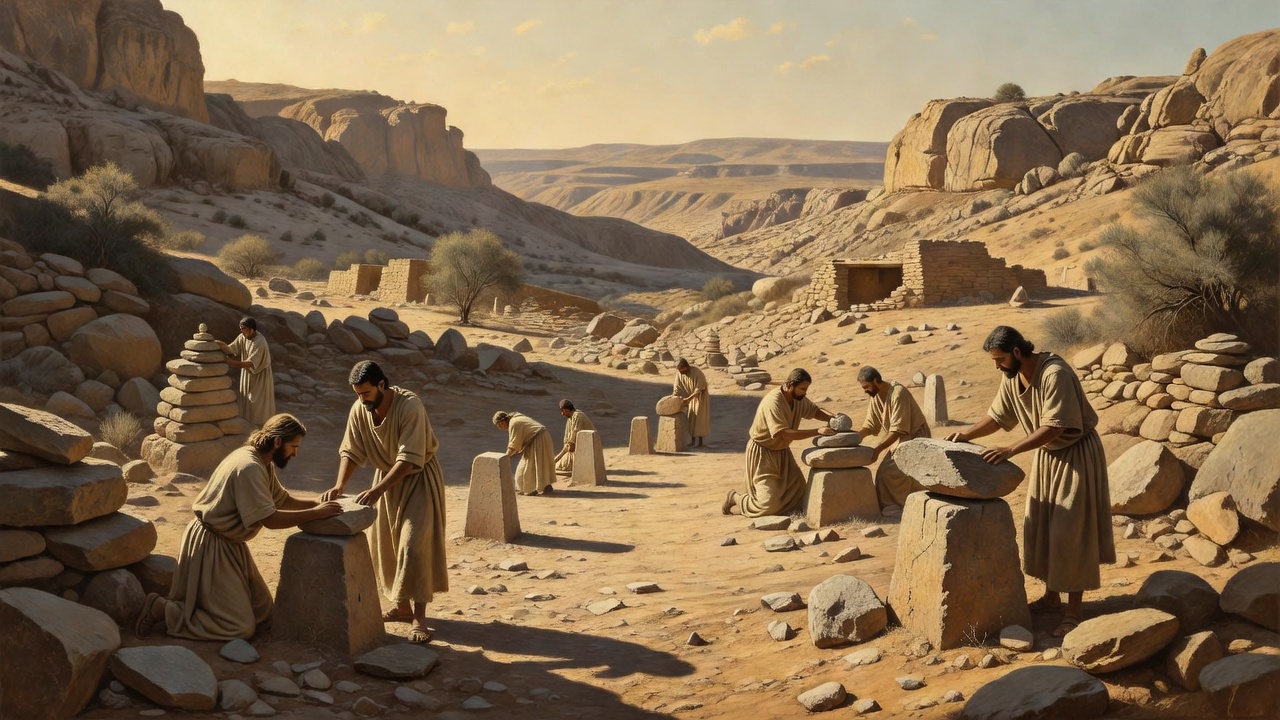
- The burial of Gog's fallen horde is described as taking seven months to cleanse the land. It takes place east of the Sea in the Valley of the Travelers, which is given the symbolic name the Valley of Hamon-gog, meaning the multitude of Gog, alongside a city named Hamonah.Sources: the Bible text itself · Hamonah · Valley of Hamongog
- Ezekiel addresses Gog as the chief prince of Meshech and Tubal from the land of Magog. Ancient traditions often linked Meshech with the Moschi between the Black and Caspian Seas, while early writers such as Jerome associated Magog with northern steppe peoples.Sources: the Bible text itself · Meshech · Magog
- The text depicts the inhabitants of Israel gathering abandoned wooden weapons—including shields, bows, arrows, and spears—to use as fuel for seven years, removing the need to harvest timber from the forests.Sources: the Bible text itself
Notes written with AI assistance from open sources (Theographic Bible Metadata, CC BY-SA 4.0; Easton’s Bible Dictionary, public domain) and reviewed before publishing.
Places in this chapter
- Meshech · Today: about 200 km around Gordion · 39.655, 31.994 · verse 1
- Tubal · Today: Tabal · 37.296, 36.254 · verse 1
- Salt Sea · Today: Dead Sea · 31.500, 35.500 · verse 11
- Hamonah · Today: in Abarim · 31.754, 35.715 · verse 16
- Bashan · 32.781, 35.935 · verse 18
Only places identified with high confidence are shown (90% or more according to the scholarly sources compiled by OpenBible). Period map: DARE (Digital Atlas of the Roman Empire), CC BY 4.0; modern map: © OpenStreetMap contributors; places: OpenBible.info (CC BY 4.0).
Credits and license for this translation
Bibeli Gusunɔn Gari
The Holy Bible in the Baatonum language of Benin, also called the Bariba language
copyright © 2013 SIM
Language: Bariba (Baatonum)
Translation by: SIM International
Bariba, Bibeli Gusunɔn Gari
This translation, published by the UEEB/SIM au Benin, was published in 1996.
If you are interested in obtaining a printed copy, please contact the SIM at SIM, BP 15, Parakou, Benin.
This translation text is made available to you under the
terms of the Creative Commons License: Attribution-Noncommercial-No Derivative Works.
( http://creativecommons.org/licenses/by-nc-nd/3.0/ )
In addition, you have permission to port the text to different file formats, as long as you
do not change any of the text or punctuation of the Bible.
You may share, copy, distribute, transmit, and extract portions
or quotations from this work, provided that you include the above copyright
information:
You must give Attribution to the work.
You do not sell this work for a profit.
You do not make any derivative works that change any of the actual words or punctuation of the Scriptures.
Permissions beyond the scope of this license may be
available if you contact
us with your request.
This translation is made available to you under the terms of the
Creative Commons Attribution-Noncommercial-No Derivatives license 4.0.
You may share and redistribute this Bible translation or extracts from it in any format, provided that:
You include the above copyright and source information.
You do not sell this work for a profit.
You do not change any of the words or punctuation of the Scriptures.
Pictures included with Scriptures and other documents on this site are licensed just for use with those Scriptures and documents.
For other uses, please contact the respective copyright owners.
2014-09-10
Source: http://ebible.org/bba/ · eBible.org