Ezekiel 18
Bibeli Gusunɔn Gari · Tap a verse to see its cross-references.
1Yinni Gusunɔ u ɡeruɑ u nɛɛ, 2Esekiɛli, mbɑn sɔ̃nɑ Isirelibɑ bɑ rɑ mɔn teni ko bu nɛɛ,
bɑɑbɑbɑ bɑ resɛm birenu di,
mɑ ben bibun nɔsu yɑɑyɑ.
3Adɑmɑ nɛ, Yinni Gusunɔ, nɑ bɛɛ sɔ̃ɔmɔ mɑ sere kɑ nɛn wɑ̃ɑru, i ǹ mɑɑ mɔn teni ɡerumɔ Isireliɔ. 4Geemɑ, nɛnɑ nɑ bɑɑwuren wɑ̃ɑru nɛni, bɑɑbɑ kɑ bii. Yen sɔ̃, wi u torɑ wiyɑ u koo ɡbi.
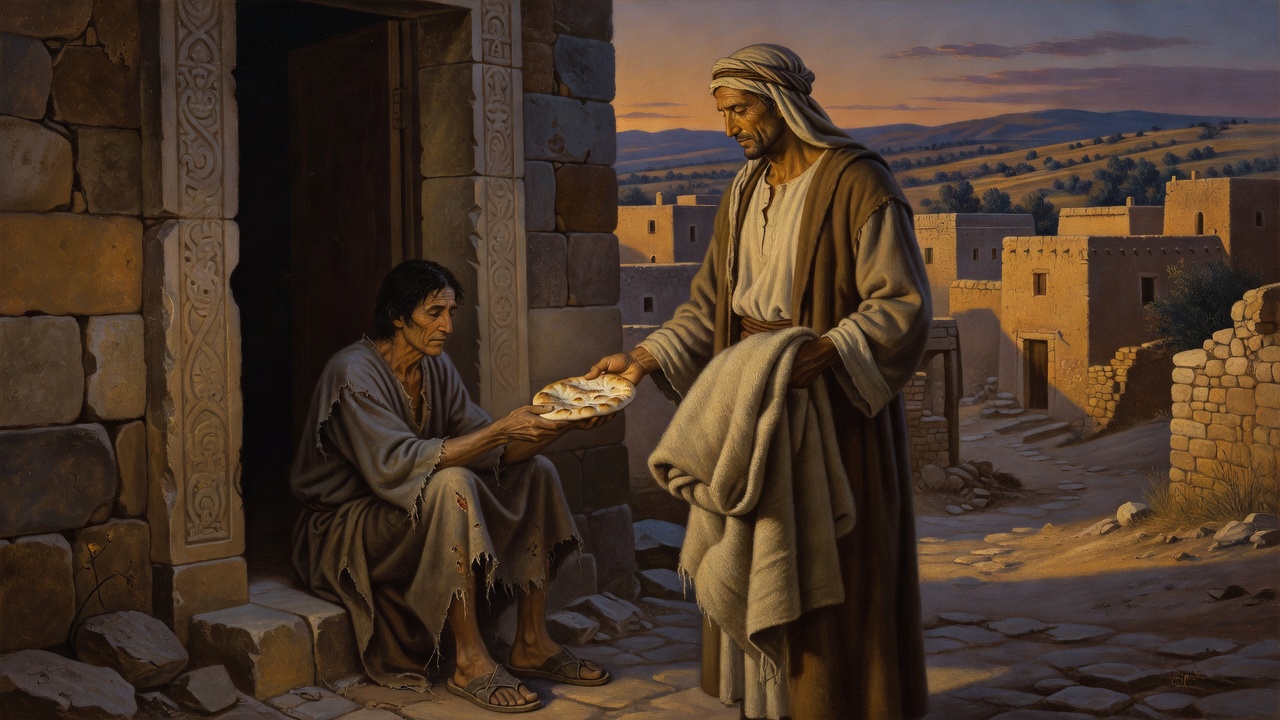
5Su tɛ̃ nɛɛ, ɡoo u wɑ̃ɑ u ɡeɑ mɔ̀, win dɑɑ yɑ wɑ̃. 6U ku rɑ de ɡunɡunɔ u bũu sɑ̃. U ku rɑ mɑɑ bũu yɑ̃kunu di. U ku rɑ kɑ ɡoon kurɔ mɛnnɛ. Mɛyɑ u ku rɑ mɑɑ kɑ tɔn kurɔ mɛnnɛ sɑnɑm mɛ u yɑsɑ mɔ̀. 7U ku rɑ ɡoo ɡbɛni. U ku rɑ mɑɑ ɡoo sɔmburu koosie kɑm. U rɑ wi u win dibu nɛni win tɔrubɑ wesie. U rɑ wi ɡɔ̃ɔrɑ mɔ̀ dĩɑnu wɛ̃. Kpɑ u wi u tereru sĩimɔ yɑ̃nu wɛ̃. 8U ku rɑ tɔnu ɡobi bɔkure u nim doke. U ku rɑ n mɑɑ wɑ̃ɑ weesun swɑɑ sɔɔ. U rɑ siriwɑ dee dee, u bɑɑwure nùn win ɡem wɛ̃. 9U rɑ nɛn woodɑbɑ mɛm nɔɔwɛ mɑm mɑm. Tɔnu win bweserɑ nɛ, Yinni Gusunɔ nɑ rɑ soku ɡemɡii. Win wɑ̃ɑrɑ tɑ koo dɑkɑɑ dɑ.
10Su mɑɑ tɛ̃ nɛɛ, durɔ wi, u bii mɔ wi u rɑ tɔmbu wɔri u ɡo, u ben yɑ̃nu ɡurɑ, ǹ kun mɛ u rɑ dɑɑ kɔ̃sɑ ɡɑɑ ko. 11N deemɑ win bɑɑbɑ ku rɑ yen bweseru ko. Bii wi, u rɑ bũu yɑ̃kuru de ɡunɡunɔ. U rɑ kɑ ɡɑbun kurɔbu mɛnnɛ. 12U rɑ bwɛ̃ɛbwɛ̃ɛ sɔmburu koosie kɑm. U rɑ tɔmbu ɡbɛni. U ku rɑ be u tɔrubɑ mwɑɑri ye wesie. U rɑ bũnu sɑ̃, kpɑ u n kom bɛrɛtɛkɛ mɔ̀. 13U rɑ tɔmbu ɡobi bɔkure u nim doke. N weenɛ tɔnu win bweseru u n wɑ̃ɑ? Aɑwo, u koo ɡbiwɑ. Domi u dɑɑ kɔ̃sɑ kuɑ. Win yɛm mu koo wɔriwɑ win tii sɔɔ.
14Su tɛ̃ nɛɛ, bii wi, u seewɑ u mɑrɑ. Mɑ win bii u seewɑ u win tundon torɑnu kpuro wɑ. Adɑmɑ u ǹ win tundon yirɑ ye swĩi. 15U ku rɑ bũu yɑ̃kunu de ɡunɡunɔ. U ku rɑ bũnu sɑ̃ ni Isirelibɑ bɑ sɑ̃ɑmɔ. U ku rɑ kɑ ɡoon kurɔ mɛnnɛ. 16U ku rɑ ɡoo sɔmburu koosie kɑm. U ku rɑ be bɑ win dibu nɛni tɔrubɑ mwɑɑri. U ku rɑ ɡbɛni. U rɑ wi ɡɔ̃ɔrɑ mɔ̀ dĩɑnu wɛ̃. Kpɑ u wi u tereru sĩimɔ yɑ̃nu wɛ̃. 17U ku rɑ n wɑ̃ɑ weesun swɑɑ sɔɔ. U ku rɑ tɔnu ɡobi bɔkure u nim doke. U rɑ nɛn woodɑbɑ mɛm nɔɔwɛ. Bii wi, u ǹ ɡbimɔ win tundon torɑnun sɔ̃. U ko n wɑ̃ɑwɑ kɑ ɡem. 18Adɑmɑ tundo wiyɑ u koo ɡbi win torɑnun sɔ̃ domi u tɔmbu tɔ̃yɑ kuɑ u ɡbɛnɑ.
19I bikiɑmɔ i mɔ̀, mbɑn sɔ̃nɑ bii kun win tundon durum ɑre sɔɔmɔ. Geemɑ, bii kun ye sɔɔmɔ yèn sɔ̃ u ɡeɑ kuɑ. Mɑ u sĩɑ dee dee nɛn yirɑ sɔɔ, u nɛn woodɑbɑ mɛm nɔɔwɑ mɑm mɑm. Yen sɔ̃nɑ u ko n wɑ̃ɑ. 20Wi u torɑ, wiyɑ u koo ɡbi. Bibu bɑ ǹ ben bɑɑbɑbɑn torɑnun ɑre sɔɔmɔ. Mɛyɑ bɑɑbɑbɑ bɑ ǹ mɑɑ ben bibun torɑnun ɑre sɔɔmɔ. Kon ɡemɡii nùn win ɑre wɛ̃ yèn sɔ̃ u kom ɡem kuɑ. Kpɑ n mɑɑ tɔn kɔ̃so sɛɛyɑsiɑ yèn sɔ̃ u kɔ̃sɑ kuɑ.
Kɔ̃sɑn kirɔ
21Tɔn kɔ̃so ù n win dɑɑ kɔ̃sɑ deri, mɑ u ɡem swĩi nɡe mɛ nɛn woodɑ yɑ ɡeruɑ kpuro, u ǹ mɑɑ ɡbimɔ. 22Kon win torɑnu kpuro duɑri, kpɑ n de u n wɑ̃ɑ ɡeɑ ye u mɔ̀n sɔ̃. 23I tɑmɑɑ nɛ, Yinni Gusunɔ nɑ kĩ tɔn kɔ̃so u ɡbi? Aɑwo. Ye nɑ kĩ, yerɑ u ɡɔ̃ru ɡɔsiɑ kpɑ u n wɑ̃ɑ. 24Adɑmɑ wi u ɡem deri, mɑ u dɑɑ kɔ̃sɑ mɔ̀ nɡe tɔn kɔ̃so, i tɑmɑɑ u ko n wɑ̃ɑ? Aɑwo. Kon win yellun dɑɑ ɡeɑ ye duɑriwɑ kpɑ n de u ɡbi win dɑɑ kɔ̃sɑ kɑ win mɛm nɔɔ sɑrirun sɔ̃. 25Bɛɛ Isirelibɑ, i mɔ̀, nɛn ɡere ye, yɑ ǹ sɑ̃ɑ dee dee. I swɑɑ dɑkio i nɔ. Nɛn ɡerewɑ yɑ ǹ sɑ̃ɑ dee dee? Nɡe bɛɛyɑ i sɑkɑ sɑrɑmɔ. 26Gemɡii ù n ɡeɑ deri, mɑ u kɔ̃sɑ mɔ̀, u koo ɡbiwɑ kɔ̃sɑ yen sɔ̃. 27Tɔn kɔ̃so ù n mɑɑ win dɑɑ kɔ̃sɑ deri, mɑ u dɑɑ ɡeɑ mɔ̀, u win wɑ̃ɑru wɔrɑmɔwɑ. 28U ko n wɑ̃ɑ, domi u ɡiɑ mɑ kɔ̃sɑ u rɑɑ mɔ̀, mɑ u ye deri. Ǹ n mɛn nɑ, u ǹ mɑɑ ɡbimɔ. 29Bɛɛ Isirelibɑ i mɔ̀, nɛn ɡere yɑ ǹ sɑ̃ɑ dee dee. Adɑmɑ n ǹ mɛ, bɛɛyɑ i sɑkɑ sɑrɑmɔ. 30Yen sɔ̃, kon bɑɑwure siriwɑ nɡe mɛ win dɑɑ yɑ sɑ̃ɑ. Ǹ n mɛn nɑ, i bɛɛn dɑɑ kɔsio i kɔ̃sɑ deri. I ku de bɛɛn dɑɑ kɔ̃sɑ yu bɛɛ kɑm koosiɑ. 31I bɛɛn dɑɑ kɔ̃sɑ derio kpɑ i bɛɛn ɡɔ̃run bwisikunu ɡɔsiɑ. Mbɑn sɔ̃nɑ i ko i tii ɡo. 32I yɛ̃ mɑ nɛ, Yinni Gusunɔ, nɑ ǹ ɡoon ɡɔɔ kĩ. Ǹ n mɛn nɑ, i ɡɔ̃ru ɡɔsio kpɑ i wɑ i n wɑ̃ɑ.
Bɑ Isirelibɑn sinɑmbu
ɡɔɔ wuri kuɑmmɛ
Did you know?
Individual Responsibility and Repentance
- The popular proverb about fathers eating sour grapes and children's teeth being set on edge expressed a fatalistic belief that the current generation was being punished solely for the sins of their ancestors. The chapter firmly rejects this proverb, establishing the principle that each individual is held accountable for their own moral choices.Sources: the Bible text itself
- To illustrate individual responsibility, the text examines three successive generations: a righteous father, a violent son, and a moral grandson. It emphasizes that righteousness and guilt are not inherited, and that even a wicked person who repents will live, because God takes no pleasure in anyone's death.Sources: the Bible text itself
Notes written with AI assistance from open sources (Theographic Bible Metadata, CC BY-SA 4.0; Easton’s Bible Dictionary, public domain) and reviewed before publishing.
Credits and license for this translation
Bibeli Gusunɔn Gari
The Holy Bible in the Baatonum language of Benin, also called the Bariba language
copyright © 2013 SIM
Language: Bariba (Baatonum)
Translation by: SIM International
Bariba, Bibeli Gusunɔn Gari
This translation, published by the UEEB/SIM au Benin, was published in 1996.
If you are interested in obtaining a printed copy, please contact the SIM at SIM, BP 15, Parakou, Benin.
This translation text is made available to you under the
terms of the Creative Commons License: Attribution-Noncommercial-No Derivative Works.
( http://creativecommons.org/licenses/by-nc-nd/3.0/ )
In addition, you have permission to port the text to different file formats, as long as you
do not change any of the text or punctuation of the Bible.
You may share, copy, distribute, transmit, and extract portions
or quotations from this work, provided that you include the above copyright
information:
You must give Attribution to the work.
You do not sell this work for a profit.
You do not make any derivative works that change any of the actual words or punctuation of the Scriptures.
Permissions beyond the scope of this license may be
available if you contact
us with your request.
This translation is made available to you under the terms of the
Creative Commons Attribution-Noncommercial-No Derivatives license 4.0.
You may share and redistribute this Bible translation or extracts from it in any format, provided that:
You include the above copyright and source information.
You do not sell this work for a profit.
You do not change any of the words or punctuation of the Scriptures.
Pictures included with Scriptures and other documents on this site are licensed just for use with those Scriptures and documents.
For other uses, please contact the respective copyright owners.
2014-09-10
Source: http://ebible.org/bba/ · eBible.org