Amos 9
Bibeli Gusunɔn Gari · Tap a verse to see its cross-references.
1Amɔsu, u Yinni Gusunɔ wɑ u yɔ̃ sɑ̃ɑ yerun yɑ̃ku yerɔ. Mɑ u nùn sɔ̃ɔwɑ u nɛɛ, u sɑ̃ɑ yerun ɡberebɑ soowo sɑɑ ben wɔllun di kpɑ tem mu diiri,
kpɑ bu wɔruku bu tɔn be bɑ wɑ̃ɑ mi kpuron winu kɔsuku.
Kpɑ wi, Yinni Gusunɔ u de bu be bɑ tie ɡo tɑbu sɔɔ kɑ tɑkobi.
Bɑɑ ben ɡoo kun kpɛ̃ u kisirɑ u doonɑ.
2Bɑɑ bɑ̀ n kukuɑ ɡɔriɔ, win nɔmu ɡɑ koo bu yɑrɑmɑ.
Bɑɑ bɑ̀ n yɔɔwɑ wɔllɔ, u koo bu sɑrɑsiɑmɑ.
3Bɑ̀ n dɑ bɑ kukuɑ ɡuu te bɑ mɔ̀ Kɑɑmɛlin wii kpiirɔ, u koo bu kɑsu,
kpɑ u bu mwɑ.
Bɑ̀ n numɑ nim wɔ̃kun sɔɔwɔ,
u koo de wɑɑ bɑkɑ yu bu dwɛ̃ɛ miɡum.
4Ben yibɛrɛbɑ bɑ̀ n mɑɑ bu yoru mwɛɛrɑ,
u koo de yibɛrɛ be, bu bu ɡo kɑ tɑkobi.
U ko n bu nɔni ɡirɑriwɑ,
kpɑ u bu kɔ̃sɑ kuɑ, n ǹ mɔ ɡeɑ.
5Mɑ Amɔsu u nɛɛ,
Gusunɔ wɔllu kɑ tem Yinni u tem bɑbɑ,
mɑ mu kɔsikirɑ.
Mɑ mɛn tɔmbu kpuro bɑ ɡɔɔ wooru sɔ̃.
Mɛ kpuro mu kukumɔ,
mɑ mu suremɔ
nɡe Eɡibitin dɑɑ bɑkɑ te bɑ mɔ̀ Nilun nim.
6U win wɑ̃ɑ yeru bɑnɑ wɔllɔ,
mɑ u derɑ wɔllɑ kuɑ tem ɡirum kpɛɛru.
U nim wɔ̃kun nim mɛnnɑ,
mɑ u mu yɛ̃kɑ tem sɔɔ.
Win yĩsirɑ Yinni Gusunɔ.
Tɑɑrɛɡibun siribu
7Yinni Gusunɔ u mɑɑ nɛɛ,
bɛɛ Isirelibɑ, i ǹ Etiopiɡibu kere nɛn nɔni sɔɔ.
Geemɑ, nɑ bɛɛ yɑrɑ Eɡibitin tem di.
Adɑmɑ nɑ mɑɑ Filisitibɑ yɑrɑ Kɑfitorin di.
Mɑ nɑ mɑɑ Siriɡibu yɑrɑ Kirin di.
8Wee, nɛ, Yinni Gusunɔ nɑ Isirelibɑn bɑndu nɔni ɡirɑri,
domi tɑ torɑ.
Kon tu kpeerɑsiɑwɑ hɑnduniɑ sɔɔ.
Adɑmɑ n ǹ mɔ Isirelibɑ kpurowɑ kon kpeerɑsiɑ.
Nɛ, Yinni Gusunɔwɑ nɑ yeni ɡeruɑ.
9Wee, kon nɛn woodɑbɑ wɛ̃,
kpɑ n Isirelibɑ sĩire
bwese tukunun suunu sɔɔ
nɡe mɛ bɑ rɑ dobi sĩire,
bɑɑ yen bin teeru tɑ kun kɑ wɔrɑ.
10Nɛn tɔn be bɑ durum mɔ̀,
mɑ bɑ ɡerumɔ bɑ mɔ̀,
nɑ ǹ bu nɔni swɑ̃ɑru suremɔ,
bɑ koo be kpuro ɡowɑ tɑbu sɔɔ.
Isirelibɑn tem koo wurɑmɑ
nɡe yellu
11Tɔ̃ru ɡɑrɑ sisi tè sɔɔ kon Dɑfidin bɑndu seeyɑ
te tɑ sɑ̃ɑ nɡe yɛnu ɡe ɡɑ bɑnsu kuɑ.
Kon tu sɔmɛ, kpɑ tu se tu wurɑmɑ nɡe yellu.
12Kpɑ bu wɑ bu Edɔmubɑn tem kɑ bwese tuku ni nu rɑɑ mɑn sɑ̃ɑmɔn tem mwɑ.
Nɛ, Yinni Gusunɔwɑ kon yeni ko.
13Wee sɑɑ yɑ sisi yè sɔɔ bɑ̀ n ɡɑ̃, n ǹ tɛɛmɔ bu kɑ kpɑm duure.
Bɑ̀ n resɛm duurɑ, n ǹ tɛɛmɔ bu kɑ ye ɡɑmɑ.
Bɑɑ kɑ ɡuunu wɔllɔ resɛm yɑ koo kpiwɑ
yɑ n tɛrie bu kɑ tɑm ko.
14Kon nɛn tɔmbu Isirelibɑ yɑkiɑ yorun di.
Kpɑ bu wure bu wuu si su rɑɑ bɑnsu kuɑ seeyɑ
bu sinɑ mi.
Bɑ koo resɛmbɑ duure,
kpɑ bu yen tɑm nɔ.
Bɑ koo dɑ̃ɑ ɡbɑɑnu ko,
kpɑ bu yen mɑrum di.
15Kon den bu ɡirɑwɑ n sire dim dim nɡe dɑ̃ɑ,
bɑ n wɑ̃ɑ ben temɔ mɛ nɑ bu wɛ̃ mi.
Goo kun mɑɑ bu wukɑmɔ mɛ sɔɔn di.
Nɛ, Yinni Gusunɔwɑ nɑ yeni ɡeruɑ.
Did you know?
Judgment and Future Restoration
- Amos 9:7 compares Israel's exodus from Egypt to God guiding the origins and movements of other peoples, mentioning the Philistines from Caphtor and the Arameans from Kir. Many scholars identify Caphtor with Crete, while Kir was a known destination of Aramean exile.Sources: the Bible text itself · Caphtor · Kir
- The prophecy in Amos 9:11-12 speaks of restoring the fallen shelter or tent of David and possessing the remnant of Edom. Edom, the rugged, mountainous land associated with Jacob's brother Esau, had a long history of conflict with Israel.Sources: the Bible text itself · Esau (Edom) · Edom
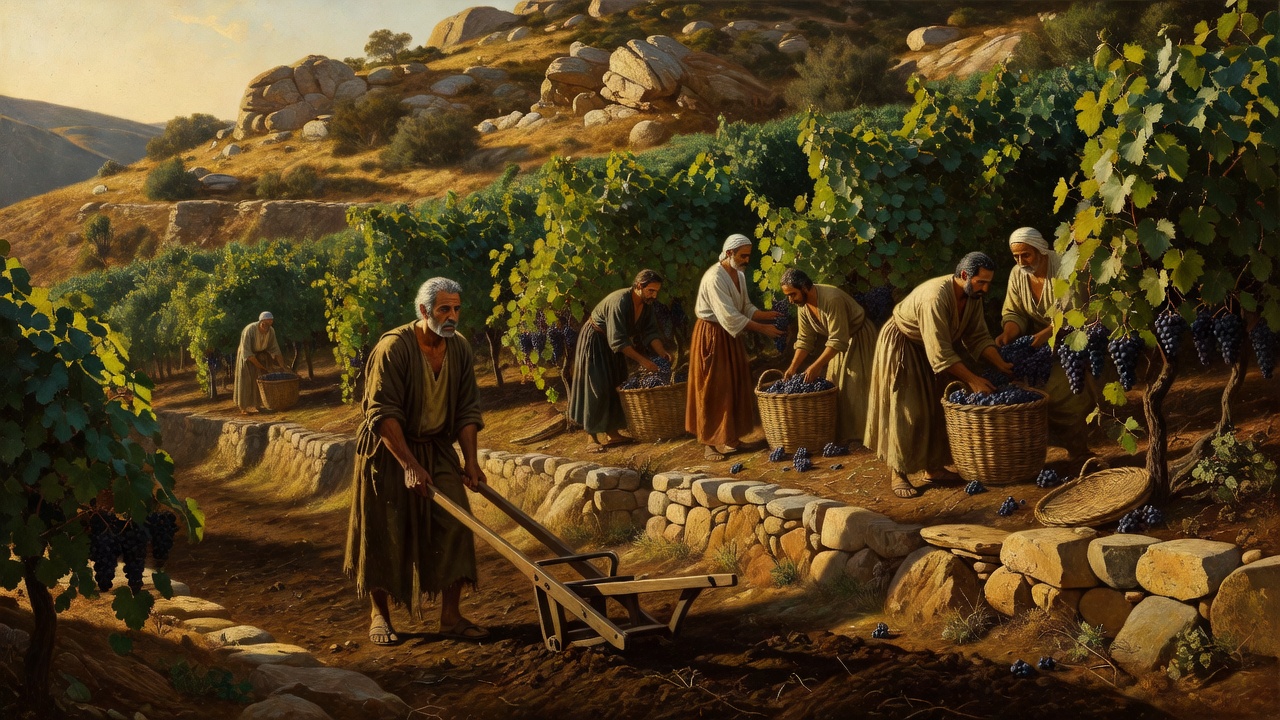
- The chapter concludes with a vision of extraordinary agricultural abundance, where the plowman overtakes the reaper and hills drip with sweet wine. This imagery depicts a restored remnant rebuilding ruined cities, replanting vineyards, and living securely in their land.Sources: the Bible text itself
Notes written with AI assistance from open sources (Theographic Bible Metadata, CC BY-SA 4.0; Easton’s Bible Dictionary, public domain) and reviewed before publishing.
Places in this chapter
- Mount Carmel · 32.672, 35.023 · verse 3
- Egypt · 30.129, 31.308 · verses 5, 7
- Nile · Today: Nile River · 31.465, 30.367 · verse 5
- Ethiopia · 16.935, 33.751 · verse 7
- Edom · 30.746, 35.604 · verse 12
Only places identified with high confidence are shown (90% or more according to the scholarly sources compiled by OpenBible). Period map: DARE (Digital Atlas of the Roman Empire), CC BY 4.0; modern map: © OpenStreetMap contributors; places: OpenBible.info (CC BY 4.0).
Credits and license for this translation
Bibeli Gusunɔn Gari
The Holy Bible in the Baatonum language of Benin, also called the Bariba language
copyright © 2013 SIM
Language: Bariba (Baatonum)
Translation by: SIM International
Bariba, Bibeli Gusunɔn Gari
This translation, published by the UEEB/SIM au Benin, was published in 1996.
If you are interested in obtaining a printed copy, please contact the SIM at SIM, BP 15, Parakou, Benin.
This translation text is made available to you under the
terms of the Creative Commons License: Attribution-Noncommercial-No Derivative Works.
( http://creativecommons.org/licenses/by-nc-nd/3.0/ )
In addition, you have permission to port the text to different file formats, as long as you
do not change any of the text or punctuation of the Bible.
You may share, copy, distribute, transmit, and extract portions
or quotations from this work, provided that you include the above copyright
information:
You must give Attribution to the work.
You do not sell this work for a profit.
You do not make any derivative works that change any of the actual words or punctuation of the Scriptures.
Permissions beyond the scope of this license may be
available if you contact
us with your request.
This translation is made available to you under the terms of the
Creative Commons Attribution-Noncommercial-No Derivatives license 4.0.
You may share and redistribute this Bible translation or extracts from it in any format, provided that:
You include the above copyright and source information.
You do not sell this work for a profit.
You do not change any of the words or punctuation of the Scriptures.
Pictures included with Scriptures and other documents on this site are licensed just for use with those Scriptures and documents.
For other uses, please contact the respective copyright owners.
2014-09-10
Source: http://ebible.org/bba/ · eBible.org