Acts 7
Bibeli Gusunɔn Gari · Tap a verse to see its cross-references.
Etiɛnin wɑɑsu
1Yerɑ yɑ̃ku kowo tɔnwero u Etiɛni bikiɑ u nɛɛ, ɡɑri yi, ɡeemɑ?
2Etiɛni u wisɑ u nɛɛ, nɛn bisibu kɑ nɛn bɑɑbɑbɑ i mɑn swɑɑ dɑkio. Gusunɔ yiikoɡii u bɛsɛn bɑɑbɑ Aburɑhɑmu kure sɑnɑm mɛ u wɑ̃ɑ Mɛsopotɑmin tem sɔɔ u sere sinɑ Hɑrɑniɔ, 3u nùn sɔ̃ɔwɑ u nɛɛ, u win dusibu kɑ win tem derio kpɑ u dɑ tem ɡɑm mɛ u koo nùn sɔ̃ɔsi. 4Yen sɔ̃nɑ Aburɑhɑmu u Kɑlɑdeɡibun tem yɑrɑ, mɑ u dɑ u sinɑ Hɑrɑniɔ. Ye win bɑɑ u ɡu u kpɑ, Gusunɔ u nùn seeyɑmɑ min di, u nɑ tem mɛ sɔɔ, mi bɛɛ i wɑ̃ɑ tɛ̃. 5Sɑnɑm mɛ, u ǹ nùn ɑyeru ɡɑru kɑ̃ tem mɛ sɔɔ, bɑɑ nɑɑ dɑbusɑ teeru, ɑdɑmɑ bɑɑ mɛ Aburɑhɑmu kun ɡinɑ bii mɑrɑ Gusunɔ u nùn nɔɔ mwɛɛru kuɑ mɑ u koo nùn tem mɛ wɛ̃, kpɑ mu n sɑ̃ɑ wi kɑ mɑɑ win bibuɡim. 6Ye wee ye Gusunɔ u Aburɑhɑmu sɔ̃ɔwɑ. U nɛɛ, win bibɑ koo sɔru di tem tukumɔ mi bɑ ko n sɑ̃ɑ yobu, kpɑ bu nɔni swɑ̃ɑru wɑ sere wɔ̃ɔ nɛɛru (400). 7Gusunɔ u mɑɑ nɛɛ, win tii koo kɑ bwese te siri te tɑ koo bu ko yobu. Yen biru bɑ koo yɑri tem min di bu nɑ tem mɛ sɔɔ mi bɑ koo nùn sɑ̃. 8Sɑɑ ye sɔɔ, Gusunɔ mɑɑ Aburɑhɑmu bɑnɡo kobun woodɑ wɛ̃. Mɑ Aburɑhɑmu u win bii Isɑki bɑnɡo kuɑ ye bɑ wi mɑrɑ u kuɑ sɔ̃ɔ nɔɔbɑ itɑ. Nɡe mɛyɑ Isɑki u mɑɑ Yɑkɔbu kuɑ, mɑ Yɑkɔbu u mɑɑ win bibu wɔkurɑ yiru kuɑ nɡe mɛ. Berɑ bɑ kuɑ Yuubɑn bwesenu wɔkurɑ yirun bɑɑbɑbɑ.
9Yɑkɔbun bii be, bɑ kɑ Yosɛfu nisinu kuɑ, mɑ bɑ nùn Eɡibitiɡibu dɔre bɑ kɑ doonɑ. Adɑmɑ Gusunɔ u wɑ̃ɑ kɑ wi, 10mɑ u nùn yɑkiɑ sɑɑ win wɑhɑlɑ kpuron di. U mɑɑ nùn bwisi kɑ̃ mɑ u durom wɑ, Eɡibitin sinɑ bokon mi, mɑ u nùn kuɑ Eɡibitin tem yɛ̃ro kɑ mɑɑ win yɛnu yɛ̃ro. 11Gɔ̃ɔrɑ tunumɑ Eɡibiti kɑ Kɑnɑnin tem sɔɔ tɑ bu nɔni sɔ̃ɔwɑ too too. Bɛsɛn sikɑdobɑ bɑ ǹ ɡɑ̃ɑnu wɑ bu di. 12Ye Yɑkɔbu u nuɑ mɑ dĩɑnu wɑ̃ɑ Eɡibitiɔ, u bɛsɛn sikɑdo be ɡɔrɑ mi, nɔn ɡbiikiru. 13Ye bɑ dɑ mi nɔn mɛɛruse, Yosɛfu u tii win mɑɑbu tubusiɑ, mɑ Eɡibitin sunɔ u mɑɑ Yosɛfun dusibu ɡiɑ. 14Mɑ Yosɛfu u Yɑkɔbu win tundo sokusiɑ kɑ win dusibu kpuro bu nɑ win mi. Ben ɡeerɑ sɑ̃ɑ tɔmbu wɑtɑ kɑ wɔkurɑ nɔɔbu. 15Nɡe mɛyɑ Yɑkɔbu u kɑ dɑ Eɡibitiɔ. Miyɑ u ɡu, miyɑ mɑɑ bɛsɛn sikɑdo be, bɑ ɡu. 16Mɑ bɑ kɑ be kpuron ɡonu wurɑ Sikɛmuɔ bɑ nu kpɛ̃ɛ siki kpee wɔruɡiru sɔɔ te Aburɑhɑmu dwɑ Hɑmɔrin bibun mi Sikɛmuɔ.
17Ye sɑɑ yɑ turuku kuɑ ye Gusunɔ u koo kɑ win nɔɔ mwɛɛru yibiɑ te u Aburɑhɑmu kuɑ, bɛsɛn tɔmbɑ sosimɔ bɑ dɑbiɑmɔ Eɡibitiɔ 18sere n kɑ kuɑ sinɑ boko ɡoon wɑɑti wi u kun Yosɛfun ɡɑri yɛ̃. 19Sinɑ boko wi, u bɛsɛn tɔmbu nɔni wɔ̃kuɑ u kɑ bu kɔ̃sɑ kuɑ, u bu tilɑsi kuɑ bu kɑ ben bii wɛ̃ɛnu kɔ̃ kpɑ nu ɡbi. 20Sɑɑ ye sɔɔrɑ bɑ Mɔwisi mɑrɑ. Bii burɔwɑ wi u Gusunɔ wɛ̃remɔ. Bɑ nùn nɔɔri suru itɑ win tundon yɛnuɔ. 21Ye bɑ kɑ nùn dɑ bɑ kɔ̃, Eɡibitin sunɔn bii tɔn kurɔ u nùn suɑ u kuɑ nɡe win tiin bii. 22Bɑ nùn Eɡibitiɡibun keu kpuro sɔ̃ɔsi mɑ u kuɑ tɔn boko ɡɑri ɡerubu kɑ kookoosu sɔɔ.
23Sɑnɑm mɛ u wɔ̃ɔ weeru turɑ, u ɡɔ̃ru doke u win tɔmbu Isirelibɑ berɑm dɑ. 24U wɑ Eɡibitiɡii ɡoo u ben turo nɔni sɔ̃ɔmɔ. U wiɡii fɑɑbɑ dɑ, mɑ u Eɡibitiɡii wi so u ɡo. 25U tɑmɑɑ sɑ̃ɑ win tɔmbɑ koo tubuwɑ mɑ Gusunɔwɑ nùn ɡɔrɑ u kɑ bu yɑkiɑ, ɑdɑmɑ bɑ ǹ tubɑ. 26Yen sisiru u deemɑ ben ɡɑbɑ sɑnnɑmɔ. Mɑ u kĩ u bu yɑkiɑnɑ u nɛɛ, i nɛn ɡɑri swɑɑ dɑkio. Bɛɛ, be i sɑ̃ɑ dusinu, mbɑn sɔ̃nɑ i mɛɛrɑ koonɑmɔ. 27Adɑmɑ durɔ wi u win beruse nɔni sɔ̃ɔmɔ mi, u Mɔwisi bɔriɑ u nɛɛ, wɑrɑ nun kuɑ bɛsɛn wiruɡii kɑ siri kowo. 28A kĩ ɑ mɑɑ mɑn ɡowɑ nɡe mɛ ɑ Eɡibitiɡii wi ɡo ɡĩɑ? 29Ye Mɔwisi u ɡɑri yi nuɑ, u kpikiru suɑ Mɑdiɑnin tem ɡiɑ. Miyɑ u bii tɔn durɔbu yiru mɑrɑ.
30Wɔ̃ɔ weerun biru, Gusunɔn ɡɔrɑdo u Mɔwisi kuremɑ ɑwĩi ɡɛɛ sɔɔ, yi yi sɑ̃ɑre yi dɔ̃ɔ mwɑɑrɑmɔ, ɡbɑburu sɔɔ mi ɡuuru ɡɑrɑ wɑ̃ɑ te bɑ rɑ soku Sinɑi. 31Mɔwisi u biti soorɑ ye u yi wɑ, mɑ u yi susi u mɛɛrɑ tii. Sɑnɑm mɛyɑ u Yinni Gusunɔn nɔɔ nuɑ ɡɑ ɡeruɑ ɡɑ nɛɛ, 32wiyɑ Gusunɔ win sikɑdobɑn Yinni, wiyɑ Aburɑhɑmu kɑ Isɑki kɑ Yɑkɔbun Yinni. Ye Mɔwisi u nuɑ mɛ, yerɑ u diirɑ, u ǹ mɑɑ kɑ̃kɑ u yɑm mi mɛɛrɑ. 33Yinni Gusunɔ nùn sɔ̃ɔwɑ u nɛɛ, u win sɑlubɑtɑ pweto, domi yɑm mi u yɔ̃ mi, yɑm dɛɛrɑmɑ. 34N wee, u win tɔmbun nɔni swɑ̃ɑru wɑ te bɑ wɑɑmɔ Eɡibitiɔ. U ben weeweenu nuɑ, yerɑ u sɑrɑmɑ u kɑ bu fɑɑbɑ ko. Tɛ̃, u nɑ u nùn ɡɔri Eɡibitiɔ.
35Mɔwisi wi bɑ yinɑ mi, bɑ nɛɛ, wɑrɑ nùn kuɑ ben wiruɡii kɑ siri kowo, wiyɑ Gusunɔ u ɡɔrɑ u kuɑ ben wiruɡii kɑ fɑɑbɑ kowo, kɑ Gusunɔn ɡɔrɑdo win somiru wi u nùn kure ɑwĩi sɔɔ. 36Durɔ wiyɑ u bu yɑrɑ sɑɑ Eɡibitin di. U mɑɑmɑɑki kɑ sɔm dɑmɡinu kuɑ Eɡibitiɔ kɑ nim wɔ̃ku sɔɔ ɡe bɑ mɔ̀ Nɑɑ yɑri kɑ mɑɑ ɡbɑburu sɔɔ mi bɑ kuɑ wɔ̃ɔ weeru. 37Mɔwisi wiyɑ u Isirelibɑ sɔ̃ɔwɑ u nɛɛ, Gusunɔ koo bu sɔmɔ ɡoo seeyɑ ben bweserɔ, nɡe wi. 38Mɔwisi wiyɑ u wɑ̃ɑ ɡbɑburɔ Isirelibɑn suunu sɔɔ, kɑ bɛsɛn bɑɑbɑbɑ sɑnnu, kɑ mɑɑ Gusunɔn ɡɔrɑdo wi u kɑ nùn ɡɑri kuɑ ɡuuru wɔllɔ te bɑ rɑ soku Sinɑi. Mɑ u Gusunɔn ɡɑri wɑ̃ɑruɡii mwɑ, u kɑ sun yi wɛ̃.
39Adɑmɑ bɛsɛn bɑɑbɑ be, bɑ yinɑ bu nùn mɛm nɔɔwɑ. Bɑ nùn yinɑ bɑ kĩ bu kpɑm wurɑ Eɡibitiɔ. 40Yen sɔ̃nɑ bɑ Aroni sɔ̃ɔwɑ bɑ nɛɛ, u bu bũnu kuo ni nu koo bu swɑɑ ɡbiiyɑ. Domi Mɔwisi wi, wi u bu yɑrɑmɑ sɑɑ Eɡibitin tem di, bɑ ǹ yɛ̃ ye n nùn deemɑ. 41Dɔmɑ terɑ bɑ bwɑ̃ɑroku kuɑ ɡe ɡɑ kɑ nɑɑ buu weenɛ, mɑ bɑ ɡu yɑ̃kuru koosi. Mɑ ben nukurɑ dorɑ ben nɔmɑn sɔmburun sɔ̃. 42Adɑmɑ Gusunɔ u tii ɡɑwɑ ben min di, mɑ u derɑ bɑ sɔ̃ɔ kɑ suru kɑ kperi sɑ̃wɑ, nɡe mɛ u ɡeruɑ win sɔmɔbun tireru sɔɔ u nɛɛ,
“Bɛɛ Isirelibɑ i kɑ kuɑ wɔ̃ɔ weeru ɡbɑburu sɔɔ i mɑn yɑ̃kunu kɑ kɛ̃nu kuɑre?
43Bwɑ̃ɑrokunɑ i sɔɔwɑ ni i kuɑ i kɑ bũnu sɑ̃,
nɡe Mɔlɔkun kuu bekuruɡiru kɑ Refɑnin kperɑ.
Yen sɔ̃nɑ nɑ kon bɛɛ bɔrie sere Bɑbilonin berɑ ɡiɔ.”
44Bɛsɛn bɑɑbɑbɑ bɑ rɑɑ Gusunɔn kuu bekuruɡiru mɔ te tɑ sɑ̃ɑ seedɑ mɑ u wɑ̃ɑ kɑ be. Mɔwisi u tu kuɑ nɡe mɛ wi u kɑ nùn ɡɑri kuɑ, u nùn sɔ̃ɔwɑ. U tu kuɑwɑ mɑm mɑm nɡe te u wɑ. 45Mɑ bɛsɛn bɑɑbɑbɑ be bɑ tu tubi di, be kɑ Yosue ben ɡbiikoo, bɑ kɑ tu duɑ tɔn tukobun tem sɔɔ mɛ bɑ mwɑ sɑnɑm mɛ Gusunɔ u tɔn tuko be ɡirɑ. Mɑ tɑ wɑ̃ɑ mi sere Dɑfidin wɑɑti. 46Gusunɔ u kɑ Dɑfidi nɔnu ɡeu mɛɛrɑ, mɑ u kɑnɑru kuɑ u kɑ kpĩ u wi Yɑkɔbun Yinni diru bɑniɑ. 47Adɑmɑ Sɑlomɔɔwɑ u nùn dii te bɑniɑ.
48Kɑ yen de kpuro Wɔrukoon wɑ̃ɑ yerɑ kun wɑ̃ɑ dinu sɔɔ ni tɔnu u bɑnɑ. Nɡe mɛ Gusunɔn sɔmɔ ɡoo u yoruɑ,
49“Yinni Gusunɔ u nɛɛ,
wɔllɑ nɛn sinɑ ɡɔnɑ.
Mɑ tem mu sɑ̃ɑ nɛn nɑɑ sɔnditiɑ.
Ǹ n mɛn nɑ, dii teren bweserɑ i ko i mɑn bɑniɑ.
Nɡe wɑ̃ɑ yee terɑ̀ tɑ ko n sɑ̃ɑ nɛn wɛ̃rɑ yeru.
50N ǹ nɛn nɔmɑ yɑ ye kpuro tɑkɑ kuɑ?”
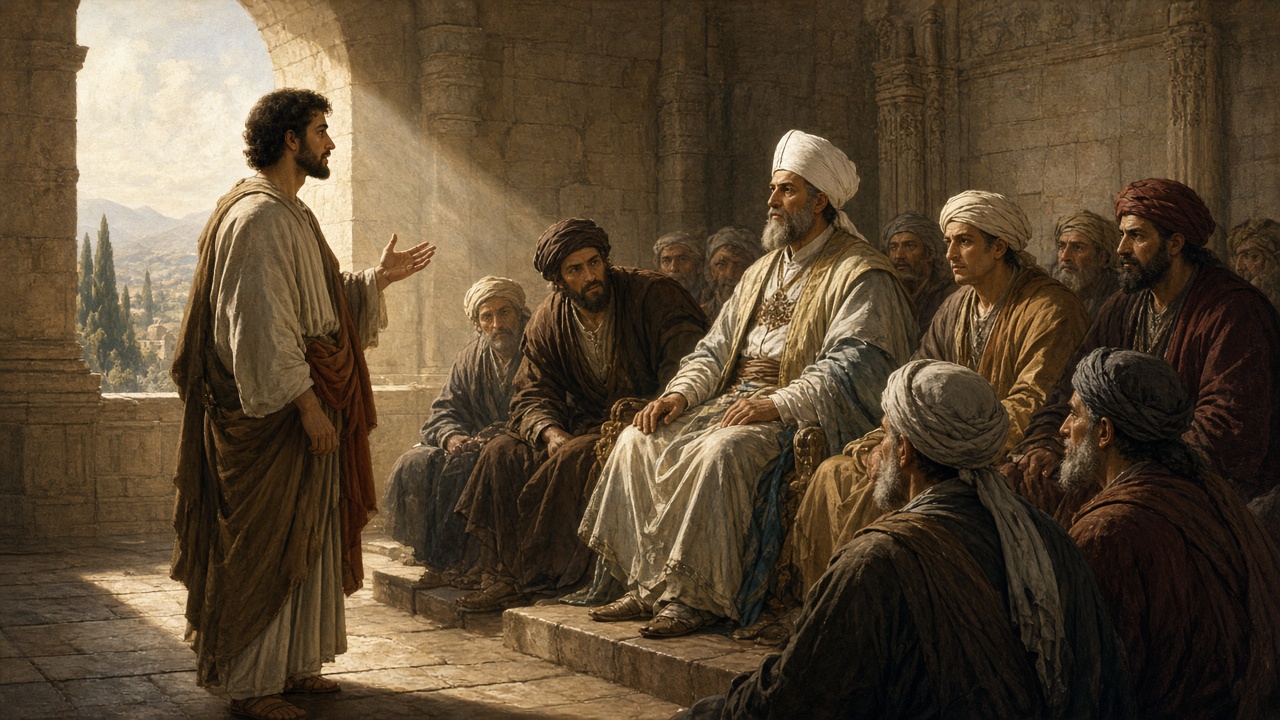
51Etiɛni u mɑɑ bu sɔ̃ɔwɑ u nɛɛ, bɛɛ deɡɑnɡɑmɡibu! Bɛɛn ɡɔ̃rusu kɑ bɛɛn swɑsu su sɑ̃ɑ nɡe be bɑ ǹ Gusunɔ nɑsieɡisu, i rɑ n Hunde Dɛɛro yinɑmɔ, i mɔ̀wɑ nɡe bɛɛn bɑɑbɑbɑ. 52Gusunɔn sɔmɔ wɑrɑ bɛɛn bɑɑbɑbɑ bɑ ǹ nɔni sɔ̃ɔwɑ. Bɑ bu ɡo be bɑ Geeɡiin nɑɑrun ɡɑri kuɑ, mɑ tɛ̃, bɛɛn tii i Geeɡii wi kɔrumɔtɔnu kuɑ i nùn ɡo. 53Bɛɛyɑ i Gusunɔn woodɑ mwɑ ye bɑ bɛɛ wɛ̃ Gusunɔn ɡɔrɑdobɑn min di. Adɑmɑ i ǹ ye mɛm nɔɔwɛ.
Etiɛnin ɡɔɔ
54Ye bɑ Etiɛnin ɡɑri yi nuɑ, bɑ mɔru bɛsirɑ sere bɑ ben nikibii dwɛ̃ɛmɔ. 55Adɑmɑ Etiɛni u Hunde Dɛɛro yibɑ, mɑ u wɔllu nɔni ɡirɑri u Gusunɔn yiiko wɑ, u mɑɑ Yesu wɑ u yɔ̃ Gusunɔn nɔm ɡeuɔ. 56Mɑ u nɛɛ, wee, nɑ wɑ wɔllɑ wukiɑre, mɑ Tɔnun Bii u yɔ̃ Gusunɔn nɔm ɡeuɔ.
57Sɑnɑm mɛyɑ bɑ ben swɑsu kɔruɑ kɑ nɔmɑ, bɑ kuuki kuɑ, mɑ bɑ duki dɑ sɑnnu bɑ nùn kunisi. 58Bɑ nùn ɡɑwɑ bɑ yɑrɑ wuun di, mɑ bɑ nùn kpenu kɑsukum wɔri. Tɔn be, bɑ ben kumboorosu pwetɑ bɑ yi ɑluwɑɑsi ɡoon mi wi bɑ rɑ nɛɛ Sɔɔlu. 59Sɑnɑm mɛ bɑ Etiɛni kpenu kɑsukumɔ u kɑnɑru kuɑ u nɛɛ, Yinni Yesu, ɑ nɛn hunde mɔɔ. 60U yiirɑ u ɡbɑ̃rɑ wɔllɔ u nɛɛ, Yinni ɑ ku bu torɑ teni ɡɑrisi.
Ye u yeni ɡeruɑ u kpɑ, mɑ u ɡu.
Did you know?
Stephen retells Israel's story
- Stephen opens his speech with Abraham still in Mesopotamia, before he settled in Haran, when he was told to leave his country and his kindred. Mesopotamia—Hebrew Aram-naharaim, “Syria of the two rivers”—was the name Greeks and Romans gave the region between the Euphrates and the Tigris; the Old Testament also calls it Padan-aram, “the plain of Aram,” and the north of that plateau was the early home of the Hebrews’ ancestors. Easton's Bible Dictionary (1897) notes that this first call is not mentioned in the Old Testament, though Genesis 12 implies it, and that Abraham left Ur in Chaldea and traveled about 300 miles north to Haran.Sources: the Bible text itself · Mesopotamia · Abraham
- Stephen says the bones of Jacob and the fathers were carried back to Shechem and placed in the tomb Abraham had bought from the sons of Hamor. Easton's Bible Dictionary (1897) identifies Hamor as a Hivite whose name means “he-ass,” notes that Acts 7:16 calls him Emmor, and says Jacob bought from him the plot at Shechem in which Joseph was later buried. The entry adds that Hamor’s son Shechem founded the city that took his name.Sources: the Bible text itself · Hamor
- Stephen places the burning bush in the desert near Mount Sinai and says Moses received living words there from the angel who spoke to him on the mountain. Easton's Bible Dictionary (1897) treats Sinai—a name linked with Sin, a moon god—as the same mountain district also called Horeb. The entry says the Hebrews reached that region in the third month after the Exodus, after a journey of about 150 miles from the Red Sea, including all the windings of the route, and remained encamped for about a year.Sources: the Bible text itself · Mount Sinai
Notes written with AI assistance from open sources (Theographic Bible Metadata, CC BY-SA 4.0; Easton’s Bible Dictionary, public domain) and reviewed before publishing.
Places in this chapter
- Haran · Today: Harran · 36.864, 39.033 · verses 2, 4
- Mesopotamia · Today: Aram-naharaim · 36.864, 39.033 · verse 2
- Chaldea · 30.962, 46.104 · verse 4
- Egypt · 30.129, 31.308 · verses 9, 10, 11, 12, 14, 15, 17, 18, 34, 36, 39, 40
- Canaan · 32.767, 35.333 · verse 11
- Shechem · Today: Tell Balatah · 32.214, 35.282 · verse 16
- Nile · Today: Nile River · 31.465, 30.367 · verse 19
- Midian · 28.495, 35.012 · verse 29
- Babylon · 32.543, 44.422 · verse 43
Only places identified with high confidence are shown (90% or more according to the scholarly sources compiled by OpenBible). Period map: DARE (Digital Atlas of the Roman Empire), CC BY 4.0; modern map: © OpenStreetMap contributors; places: OpenBible.info (CC BY 4.0).
Credits and license for this translation
Bibeli Gusunɔn Gari
The Holy Bible in the Baatonum language of Benin, also called the Bariba language
copyright © 2013 SIM
Language: Bariba (Baatonum)
Translation by: SIM International
Bariba, Bibeli Gusunɔn Gari
This translation, published by the UEEB/SIM au Benin, was published in 1996.
If you are interested in obtaining a printed copy, please contact the SIM at SIM, BP 15, Parakou, Benin.
This translation text is made available to you under the
terms of the Creative Commons License: Attribution-Noncommercial-No Derivative Works.
( http://creativecommons.org/licenses/by-nc-nd/3.0/ )
In addition, you have permission to port the text to different file formats, as long as you
do not change any of the text or punctuation of the Bible.
You may share, copy, distribute, transmit, and extract portions
or quotations from this work, provided that you include the above copyright
information:
You must give Attribution to the work.
You do not sell this work for a profit.
You do not make any derivative works that change any of the actual words or punctuation of the Scriptures.
Permissions beyond the scope of this license may be
available if you contact
us with your request.
This translation is made available to you under the terms of the
Creative Commons Attribution-Noncommercial-No Derivatives license 4.0.
You may share and redistribute this Bible translation or extracts from it in any format, provided that:
You include the above copyright and source information.
You do not sell this work for a profit.
You do not change any of the words or punctuation of the Scriptures.
Pictures included with Scriptures and other documents on this site are licensed just for use with those Scriptures and documents.
For other uses, please contact the respective copyright owners.
2014-09-10
Source: http://ebible.org/bba/ · eBible.org