Acts 2
Bibeli Gusunɔn Gari · Tap a verse to see its cross-references.
Hunde Dɛɛron nɑɑru
1Yen biru, sɑnɑm mɛ Pɑntikotin tɔ̃rɑ turɑ, nɑɑnɛ dokeobu kpuro bɑ mɛnnɛ sɑnnu yɑ̃ɑtem. 2Suɑru sɔɔ bɑ kukiribu nuɑ bi bu nɑ sɑɑ wɔllun di nɡe woo dɑmɡuu, mɑ bu dii te kpuro yibɑ mi bɑ sɔ̃. 3Bin biru bɑ ɡɑ̃ɑnu wɑ nɡe dɔ̃ɔ yɑri yi tɛriɑ, mɑ yi sinɑ bɑɑwuren wirɔ. 4Be kpuro be bɑ wɑ̃ɑ mi, bɑ Hunde Dɛɛro yibɑ, mɑ bɑ kɑ bɑrum tukum ɡɑri mɔ̀, nɡe mɛ Hunde Dɛɛro bu nɔɔ kɑ̃.
5Sɑnɑm mɛ, Yuu ɡɑbu be bɑ Gusunɔn bɛɛrɛ yɛ̃ bɑ wɑ̃ɑ Yerusɑlɛmuɔ. Bɑ nɑwɑ tem bɑɑmɛren di. 6Ye bɑ kukiri bi nuɑ, tɔn dɑbirɑ mɛnnɑ. Mɑ bɑ biti soorɑ ɡem ɡem, yèn sɔ̃ ben bɑɑwure u win tiin bɑrum nuɑ sɑɑ nɑɑnɛ dokeobun nɔɔn di. 7Biti bu mwɑ n bɑndɑ, mɑ bɑ nɛɛ, nɛɛ yɑɑ, tɔn be bɑ ɡɑri mɔ̀ mi, be kpuro bɑ ǹ sɑ̃ɑ Gɑlileɡibu ro? 8Amɔnɑ n kɑ kuɑ bɛsɛn bɑɑwure u kɑ nɔɔmɔ bɑ kɑ win bɑrum ɡɑri mɔ̀. 9Sɑ nɑ sɑɑ Pɑɑtin di kɑ Mɛdi kɑ Elɑmu, sɑɑ Mɛsopotɑmi kɑ Yudeɑ kɑ Kɑpɑdosin di kɑ Pontu kɑ Asi, 10sɑɑ Firiɡin di kɑ mɑɑ Pɑnfili, sɑɑ Eɡibitin di kɑ mɑɑ Libin berɑn di ye yɑ wɑ̃ɑ Sirɛnin bɔkuɔ, bɛsɛn ɡɑbɑ mɑɑ nɑ sɑɑ Romun di. Gɑbu Yuubɑ, ɡɑbu mɑɑ be bɑ ɡɔsirɑ Yuubɑ, 11ɡɑbɑ nɑ sɑɑ Keretin di kɑ mɑɑ Dɑɑrububɑn tem. Kɑ mɛ, bɛsɛ kpuro sɑ nɔɔmɔ bɑ ɡerumɔ kɑ bɛsɛn tiin bɑrum ɡɑ̃ɑ bɑkɑ ni Gusunɔ u kuɑ.
12Mɑ bɑ biti soorɑ n sɑrɑ, bɑ bikiɑnɑ bɑ nɛɛ, mbɑ yenin tubusiɑnu.
13Adɑmɑ ɡɑbu bɑ bu yɑɑkoru mɔ̀ bɑ nɛɛ, tɑmɑ tɔn be, bɑ nɔrɑ.
Piɛɛn wɑɑsu
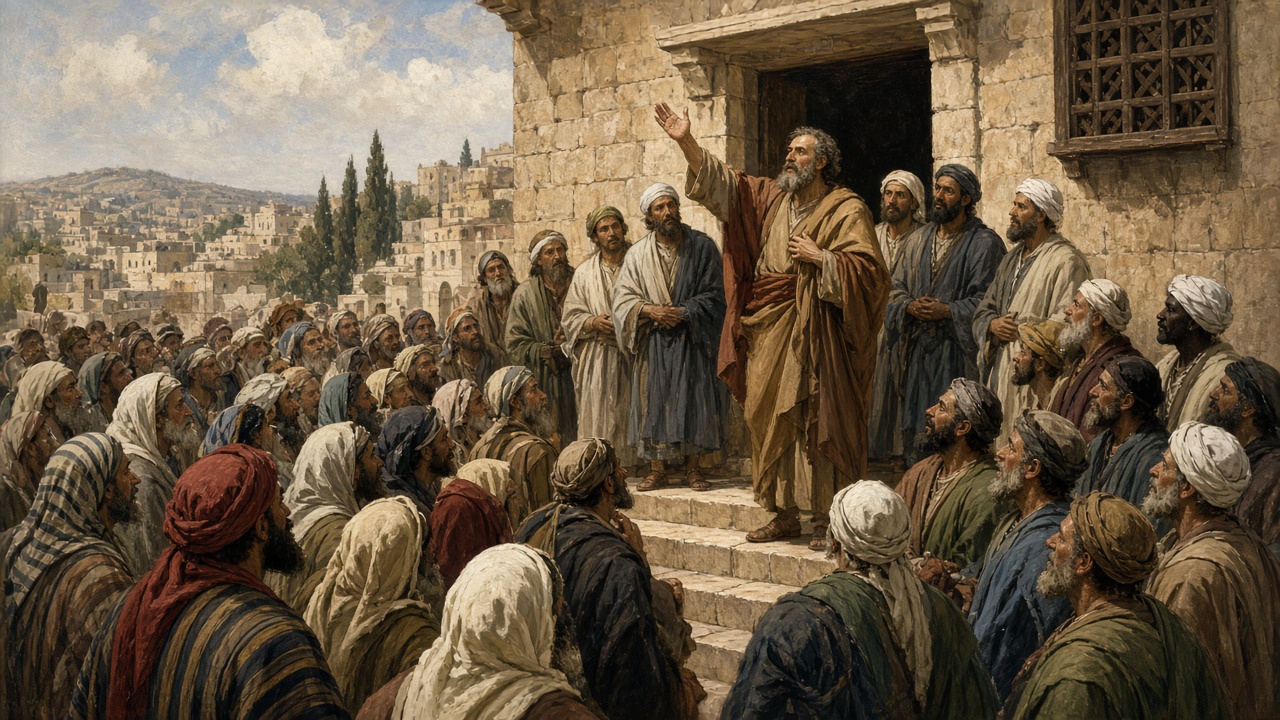
14Yerɑ Piɛɛ u seewɑ kɑ ɡɔrobu wɔkurɑ tiɑ ye sɑnnu u ɡbɑ̃rɑ tɔn wɔru ɡe sɔɔ u nɛɛ, bɛɛ Yudeɑɡibu kɑ bɛɛ kpuro, bɛɛ be i wɑ̃ɑ Yerusɑlɛmuɔ i mɑn swɑɑ dɑkio, kpɑ i n yɛ̃ mɑ 15tɔn beni bɑ ǹ tɑm nɔrɑ nɡe mɛ i ɡerumɔ. Domi bururun kɔbɑ nɔɔbɑ nnɛwɑ sɑ wɑ̃ɑ mi. 16Adɑmɑ ye i wɑɑmɔ buru teni, yerɑ ye Gusunɔn sɔmɔ Yoɛli u rɑɑ ɡeruɑ. 17U nɛɛ,
“Gusunɔ u nɛɛ, yeniwɑ kon ko sɑnɑm dɑ̃ɑkim sɔɔ.
Kon nɛn Hunde doke tɔmbu kpuro sɔɔ.
Bɛɛn bii tɔn durɔbu kɑ tɔn kurɔbu, bɑ koo Gusunɔn ɡɑri ɡere.
Bɛɛn ɑluwɑɑsibɑ bɑ ko n kɑ̃sinu wɑɑmɔ,
kpɑ bɛɛn durɔ tɔkɔnu nu n dosusu mɔ̀.
18Sɑnɑm mɛ sɔɔ, kon nɛn Hunde doke nɛn
sɔm kowobu sɔɔ tɔn durɔbu kɑ tɔn kurɔbɔ,
kpɑ bu Gusunɔn ɡɑri ɡere.
19Kon ɡɑ̃ɑ mɑɑmɑɑkiɡinu sɔ̃ɔsi wɔllɔ,
kɑ mɑɑ yĩrenu temɔ,
nɡe yɛm kɑ dɔ̃ɔ kɑ dɔ̃ɔ wiisu.
20Sɔ̃ɔ koo tĩrɑ kpɑ suru u swɛ̃rɑ nɡe yɛm,
sere Yinnin tɔ̃ɔ te, tu kɑ nɑ,
tɔ̃ɔ nɑnumɡii te.
21Adɑmɑ bɑɑwure wi u Yinnin yĩsiru sokɑ dɔmɑ te,
u koo fɑɑbɑ wɑ.”
22I ɡɑri yi swɑɑ dɑkio, bɛɛ Isirelibɑ. Yesu Nɑsɑrɛtiɡiin ɡɑriyɑ nɑ bɛɛ sɔ̃ɔmɔ, wi Gusunɔ u bɛɛ ɡiɑsiɑ sɔm dɑmɡinu sɔɔ, kɑ sɔm mɑɑmɑɑkiɡiɑ ye u kuɑ bɛɛn suunu sɔɔ, sɑɑ win min di nɡe mɛ bɛɛn tii i yɛ̃. 23Durɔ wi, wi bɑ bɛɛ nɔmu sɔndiɑ, nɡe mɛ Gusunɔ u bwisikɑ u himbɑ kuɑ, i derɑ tɔn kɔ̃sobɑ nùn dɑ̃ɑ bunɑnɑru kpɑre bɑ ɡo. 24Adɑmɑ Gusunɔ u nùn wɔrɑ ɡɔɔn wɑhɑlɑn nɔmun di ye u kɑ nùn seeyɑ ɡɔrin di. Gɔɔ kun kpĩɑ u nùn nɛnuɑ win dɑm sɔɔ. 25Win ɡɑri wee yi Dɑfidi u yoruɑ. U nɛɛ,
“Nɑ Yinni Gusunɔ wɑɑmɔ bɑɑdommɑ.
U wɑ̃ɑ nɛn nɔm ɡeuɔ kpɑ n ku kɑ wururɑ.
26Yen sɔ̃nɑ nɛn ɡɔ̃ru ɡɑ do.
Mɑ nɑ ɡɑri ɡerumɔ kɑ nuku dobu.
Mɛyɑ mɑɑ nɛn wɑsi koo wɛ̃rɑ bɔri yɛndu sɔɔ.
27Domi ɑ ǹ nɛn hunde derimɔ ɡɔribun wɑ̃ɑ yerɔ.
Mɛyɑ mɑɑ ɑ ǹ derimɔ wunɛɡii wi u nɑɑnɛ mɔn wɑsi yi kɔ̃si.
28A mɑn wɑ̃ɑrun swɛɛ sɔ̃ɔsi.
Nɑ̀ n mɑɑ wɑ̃ɑ kɑ wunɛ,
ko nɑ n nuku dobu yibɑ.”
29Nɛɡibu, i de n bɛɛ sɔ̃ nɔni kɑ nɔni mɑ Dɑfidi bɛsɛn bɑɑbɑ u ɡu, mɑ bɑ nùn sikuɑ. Win sikirɑ mɑɑ wɑ̃ɑ bɛsɛn suunu sɔɔ sere kɑ ɡisɔn ɡisɔ. 30Adɑmɑ yèn sɔ̃ u sɑ̃ɑ Gusunɔn sɔmɔ mɑ u yɛ̃ mɑ Gusunɔ u nùn nɔɔ mwɛɛru kuɑ kɑ bɔ̃ri u nɛɛ, u koo rɑ win sikɑdobu ɡɑɡu, Kirisi, sinɑsiɑ win sinɑ kitɑrɔ, 31yen sɔ̃, Kirisi win seebu ɡɔrin diwɑ u kɑ yɑ̃ ye u nɛɛ, bɑ ǹ nùn derimɔ ɡɔribun wɑ̃ɑ yerɔ, win wɑsi kun mɑɑ kɔ̃simɔ. 32Kirisi wiyɑ Gusunɔ u seeyɑ ɡɔrin di. Bɛsɛ kpurowɑ sɑ sɑ̃ɑ yen seedɑ diobu. 33Bɑ nùn suɑ u dɑ Gusunɔn nɔm ɡeuɔ, mɑ u Hunde Dɛɛro mwɑ Gusunɔ Bɑɑbɑn mi wìn nɔɔ mwɛɛru bɑ kuɑ. Mɑ u sun nùn wɛ̃. Yerɑ ye i wɑɑmɔ kɑ ye i nɔɔmɔ tɛ̃. 34Domi Dɑfidin tii u ǹ de Gusunɔ wɔllɔ, ɑdɑmɑ u nɛɛ,
“Yinni Gusunɔ u nɛn Yinni sɔ̃ɔwɑ u nɛɛ,
ɑ sinɔ nɛn nɔm ɡeuɔ,
35sere n kɑ nun wunɛn yibɛrɛbɑ tɑɑreɑ.”
36Yen sɔ̃nɑ n weenɛ Isirelibɑ bɑ n yɛ̃ kɑm kɑm mɑ Yesu wi, wi bɛɛ i kpɑre dɑ̃ɑ bunɑnɑru wɔllɔ, Gusunɔ u nùn kuɑ Yinni kɑ mɑɑ Kirisi.
37Ye tɔn be, bɑ yeni nuɑ, ben ɡɔ̃rusu bu tɑɑrɛ wɛ̃, mɑ bɑ Piɛɛ kɑ ɡɔro be bɑ tie bikiɑ bɑ nɛɛ, bɛsɛɡibu, mbɑ sɑ ko ko.
38Piɛɛ u bu sɔ̃ɔwɑ u nɛɛ, bɛɛ kpuro, i bɛɛn ɡɔ̃ru ɡɔsio, i bɑtɛmu ko kɑ Yesu Kirisin yĩsiru, i kɑ bɛɛn torɑnun suuru wɑ. I ko mɑɑ Gusunɔn kɛ̃ru mwɑ te tɑ sɑ̃ɑ Hunde Dɛɛro wi. 39Domi nɔɔ mwɛɛ te, tɑ sɑ̃ɑwɑ bɛɛ kɑ bɛɛn bibuɡiru kɑ be kpuroɡiru be bɑ wɑ̃ɑ n tomɑ, be Gusunɔ bɛsɛn Yinni u koo soku win mi.
40Kɑ kpɑm ɡɑri dɑbinɑ Piɛɛ u bu seedɑ diiyɑ mɑ u bu dɑm kɑ̃ u nɛɛ, i tii wunɔ tɛ̃n tɔn kɔ̃sobun min di kpɑ i fɑɑbɑ wɑ.
41Be bɑ win ɡɑri wurɑ bɑ bu bɑtɛmu kuɑ. Mɑ tɔmbu nɔrɔbun subɑ itɑn (3.000) sɑkɑ sosi nɑɑnɛ dokeobun wuurɔ dɔmɑ te. 42Mɑ bɑ rɑ n ɡɔrobun keu swɑɑ dɑki, bɑ nɔɔ tiɑ sɑ̃ɑ, bɑ rɑ n mɛnnɛ, bɑ yɑɑ dibu dimɔ kɑ mɑɑ Yinnin dĩɑ domɑruɡinu, bɑ rɑ n mɑɑ kɑnɑru mɔ̀ sɑnnu.
Nɑɑnɛ dokeobun wɑ̃ɑsinɑɑ
43Bɛrum bɑɑwure mɔ̀, domi ɡɔro be, bɑ mɑɑmɑɑki dɑbinu kɑ sɔm dɑmɡinu mɔ̀. 44Nɑɑnɛ dokeobu kpuro bɑ wɑ̃ɑ sɑnnu yɑ̃ɑtem mɑ bɑ ben ɡɑ̃ɑ mɔru kuɑ tiɑ. 45Bɑ ben tem kɑ ben dukiɑ dɔrikirɑmɔ, mɑ bɑ yen ɡobi bɔnu mɔ̀ nɡe mɛ n kɑ bɑɑwure weenɛ. 46Tɔ̃ɔ bɑɑtere bɑ rɑ mɛnnɛ sɑ̃ɑ yerɔ. Bɑ rɑ n mɑɑ Yinnin dĩɑ domɑruɡinu kɑ mɑɑ yɑɑ dibu dimɔ sɑnnu yɛnu kɑ yɛnu kɑ nuku dobu, murɑfiti sɑriru sɔɔ. 47Bɑ rɑ n Gusunɔ siɑrɑmɔ, mɑ tɔmbu kpuro bɑ kɑ bu nɔnu ɡeu mɛɛrɑ. Tɔ̃ɔ bɑɑtere Yinni u rɑ n be bɑ fɑɑbɑ wɑ sosimɔwɑ nɑɑnɛ dokeobu sɔɔ.
Did you know?
The Spirit Comes at Pentecost
- God-fearing Jews from every nation under heaven were already living in Jerusalem when a sound like a mighty rushing wind came from heaven and filled the house, and the speakers began to declare God’s wonders in other languages. In this chapter, “Asia” is the Roman province of Proconsular Asia, in the western part of Asia Minor, whose capital was Ephesus—not the continent of that name. Pontus, along the southern coast of the Euxine Sea, was a Roman province in the apostles’ time and a resort of many Jews of the Dispersion; Cappadocia was the easternmost and largest province of Asia Minor.Sources: the Bible text itself · Asia · Pontus · Cappadocia
- The crowd was amazed that the speakers were Galileans. The one who stood with the Eleven and addressed them was Simon Peter, originally called Simon—that is, Simeon, meaning “hearing”—a fisherman from Bethsaida, on the western coast of the Sea of Galilee, whom his younger brother Andrew first brought to Jesus.Sources: the Bible text itself · Simon Peter
- Peter said this was what the prophet Joel had spoken. Joel, the second of the twelve minor prophets, was the son of Pethuel, and his personal history is known only from his book. Peter also quoted David, the eighth and youngest son of Jesse of Bethlehem, and told the crowd that this patriarch had died and been buried, and that his tomb was still with them in Jerusalem.Sources: the Bible text itself · Joel · David
Notes written with AI assistance from open sources (Theographic Bible Metadata, CC BY-SA 4.0; Easton’s Bible Dictionary, public domain) and reviewed before publishing.
Places in this chapter
- Jerusalem · 31.777, 35.234 · verses 5, 14
- Galilee · 32.760, 35.527 · verse 7
- Asia · 38.400, 28.300 · verse 9
- Cappadocia · 38.671, 34.839 · verse 9
- Judea · Today: Judea 1 · 31.777, 35.234 · verses 9, 14
- Mesopotamia · Today: Aram-naharaim · 36.864, 39.033 · verse 9
- Pontus · 40.680, 37.830 · verse 9
- Cyrene · 32.821, 21.851 · verse 10
- Egypt · 30.129, 31.308 · verse 10
- Libya · 32.821, 21.851 · verse 10
- Pamphylia · 37.000, 31.000 · verse 10
- Phrygia · 39.000, 31.000 · verse 10
- Rome · 41.892, 12.485 · verse 10
- Nazareth · 32.702, 35.298 · verse 22
Only places identified with high confidence are shown (90% or more according to the scholarly sources compiled by OpenBible). Period map: DARE (Digital Atlas of the Roman Empire), CC BY 4.0; modern map: © OpenStreetMap contributors; places: OpenBible.info (CC BY 4.0).
Credits and license for this translation
Bibeli Gusunɔn Gari
The Holy Bible in the Baatonum language of Benin, also called the Bariba language
copyright © 2013 SIM
Language: Bariba (Baatonum)
Translation by: SIM International
Bariba, Bibeli Gusunɔn Gari
This translation, published by the UEEB/SIM au Benin, was published in 1996.
If you are interested in obtaining a printed copy, please contact the SIM at SIM, BP 15, Parakou, Benin.
This translation text is made available to you under the
terms of the Creative Commons License: Attribution-Noncommercial-No Derivative Works.
( http://creativecommons.org/licenses/by-nc-nd/3.0/ )
In addition, you have permission to port the text to different file formats, as long as you
do not change any of the text or punctuation of the Bible.
You may share, copy, distribute, transmit, and extract portions
or quotations from this work, provided that you include the above copyright
information:
You must give Attribution to the work.
You do not sell this work for a profit.
You do not make any derivative works that change any of the actual words or punctuation of the Scriptures.
Permissions beyond the scope of this license may be
available if you contact
us with your request.
This translation is made available to you under the terms of the
Creative Commons Attribution-Noncommercial-No Derivatives license 4.0.
You may share and redistribute this Bible translation or extracts from it in any format, provided that:
You include the above copyright and source information.
You do not sell this work for a profit.
You do not change any of the words or punctuation of the Scriptures.
Pictures included with Scriptures and other documents on this site are licensed just for use with those Scriptures and documents.
For other uses, please contact the respective copyright owners.
2014-09-10
Source: http://ebible.org/bba/ · eBible.org