2 Kings 19
Bibeli Gusunɔn Gari · Tap a verse to see its cross-references.
Sinɑ boko Esekiɑsi
u bwisi bikiɑ
1Sɑɑ ye Esekiɑsi sinɑ boko u ɡɑri yi nuɑ, yerɑ u win tiin yɑbenu nɛnuɑ u ɡĩɑnɑ. Mɑ u sɑɑki suɑ u sebuɑ nuku sɑnkirɑnun sɔ̃. Mɑ u dɑ Yinni Gusunɔn sɑ̃ɑ yerɔ. 2Yerɑ u Eliɑkimu sɔm kowobun wiruɡii kɑ mɑɑ Sebinɑ win tire yoro kɑ yɑ̃ku kowo ɡuro ɡurobu ɡɔrɑ Gusunɔn sɔmɔ Esɑi Amɔtin biin mi. N deemɑ be mɑɑ, sɑɑkibɑrɑ bɑ sebuɑ bɑ kɑ dɑ mi. 3Ye bɑ turɑ mi, bɑ nùn sɔ̃ɔwɑ bɑ nɛɛ, ɑmɛniwɑ Esekiɑsi u ɡeruɑ u nɛɛ, ɡisɔn tɔ̃ɔ te, nuku sɑnkirɑnu sɔɔrɑ sɑ wɑ̃ɑ. Bɑ sun sɛɛyɑsiɑmɔ, mɑ bɑ sun doke sekuru sɔɔ. Gisɔn wɑhɑlɑ ye, yɑ sɑ̃ɑwɑ nɡe tɔn kurɔ wi u yiire u kĩ u mɑ, mɑ u ǹ dɑm mɔ u kɑ wɛ̃mɑ. 4Ǹ n mɛn nɑ, ɑ kɑnɑru koowo bɛsɛ be sɑ ɡinɑ tien sɔ̃. Sɔrɔkudo Gusunɔ wunɛn Yinni u ko n Asirin sinɑ bokon ɡɑri yi nuɑ wi u nɑ u nùn wɔnwɑ. Kpɑ u nùn sɛɛyɑsiɑ.
5Ye Esɑi u Esekiɑsin bwɑ̃ɑ ben ɡɑri yi nuɑ, 6yerɑ u bu sɔ̃ɔwɑ u nɛɛ, ye i ko i bɛɛn yinni sɔ̃ wee. I nɛɛ, ɑmɛniwɑ Yinni Gusunɔ u ɡeruɑ. U nɛɛ, u ku de ɡɑri yi u nuɑ mi, yi nùn bɛrum ko, ye Asirin sinɑ bokon ɡɔro be, bɑ kɑ wi Yinni Gusunɔ wɔnwɑ mi. 7U koo de Asirin sinɑ boko wi, u lɑbɑɑri ɡɑɑ nɔ kpɑ yu win bwɛ̃rɑ ɡɔsiɑ u wurɑ win temɔ. Miyɑ u koo de bu nùn ɡo kɑ tɑkobi.
Asiriɡibu
bɑ mɑɑ Yudɑbɑ nɑndɑsiɑ
8Asirin sinɑ bokon ɡɔro wi, u ɡɔsirɑ u dɑ Libinɑɔ. Domi u nuɑ mɑ win yinni u doonɑ Lɑkisin di u dɑ u Libinɑɡii be tɑbu wɔri. 9Sɑɑ ye sɔɔrɑ Asirin sinɑ boko u nuɑ mɑ Tirɑkɑ Etiopin sinɑ boko u nùn tɑbu wɔrim wee. Yerɑ u mɑɑ Esekiɑsi sɔmɔbu ɡɔriɑ u nɛɛ, 10ɑmɛniwɑ i ko i Esekiɑsi sinɑ boko sɔ̃. I nɛɛ, u ku de Gusunɔ win Yinni wi u nɑɑnɛ sɑ̃ɑ mi, u nùn nɔni wɔ̃ke, u nɛɛ, nɛ, Asirin sinɑ boko nɑ ǹ kpɛ̃ n Yerusɑlɛmu mwɑ. 11Wi Esekiɑsin tii u nuɑ nɡe mɛ bɛsɛn sinɑm be bɑ mɑn ɡbiiye bɑ rɑɑ tem mɛ mu tieɡibu kpuro kɑm koosiɑ. Yerɑ wi, u tɑmɑɑ u koo yɑri win nɔmɑn di? 12Sɑnɑm mɛ nɛn bɑɑbɑbɑ bɑ Gosɑni kpeerɑsiɑ kɑ Hɑrɑni kɑ Resɛfu kɑ sere Edɛniɡibu, be bɑ wɑ̃ɑ Telɑsɑɑɔ, ben bũnu kpĩɑ nu bu yɑrɑ? 13Nɡe mɑnɑ Hɑmɑtiɡibun sunɔ u wɑ̃ɑ kɑ Aɑpɑdiɡibun sunɔ kɑ Sefɑɑfɑimuɡibun sunɔ, kɑ Henɑɡibun sunɔ kɑ sere mɑɑ Ifɑɡii.
Esekiɑsin kɑnɑru
14Ye Asirin sinɑ bokon sɔmɔ be, bɑ turɑ Esekiɑsin mi, yerɑ bɑ nùn tireru wɛ̃ tè sɔɔ ben yinnin ɡɑri wɑ̃ɑ. Mɑ Esekiɑsi u tu ɡɑrɑ. Yen biru u dɑ Gusunɔn sɑ̃ɑ yerɔ mɑ u tu dɛriɑ mi. 15U kɑnɑru kuɑ u nɛɛ, Gusunɔ bɛsɛn Yinni, wunɛ wi ɑ sɔ̃ ɡɔrɑdobɑn suunu sɔɔ, wunɛ turowɑ ɑ sɑ̃ɑ sinɑmbu kpuron Yinni. Wunɑ ɑ wɔllu kɑ tem tɑkɑ kuɑ. 16A nɔni seeyo ɑ mɛɛri, kpɑ ɑ swɑɑ dɑki ɑ nɛn ɡɑri nɔ. Kpɑ ɑ Sɑnkeribu Asirin sunɔn ɡɑri nɔ, wi u win sɔm kowobun wiruɡii ɡɔrimɑ u kɑ nun wɔmɛ. 17Kɑ ɡem, Yinni, nɑ yɛ̃ mɑ Asirin sinɑmbu bɑ bwese dɑbinu kpeerɑsiɑ kɑ nin tem. 18Mɑ bɑ nin bwɑ̃ɑrokunu dɔ̃ɔ mɛniki. Domi nu ǹ sɑ̃ɑ Gusunɔ. Nu sɑ̃ɑwɑ tɔmbun sɔmɑ ye bɑ kuɑ kɑ dɑ̃ɑ kɑ kpenu. Yen sɔ̃nɑ bɑ kpĩɑ bɑ nu kpeerɑsiɑ. 19Adɑmɑ wunɛ, ɑ sɑ̃ɑwɑ Gusunɔ bɛsɛn Yinni. A sun wɔro sɑɑ Sɑnkeribun nɔmɑn di kpɑ hɑnduniɑn sinɑmbu kpuro bu ɡiɑ mɑ wunɛ turowɑ ɑ sɑ̃ɑ Gusunɔ.
Esɑin ɡɑri
yi u sinɑ boko nɔɔsiɑ
20Yerɑ Esɑi Amɔtin bii u Esekiɑsi sɔmɔ ɡɔriɑ u nɛɛ, bu nùn sɔ̃ mɑ Gusunɔ Isirelibɑn Yinni u win kɑnɑru mwɑ te u kuɑ Sɑnkeribu Asirin sinɑ bokon sɔ̃. 21Ye Yinni Gusunɔ u ɡeruɑ win sɔ̃, ye wee. U nɛɛ,
Yerusɑlɛmun tɔmbu kpuro bɑ nùn ɡɛmɑ.
Bɑ nùn yɑɑkoru mɔ̀.
Bɑ nùn yɛ̃ɛmɔ bɑ wii ɡimɑnu koosimɔ.
22Wɑrɑ u kɑm mɛɛrɑ. Wɑrɑ u wɔnwɑ.
Wɑrɑ u kɑ nɔɔ ɡɔmunu mɔ̀.
U ǹ yɛ̃ mɑ wi, Gusunɔ, Isirelibɑn Yinnin tii
wi u dɛɛren wuswɑɑɔrɑ u tii sue?
23Win sɔmɔbɑ nɑ, bɑ wi, Yinni Gusunɔ wɔnwɑ.
Mɑ u nɛɛ, kɑ win tɑbu kɛkɛ dɑbirɑ
u yɔɔwɑ Libɑnin ɡuu ni nu bon wɔllɔ.
Mɑ u duɑ sere sere yen dɑ̃ɑ sɔ̃ɔn sɔɔwɔ
u ɡen dɑ̃ɑ ɡeɑ ye bɑ mɔ̀ sɛduru kɑ sipɛrɛ
ye yɑ ɡunum bo bɔɔrɑ.
24U nɛɛ, u bwiɑ ɡbɑ.
Mɑ u tem tukum nim nɔrɑ.
Win tɑbu kowobu bɑ bɔsu
Eɡibitin nim tori kpuro sɔɔ
bɑ yi sɑnkɑ.
25Adɑmɑ u ǹ yɛ̃ mɑ wi, Yinni Gusunɔn tiiwɑ
u yenibɑn himbɑ yi sɑɑ yellun di?
Wee tɛ̃, himbɑ ye, yɑ koorɑ.
Mɑ u derɑ wi, Asirin sinɑ boko
u wuu si su ɡbɑ̃rɑnu mɔ bɑnsu koosiɑ.
26Yinni Gusunɔwɑ u derɑ wuu sin tɔmbɑ bɛrum soorɑ,
bɑ wɑ̃ɑ sekuru sɔɔ.
Bɑ kuɑ dɑm sɑriruɡibu nɡe yɑkɑsu ɡberɔ,
ǹ kun mɛ, nɡe doo ɡɑ̃ɑru te ɡɛmi di.
27Yinni Gusunɔ wi, u mɑɑ nɛɛ,
u yɛ̃ sɑɑ ye Asirin sinɑ boko wi,
u rɑ sinɛ kɑ sɑɑ ye u rɑ du dirɔ
kɑ sɑɑ ye u rɑ yɑri,
kɑ mɑɑ sɑɑ ye u kɑ nùn mɔru mɔ̀.
28Tɛ̃ yèn sɔ̃ u kɑ Yinni Gusunɔ mɔru mɔ̀
mɑ u nùn ɡɑri sɔ̃ɔwɑ kɑ tii suɑbu,
u koo win wɛ̃ru yɑbɑ u yɔni doke.
Kpɑ u mɑɑ nùn yɑrukɑ dokeɑ nɔɔwɔ.
Kpɑ u de u ɡɔsirɑ u wurɑ mìn di u nɑ.
29Mɑ Esɑi u Esekiɑsi sɔ̃ɔwɑ u nɛɛ, wee ye yɑ ko n sɑ̃ɑ yĩreru wunɛn mi. Gisɔku ɡe, kɑ ɡɑsɔku, doo ɡɑ̃ɑriyɑ i ko i di. Adɑmɑ wɔ̃ɔ itɑse i ko i duurewɑ kpɑ i ɡɛ̃. Mɛyɑ i ko i mɑɑ resɛm duure kpɑ i yen mɑrum di. 30Yudɑbɑn bweseru sɔɔ, be bɑ tiɑrɑ Siɔnin ɡuurɔ Yerusɑlɛmuɔ bɑ koo fɑɑbɑ wɑ kpɑ bu kpɑrɑ nɡe dɑ̃ɑ, kpɑ bu ɡbini ko sere tem sɔɔwɔ kpɑ bu binu mɑ. Yeniwɑ Gusunɔ, wɔllu kɑ tem Yinni u koo ko win hɑniɑn sɔ̃. 32U ɡeruɑ u nɛɛ, Asirin sinɑ boko wi, u ǹ duɔ Yerusɑlɛmuɔ. Mɛyɑ win tɑbu kowobu bɑ ǹ ye susiɔ bɑ n tɛrɛnu nɛni bu kɑ kuku yenu ko bu sere nɛɛ, bɑ koo sɛ̃u to. 33Swɑɑ ye u kɑ nɑ, yerɑ u koo kɑ ɡɔsirɑ, u ǹ duɔ wuu ɡe sɔɔ. Yinni Gusunɔn tiiwɑ u ɡeruɑ mɛ. 34Domi u koo wuu ɡe kɔ̃suwɑ u ɡu fɑɑbɑ ko win tiin sɔ̃, kɑ mɑɑ Dɑfidi win sɔm kowon sɔ̃.
Yinni Gusunɔ
u Asiriɡibu kɑmiɑ
35Ye n kuɑ wɔ̃kuru yerɑ Yinni Gusunɔn ɡɔrɑdo u yɑrɑ u dɑ Asiriɡibun sɑnsɑniɔ mɑ u tɔnu nɔrɔbun subɑ wunɑɑ wɛnɛ kɑ nɔɔbu (185.000) ɡo. Ye bɑ seewɑ bururu, bɑ deemɑ wee ɡonɑ nu tɛrie. 36Yerɑ Sɑnkeribu Asirin sinɑ boko u ɡɔsirɑ u dɑ u wɑ̃ɑ Ninifuɔ. 37Sɔ̃ɔ teeru u dɑ u yiire win bũu wi bɑ rɑ soku Nisɔrɔkun nuurɔ. Miyɑ win bibu yiru beni, Adɑmɛlɛki kɑ Sɑrɛsɛɛ bɑ nùn ɡo kɑ tɑkobi. Mɑ bɑ kpikiru suɑ bɑ dɑ tem mi bɑ mɔ̀ Arɑrɑti ɡiɑ. Mɑ win bii Esɑɑ Hɑdoni u bɑndu kɔsire kuɑ.
Did you know?
Jerusalem Delivered from Assyria
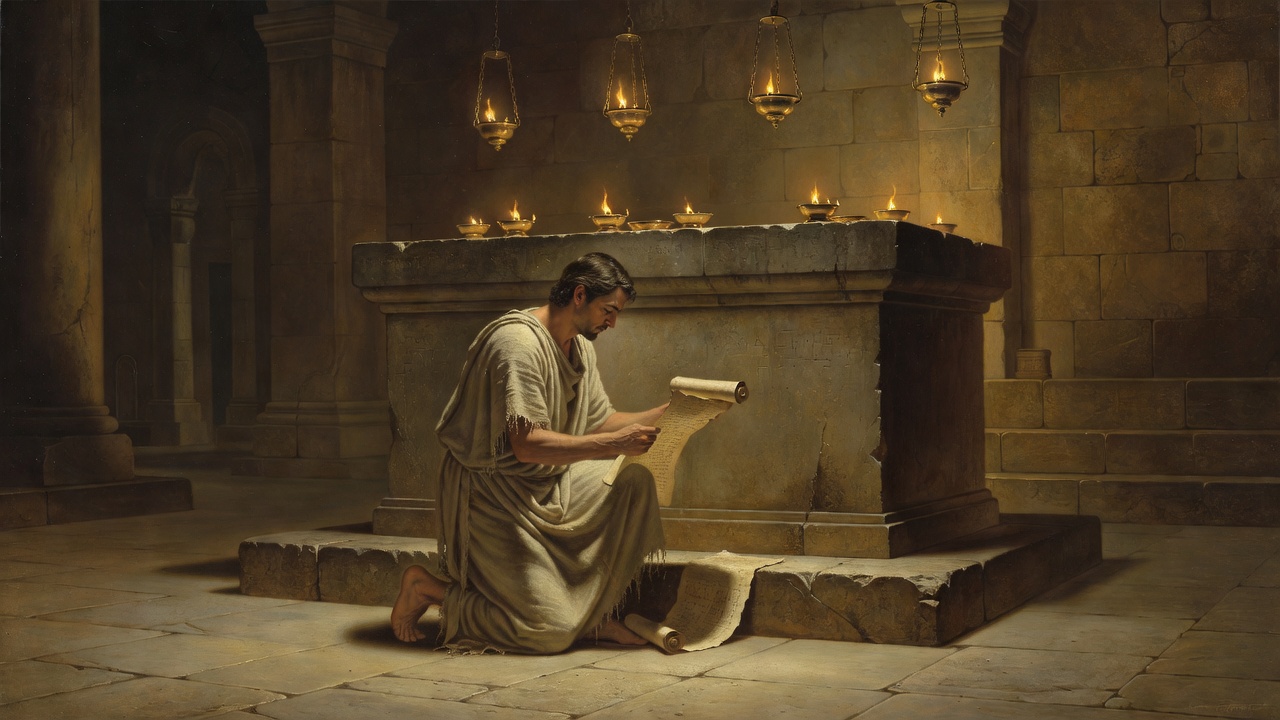
- When Hezekiah received Sennacherib's threatening letter, he entered the temple and spread it out before God, affirming that while the gods of other conquered nations were merely wood and stone, the God of Israel is the maker of heaven and earth.Sources: the Bible text itself · Hezekiah
- Sennacherib sent his second threatening message to Jerusalem while fighting against Libnah after departing Lachish, prompted by reports that Tirhakah, the king of Cush, was marching out to oppose him.Sources: the Bible text itself · Tirhakah · Libnah · Lachish
- After the angel of the Lord struck 185,000 soldiers in the Assyrian camp, Sennacherib retreated to Nineveh, where his own sons later assassinated him with swords inside the temple of his god Nisroch.Sources: the Bible text itself · Sennacherib
Notes written with AI assistance from open sources (Theographic Bible Metadata, CC BY-SA 4.0; Easton’s Bible Dictionary, public domain) and reviewed before publishing.
Places in this chapter
- Assyria · 36.359, 43.153 · verses 4, 6, 8, 10, 11, 17, 20, 32, 35, 36, 37
- Jerusalem · 31.777, 35.234 · verses 8, 9, 10, 21, 31, 32
- Lachish · Today: Tell ed Duweir · 31.565, 34.849 · verse 8
- Cush · Today: Cush 1 · 16.935, 33.751 · verse 9
- Eden · Today: Beth-eden · 36.701, 38.087 · verse 12
- Haran · Today: Harran · 36.864, 39.033 · verse 12
- Hamath · Today: Hama · 35.136, 36.750 · verse 13
- Zion · Today: Jerusalem · 31.777, 35.234 · verse 21
- Lebanon · 33.540, 35.584 · verse 23
- Mount Carmel · 32.672, 35.023 · verse 23
- Egypt · 30.129, 31.308 · verse 24
- Mount Zion · 31.772, 35.229 · verse 31
- Nineveh · 36.359, 43.153 · verse 36
- Ararat · Today: Urartu · 39.703, 44.300 · verse 37
Only places identified with high confidence are shown (90% or more according to the scholarly sources compiled by OpenBible). Period map: DARE (Digital Atlas of the Roman Empire), CC BY 4.0; modern map: © OpenStreetMap contributors; places: OpenBible.info (CC BY 4.0).
Credits and license for this translation
Bibeli Gusunɔn Gari
The Holy Bible in the Baatonum language of Benin, also called the Bariba language
copyright © 2013 SIM
Language: Bariba (Baatonum)
Translation by: SIM International
Bariba, Bibeli Gusunɔn Gari
This translation, published by the UEEB/SIM au Benin, was published in 1996.
If you are interested in obtaining a printed copy, please contact the SIM at SIM, BP 15, Parakou, Benin.
This translation text is made available to you under the
terms of the Creative Commons License: Attribution-Noncommercial-No Derivative Works.
( http://creativecommons.org/licenses/by-nc-nd/3.0/ )
In addition, you have permission to port the text to different file formats, as long as you
do not change any of the text or punctuation of the Bible.
You may share, copy, distribute, transmit, and extract portions
or quotations from this work, provided that you include the above copyright
information:
You must give Attribution to the work.
You do not sell this work for a profit.
You do not make any derivative works that change any of the actual words or punctuation of the Scriptures.
Permissions beyond the scope of this license may be
available if you contact
us with your request.
This translation is made available to you under the terms of the
Creative Commons Attribution-Noncommercial-No Derivatives license 4.0.
You may share and redistribute this Bible translation or extracts from it in any format, provided that:
You include the above copyright and source information.
You do not sell this work for a profit.
You do not change any of the words or punctuation of the Scriptures.
Pictures included with Scriptures and other documents on this site are licensed just for use with those Scriptures and documents.
For other uses, please contact the respective copyright owners.
2014-09-10
Source: http://ebible.org/bba/ · eBible.org