2 Corinthians 7
Bibeli Gusunɔn Gari · Tap a verse to see its cross-references.
1Nɔɔ mwɛɛ ni kpuro nu sɑ̃ɑwɑ bɛsɛɡinu, kĩnɑsibu. Yen sɔ̃, su tii sɑ̃rɑsiɑ sɑɑ ɡɑ̃ɑnu kpuron di ni nu wɑsi kɑ hunde disinu tɛɛnimɔ, kpɑ sɑ n dɛɛrɑru sosimɔ Gusunɔn nɑsiɑru sɔɔ.
Pɔlun nuku dobu
2I sun ɑyeru kɛ̃ɛyɔ bɛɛn ɡɔ̃ruɔ. Sɑ ǹ ɡoo torɑri, sɑ ǹ ɡoo kɑm koosie, sɑ ǹ mɑɑ ɡoo tɑki di. 3Nɑ ǹ yeni ɡerumɔ n kɑ bɛɛ tɑɑrɛ wɛ̃, domi nɑ ɡeruɑ kɔ mɑ sɑ bɛɛn kĩru mɔ bɛsɛn ɡɔ̃ruɔ sɑ n kɑ wɑ̃ɑ sɑnnu, ǹ kun mɛ su kɑ ɡbi sɑnnu. 4Nɑ tororu soomɔ bɛɛn sɔ̃, nɑ mɑɑ bɛɛn sɔ̃ woo kɑnɑmɔ. Bɛsɛn nɔni swɑ̃ɑru kpuro sɔɔ nɑ dɑm kɛ̃ru wɑ, nɛn ɡɔ̃ru ɡɑ mɑɑ do n sɑrɑ.
5Sɑɑ mìn di sɑ turɑ Mɑsedɔniɔ sɑ ǹ wɛ̃re. Sɑ nɔni swɑ̃ɑru wɑ bɑɑmɑ, ɡɑbun mi sɑnnɔsɑ, bɛsɛn tiin ɡɔ̃ruɔ bɛrumɑ. 6Adɑmɑ Gusunɔ wi u bwɛ̃ɛbwɛ̃ɛbu dɑm kɛ̃mɔ, u derɑ Titun nɑɑrɑ sun dɑm kɑ̃. 7N ǹ mɔ win nɑɑru tɔnɑ tɑ sun dɑm kɑ̃, ɑdɑmɑ ye u mɑɑ ɡeruɑ mɑ i nùn dɑm kɑ̃ win tii. U mɑɑ sun sɔ̃ɔwɑ nɡe mɛ nɛn wɑɑrɑ bɛɛ nɛni, kɑ nɡe mɛ i nuki sɑnkire, kɑ nɡe mɛ i kɑ mɑn sunɑ. Yen sɔ̃nɑ tɛ̃ nɛn nuku dobu sosi.
8Geemɑ, bɑɑ mɛ tire te nɑ bɛɛ yoruɑ tɑ bɛɛ nuki sɑnkɑ, nɑ ǹ ɡɔ̃rusu yiru mɔ̀ tɛ̃. Nɑ rɑɑ kuɑ sɑnɑm mɛ nɑ wɑ mɑ tɑ bɛɛ nuki sɑnkɑ sɑɑ fiiko sɔɔ. 9Adɑmɑ tɛ̃ nɛn nukurɑ do. N ǹ mɔ yèn sɔ̃ nɑ bɛɛ nuki sɑnkɑ, ɑdɑmɑ yèn sɔ̃ bɛɛn nuku sɑnkirɑnu derɑ i dɑɑ kɔsɑ. Gusunɔ u bɛɛn nuku sɑnkirɑnu dendɑ kpɑ nu kun sɑ̃ɑ kɔ̃sɑ. 10Domi nuku sɑnkirɑ ni Gusunɔ u dendimɔ nu rɑ dewɑ tɔnu u dɑɑ kɔsi kpɑ u fɑɑbɑ wɑ. Mɑ nin bweserɑ ku rɑ n nɑ̀ n dɑɑ yɛ̃ mɔ. Adɑmɑ hɑnduniɑn nuku sɑnkirɑnɑ nu rɑ ɡɔɔ mɑ. 11Gusunɔ u bɛɛn nuku sɑnkirɑnu dendɑ. Tɛ̃ i mɛɛrio nɡe mɛ nuku sɑnkirɑ ni, nu derɑ i lɑɑkɑri kuɑ mɑ i kɑ tii yinɑ, nɡe mɛ bɛɛn nukurɑ kun do mɑ i bɛrum kuɑ, nɡe mɛ i kĩ i mɑn wɑ kpɑ i mɑn wurɑ, nɡe mɛ i hɑniɑ mɔ̀ i kɑ kɔ̃sɑn kowobu sɛɛyɑsiɑ. Kpuro sɔɔ i sɔ̃ɔsi mɑ i dɛɛre ɡɑri yi sɔɔ.
12Ǹ n mɛn nɑ, sɑnɑm mɛ nɑ bɛɛ tireru yoruɑ, nɑ ǹ tu yoruɑ wi u kɔ̃sɑ kuɑn sɔ̃, ǹ kun mɛ wi yɑ deemɑn sɔ̃ tɔnɑ, ɑdɑmɑ nɑ tu kuɑwɑ n kɑ sɔ̃ɔsirɑ Gusunɔn wuswɑɑɔ nɡe mɛ bɛɛn kĩrɑ nɛ bɛsɛ sɔɔ. 13Yen sɔ̃nɑ sɑ dɑm kuɑ. N ǹ mɑɑ mɔ dɑm kɛ̃ru tɔnɑ sɑ wɑ, sɑ mɑɑ nuku dobu sosi sɑnɑm mɛ sɑ Titun nuku dobu wɑ domi bɛɛ kpuro i win ɡɔ̃ru yɛmiɑsiɑ. 14Bɑɑ mɛ nɑ nùn woo kɑnɛ fiiko bɛɛn sɔ̃, i ǹ mɑn sekuru doke. Nɡe mɛ sɑ rɑ bɛɛ ɡem sɔ̃, nɡe mɛyɑ bɛsɛn woo kɑnɑbu Titun mi bu sɔ̃ɔsirɑ ɡem. 15Mɛyɑ mɑɑ bɛɛn kĩrɑ sosimɔ wi sɔɔ ye u kɑ yɑɑye mɑ bɛɛ kpuro i nùn mɛm nɔɔwɑ mɑ i nùn dɑm koosiɑ kɑ bɛrum kɑ diiribu. 16Nɛn ɡɔ̃ru ɡɑ do yèn sɔ̃ nɑ bɛɛ nɑɑnɛ sɑ̃ɑ kpuro sɔɔ.
Kɛ̃ru kɑ nuku tiɑ
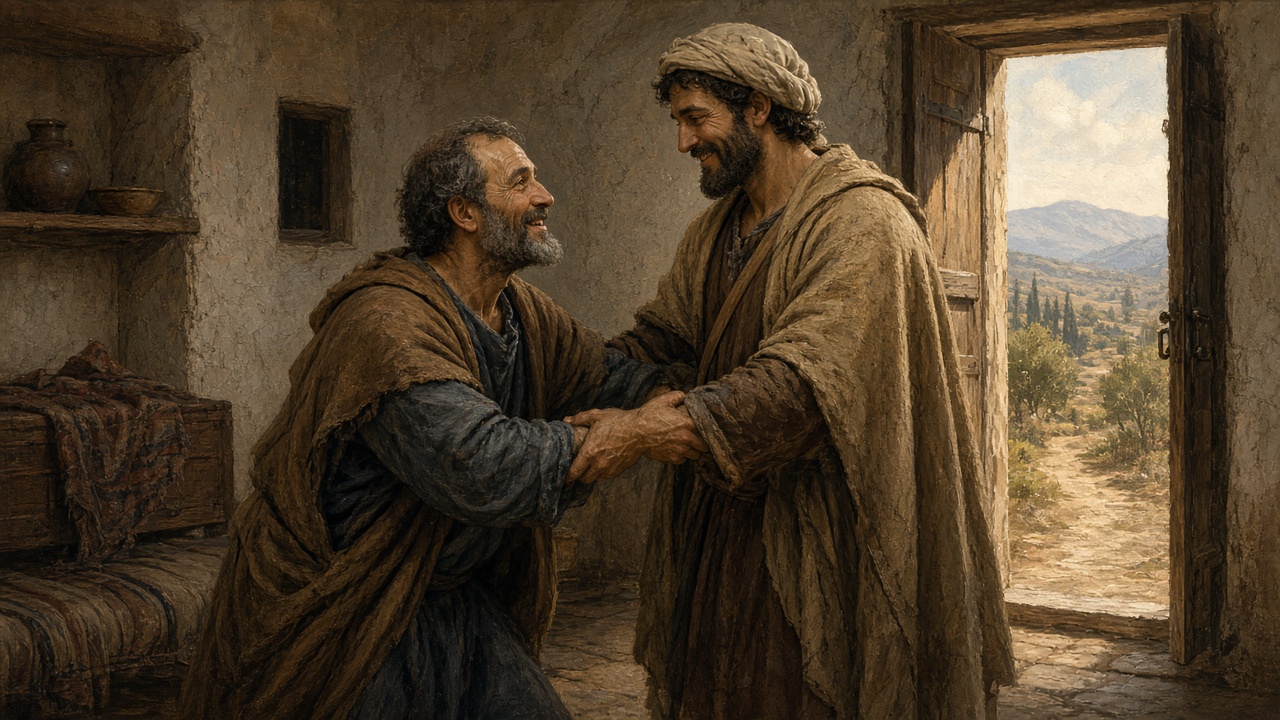
Did you know?
Comfort after a painful letter
- Macedonia, where Paul says he arrived with no rest in his body—conflicts outside and fears within—was a Roman province north of Greece. There, he writes, the God who comforts the downcast comforted him by the arrival of Titus.Sources: Macedonia · the Bible text itself
- Paul speaks of a letter that made them sorrowful, but only for a short time. He now rejoices not because they were sorrowful, but because that sorrow led them to repentance; he says they felt the sorrow God intended, were not harmed by him, and showed earnestness, zeal, and innocence in the matter.Sources: the Bible text itself
- A short account describes Titus as a companion of Paul, apparently a Gentile chiefly engaged in ministering to Gentiles. In this chapter Paul says Titus’s arrival comforted him, that Titus reported their longing, mourning, and zeal, and that they welcomed Titus with fear and trembling.Sources: Titus · the Bible text itself
Notes written with AI assistance from open sources (Theographic Bible Metadata, CC BY-SA 4.0; Easton’s Bible Dictionary, public domain) and reviewed before publishing.
Places in this chapter
- Macedonia · 41.600, 22.540 · verse 5
Only places identified with high confidence are shown (90% or more according to the scholarly sources compiled by OpenBible). Period map: DARE (Digital Atlas of the Roman Empire), CC BY 4.0; modern map: © OpenStreetMap contributors; places: OpenBible.info (CC BY 4.0).
Credits and license for this translation
Bibeli Gusunɔn Gari
The Holy Bible in the Baatonum language of Benin, also called the Bariba language
copyright © 2013 SIM
Language: Bariba (Baatonum)
Translation by: SIM International
Bariba, Bibeli Gusunɔn Gari
This translation, published by the UEEB/SIM au Benin, was published in 1996.
If you are interested in obtaining a printed copy, please contact the SIM at SIM, BP 15, Parakou, Benin.
This translation text is made available to you under the
terms of the Creative Commons License: Attribution-Noncommercial-No Derivative Works.
( http://creativecommons.org/licenses/by-nc-nd/3.0/ )
In addition, you have permission to port the text to different file formats, as long as you
do not change any of the text or punctuation of the Bible.
You may share, copy, distribute, transmit, and extract portions
or quotations from this work, provided that you include the above copyright
information:
You must give Attribution to the work.
You do not sell this work for a profit.
You do not make any derivative works that change any of the actual words or punctuation of the Scriptures.
Permissions beyond the scope of this license may be
available if you contact
us with your request.
This translation is made available to you under the terms of the
Creative Commons Attribution-Noncommercial-No Derivatives license 4.0.
You may share and redistribute this Bible translation or extracts from it in any format, provided that:
You include the above copyright and source information.
You do not sell this work for a profit.
You do not change any of the words or punctuation of the Scriptures.
Pictures included with Scriptures and other documents on this site are licensed just for use with those Scriptures and documents.
For other uses, please contact the respective copyright owners.
2014-09-10
Source: http://ebible.org/bba/ · eBible.org