1 Samuel 3
Bibeli Gusunɔn Gari · Tap a verse to see its cross-references.
1Sɑmuɛli, bii ɑluwɑɑsi wi, u wɑ̃ɑ u Yinni Gusunɔn sɔmburu mɔ̀ Elin wuswɑɑɔ.
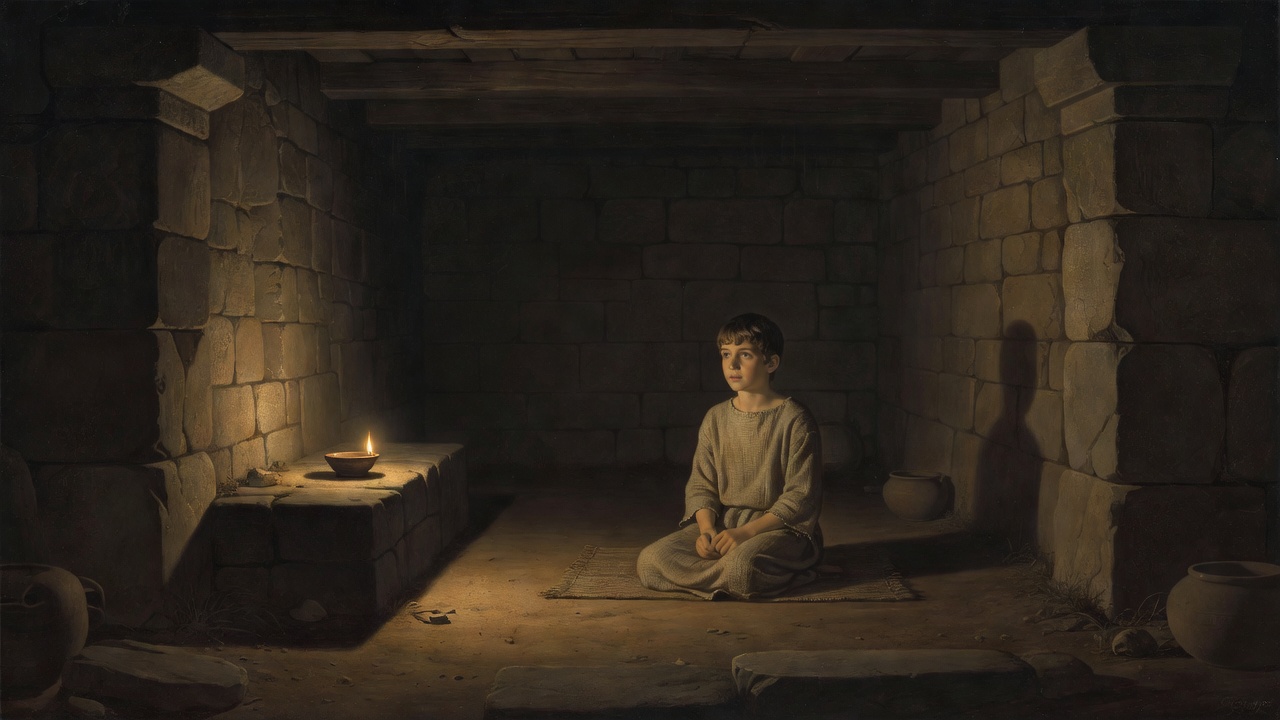
Yinni Gusunɔ u Sɑmuɛli kure
Sɑɑ ye sɔɔ, dɑɑ dɑɑkɑwɑ Yinni Gusunɔ u rɑ kɑ tɔnu ɡɑri ko, kpɑ u bu kure kɑ̃siru sɔɔ ɡɑsɔ kɑ ɡɑsɔ tɔnɑ.
2N deemɑ sɑɑ ye sɔɔ, Elin nɔni dɑm dwiiyɑmɑ. U ku rɑ mɑɑ yɑm wɑ sɑ̃ɑ sɑ̃ɑ. Sɔ̃ɔ teeru, u kpĩ win kpin yerɔ sɑ̃ɑ yerɔ, 3Sɑmuɛli u mɑɑ kpĩ Gusunɔn woodɑn kpɑkororun bɔkuɔ. Sɑɑ ye, fitilɑ ɡɑ ɡinɑ sɔ̃re. 4Yerɑ Yinni Gusunɔ u Sɑmuɛli sokɑ mɑ u wurɑ. 5Mɑ u dukɑ dɑ Elin mi, u nɛɛ, nɛ wee.
Eli u nɛɛ, ɑmɔnɑ.
U nɛɛ, nɑ nuɑ ɑ mɑn sokɑwɑ.
Mɑ Eli u nɛɛ, nɑ ǹ nun sokɑ, ɑ wuro wunɛn kpin yerɔ.
Mɑ u wurɑ u kpunɑ. 6Yinni Gusunɔ u mɑɑ nùn sokɑ u nɛɛ, Sɑmuɛli, Sɑmuɛli.
Mɑ u seewɑ u dɑ Elin mi, u nɛɛ, nɛ wee. Nɑ nuɑ ɑ mɑn sokuwɑ.
Eli u nɛɛ, nɑ ǹ nun sokɑ, nɛn bii. A doo ɑ kpunɑ.
7N deemɑ Sɑmuɛli u ǹ Yinni Gusunɔn nɔɔ tubɑ domi u ǹ ɡu nɔɔre.
8Yinni Gusunɔ u mɑɑ nùn sokɑ nɔn itɑse. Mɑ u seewɑ u dɑ Elin mi, u nɛɛ, nɛ wee, domi nɑ nuɑ ɑ mɑn sokɑ.
Mɑ Eli u tubɑ mɑ Yinni Gusunɔwɑ u bii wi soku. 9Yen sɔ̃nɑ u nùn sɔ̃ɔwɑ u nɛɛ, ɑ doo ɑ kpunɑ. Bɑ̀ n kpɑm nun sokɑ ɑ ɡeruo ɑ nɛɛ, wunɛ win sɔm kowo ɑ nɔɔmɔ, u ɡeruo.
Mɑ Sɑmuɛli u dɑ u kpunɑ win kpin yerɔ.
10Yinni Gusunɔ u nùn susi mɑ u nùn sokɑ nɡe mɛ u rɑɑ kuɑ. U nɛɛ, Sɑmuɛli, Sɑmuɛli.
Sɑɑ yerɑ Sɑmuɛli u wurɑ u nɛɛ, nɛ wunɛn sɔm kowo, nɑ nɔɔmɔ, ɑ ɡeruo.
11Mɑ Yinni Gusunɔ u nùn sɔ̃ɔwɑ u nɛɛ, wee, kon ɡɑ̃ɑ kɔ̃sunu ko Isirelibɑn suunu sɔɔ. Tɔn be bɑ ye nuɑ kpuro bɑ koo ɡɔmɑ dwiiyɑ. 12Tɔ̃ɔ te sɔɔrɑ kon de ye kpuro yu koorɑ mɑm mɑm ye nɑ ɡeruɑ Elin yɛnun sɔ̃. 13Domi Eli u yɛ̃ mɑ win bibɑ bɔ̃rin kookoosu mɔ̀, u ǹ mɑɑ bu ɡerusi. Yen sɔ̃nɑ nɑ bɔ̃ruɑ nɑ nɛɛ, kon win yɛnuɡibu sɛɛyɑsiɑ sere kɑ bɑɑdommɑɔ ben dɑɑ kɔ̃sɑn sɔ̃. 14Yɑ̃kuru ɡɑru sɑri te bɑ koo mɑɑ ko n kɑ bu suuru kuɑ.
15Sɑmuɛli u kpunɑ sere n kɑ kuɑ sisiru. Mɑ u sɑ̃ɑ yerun ɡɑmbobɑ kɛniɑ. Adɑmɑ u ǹ kɑ̃kɑ u Eli kɑ̃si ten ɡɑri yi sɔ̃. 16Sɑɑ ye sɔɔrɑ Eli u nùn sokɑ u nɛɛ, Sɑmuɛli, nɛn bii.
Mɑ Sɑmuɛli u wurɑ u nɛɛ, nɛ wee.
17Eli u ɡeruɑ u nɛɛ, mbɑ Yinni Gusunɔ u nun sɔ̃ɔwɑ. A suuru koowo, ɑ ku mɑn yi beruɑ. Gusunɔwɑ u koo nun sɛɛyɑsiɑ ɑ̀ kun mɑn ye kpuro sɔ̃ɔwɑ.
18Mɑ Sɑmuɛli u nùn ɡɑri yi kpuro sɑɑriɑ. U ǹ nùn yin ɡɛɛ berue. Mɑ Eli u nɛɛ, Gusunɔ wiyɑ Yinni. U koowo nɡe mɛ n weenɛ win nɔni sɔɔ.
19Mɑ Sɑmuɛli u kpɛ̃ɑmɔ. Yinni Gusunɔ u wɑ̃ɑ kɑ wi. U ǹ mɑɑ dere Sɑmuɛlin ɡɑri yi kɑm wɔri, bɑɑ yin tiɑ. 20Isirelibɑ kpuro sɑɑ Dɑnun di sɔ̃ɔ yɛ̃sɑn nɔm ɡeu ɡiɑ sere n kɑ dɑ Beri Sebɑɔ sɔ̃ɔ yɛ̃sɑn nɔm dwɑru ɡiɑ bɑ ɡiɑ mɑ Gusunɔwɑ u Sɑmuɛli kuɑ win sɔmɔ kɑ ɡem. 21Yinni Gusunɔ u rɑ n tii sɔ̃ɔsimɔ Siloɔ mi u Sɑmuɛli kure u kɑ nùn ɡɑri kuɑ.
Did you know?
The Calling of Samuel
- The sanctuary housing the ark of God was located at Shiloh, where the young Samuel ministered under the high priest Eli. The text notes that direct divine revelations and visions were rare in those days, prior to the Lord revealing Himself to Samuel at Shiloh.Sources: the Bible text itself · Shiloh · Eli
- Eli served as high priest and judged Israel for forty years, but his failure to sternly reprove his corrupt sons, Hophni and Phinehas, brought a divine sentence of judgment against his household. The priestly office remained in Eli's lineage until King Solomon later removed Abiathar and installed Zadok.Sources: Eli · the Bible text itself
- The phrase from Dan to Beersheba designates the entire territory of the Promised Land, from its northern boundary at Dan to its southern limit at Beersheba, a distance of about 144 miles. Its mention emphasizes that the whole nation recognized Samuel as an established prophet.Sources: Beersheba · the Bible text itself
Notes written with AI assistance from open sources (Theographic Bible Metadata, CC BY-SA 4.0; Easton’s Bible Dictionary, public domain) and reviewed before publishing.
Places in this chapter
- Dan · Today: Tel Dan · 33.249, 35.652 · verse 20
- Shiloh · Today: Khirbet Seilun · 32.056, 35.290 · verse 21
Only places identified with high confidence are shown (90% or more according to the scholarly sources compiled by OpenBible). Period map: DARE (Digital Atlas of the Roman Empire), CC BY 4.0; modern map: © OpenStreetMap contributors; places: OpenBible.info (CC BY 4.0).
Credits and license for this translation
Bibeli Gusunɔn Gari
The Holy Bible in the Baatonum language of Benin, also called the Bariba language
copyright © 2013 SIM
Language: Bariba (Baatonum)
Translation by: SIM International
Bariba, Bibeli Gusunɔn Gari
This translation, published by the UEEB/SIM au Benin, was published in 1996.
If you are interested in obtaining a printed copy, please contact the SIM at SIM, BP 15, Parakou, Benin.
This translation text is made available to you under the
terms of the Creative Commons License: Attribution-Noncommercial-No Derivative Works.
( http://creativecommons.org/licenses/by-nc-nd/3.0/ )
In addition, you have permission to port the text to different file formats, as long as you
do not change any of the text or punctuation of the Bible.
You may share, copy, distribute, transmit, and extract portions
or quotations from this work, provided that you include the above copyright
information:
You must give Attribution to the work.
You do not sell this work for a profit.
You do not make any derivative works that change any of the actual words or punctuation of the Scriptures.
Permissions beyond the scope of this license may be
available if you contact
us with your request.
This translation is made available to you under the terms of the
Creative Commons Attribution-Noncommercial-No Derivatives license 4.0.
You may share and redistribute this Bible translation or extracts from it in any format, provided that:
You include the above copyright and source information.
You do not sell this work for a profit.
You do not change any of the words or punctuation of the Scriptures.
Pictures included with Scriptures and other documents on this site are licensed just for use with those Scriptures and documents.
For other uses, please contact the respective copyright owners.
2014-09-10
Source: http://ebible.org/bba/ · eBible.org