1 Samuel 14
Bibeli Gusunɔn Gari · Tap a verse to see its cross-references.
1Sɔ̃ɔ teeru Yonɑtɑm, Sɔɔlun bii, u win bɔ̃ɔ ɑluwɑɑsi wi u rɑ win tɑbu yɑ̃nu sɔbe sɔ̃ɔwɑ u nɛɛ, ɑ nɑ su dɑ Filisitibɑn tɑbu kowo wuu ten mi, te tɑ wɑ̃ɑ ɡiɔ.
Adɑmɑ u ǹ Sɔɔlu sɔ̃ɔwɑ mɑ u ɡɑm dɔɔ. 2Sɔɔlu u wɑ̃ɑ Miɡoroniɔ Gibeɑn bɔkuɔ dɑ̃ru ɡɑrun nuurɔ te bɑ rɑ soku ɡerenɑdi. Tɔn be bɑ wɑ̃ɑ kɑ wi, ben ɡeerɑ sɑ̃ɑwɑ tɔnu nɑtɑn (600) sɑkɑ. 3N deemɑ yɑ̃ku kowo wi bɑ mɔ̀ Ayɑ u wɑ̃ɑ tɔn ben suunu sɔɔ u sɑ̃ɑ yɑ̃ɑ ni bɑ rɑ kɑ bikiɑru ko Gusunɔn mi nɛni. Ayɑ wi, u sɑ̃ɑwɑ Akitubun bii. Akitubu wi, kɑ win wɔnɔ Ikɑbɔdu, be, bɑ mɑɑ sɑ̃ɑwɑ Finɛɛsin bibu. Finɛɛsin tundowɑ Eli, wi u rɑɑ sɑ̃ɑ Yinni Gusunɔn yɑ̃ku kowo Siloɔ. Tɔnu nɑtɑ ye sɔɔ, ɡoo kun yɛ̃ Yonɑtɑm u yɑrɑ.
4Swɑɑ ye Yonɑtɑm u swĩi u kɑ dɑ Filisitibɑn tɑbu kowo ben mi, yɑ kpɑwɑ kɑ kpee bɑkɑnu yirun bɑɑ sɔɔ. Teerun yĩsirɑ Bosɛsi, yiruserɑ mɑɑ Sɛnɛ. 5Teerɑ wɑ̃ɑ swɑɑ yen sɔ̃ɔ yɛ̃sɑn nɔm ɡeu ɡiɑ Mikimɑsin deedeeru. Teerɑ mɑɑ wɑ̃ɑ Gebɑn deedeeru. 6Yonɑtɑm u win bɔ̃ɔ ɑluwɑɑsi wi sɔ̃ɔwɑ u nɛɛ, ɑ nɑ su dɑ bɑnɡo sɑri ben mi. Sɔrɔkudo Yinni Gusunɔ u koo sun somi. Domi ɡɑ̃ɑnu sɑri ni nu koo nùn ɡɑnɛ u kun kɑ sun fɑɑbɑ kue, bɑɑ sɑ̀ kun dɑbi.
7Aluwɑɑsi wi, u nɛɛ, ɑ koowo kpuro ye ɑ ɡɔ̃ru doke, ɑ ku sikɑ ko. Nɑ wɑ̃ɑ kɑ wunɛ.
8Mɑ Yonɑtɑm u nɛɛ, ǹ n mɛn nɑ, su dɑ ben berɑ ɡiɑ kpɑ bu sun wɑ. 9Bɑ̀ n nɛɛ, su yɔ̃ro su bu mɑ, sɑ ko yɔ̃rɑwɑ su bu mɑ. 10Bɑ̀ n mɑɑ nɛɛ, su nɑ ben mi, sɑ ko dɑwɑ, domi ben soku terɑ tɑ ko n sɑ̃ɑ yĩreru mɑ Yinni Gusunɔ u sun bu nɔmu bɛriɑ.
11Mɑ be yiru ye, bɑ derɑ Filisitibɑ bɑ bu wɑ. Mɑ Filisiti be, bɑ nɛɛ, Heberubɑ wee, bɑ yɑrimɑmɔ wɔrusun di mi bɑ rɑɑ kukuɑ.
12Mɑ Filisitibɑn tɑbu kowo be, bɑ Yonɑtɑm kɑ win ɑluwɑɑsi wi nɔɔ kɔ̃ bɑ nɛɛ, i nɑ mini su bɛɛ ɡɑri ɡɛɛ sɔ̃.
Mɑ Yonɑtɑm u win bɔ̃ɔ ɑluwɑɑsi wi sɔ̃ɔwɑ u nɛɛ, ɑ mɑn swĩimɑ domi Yinni Gusunɔ u sun bu nɔmu bɛriɑ, bɛsɛ Isirelibɑ.
13Yerɑ durɔ u kɑburɑ u kɑ yɔɔwɑ u dɑ mi bɑ wɑ̃ɑ mɑ ɑluwɑɑsi wi, u nùn swĩi. Ye bɑ turɑ mi, mɑ u bu soomɔ u suririmɔ. Yerɑ win bɔ̃ɔ ɑluwɑɑsi wi, u bu ɡoomɔ win biruɔ. 14Ben tɑbun tore ye sɔɔ, be yiru ye, bɑ tɔmbu ɡowɑ nɡe tɔnu yɛndun sɑkɑ bɑtumɑ piibu sɔɔ. 15Mɑ bɛrum Filisitibɑn tɑbu kowobu mwɑ kpuro be bɑ wɑ̃ɑ sɑnsɑniɔ, kɑ be bɑ wɑ̃ɑ tɑbu ɡberɔ, kɑ be bɑ sɑnsɑni kɔ̃su, kɑ mɑɑ be bɑ yɑrimɔ bɑ tɔmbu wɔrɑɑ dɑɑmɔ. Sere kɑ tem tii mu yĩirumɔwɑ mɑ tɔmbɑ burisinɑ. Gusunɔwɑ u derɑ yɑbu ye kpuro yɑ koorɑ mɛ.
16Be bɑ Sɔɔlun sɑnsɑni kɔ̃su Gibeɑɔ Bɛnyɑmɛɛn temɔ, bɑ wɑ Filisitibɑn tɑbu kowo dɑbinu bɑ duku dukubu mɔ̀ bɑɑmɑ kpuro. 17Mɑ Sɔɔlu u win tɔmbu sɔ̃ɔwɑ u nɛɛ, i bɛsɛn tɔmbu mɛnnɔ i ben yĩsɑ soku kpɑ su wɑ be bɑ kun wɑ̃ɑ mi.
Mɑ bɑ kuɑ mɛ, bɑ deemɑ Yonɑtɑm kɑ win bɔ̃ɔ ɑluwɑɑsi wi u rɑ win tɑbu yɑ̃nu sɔbe, beyɑ bɑ sɑri mi. 18Mɑ Sɔɔlu u Ayɑ sɔ̃ɔwɑ u nɛɛ, u Gusunɔn woodɑn kpɑkororu suɑmɑ.
N deemɑ kpɑkoro te, tɑ wɑ̃ɑ Isirelibɑn sɑnsɑniɔ sɑnɑm mɛ.
19Nɡe mɛ Sɔɔlu u kɑ yɑ̃ku kowo wi ɡɑri mɔ̀, wure ni nu wɑ̃ɑ Filisitibɑn sɑnsɑniɔ nu sosimɔwɑ nu dɔɔ. Yerɑ Sɔɔlu u yɑ̃ku kowo wi sɔ̃ɔwɑ u nɛɛ, ɑ kpɑkoro te derio, su ku mɑɑ Gusunɔ ɡɑ̃ɑnu bikiɑ.
20Mɑ Sɔɔlu kɑ win tɑbu kowobu bɑ mɛnnɑ bɑ dɑ tɑbu ɡberɔ, bɑ deemɑ wee Filisitibɑ bɑ burisinɛ bɑ ɡoonɑmɔ kɑ tɑkobi. 21N deemɑ Heberu ɡɑbu bɑ rɑɑ yoru dimɔ Filisitibɑn mi, sere bɑ kɑ bu dɑ ben sɑnsɑniɔ. Adɑmɑ ye bɑ Sɔɔlu kɑ Yonɑtɑm kɑ beɡibu wɑ, yerɑ bɑ tii wunɑ bɑ wurɑ ben mi.
22Isireli ɡɑbu bɑ rɑɑ mɑɑ kukuɑ Efɑrɑimun ɡuunun berɑ ɡiɑ. Ye bɑ nuɑ mɑ Filisitibɑ bɑ duki mɔ̀, yerɑ bɑ seemɑ bɑ wɔri tɑbu sɔɔ bɑ bu nɑɑ swĩi, 23bɑ kɑ turɑ Bɛti Afɛnin wuswɑɑɔ. Nɡe mɛyɑ Yinni Gusunɔ u kɑ Isirelibɑ fɑɑbɑ kuɑ dɔmɑ te.
Isirelibɑ bɑ Yonɑtɑm yɑkiɑ
Sɔɔlu nɔmɑn di
24Isirelibɑ bɑ nɔni sɔ̃ɔrɑ ɡem ɡem dɔmɑ te, yèn sɔ̃ Sɔɔlu u bɔ̃ruɑ u nɛɛ, mɑ n kun mɔ nɑ nɛn yibɛrɛbɑ mɔru kɔsiɑ, wi u di yokɑ yu sere turi, kon yɛ̃ro ɡowɑ. Yen sɔ̃nɑ tɔn be sɔɔ, ɡoo kun dĩɑnu dende. 25Sɔɔlun tɔmbu kpuro bɑ turɑ dɑ̃ɑ sɔ̃ɔwɔ mi tim mu tɛrie temɔ. 26Sɑnɑm mɛ bɑ sɔ̃ɔ ɡe duɔ, bɑ deemɑ wee, tim mɛ, mu kokɑ temɔ. Kɑ mɛ, ɡoo kun kɑ̃kɑ u mu dɑbure domi bɑ bɔ̃ri yi nɑsie. 27Adɑmɑ Yonɑtɑm u ǹ dɑɑ nuɑ mɑ win tundo u tɔn be kirɔ kuɑ kɑ bɔ̃ri. Yerɑ u dɛkɑ ye u nɛni kɑ tim bɑu sɔkɑ u wunɑ u nɔɔ kpɛ̃ɛ, mɑ u dɑm wɑ. 28Sɑɑ ye sɔɔrɑ tɔn ben turo u nùn sɔ̃ɔwɑ u nɛɛ, wunɛn tundo u sun kirɔ kuɑ kɑ bɔ̃ri u nɛɛ, wi u di ɡisɔ, u koo yɛ̃ro ɡo. Yerɑ n derɑ tɔn be, bɑ kɑ wɑsirɑ ɡem ɡem.
29Mɑ Yonɑtɑm u nɛɛ, nɛn bɑɑbɑ u bɛsɛn tɔmbu nɔni sɔ̃ɔmɔwɑ. A ǹ wɑ nɡe mɛ nɑ dɑm wɑ sɑnɑm mɛ nɑ tim mɛn fiiko di? 30N koo rɑɑ wɛ̃rɑ too tɔn be, bɑ̀ n di bɑɑ fiiko ye bɑ wɔrɑ ben yibɛrɛbɑn nɔmɑn di. Domi bɑ koo rɑɑ Filisiti be ɡo n kere mɛ.
31Dɔmɑ te, bɑ Filisitibɑ ɡowɑ sɑɑ Mikimɑsin di sere kɑ Ayɑloniɔ. Mɑ bɑ wɑsirɑ ɡem ɡem. 32Yerɑ ye Filisitibɑ bɑ deri, bɑ ye kɑtɑ kuɑ bɑ ɡurɑ. Bɑ yɑ̃ɑnu kɑ kɛtɛbɑ kɑ kɛtɛ binu mwɛɛrimɔ bɑ ɡoomɔ mɑ bɑ yɑɑ ye temmɔ mi yɑ kpĩ yɛm sɔɔ. 33Sɑɑ ye sɔɔrɑ bɑ Sɔɔlu sɔ̃ɔwɑ bɑ nɛɛ, wee, tɔn be, bɑ Yinni Gusunɔ torɑrimɔ bɑ yɑɑ temmɔ mi yɑ kpĩ yɛm sɔɔ.
Mɑ Sɔɔlu u nɛɛ, nɑɑnɛ sɑriruɡibu bɛɛ! I kpee bɑkɑru bimiɑmɑ mini tɛ̃. 34Kpɑ i bɑɑwure sɔ̃ u kɑ win kɛtɛ ǹ kun mɛ win yɑ̃ɑru nɑ u sɑkɑ mi, kpɑ u dɑ u di. Bɑ̀ n kuɑ mɛ, bɑ ǹ mɑɑ Yinni Gusunɔ torɑrimɔ.
Wɔ̃ku te sɔɔ, tɔn ben bɑɑwure u kɑ win kɛtɛ nɑ u ɡo mi. 35Mɑ Sɔɔlu u Yinni Gusunɔ yɑ̃ku yeru kuɑ mi, terɑ tɑ sɑ̃ɑ ɡbiikiru ni u kuɑ sɔɔ.
36Yen biru u win tɔmbu sɔ̃ɔwɑ u nɛɛ, su dɑ su Filisitibɑ nɑɑ ɡirɑ wɔ̃kuru su bu wɔri sɑ n ben yɑ̃nu ɡurɑmɔ sere yɑm mu kɑ sɑ̃rɑ. Su ku rɑ ben ɡoo deri, bɑɑ turo.
Mɑ bɑ nɛɛ, ɑ koowo mɛ n nun wɛ̃re.
Adɑmɑ yɑ̃ku kowo u nɛɛ, su ɡinɑ dɑ su Gusunɔ bikiɑ.
37Mɑ Sɔɔlu u Gusunɔ bikiɑ u nɛɛ, n doo n Filisitibɑ nɑɑ ɡirɑ? Kɑɑ sun bu nɔmu bɛriɑ?
Adɑmɑ Gusunɔ u ǹ nùn wisɑ dɔmɑ te. 38Yerɑ Sɔɔlu u nɛɛ, i mɛnnɑmɑ bɛɛ be i sɑ̃ɑ wiruɡibu kpɑ su ɡiɑ mi torɑrɑ wɑ̃ɑ ɡisɔ. 39Sere kɑ Yinni Gusunɔn wɑ̃ɑru, wi u rɑ Isirelibɑ fɑɑbɑ ko, bɑɑ ǹ n nɛn bii Yonɑtɑm nɑ, u torɑ, u koo ɡbiwɑ.
Adɑmɑ tɔn ben ɡoo kun nùn wisɑ. 40Mɑ u nɛɛ, i doo i yɔ̃rɑ miɔnɔ, nɛ kɑ nɛn bii Yonɑtɑm sɑ ko mɑɑ yɔ̃rɑ mini.
Tɔn be, bɑ nɛɛ, ɑ koowo mɛ n nun wɛ̃re.
41Mɑ Sɔɔlu u Yinni Gusunɔ sɔ̃ɔwɑ u nɛɛ, Gusunɔ, bɛsɛ Isirelibɑn Yinni, ɑ sun sɔ̃ɔsio kɑ yĩreru mi torɑrɑ wɑ̃ɑ.
Mɑ torɑrɑ sɔ̃ɔsirɑ Yonɑtɑm kɑ Sɔɔlun berɑ ɡiɑ. Be bɑ tie bɑ yɑrɑ. 42Sɔɔlu u kpɑm nɛɛ, n tiɑrɑ nɛ kɑ nɛn bii.
Mɑ torɑrɑ sɔ̃ɔsirɑ Yonɑtɑm mi. 43Sɔɔlu u Yonɑtɑm sɔ̃ɔwɑ u nɛɛ, ɑ mɑn sɔ̃ɔwɔ ye ɑ kuɑ.
Yonɑtɑm u nɛɛ, nɑ tim bɑu sɔkɑ kɑ dɛkɑ ye nɑ nɛni mɑ nɑ mɛn fiiko dendɑ. Nɛ wee, nɑ wurɑ n ɡbi.
44Yerɑ Sɔɔlu u nɛɛ, nɑ̀ kun nun ɡo, Yonɑtɑm, Gusunɔ u mɑn kuɑ nɡe mɛ u kĩ.
45Adɑmɑ tɔn be, bɑ Sɔɔlu sɔ̃ɔwɑ bɑ nɛɛ, Yonɑtɑm, wi u Isirelibɑ fɑɑbɑ bɑkɑ yeni kuɑ, wiyɑ u koo ɡbi? Sere kɑ Yinni Gusunɔn wɑ̃ɑru, bɑɑ win seri tiɑ yɑ ǹ wukurɑmɔ yu wɔri. Domi kɑ Gusunɔn somirɑ u sɔmburu kuɑ ɡisɔ.
Mɛsumɑ bɑ kɑ Yonɑtɑm yɑkiɑ u ǹ kɑ ɡu. 46Yen biru Sɔɔlu u sinɑ u ǹ mɑɑ Filisitibɑ nɑɑ swĩi. Mɑ Filisiti be, bɑ wurɑ ben temɔ.
Sɔɔlun nɑsɑrɑ
47Sɑnɑm mɛ Sɔɔlu u bɑndu di u kpɑ Isirelibɑn suunu sɔɔ u kɑ win yibɛrɛbɑ tɑbu kuɑ u kɑ sikerenɑ. Berɑ Mɔɑbubɑ kɑ Amɔnibɑ kɑ Edɔmubɑ kɑ Sobɑn sinɑmbu kɑ sere mɑɑ Filisitibɑ. Mi u tɑbu dɑ dɑ kpuro u rɑ kɑmiɛwɑ. 48Sɔ̃ɔ teeru u tɑbu kuɑ kɑ wɔruɡɔru u Amɑlɛki be bɑ bu dɑm dɔremɔ kɑmiɑ u Isirelibɑ fɑɑbɑ kuɑ ben nɔmɑn di.
49Sɔɔlun bii tɔn durɔbun yĩsɑ wee, Yonɑtɑm kɑ Yisifi kɑ Mɑɑkisuɑ. Win bii tɔn kurɔ ɡbiikoon yĩsirɑ Mɛrɑbu, yiruse mɑɑ Mikɑli. 50Win kurɔn yĩsirɑ Akinɔɑmu, Akimɑsin bii. Win tɑbu sunɔwɑ Abinɛɛ, Nɛrin bii. Nɛri sɑ̃ɑwɑ Sɔɔlun tundon mɔɔ. 51Kisi, Sɔɔlun tundo, kɑ Nɛri, Abinɛɛn tundo, bɑ sɑ̃ɑwɑ Abiɛlin bibu.
52Sɔɔlun wɑ̃ɑru kpuro sɔɔ, tɑbu kun dwiiyɑre wi kɑ Filisitibɑn bɑɑ sɔɔ. Yen sɔ̃nɑ win tɔmbu sɔɔ, ù n ɡoo wɑ wi u dɑm mɔ u wɔruɡɔru mɔ, u rɑ yɛ̃ro mwɑɑmɛwɑ u ko win tɑbu kowo.
Isirelibɑ kɑ Amɑlɛkibɑn tɑbu
Did you know?
Jonathan's Raid and Saul's Oath
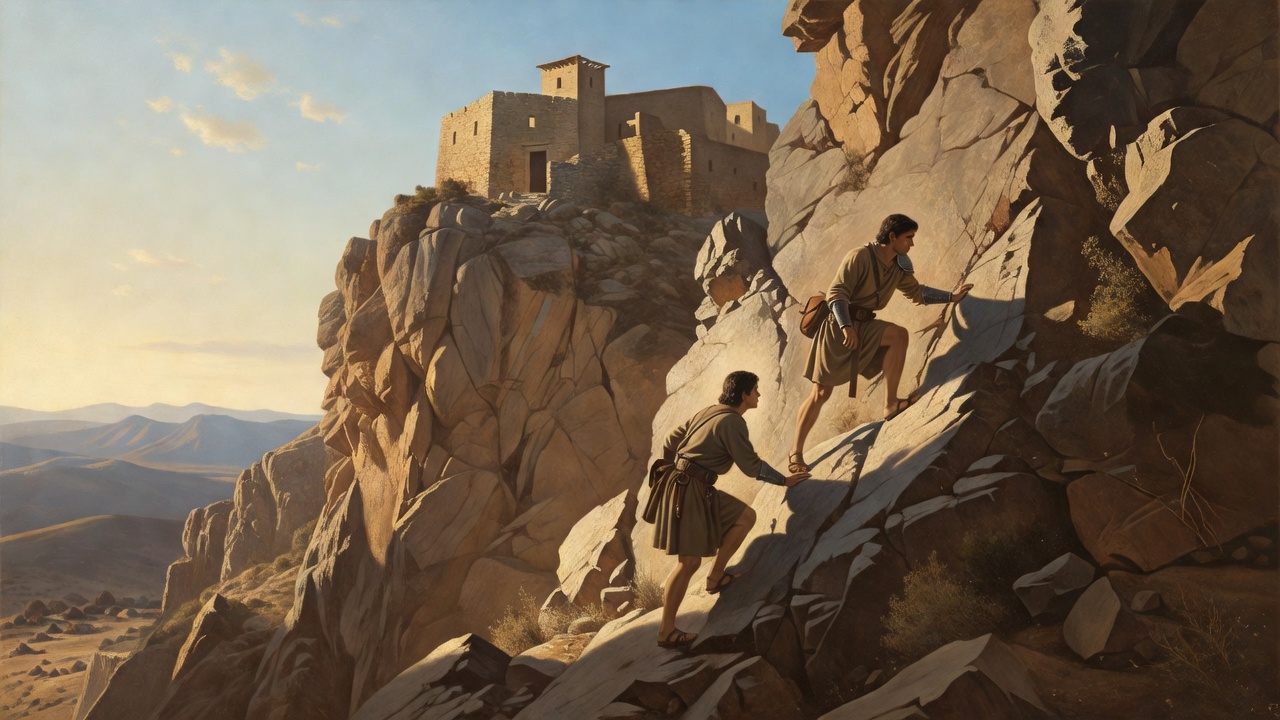
- Jonathan launched his surprise attack by scaling a steep ravine between two prominent rock cliffs named Bozez and Seneh, situated between Michmash and Geba. He and his armor-bearer climbed on their hands and feet to confront the Philistine outpost directly.Sources: the Bible text itself · Bozez · Seneh · Michmash
- Saul placed his army under a strict oath not to eat until evening, which left the soldiers exhausted and drove them to eat butchered livestock with the blood still in it. Jonathan, who had not heard the decree, tasted wild honey, and when cast lots identified him, the army intervened to save his life.Sources: the Bible text itself · Jonathan
- The narrative details Saul's inner circle, including his priest Ahijah, a descendant of the high priest Eli from Shiloh, and his army commander Abner, the son of Saul's uncle Ner.Sources: the Bible text itself · Abner · Ner · Eli
Notes written with AI assistance from open sources (Theographic Bible Metadata, CC BY-SA 4.0; Easton’s Bible Dictionary, public domain) and reviewed before publishing.
Places in this chapter
- Shiloh · Today: Khirbet Seilun · 32.056, 35.290 · verse 3
- Bozez · 31.857, 35.287 · verse 4
- Seneh · 31.853, 35.286 · verse 4
- Ammon · 31.955, 35.934 · verse 47
- Edom · 30.746, 35.604 · verse 47
- Moab · Today: Moab 1 · 31.181, 35.701 · verse 47
- Zobah · 33.935, 36.151 · verse 47
Only places identified with high confidence are shown (90% or more according to the scholarly sources compiled by OpenBible). Period map: DARE (Digital Atlas of the Roman Empire), CC BY 4.0; modern map: © OpenStreetMap contributors; places: OpenBible.info (CC BY 4.0).
Credits and license for this translation
Bibeli Gusunɔn Gari
The Holy Bible in the Baatonum language of Benin, also called the Bariba language
copyright © 2013 SIM
Language: Bariba (Baatonum)
Translation by: SIM International
Bariba, Bibeli Gusunɔn Gari
This translation, published by the UEEB/SIM au Benin, was published in 1996.
If you are interested in obtaining a printed copy, please contact the SIM at SIM, BP 15, Parakou, Benin.
This translation text is made available to you under the
terms of the Creative Commons License: Attribution-Noncommercial-No Derivative Works.
( http://creativecommons.org/licenses/by-nc-nd/3.0/ )
In addition, you have permission to port the text to different file formats, as long as you
do not change any of the text or punctuation of the Bible.
You may share, copy, distribute, transmit, and extract portions
or quotations from this work, provided that you include the above copyright
information:
You must give Attribution to the work.
You do not sell this work for a profit.
You do not make any derivative works that change any of the actual words or punctuation of the Scriptures.
Permissions beyond the scope of this license may be
available if you contact
us with your request.
This translation is made available to you under the terms of the
Creative Commons Attribution-Noncommercial-No Derivatives license 4.0.
You may share and redistribute this Bible translation or extracts from it in any format, provided that:
You include the above copyright and source information.
You do not sell this work for a profit.
You do not change any of the words or punctuation of the Scriptures.
Pictures included with Scriptures and other documents on this site are licensed just for use with those Scriptures and documents.
For other uses, please contact the respective copyright owners.
2014-09-10
Source: http://ebible.org/bba/ · eBible.org