1 Kings 9
Bibeli Gusunɔn Gari · Tap a verse to see its cross-references.
Yinni Gusunɔ
u mɑɑ Sɑlomɔɔ kure
1Sɑɑ yè sɔɔ Sɑlomɔɔ u Yinni Gusunɔn sɑ̃ɑ yeru kɑ win tiin sinɑ kpɑɑru kɑ sere mɑɑ ye u ɡɔ̃ru doke kpuro kuɑ u kpɑ, 2sɑɑ yerɑ Yinni Gusunɔ u nùn kure nɔn yiruse nɡe mɛ u rɑɑ nùn kure Gɑbɑoniɔ. 3Mɑ u nùn sɔ̃ɔwɑ u nɛɛ, nɑ wunɛn kɑnɑru nuɑ. Yen sɔ̃ tɛ̃, dii te ɑ bɑnɑ nɛn sɔ̃ mi, nɑ tu wunɑ nɛnɛm tɑ kuɑ mi bɑ ko n dɑ mɑn sɑ̃. Ko nɑ n tu mɛɛrɑ kpɑ nɛn bwɛ̃rɑ n wɑ̃ɑ te sɔɔ sere kɑ bɑɑdommɑɔ. 4Wunɛn tii ɑ̀ n sĩimɔ ɡem sɔɔ kɑ ɡɔ̃ru dɛɛrɔ nɛn wuswɑɑɔ mɑ ɑ nɛn woodɑbɑ kɑ nɛn yiirebu mɛm nɔɔwɑmmɛ nɡe mɛ Dɑfidi wunɛn tundo u kuɑ, 5kon wunɛn bɑndu dɑkɑɑ dɑɑsiɑ nɡe mɛ nɑ wunɛn tundo wi nɔɔ mwɛɛru kuɑ, nɑ nɛɛ, u ǹ kɔsire biɑmɔ win bibun bweseru sɔɔ wi u koo bɑndu di Isirelibɑ sɔɔ. 6Adɑmɑ wunɛ kɑ wunɛn tɔmbu kɑ bɛɛn bibun bweseru ì n mɑn yinɑ, mɑ i ǹ nɛn woodɑbɑ kɑ nɛn yiirebu mɛm nɔɔwɑmmɛ, mɑ i dɑ i n bũnu sɑ̃ɑmɔ, 7kon bɛɛ wunɑ tem mɛ nɑ rɑɑ bɛɛ wɛ̃ kpuron di. Kpɑ n mɑɑ dii te nɑ wunɑ nɛnɛm nɛn sɔ̃ mi yinɑ mɑm mɑm kpɑ i sekuru wɑ bwese tukunun wuswɑɑɔ nu bɛɛ yɛ̃ɛ. 8Wi u rɑɑ dii ten kpɑ̃ɑru yɛ̃, ù n doonɔ mi, mɑ u ten bɑnsu wɑ biti koo nùn mwɑ u nɛɛ, kuku! Mbɑn sɔ̃nɑ Yinni Gusunɔ u tem mɛɡibu kuɑ mɛ, kɑ mɑɑ dii teni. 9Kpɑ bu wisi bu nɛɛ, bɑ Gusunɔ ben Yinni deriwɑ wi u ben bɑɑbɑbɑ yɑrɑmɑ Eɡibitin di. Wee tɛ̃ bũnɑ bɑ sɑ̃ɑmɔ. Niyɑ bɑ mɛm nɔɔwɑmmɛ. Yen sɔ̃nɑ u derɑ wɑhɑlɑ yeni yɑ bu deemɑ.
Sɑlomɔɔ kɑ Hirɑmun
ɑrukɑwɑni
10Sɑlomɔɔ u Yinni Gusunɔn sɑ̃ɑ yeru kɑ win tiin sinɑ kpɑɑru bɑnɑwɑ wɔ̃ɔ yɛndu u sere ye kpuro wiru ɡo. 11N deemɑ Hirɑmu Tirin sinɑ bokowɑ u nùn dɑ̃ɑ ye bɑ mɔ̀ sɛduru kɑ sipɛrɛ kɑ wurɑ mɔrisiɑ nɡe mɛ̀n nɔɔ u kĩ sɑnɑm mɛ u win sɔmɑ ye mɔ̀. Yen sɔ̃nɑ u mɑɑ Hirɑmu wi wusu yɛndu kɑ̃, Gɑlilen tem sɔɔ. 12Yerɑ Hirɑmu u seewɑ Tirin di u dɑ u wuu si mɛɛrɑ, si Sɑlomɔɔ u nùn kɑ̃ mi. 13Adɑmɑ wuu si, su ǹ nùn wɛ̃re. Mɑ u nɛɛ, wuu sinin bweserɑ ɑ mɑn kɑ̃ nɛn kĩnɑsi? Yerɑ u su yĩsiru kɑ̃ Kɑm. Yĩsi terɑ bɑ rɑ kɑ su soku sere kɑ ɡisɔn ɡisɔ. 14N deemɑ Hirɑmu u rɑɑ Sɑlomɔɔ wurɑ tɔnnu itɑ kɑ bɔnu mɔrisiɑ.
Ye Sɑlomɔɔ u mɑɑ kuɑ
15Tɔn be Sɑlomɔɔ u yoo sɔmɑ koosiɑ, beyɑ bɑ Yinni Gusunɔn sɑ̃ɑ yeru kɑ win tiin sinɑ kpɑɑ te bɑnɑ te u sokɑ Wɔwɑ ye bɑ kɔruɑ, kɑ sere Yerusɑlɛmun ɡbɑ̃rɑ te, kɑ mɑɑ wuu si bɑ mɔ̀ Hɑsori, kɑ Mɛɡido, kɑ Gesɛɛ. 16N deemɑ Eɡibitin sunɔ u rɑɑ Gesɛɛ wɔri u dɔ̃ɔ mɛni u Kɑnɑni be bɑ wɑ̃ɑ mi ɡo u kpɑ, mɑ u wuu ɡe suɑ u win bii tɔn kurɔ kɑ̃, sɑɑ ye Sɑlomɔɔ u bii wi suɑ kurɔ. 17Yen sɔ̃nɑ Sɑlomɔɔ u wuu ɡe sɔnwɑ u bɑnɑ. U mɑɑ Bɛti Horoni bɑnɑ ye yɑ wɑ̃ɑ wɔwɑɔ, 18kɑ Bɑlɑti, kɑ Tɑdimɔri ye yɑ wɑ̃ɑ Yudɑn temɔ mi ɡɑ̃ɑnu ku rɑ kpi, 19kɑ mɑɑ wuu sìn mi u rɑ win dĩɑnu bere, kɑ sìn mi win tɑbu kɛkɛ be dumi ɡɑwe wɑ̃ɑ kɑ sìn mi win mɑɑsɔbu bɑ wɑ̃ɑ kɑ si u ɡɔ̃ru doke u bɑnɑ Yerusɑlɛmuɔ kɑ Libɑniɔ kɑ mɑɑ tem mɛ u mɔ kpuro sɔɔ.
20Bwese ni nu wɑ̃ɑ Isirelibɑn suunu sɔɔ bɑ ǹ kpĩɑ bɑ ɡo, niyɑ Amɔrebɑ kɑ Hɛtibɑ kɑ Feresibɑ kɑ Hefibɑ kɑ Yebusibɑ. Ben bibun bweserɑ Sɑlomɔɔ u yoo sɔmɑ koosiɑ. Mɑ bɑ kuɑ yobu sere kɑ ɡisɔn ɡisɔ. 22Adɑmɑ Sɑlomɔɔ u ǹ Isirelibɑ yoo sɔmɑ koosie. U bu kuɑwɑ win tɑbu kowobu kɑ win tiin sɔm kowobu, kɑ win sinɑ ɑsɑkpɔbu kɑ win tɑbu sinɑmbu kɑ win tɑbu kɛkɛ kpɑrobu kɑ win mɑɑsɔbu. 23Be u ɡɔsɑ bu kɑ yoo sɔmɑ ye kpɑrɑ, bɑ sɑ̃ɑwɑ nɛɛrɑ wunɔbu kɑ weerɑɑkuru (550).
24Sɑnɑm mɛ Eɡibiti sunɔn bii wɔndiɑ wi Sɑlomɔɔ u sue kurɔ, u wurɑ yɛnu ɡe Sɑlomɔɔ u nùn bɑniɑ sɔɔ, sɑɑ yerɑ Sɑlomɔɔ u mɑɑ wɔwɑ ye yɑ wɑ̃ɑ sɔ̃ɔ yɑri yeru ɡiɑ kɔruɑ.
25Wɔ̃ɔ tiɑ sɔɔ, nɔn itɑwɑ Sɑlomɔɔ u rɑ Yinni Gusunɔ yɑ̃ku dɔ̃ɔ mwɑɑrɑruɡinu kue kɑ siɑrɑbun yɑ̃kunu, yɑ̃ku yee ten mi, te u Yinni Gusunɔ kuɑ. Yen biru u rɑ turɑre dɔ̃ɔ doke kpɑkoro tèn wɔllɔ bɑ rɑ turɑre dɔ̃ɔ doke te bɑ yi dii te tɑ dɛɛre ɡem ɡem kɔnnɔn deedeeru. Nɡe mɛyɑ Sɑlomɔɔ u kɑ sɔ̃ɔsi yèn sɔ̃ bɑ sɑ̃ɑ yee te kuɑ.
26Mɑ u derɑ bɑ ɡoo nimkuu dɑ̃kɑ Ɛsioni Gebɛɛɔ, Elɑtin bɔkuɔ nim wɔ̃ku ɡe bɑ mɔ̀ Nɑɑ yɑriɔ Edɔmun temɔ. 27Mɑ Hirɑmu u win tiin sɔm kowo be bɑ nim ɑsɑnsi yɛ̃ mɔrisiɑ Sɑlomɔɔn ɡoo nimkuu sin sɔ̃. 28Yerɑ bɑ dɑ Ofiriɔ bɑ wurɑ ɡurɑ tɔnnu wɔkurɑ yiru bɑ kɑ Sɑlomɔɔ dɑɑwɑ.
Did you know?
Solomon's Covenant, Projects, and Alliances
- After twenty years of construction on the temple and the royal palace, Solomon gave King Hiram of Tyre twenty cities in Galilee in exchange for cedar, cypress logs, and gold. When Hiram traveled to inspect the towns, he was displeased with them and called the region the "Land of Cabul."Sources: the Bible text itself · Hiram · Tyre
- The strategic city of Gezer remained under Canaanite control until an Egyptian pharaoh conquered and burned it, giving the site as a wedding dowry to his daughter when she married Solomon. Solomon subsequently rebuilt and fortified Gezer along with Jerusalem's defenses and several store cities.Sources: the Bible text itself · Gezer · Daughter of Pharaoh
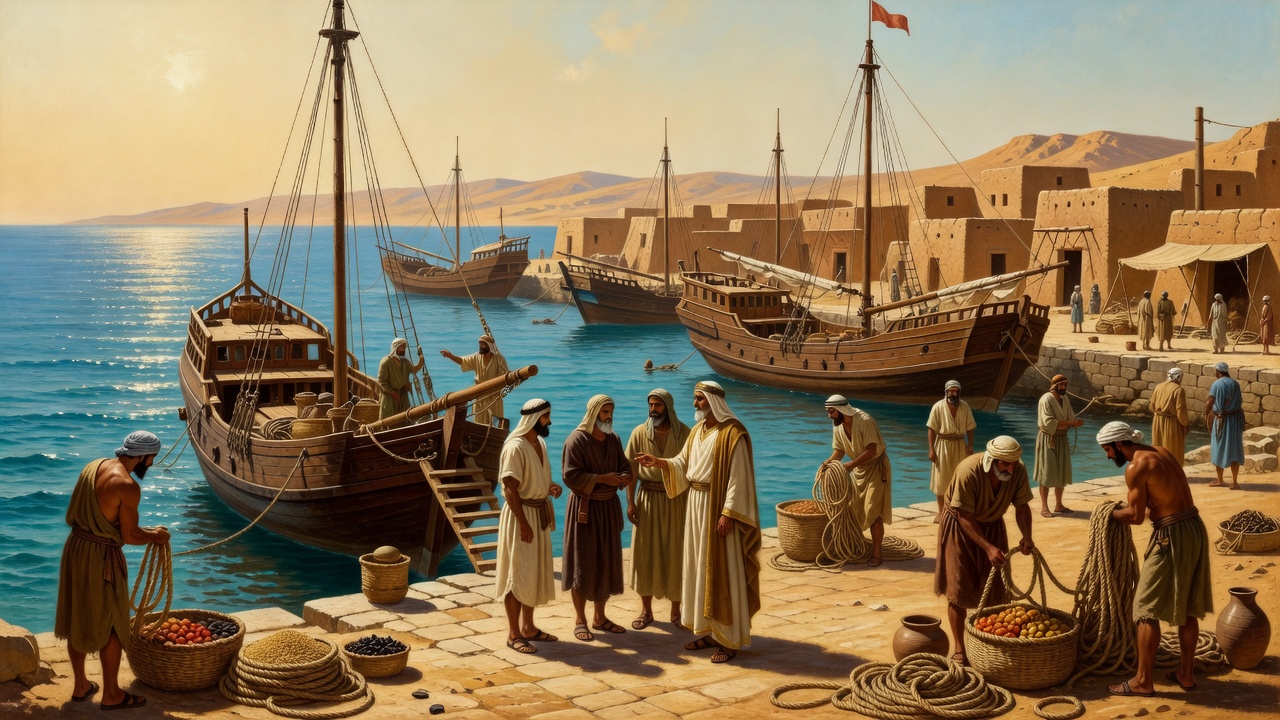
- Solomon established a maritime fleet at Ezion-geber on the coast of the Red Sea in Edom. Partnering with seasoned Phoenician sailors sent by Hiram of Tyre, the expedition sailed to Ophir and brought back 420 talents of gold.Sources: the Bible text itself · Hiram
Notes written with AI assistance from open sources (Theographic Bible Metadata, CC BY-SA 4.0; Easton’s Bible Dictionary, public domain) and reviewed before publishing.
Places in this chapter
- Gibeon · Today: El Jib · 31.847, 35.183 · verse 2
- Egypt · 30.129, 31.308 · verses 9, 16
- Galilee · 32.760, 35.527 · verse 11
- Tyre · 33.271, 35.196 · verses 11, 12
- Cabul · Today: Cabul 2 · 32.868, 35.211 · verse 13
- Gezer · Today: Tel Gezer · 31.859, 34.919 · verses 15, 16, 17
- Hazor · Today: Tel Hazor · 33.018, 35.569 · verse 15
- Jerusalem · 31.777, 35.234 · verses 15, 19
- Megiddo · Today: Tel Megiddo · 32.585, 35.184 · verse 15
- Lower Beth-horon · Today: Beit Ur al Tahta · 31.895, 35.084 · verse 17
- Lebanon · 33.540, 35.584 · verse 19
- City of David · 31.774, 35.236 · verse 24
- Edom · 30.746, 35.604 · verse 26
- Red Sea · Today: Gulf of Aqaba · 28.750, 34.750 · verse 26
Only places identified with high confidence are shown (90% or more according to the scholarly sources compiled by OpenBible). Period map: DARE (Digital Atlas of the Roman Empire), CC BY 4.0; modern map: © OpenStreetMap contributors; places: OpenBible.info (CC BY 4.0).
Credits and license for this translation
Bibeli Gusunɔn Gari
The Holy Bible in the Baatonum language of Benin, also called the Bariba language
copyright © 2013 SIM
Language: Bariba (Baatonum)
Translation by: SIM International
Bariba, Bibeli Gusunɔn Gari
This translation, published by the UEEB/SIM au Benin, was published in 1996.
If you are interested in obtaining a printed copy, please contact the SIM at SIM, BP 15, Parakou, Benin.
This translation text is made available to you under the
terms of the Creative Commons License: Attribution-Noncommercial-No Derivative Works.
( http://creativecommons.org/licenses/by-nc-nd/3.0/ )
In addition, you have permission to port the text to different file formats, as long as you
do not change any of the text or punctuation of the Bible.
You may share, copy, distribute, transmit, and extract portions
or quotations from this work, provided that you include the above copyright
information:
You must give Attribution to the work.
You do not sell this work for a profit.
You do not make any derivative works that change any of the actual words or punctuation of the Scriptures.
Permissions beyond the scope of this license may be
available if you contact
us with your request.
This translation is made available to you under the terms of the
Creative Commons Attribution-Noncommercial-No Derivatives license 4.0.
You may share and redistribute this Bible translation or extracts from it in any format, provided that:
You include the above copyright and source information.
You do not sell this work for a profit.
You do not change any of the words or punctuation of the Scriptures.
Pictures included with Scriptures and other documents on this site are licensed just for use with those Scriptures and documents.
For other uses, please contact the respective copyright owners.
2014-09-10
Source: http://ebible.org/bba/ · eBible.org