1 Kings 1
Bibeli Gusunɔn Gari · Tap a verse to see its cross-references.
About this book
About 1 Kings
- Easton's Bible Dictionary (1897) treats the authorship of the books of Kings as uncertain. A tradition that Jeremiah wrote them is, in Easton's view, supported by passages almost identical with parts of Jeremiah and by events Jeremiah knew personally, yet Easton thinks it more probable that Ezra, after the Captivity, compiled the books from earlier documents, perhaps written by David, Solomon, Nathan, Gad, and Iddo. Easton dates the composition between 561 B.C., when Jehoiachin was released from captivity by Evil-merodach, and 538 B.C., the decree of Cyrus.Sources: Easton: Kings, The Books of
- Easton says these books contain the annals of the kingdom from Solomon's accession until Nebuchadnezzar and the Babylonians subdued it, a period he estimates at about 453 years. 1 Kings opens while David is dying: Adonijah, his fourth son, who had become heir-apparent to the throne after the deaths of Amnon and Absalom, has himself proclaimed king, but Nathan and Bathsheba persuade David to enthrone Solomon at once. Solomon, David's son by Bathsheba, whose history is recorded in 1 Kings 1-11, came to the throne, Easton suggests, at about sixteen or eighteen.Sources: Easton: Kings, The Books of · Adonijah · Solomon
- In the Hebrew Scriptures the two books of Kings originally formed one book; the Septuagint first divided them and, with the Vulgate, numbers them as the third and fourth books of Kings, the books of Samuel being the first and second. Easton notes that Chronicles gives greater prominence to the priestly or Levitical office, while Kings gives greater prominence to the royal office, and that in the threefold division of the Scriptures by the Jews these books are ranked among the Prophets. The narrative points to earlier sources: the book of the acts of Solomon and the chronicles of the kings of Judah and of Israel.Sources: Easton: Kings, The Books of
- After Solomon's death the ten tribes revolted and invited Jeroboam, son of Nebat, to be their king; Easton calls him the first king of those tribes and dates his reign from 976 to 945 B.C. He had fled to Egypt under the protection of Shishak I, and later moved his residence from Shechem, his first capital, to Tirzah, which remained the chief residence of Israel's kings until Omri bought the hill of Shomeron from Shemer for two talents of silver and built Samaria. The later narrative includes Ahab, Omri's son and the seventh king of Israel, whose wife was Jezebel: to the calf worship introduced by Jeroboam he added the worship of Baal, and he was severely admonished by the prophet Elijah.Sources: Jeroboam · Tirzah · Samaria · Ahab
Notes written with AI assistance from open sources (Theographic Bible Metadata, CC BY-SA 4.0; Easton’s Bible Dictionary, public domain) and reviewed before publishing.
Adoniyɑ u kĩ u tii ko sunɔ
1Dɑfidi u tɔkɔ kuɑ u bukurɑ ɡem ɡem. Bɑɑ bɑ̀ n nùn bekɑ bubusi, kɑ mɛ, u rɑ n kurusinɛwɑ woorun sɔ̃. 2Sɔ̃ɔ teeru win bwɑ̃ɑbɑ nɑ bɑ nùn sɔ̃ɔwɑ bɑ nɛɛ, Yinni, ɑ de su nun wɔndiɑ kɑsuɑmɑ u n dɑ n wɑ̃ɑ wunɛn bɔkuɔ u n nun nɔɔrimɔ kpɑ u n dɑ n nun bɔkɑsi ɑ n kɑ yɑm susuru wɑɑmɔ.
3Mɑ bɑ wɔndiɑ kurɔ burɔ kɑso wɔri Isirelibɑn tem kpuro sɔɔ. Yerɑ bɑ wɔndiɑ ɡoo wɑ wi bɑ sokumɔ Abisɑɡi. Wɔndiɑ wi, kurɔ burɔn tiiwɑ. U sɑ̃ɑwɑ Sunɛmuɡii. Mɑ bɑ nùn mwɑɑmɑ bɑ kɑ nɑ sinɑ bokon mi. Wiyɑ u rɑ n nùn nɔɔrimɔ. Adɑmɑ u ǹ nùn yɛ̃ kurɔ.
5Adoniyɑ wi Dɑfidi u kɑ Hɑɡiti mɑrɑ wiyɑ u kuɑ Dɑfidin yerumɑ Abusɑlɔmun ɡɔɔn biru. U sɑ̃ɑwɑ durɔ burɔn tii. Tundo kun nùn wɔkisire sɑɑ mìn di bɑ kɑ wɑ̃ɑ. U ǹ mɑɑ nùn bikiɑre u nɛɛ, mbɑn bweserɑ ɑ mɔ̀ mɛ. Yerɑ Adoniyɑ wi, u tii wɔlle suɑ u nɛɛ, wiyɑ u koo bɑndu di. Mɑ u tii tɑbu kɛkɛ kɑsuɑ ye dumi ɡɑwe kɑ mɑɑsɔbu kɑ sere tɑbu durɔbu tɔnu weerɑɑkuru be bɑ rɑ n nùn ɡbiiye. 7Mɑ u kɑ Yoɑbu Seruyɑn bii kɑ yɑ̃ku kowo Abiɑtɑɑ ɡɑri bɔkuɑ. Mɑ bɑ kɑ nùn yɔ̃rɑ. 8Adɑmɑ yɑ̃ku kowo Sɑdɔku kɑ Bɛnɑyɑ Yehoyɑdɑn bii, kɑ Gusunɔn sɔmɔ Nɑtɑni, kɑ Simɛi kɑ Rei kɑ sere Dɑfidin tɑbu kowo dɑmɡibu, beyɑ bɑ ǹ kɑ Adoniyɑ nɔɔ tiɑ kue.
Nɑtɑni u Bɑti Sebɑ bwisi kɑ̃
9Mɑ Adoniyɑ u yɑ̃kuru kuɑ kɑ yɑ̃ɑnu kɑ kɛtɛ kpɛmi yi yi ɡum mɔ Sohelɛtin kperun bɔkuɔ te tɑ wɑ̃ɑ Eni Roɡɛlin berɑ ɡiɑ. Mɑ u win tundo turosibu dim sokɑ mi, kɑ Yudɑbɑ kpuro, be bɑ sɑ̃ɑ sinɑ bokon bwɑ̃ɑbu. 10Adɑmɑ u ǹ Gusunɔn sɔmɔ Nɑtɑni sokɑ kɑ Bɛnɑyɑ kɑ Dɑfidin tɑbu durɔ dɑmɡii be, kɑ mɑɑ sere Sɑlomɔɔ win tundo turosi.
11Yerɑ Nɑtɑni u dɑ u Bɑti Sebɑ Sɑlomɔɔn mɛro sɔ̃ɔwɑ u nɛɛ, ɑ ǹ nuɑ mɑ Adoniyɑ Hɑɡitin bii, u bɑndu di? Dɑfidi bɛsɛn yinni kun mɑɑ yɛ̃. 12Yen sɔ̃, ɑ nɑ tɛ̃ n nun bwisi kɛ̃ ye kɑɑ ko ɑ kɑ wunɛn hunde bere, kɑ mɑɑ wunɛn bii Sɑlomɔɔɡiɑ. 13A doo ɑ wunɛn yinni Dɑfidi sinɑ boko deemɑ ɑ nùn sɔ̃ ɑ nɛɛ, n ǹ wiyɑ u nɔɔ mwɛɛru kuɑ u nɛɛ, wunɛn bii Sɑlomɔɔwɑ u koo bɑndu di win biru? Mbɑ n kuɑ Adoniyɑ u kɑ bɑndu sinɑ.
14Sɑɑ ye kɑɑ kɑ nùn ɡɑri yi tore, kon duumɑ mi nɛn tii, kpɑ n wunɛn ɡɑri sire n sosi.
15Mɑ Bɑti Sebɑ u seewɑ u dɑ diru mi sinɑ boko u kpĩ. Domi sinɑ boko u tɔkɔ kuɑ ɡem ɡem. Abisɑɡi Sunɛmuɡiiwɑ u wɑ̃ɑ mi, u nùn nɔɔrimɔ. 16Ye Bɑti Sebɑ u turɑ mi, u yiirɑ sinɑ bokon wuswɑɑɔ. Mɑ sinɑ boko u nùn bikiɑ u nɛɛ, mbɑ ɑ kĩ.
17Mɑ u wisɑ u nɛɛ, nɛn yinni, wunɑ ɑ mɑn nɔɔ mwɛɛru kuɑ kɑ bɔ̃ri ɑ nɛɛ, sere kɑ Yinni Gusunɔn yĩsiru nɛn bii Sɑlomɔɔwɑ u koo bɑndu di wunɛn biru. 18Wee tɛ̃ Adoniyɑ u bɑndu di. Wunɛ nɛn yinni sinɑ boko ɑ ǹ kɑ bɑɑru. 19Mɑ u kɛtɛ kpɛmi yi yi ɡum mɔ kɑ yɑ̃ɑ dɑbinu ɡo. Mɑ u win tundo turosibu dim sokɑ kɑ Abiɑtɑɑ yɑ̃ku kowo kɑ sere Yoɑbu wi u sɑ̃ɑ tɑbu sunɔ. Adɑmɑ u ǹ wunɛn bii Sɑlomɔɔ sokɑ. 20Tɛ̃ sinɑ boko, wee, wunɑ Isirelibɑ kpuro bɑ swɑɑ dɑki ɑ kɑ bu sɔ̃ wi u koo ko wunɛn kɔsire bɑndu sɔɔ. 21Yinni, sɑɑ ye kɑɑ kpunɑ nɡe wunɛn bɑɑbɑ, bɑ koo nɛ kɑ nɛn bii Sɑlomɔɔ mɛɛriwɑ tɑɑrɛɡibu.
22Ye Bɑti Sebɑ kɑ Dɑfidi bɑ ɡɑri mɔ̀, yerɑ Gusunɔn sɔmɔ Nɑtɑni u tunumɑ mi. 23Mɑ bɑ sinɑ boko sɔ̃ɔwɑ bɑ nɛɛ, Gusunɔn sɔmɔ Nɑtɑni wee, u tunumɑ. Yerɑ u sinɑ boko yiirɑ u wuswɑɑ tem ɡirɑri. 24U nùn bikiɑ u nɛɛ, yinni, wunɑ ɑ nɛɛ, Adoniyɑ u bɑndu dio u ko wunɛn kɔsire sinɑ ɡɔnɑɔ? 25Domi wee, u kɛtɛ kpɛmi yi yi ɡum mɔ ɡo kɑ yɑ̃ɑ dɑbi dɑbinu. Mɑ u win tundo turosibu sokusiɑ kɑ tɑbu sinɑmbu kɑ Abiɑtɑɑ yɑ̃ku kowo. Wee, bɑ dimɔ bɑ nɔrumɔ win wuswɑɑɔ. Mɑ bɑ ɡerumɔ bɑ mɔ̀ Adoniyɑ, sinɑ boko, win hunde yu dɑkɑɑ dɑ. 26Adɑmɑ u ǹ nɛ kɑ Sɑdɔku yɑ̃ku kowo sokɑ, kɑ Bɛnɑyɑ Yehoyɑdɑn bii, kɑ sere mɑɑ wunɛn bii Sɑlomɔɔ. 27Sinɑ boko, wunɛn min diyɑ ɡɑri yini yi koorɑ? Mɑ ɑ ǹ sere bɛsɛ wunɛn bwɑ̃ɑbu sɔ̃ɔwɑ wi u koo bɑndu di wunɛn biru?
Dɑfidi u Sɑlomɔɔ ɡɔsɑ
u kɑ ko win kɔsire
28Mɑ Dɑfidi sinɑ boko u nɛɛ, i mɑn Bɑti Sebɑ sokuo.
Mɑ bɑ nùn sokɑ u susi u yɔ̃rɑ sinɑ bokon wuswɑɑɔ. 29Yerɑ sinɑ boko u bɔ̃ruɑ u nɛɛ, sere kɑ Yinni Gusunɔn wɑ̃ɑru wi u mɑn yɑrɑ sɑɑ wɑhɑlɑ kpuron di, 30kon nɛn nɔɔ mwɛɛru yibiɑ ɡisɔ te nɑ nun kuɑ kɑ Gusunɔ bɛsɛ Isirelibɑn Yinnin yĩsiru nɑ nɛɛ, Sɑlomɔɔwɑ u koo bɑndu di nɛn biru u ko nɛn kɔsire.
31Mɑ Bɑti Sebɑ u yiirɑ u wuswɑɑ tem ɡirɑri u nɛɛ, nɛn yinni sinɑ boko, wunɛn hunde yu dɑkɑɑ dɑ.
32Mɑ Dɑfidi u nɛɛ, bu nùn Sɑdɔku yɑ̃ku kowo sokuo kɑ Gusunɔn sɔmɔ Nɑtɑni kɑ mɑɑ Bɛnɑyɑ Yehoyɑdɑn bii. Ye bɑ tunumɑ, yerɑ bɑ duɑ mi u wɑ̃ɑ. 33Mɑ u bu sɔ̃ɔwɑ u nɛɛ, i nɛn bwɑ̃ɑbu suo kpɑ i nɛn bii Sɑlomɔɔ kɛtɛku yɔɔsiɑ i kɑ nùn dɑ bwiɑ ye bɑ mɔ̀ Gihoniɔ. 34Miyɑ yɑ̃ku kowo Sɑdɔku kɑ Gusunɔn sɔmɔ Nɑtɑni bɑ koo nùn ɡum tɑ̃re wirɔ u kɑ ko Isirelibɑn sunɔ, kpɑ i kɔbi wurɑ, yen biru i ɡere i nɛɛ, Sɑlomɔɔ sinɑ bokon hunde yu dɑkɑɑ dɑ. 35Yen biru kpɑ i nùn suɑmɑ u nɑ u sinɑ nɛn sinɑ ɡɔnɑɔ u ko nɛn kɔsire. Domi wiyɑ nɑ ɡɔsɑ u kɑ Isirelibɑ kɑ Yudɑbɑ kpɑrɑ.
36Mɑ Bɛnɑyɑ Yehoyɑdɑn bii u nɛɛ, ɑmi, nɛn yinni sinɑ boko. Yinni Gusunɔ u de n koorɑ mɛ. 37Nɡe mɛ Yinni Gusunɔ u kɑ nun wɑ̃ɑ, u n mɑɑ kɑ Sɑlomɔɔ wɑ̃ɑ mɛ, kpɑ u win bɑndu wɔlle suɑ n wunɛɡiru kerɑ.
Sɑlomɔɔ u kuɑ sunɔ
38Yerɑ yɑ̃ku kowo Sɑdɔku kɑ Gusunɔn sɔmɔ Nɑtɑni kɑ Bɛnɑyɑ Yehoyɑdɑn bii kɑ Keretibɑ kɑ Pelɛtibɑ be bɑ sɑ̃ɑ sinɑ bokon tiin kɔ̃sobu, bɑ dɑ bɑ Sɑlomɔɔ deemɑ. Mɑ bɑ nùn yɔɔsiɑ sinɑ bokon kɛtɛku wɔllɔ mɑ bɑ dɑ Gihoni mi. 39Ye bɑ turɑ mi, yerɑ Sɑdɔku u dɑ kuu bekuruɡirɔ u ɡum kɔbɑ tɑmɑ. Mɑ u Sɑlomɔɔ ɡum mɛ tɑ̃re wirɔ u kɑ nùn ko sunɔ. Yen biru bɑ kɔbɑ so, mɑ tɔn be kpuro bɑ nɛɛ, sinɑ boko Sɑlomɔɔ, wunɛn hunde yu dɑkɑɑ dɑ. 40Mɑ tɔn be kpuro bɑ nùn swĩi bɑ kɔbi soomɔ kɑ nuku doo bɑkɑbu. Mɑ n sɑ̃ɑre nɡe tem mu yĩirumɔwɑ ben wurenun sɔ̃.
Sɑlomɔɔ u Adoniyɑ suuru kuɑ
41Adoniyɑ kɑ win tɔn be u dim sokɑ mi kpuro bɑ wure ni nuɑ sɑɑ yè sɔɔ bɑ dim kpɑ. Ye Yoɑbu u kɔbɑn swĩi nuɑ, yerɑ u nɛɛ, mbɑn sɔ̃nɑ bɑ wure mɛni wuuɔ.
42U ɡɑri yi ɡerumɔ u ǹ kpɑ, yerɑ Yonɑtɑm, Abiɑtɑɑ yɑ̃ku kowon bii u tunumɑ. Mɑ Adoniyɑ u nɛɛ, ɑ dɑm koomɑ tɑbu durɔ nɑɑnɛɡii. Nɑ yĩiyɔ n lɑbɑɑri ɡeɑ nɔ wunɛn min di. 43Yonɑtɑm u nùn wisɑ u nɛɛ, ɑɑwo. Domi Dɑfidi sinɑ boko bɛsɛn yinni u Sɑlomɔɔ bɑndu wɛ̃. 44Mɑ u derɑ Sɑdɔku yɑ̃ku kowo kɑ Gusunɔn sɔmɔ Nɑtɑni kɑ Bɛnɑyɑ Yehoyɑdɑn bii kɑ Keretibɑ kɑ Pelɛtibɑ bɑ nùn sinɑ bokon kɛtɛku yɔɔsiɑ, 45bɑ dɑ Gihoniɔ. Miyɑ Sɑdɔku yɑ̃ku kowo kɑ Gusunɔn sɔmɔ Nɑtɑni bɑ nùn ɡum tɑ̃re wirɔ, u kuɑ sunɔ. Yen biruwɑ bɑ ɡɔsirɑmɑ min di kɑ nuku doo bɑkɑbu. Mɑ wuu ɡe, ɡɑ ɡbisimɔ kɑ wurenu. Niyɑ i nɔɔmɔ mi. 46Sɑlomɔɔ u mɑɑ sɔ̃ sinɑ ɡɔnɑɔ kɔ. 47Mɑ sinɑ bwɑ̃ɑbɑ nɑ bɑ bɛsɛn sinɑ boko Dɑfidi domɑru kuɑ bɑ nɛɛ, Gusunɔ u Sɑlomɔɔn yĩsiru kɑ win bɑndu wɔlle suɑ n kere wi Dɑfidiɡiru. Mɑ Dɑfidi u seewɑ u wuswɑɑ tem ɡirɑri win kpin yerun wɔllɔ. 48Mɑ u ɡeruɑ u nɛɛ, Gusunɔ Isirelibɑn Yinniɡiɑ siɑrɑbu wi u nùn ɡoo kɑ̃ u win sinɑ ɡɔnɑ kɔsire kuɑ. Mɑ u mɑɑ kɑ yɛ̃ro nɔni wɑ.
49Be Adoniyɑ u dim sokɑ mi kpuro, bɑ nɑndɑ ye bɑ ɡɑri yi nuɑ. Mɑ ben bɑɑwure u win swɑɑ mwɑ u doonɑ. 50Yerɑ Adoniyɑ u bɛrum soorɑ Sɑlomɔɔn sɔ̃, mɑ u seewɑ u dɑ u yɑ̃ku yerun kɑ̃ɑnu nɛnuɑ Sɑlomɔɔ u ku kɑ nùn ɡon sɔ̃. 51Yerɑ bɑ Sɑlomɔɔ sɔ̃ɔwɑ bɑ nɛɛ, wee Adoniyɑ u bɛrum soore wunɛn sɔ̃. U dɑ u yɑ̃ku yerun kɑ̃ɑnu nɛni u mɔ̀, wunɛ Sɑlomɔɔ ɑ be bɔ̃ruo ɡisɔ mɑ ɑ ǹ nùn ɡoomɔ.
52Mɑ Sɑlomɔɔ u nɛɛ, ù n tii nɛnuɑ dee dee, bɑɑ win wirun seri tiɑ yɑ ǹ wɔrumɑmɔ. Adɑmɑ sɑ̀ n kɔ̃sɑ ɡɑɑ wɑ win min di, u koo ɡbiwɑ.
53Yerɑ u derɑ bɑ nùn yɑrɑ yɑ̃ku yee ten min di. Mɑ Adoniyɑ wi, u nɑ Sɑlomɔɔn wuswɑɑɔ u kpunɑ u nùn tɔburɑ. Yen biru Sɑlomɔɔ u nɛɛ, u wio win yɛnuɔ.
Woodɑ ye Dɑfidi u Sɑlomɔɔ wɛ̃
Did you know?
The Succession to David's Throne
- As David's oldest surviving son after the deaths of Amnon and Absalom, Adonijah claimed the royal succession, backed by the military commander Joab and the high priest Abiathar. However, David chose his younger son Solomon, who was supported by the prophet Nathan, the priest Zadok, and the royal bodyguard under Benaiah.Sources: Adonijah · Solomon · the Bible text itself
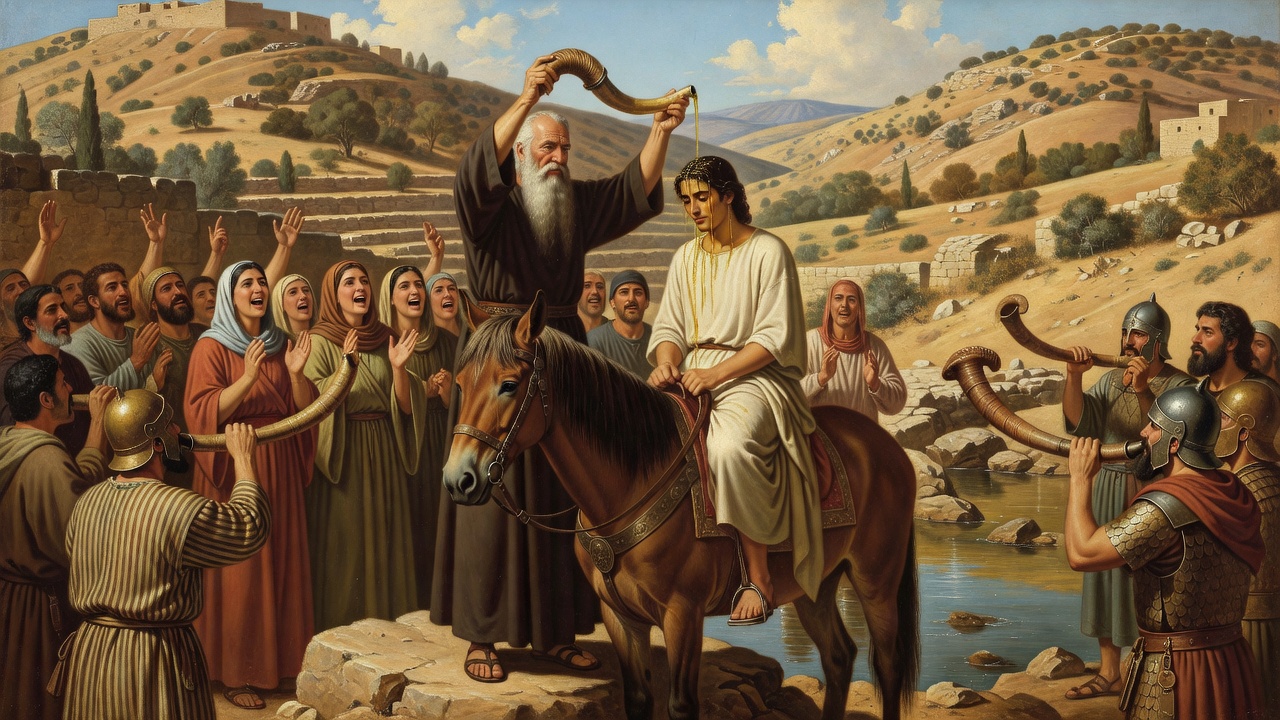
- Riding the king's own mule was a decisive public declaration of royal authority. By David's explicit instruction, Solomon was escorted down to the spring of Gihon, where Zadok anointed him king with oil taken from the tabernacle to the sound of ram's horns and popular celebration.Sources: Gihon · Zadok · the Bible text itself
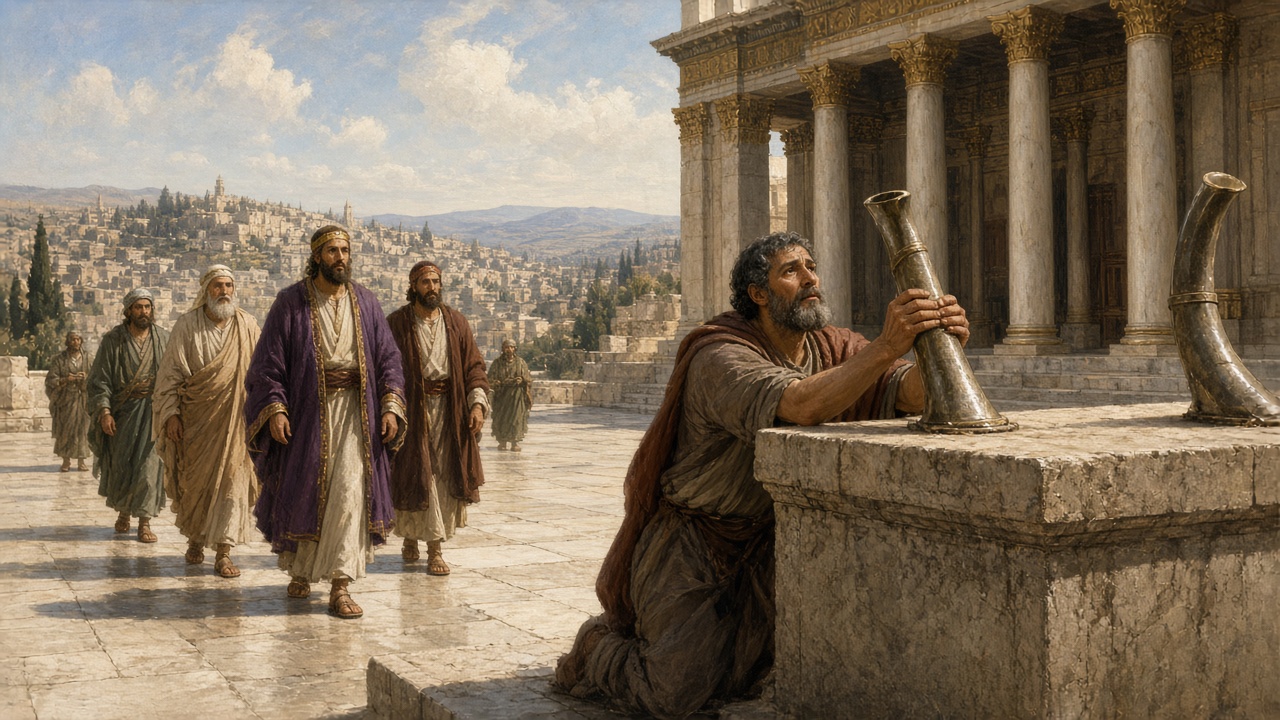
- Upon hearing of Solomon's public coronation, Adonijah fled in terror and sought asylum by taking hold of the horns of the sacrificial altar. Solomon granted him conditional clemency, sparing his life so long as he proved himself a worthy man.Sources: Adonijah · the Bible text itself
Notes written with AI assistance from open sources (Theographic Bible Metadata, CC BY-SA 4.0; Easton’s Bible Dictionary, public domain) and reviewed before publishing.
Places in this chapter
- Shunem · Today: Sulam · 32.606, 35.334 · verse 3
- Serpent’s Stone · Today: within 100 m of Bir Ayub · 31.767, 35.236 · verse 9
- Gihon · Today: Gihon Spring · 31.773, 35.236 · verses 33, 38, 44, 45
- Jerusalem · 31.777, 35.234 · verse 40
Only places identified with high confidence are shown (90% or more according to the scholarly sources compiled by OpenBible). Period map: DARE (Digital Atlas of the Roman Empire), CC BY 4.0; modern map: © OpenStreetMap contributors; places: OpenBible.info (CC BY 4.0).
Credits and license for this translation
Bibeli Gusunɔn Gari
The Holy Bible in the Baatonum language of Benin, also called the Bariba language
copyright © 2013 SIM
Language: Bariba (Baatonum)
Translation by: SIM International
Bariba, Bibeli Gusunɔn Gari
This translation, published by the UEEB/SIM au Benin, was published in 1996.
If you are interested in obtaining a printed copy, please contact the SIM at SIM, BP 15, Parakou, Benin.
This translation text is made available to you under the
terms of the Creative Commons License: Attribution-Noncommercial-No Derivative Works.
( http://creativecommons.org/licenses/by-nc-nd/3.0/ )
In addition, you have permission to port the text to different file formats, as long as you
do not change any of the text or punctuation of the Bible.
You may share, copy, distribute, transmit, and extract portions
or quotations from this work, provided that you include the above copyright
information:
You must give Attribution to the work.
You do not sell this work for a profit.
You do not make any derivative works that change any of the actual words or punctuation of the Scriptures.
Permissions beyond the scope of this license may be
available if you contact
us with your request.
This translation is made available to you under the terms of the
Creative Commons Attribution-Noncommercial-No Derivatives license 4.0.
You may share and redistribute this Bible translation or extracts from it in any format, provided that:
You include the above copyright and source information.
You do not sell this work for a profit.
You do not change any of the words or punctuation of the Scriptures.
Pictures included with Scriptures and other documents on this site are licensed just for use with those Scriptures and documents.
For other uses, please contact the respective copyright owners.
2014-09-10
Source: http://ebible.org/bba/ · eBible.org