Luke 3
Jnʼoon xco na tquen tyoʼtsʼon · Tap a verse to see its cross-references.
Jñꞌoon na toninncyaa Juan
1Chu na jndë nginꞌon na mꞌaan Tiberio César tsanmꞌaantsꞌian tꞌman tsjoon Roma, majuu xjenꞌñeen juu Poncio Pilato tonduihin gobernador ndyuaa Judea. Ndoꞌ juu Herodes tocoꞌxen jon ndyuaa Galilea. Tyje jon Felipe, juu tsanꞌñeen tocoꞌxen jon ndyuaa Iturea yo Traconite. Ndoꞌ Lisanias, juu jon tocoꞌxen jon ndyuaa Abilinia. 2Juu xjenꞌñeen nquii Anás yo Caifás conduihan ntyee tque tondëë nnꞌan judíos. Majuu xjenꞌñeen juu Juan jnda Zacaríasꞌñeen, tomꞌaan jon ndyuaa naijon tyiꞌjndye nnꞌan mꞌan, ndoꞌ tꞌua Tyoꞌtsꞌon tsꞌian nnon juu na ncyaa juu jñꞌoonꞌ jon ndëë nnꞌan. 3Juu Juanꞌñeen ninvaa ndyuaa xiꞌjndio jndaa Jordán, joꞌ tomandyiꞌ jon. Toninncyaa jon jñꞌoon na quintcüeꞌ nꞌon nnꞌan jnanhan chaꞌ ntsitꞌman tsꞌon Tyoꞌtsꞌonhan, ndë joꞌ ntsiquindëëꞌ jon joohan. 4Tui na nndaꞌ chaꞌxjen na tso jñꞌoonꞌ Tyoꞌtsꞌon ntyja nchu vaa ꞌnan na nguaa. Ndö vaa na itso juu jñꞌoonꞌñeen:
Mꞌaan tsꞌan na itsixuaa juu ndëë nnꞌan ndyuaa naijon na tyiꞌjndye nnꞌan mꞌan. Itso tsanꞌñeen:
“Quinanꞌjndaꞌhoꞌ quiiꞌ nꞌonhoꞌ chaꞌvijon ncüii nato na nndyocüjeeꞌnon nquii jon na ntcoꞌxen jon ꞌoꞌ.
Quitaꞌ xoncüehoꞌ ntyja na cotsamꞌanhoꞌ, chaꞌvijon na conanꞌyuhoꞌ nato na nndyo jon.
5Ncüii ro cüii ro quindymaꞌ quinanꞌquitooꞌ nnꞌanhanꞌ.
Ndoꞌ quinanꞌsuhan ncüii ro ncüii ro ntyoꞌ tꞌman yo ntyoꞌ quijndë.
Tsoñꞌen nato ntyeeꞌ, quinanꞌyuhinhanꞌ.
Ndoꞌ yuu na veꞌ congiooꞌ nato, quinanꞌsuhinhanꞌ.
6Ya joꞌ tsoñꞌen nnꞌan njntyꞌiahan nquii jon na iꞌua Tyoꞌtsꞌon tsꞌian nnon jon na ntsinꞌman jon ñuaan nnꞌan.”
Nquii Isaías tji jon juu jñꞌoonvaꞌ.
7Jndye jndyi nnꞌan tentyjaaꞌhan na mꞌaan juu Juanꞌñeen na ntꞌue nꞌonhan na ntsiquindëëꞌ jonhan. Ndoꞌ tso jon ndëëhan:
—¿Nin tsꞌan siꞌman ndëëhoꞌ na vaa na ndëë nꞌmanhoꞌ naviꞌ na ndyontyja? ꞌOꞌ contꞌahoꞌ chaꞌna contꞌa quindu na conanꞌnon oꞌ xjen na nndyo chon cjooꞌ tyueꞌ. 8Quiꞌndyehoꞌ ꞌnan natyia na contꞌahoꞌ ndoꞌ quintꞌahoꞌ ncüii cüii nnon ꞌnan ya, ya joꞌ ntsiꞌman jndyoyuhanꞌ na mayuuꞌ na contcüeꞌ nꞌonhoꞌ. Min tyiꞌnanꞌsaaꞌ nquehoꞌ nꞌonhoꞌ na nnduehoꞌ: Aa jaa taconanꞌxuan nnꞌan na conanꞌtja ngꞌe nquii Abraham conduihin tsochiihi. Quindyehoꞌ na matsjö ndëëhoꞌ, min veꞌ ntjöꞌmin nndëë ntscüaquen Tyoꞌtsꞌonhanꞌ na nnduihanꞌ nnꞌan tsjan ꞌnaanꞌ Abraham na jndyocahanꞌ, ndoꞌ na nndaꞌ, nꞌndyiihanꞌ ꞌoꞌ. 9ꞌOꞌ itsijonhanꞌ ꞌoꞌ chaꞌvijon nꞌoon na tyiꞌya të contꞌa. Ndoꞌ mangiohoꞌ joo nꞌoon na tyiꞌquintꞌahanꞌ të ya, ndijon xjen nchꞌiochenhanꞌ. Ndoꞌ vi na jndë tcan nꞌoonꞌñeen, ndyion nnꞌanhanꞌ quiiꞌ chon. Manndaꞌ ro itsijonhanꞌ na ntsꞌaa Tyoꞌtsꞌon ꞌoꞌ xe na aa tyiꞌntꞌahoꞌ chaꞌxjen na chuhanꞌ.”
10Ndoꞌ nanꞌñeen jeꞌ, taꞌxeeꞌhan nnon Juan, jnduehan:
—¿Nin ꞌnan icanhanꞌ na quintꞌá xe na aa yuꞌ nndaꞌ?
11Tꞌa jon jndyuehan, tso jon:
—Juu tsꞌan na nayꞌoon ve camisa, ncya juu ncüiihanꞌ nnon tsꞌan na tacyꞌoonhanꞌ. Ndoꞌ juu tsꞌan na yꞌoon ꞌnan na ntcüaꞌ, quitsꞌaa juu naya tsꞌan na tacyꞌoonhanꞌ.
12Nque nnꞌan na cotye sꞌon cüentaaꞌ gobiernon, mantyi squehan na mꞌaan Juan na quitsiquindëëꞌ jonhan. Jnduehan nnon jon:
—Nndaꞌ ta, ꞌuꞌ na matsiꞌmanꞌ jñꞌoonꞌ Tyoꞌtsꞌon ndëë nnꞌan, já jeꞌ, ¿Nin ꞌnan chuhanꞌ na quintꞌá?
13Tꞌa jon jndyuehan, tso jon:
—Xiaꞌntyi juu sꞌon na ican gobiernon na quityion nnꞌan, juu rohanꞌ quitanhoꞌ ndëëhan.
14Mantyi vendye sondaro taxeeꞌhan nnon jon:
—Ndoꞌ já jeꞌ, ¿Nin ꞌnan chuhanꞌ na quintꞌá?
Tꞌa jon jndyuehan:
—Tantjiꞌhoꞌ xoquituꞌ nduee nnꞌan na veꞌ yo naijndeiꞌhanꞌ oo na veꞌ quintu na conduehoꞌ nacjohan. Ndoꞌ mantyi quintjo ya ngiohoꞌ nchuntyi xjen na cotantjonhoꞌ.
15Juu xjenꞌñeen tsoñꞌen nnꞌan tontyja jndyi nꞌonhan na ncüjeeꞌ nquii Mesías. Mangꞌe na nndaꞌ, tꞌman tomꞌaanꞌ jndyi nꞌonhan ntyja ꞌnaanꞌ juu Juan. Totaxeeꞌhan ndëë ntyjehan na aa ntsꞌaahanꞌ na juu jon conduihin Mesías. 16Joꞌ tꞌa jon jndyue tsoñꞌen nanꞌñeen, tso jon:
—Ja matsiquintꞌëhoꞌ yo ndaatioo, majoꞌ mandyontyja nquii jon na ntsiquindëëꞌ jon ꞌoꞌ yo juu Espíritu Santo quiiꞌ nꞌonhoꞌ. Majoꞌ ñꞌen vendyehoꞌ na ntꞌuiityenhanꞌ ꞌoꞌ ntyja ꞌnaanꞌ na conanꞌtjahoꞌ nnon Tyoꞌtsꞌon. Na ntsꞌaa jon na nndaꞌ, itsijonhanꞌ na ntsiquindëëꞌ jon ꞌoꞌ yo chon. Nquii jon tꞌmanntyichen conduihin, chichen ja. Ja yo ntyja ꞌnaanꞌ nquii jon, min veꞌ na ndiꞌntjön nnon jon na ntsiquinꞌan tjan na ntyjo tscoonꞌ jon, min joꞌ tyiꞌcüijntꞌue ja. 17Jndë mavaaviꞌ xjen na ntcoꞌxenhanꞌhoꞌ ntyja ꞌnaanꞌ jnanhoꞌ. Ndoꞌ itsijonhanꞌhoꞌ chaꞌvijon ntquen na ninvaa ñꞌen toꞌhanꞌ yo nchuaaꞌhanꞌ. Icanhanꞌ na quitscüeꞌndyii tsꞌan ntquenꞌñeen, chaꞌ ntjuꞌhanꞌ. Ndoꞌ vi na jndë na ntjuꞌhanꞌ, ntsue tsꞌanhanꞌ quiiꞌ vꞌaa. Majoꞌ ntquen ndueꞌ yo toꞌ, njñoon tsꞌan chonhanꞌ. Manndaꞌ ro itsijonhanꞌ na itsꞌaa Tyoꞌtsꞌon. Nnꞌan na ya contꞌa, ncyꞌoon jon cüentahan, majoꞌ joo nnꞌan na contꞌa ꞌnan na tyiꞌquichuhanꞌ, ntsco jonhan yo chon na tyiꞌjon quinduuꞌ.
Ndöꞌ vaa jñꞌoon na sintcüeꞌ Juan ndëë nanꞌñeen.
18Ndoꞌ juu Juan, jndye nnon jñꞌoon na sinin jon ndëë nnꞌan chaꞌna jñꞌoonminꞌ na totsiquindyi jonhan jñꞌoon naya ꞌnaanꞌ Tyoꞌtsꞌon. 19Juu Herodes, tsan na tomꞌaan gobernado ndyuaa Galilea, veꞌ ndöꞌ ro mꞌaan jon yo Herodías, scuuꞌ tyje nquii jon Felipe. Joꞌ na siquiꞌmaanꞌ Juan Herodes na tyiꞌquichuhanꞌ na itsꞌaa jon na nndaꞌ. Ndoꞌ mantyi yo tsoñꞌen nnon natyia na jndë totsꞌaa tsanꞌñeen. 20Majoꞌ juu Herodes jeꞌ, ntyja ꞌnaanꞌ tsoñꞌen natyia na jndë totsꞌaa jon, ndö ꞌnan na vantyjoꞌchen na sꞌaa jon, tyiiꞌ jon juu Juanꞌñeen vancjo.
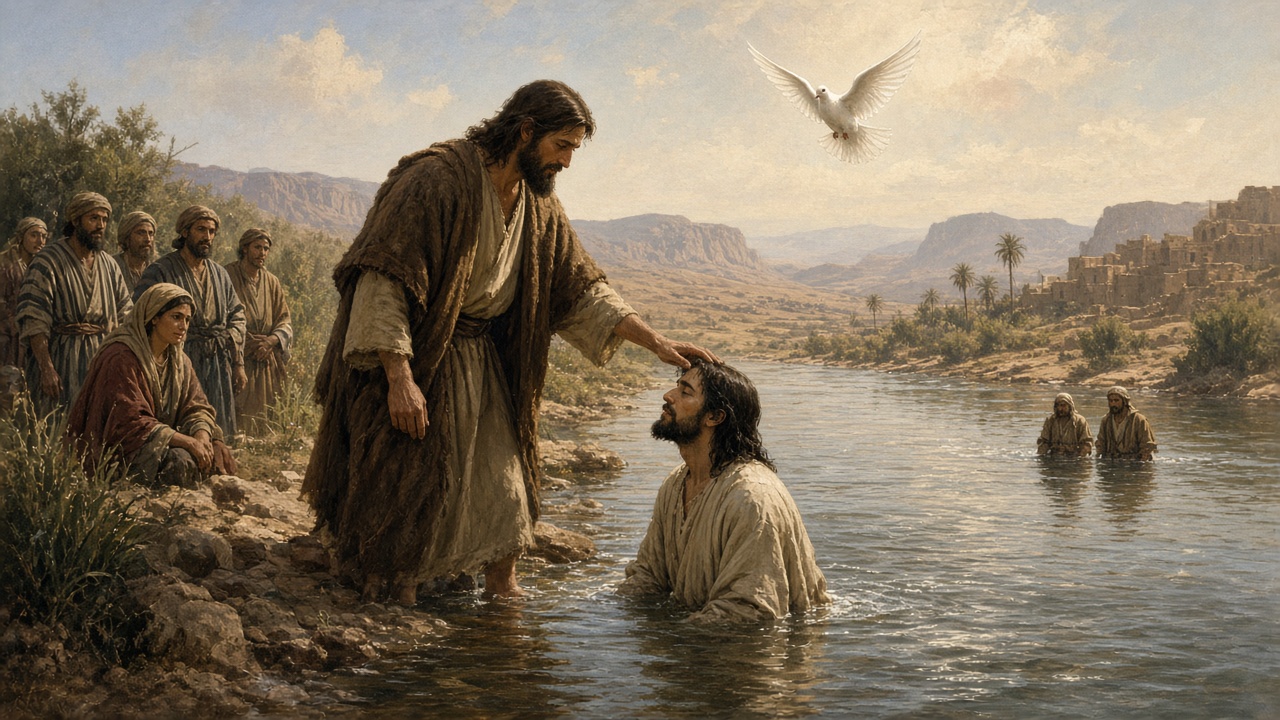
Na siquindëëꞌ Juan Jesús
21Ndoꞌ vi na jndë na siquindëëꞌ Juan jndye nnꞌan, mantyi jndëëꞌ Jesús sꞌaa jon, ndoꞌ juu xjen na itsinin Jesús nnon Tyoꞌtsꞌon, juu xjenꞌñeen jnaan quiñoonꞌndue. 22Ndoꞌ jndyocue Espíritu Santo nacjooꞌ jon chaꞌvijon quituꞌ, jndyoquintyjo jon nacjooꞌ Jesús. Ndoꞌ ticꞌuaa na sinin nquii Tyoꞌtsꞌon quiñoonꞌndue, itso jon:
—ꞌUꞌ condui tsansꞌa jnda na viꞌnchji jndyi ja ꞌuꞌ. Itsineiinꞌhanꞌ tsꞌön ntyja ꞌnanꞌ.
Tsjan na jndyocahanꞌ na tui Jesucristo
23Nquii Jesús jeꞌ, mꞌaan jon chaꞌna ntcyu nchoꞌnqui chuuꞌ jon xjen na taꞌ jon tsꞌian na tꞌua Tyoꞌtsꞌon nnon jon. Ntyja ꞌnaanꞌ na cotjiꞌ nnꞌan cüenta, jnda Joséhin. Ndoꞌ José jnda Elí juu. 24Ndoꞌ Elí jnda Matat, ndoꞌ Matat jnda Leví, ndoꞌ Leví jnda Melqui, ndoꞌ Melqui jnda Jana, ndoꞌ Jana jnda José, 25Ndoꞌ José jnda Matatías, ndoꞌ Matatías jnda Amós, ndoꞌ Amós jnda Nahúm, ndoꞌ Nahúm jnda Esli, ndoꞌ Esli jnda Nagai, 26Ndoꞌ Nagai jnda Maat, ndoꞌ Maat jnda Matatías, ndoꞌ Matatías jnda Semi, ndoꞌ Semi jnda Josec, ndoꞌ Josec jnda Judá, 27Ndoꞌ Judá jnda Joanán, ndoꞌ Joanán jnda Resa, ndoꞌ Resa jnda Zorobabel, ndoꞌ Zorobabel jnda Salatiel, ndoꞌ Salatiel jnda Neri, 28Ndoꞌ Neri jnda Melqui, ndoꞌ Melqui jnda Adi, ndoꞌ Adi jnda Cosam, ndoꞌ Cosam jnda Elmadam, ndoꞌ Elmadam jnda Er, 29Ndoꞌ Er jnda Jesús, ndoꞌ Jesús jnda Eliezer, ndoꞌ Eliezer jnda Jorim, ndoꞌ Jorim jnda Matat, 30Ndoꞌ Matat jnda Leví, ndoꞌ Leví jnda Simeón, ndoꞌ Simeón jnda Judá, ndoꞌ Judá jnda José, ndoꞌ José jnda Jonam, ndoꞌ Jonam jnda Eliaquim, 31Ndoꞌ Eliaquim jnda Melea, ndoꞌ Melea jnda Mena, ndoꞌ Mena jnda Matata, ndoꞌ Matata jnda Natán, 32Ndoꞌ Natán jnda David, ndoꞌ David jnda Isaí, ndoꞌ Isaí jnda Obed, ndoꞌ Obed jnda Booz, ndoꞌ Booz, jnda Sala, ndoꞌ Sala jnda Naasón, 33Ndoꞌ Naasón jnda Aminadab, ndoꞌ Aminadab jnda Admin, ndoꞌ Admin jnda Arni, ndoꞌ Arni jnda Esrom, ndoꞌ Esrom jnda Fares, ndoꞌ Fares jnda Judá, 34Ndoꞌ Judá jnda Jacob, ndoꞌ Jacob jnda Isaac, ndoꞌ Isaac jnda Abraham, ndoꞌ Abraham jnda Taré, ndoꞌ Taré jnda Nacor, 35Ndoꞌ Nacor jnda Serug, ndoꞌ Serug jnda Ragau, ndoꞌ Ragau jnda Peleg, ndoꞌ Peleg jnda Heber, ndoꞌ Heber jnda Sala, 36Ndoꞌ Sala jnda Cainán, ndoꞌ Cainán jnda Arfaxad, ndoꞌ Arfaxad jnda Sem, ndoꞌ Sem jnda Noé, ndoꞌ Noé jnda Lamec, 37Ndoꞌ Lamec jnda Matusalén, ndoꞌ Matusalén jnda Enoc, ndoꞌ Enoc jnda Jared, ndoꞌ Jared jnda Mahalaleel, ndoꞌ Mahalaleel jnda Cainán, 38Ndoꞌ Cainán jnda Enós, ndoꞌ Enós jnda Set, ndoꞌ Set jnda Adán, ndoꞌ Adán jnda Tyoꞌtsꞌon.
Did you know?
John the Baptist prepares the way
- Luke sets John's preaching in the fifteenth year of Tiberius Caesar, the stepson of Augustus, who succeeded him in A.D. 14 and died in A.D. 37. Easton's Bible Dictionary (1897) notes that John began his public ministry in that year, and that Pontius Pilate, the sixth Roman procurator of Judea from A.D. 26 to 36, kept his headquarters at Caesarea during a term that covered the ministries of John and Jesus. Herod Antipas, a son of Herod, was then tetrarch of Galilee.Sources: the Bible text itself · Tiberius · Pontius Pilate · Herod Antipas
- The chapter dates these events during the high priesthood of both Annas and Caiaphas. Easton's Bible Dictionary (1897) records that Annas was high priest from A.D. 7 to 14 and was deposed by the Roman procurator, and that Caiaphas, who had married Annas's daughter, was raised to that office in A.D. 25. The same entry suggests that the Jews may still have regarded Annas as the lawful high priest, since Mosaic law held the office for life, and that he probably served with Caiaphas as president of the Sanhedrin or as the high priest's deputy.Sources: the Bible text itself · Annas
- John, son of Zechariah, was of priestly descent: his father was a priest of the course of Abia, and his mother, Elizabeth, belonged to the daughters of Aaron. Easton's Bible Dictionary (1897) notes that his mission was the subject of prophecy, including Isaiah's voice crying in the wilderness, and that his birth came six months before the birth of Jesus. In this chapter he preaches a baptism of repentance throughout the region around the Jordan, and Herod the tetrarch later imprisons him after John rebukes him over Herodias.Sources: the Bible text itself · John the Baptist
Notes written with AI assistance from open sources (Theographic Bible Metadata, CC BY-SA 4.0; Easton’s Bible Dictionary, public domain) and reviewed before publishing.
Places in this chapter
- Abilene · 33.627, 36.106 · verse 1
- Galilee · 32.760, 35.527 · verses 1, 19
- Ituraea · 33.400, 35.850 · verse 1
- Judea · Today: Judea 1 · 31.777, 35.234 · verse 1
- Trachonitis · Today: Lajat · 32.969, 36.455 · verse 1
- Jordan · Today: Jordan River · 31.761, 35.558 · verse 3
Only places identified with high confidence are shown (90% or more according to the scholarly sources compiled by OpenBible). Period map: DARE (Digital Atlas of the Roman Empire), CC BY 4.0; modern map: © OpenStreetMap contributors; places: OpenBible.info (CC BY 4.0).
Credits and license for this translation
Jnʼoon xco na tquen tyoʼtsʼon
New Testament in Amuzgo, San Pedro Amuzgos (MX:azg:Amuzgo, San Pedro Amuzgos)
copyright © 1992 Wycliffe Bible Translators, Inc.
Language: Amuzgo, San Pedro Amuzgos
Translation by: Wycliffe Bible Translators, Inc.
Amuzgo, San Pedro Amuzgos [azg], Mexico
Copyright Information
© 1992, Wycliffe Bible Translators, Inc.
This translation text is made available to you under the
terms of the Creative Commons License: Attribution-Noncommercial-No Derivative Works.
( http://creativecommons.org/licenses/by-nc-nd/3.0/ )
In addition, you have permission to port the text to different file formats, as long as you
do not change any of the text or punctuation of the Bible.
You may share, copy, distribute, transmit, and extract portions
or quotations from this work, provided that you include the above copyright
information:
You must give Attribution to the work.
You do not sell this work for a profit.
You do not make any derivative works that change any of the actual words or punctuation of the Scriptures.
Permissions beyond the scope of this license may be
available if you contact
us with your request.
The New Testament
in Amuzgo, San Pedro Amuzgos
© 1992, Wycliffe Bible Translators, Inc.
This translation is made available to you under the terms of the
Creative Commons Attribution-Noncommercial-No Derivatives license 4.0.
You may share and redistribute this Bible translation or extracts from it in any format, provided that:
You include the above copyright and source information.
You do not sell this work for a profit.
You do not change any of the words or punctuation of the Scriptures.
Pictures included with Scriptures and other documents on this site are licensed just for use with those Scriptures and documents.
For other uses, please contact the respective copyright owners.
2024-03-19
Source: http://ebible.org/azgNT/ · eBible.org