Romans 5
Azərbaycan dilində Müqəddəs Kitab · Tap a verse to see its cross-references.
Allahla barışmaq
1Beləliklə, imanla saleh sayıldığımız üçün Rəbbimiz İsa Məsih vasitəsilə Allahla barışmış oluruq. 2Elə Məsihin vasitəsilə də daxilində qaldığımız lütfə imanla nail olduq və Allahın izzətinə ümid bağlamağımızla fəxr edirik. 3Yalnız bununla deyil, çəkdiyimiz əziyyətlərlə də fəxr edirik, çünki bilirik ki, əziyyətdən dözüm, 4dözümdən Allaha xoş gəlmə, Allaha xoş gəlmədən ümid yaranır. 5Ümidimiz də boşa çıxmır, çünki Allah məhəbbəti bizə verilən Müqəddəs Ruh vasitəsilə ürəklərimizə tökülüb.
6Biz hələ gücsüz ikən Məsih müəyyən zamanda allahsız adamların uğrunda öldü. 7Saleh bir adam uğrunda kiminsə ölməsi çətin işdir; bəlkə də yaxşı bir adam uğrunda kimsə ölməyə cəsarət edər. 8Lakin Allah bizə olan məhəbbətini bununla sübut edir ki, biz hələ günahkar ola-ola Məsih bizim uğrumuzda öldü. 9Beləcə Onun qanı ilə indi saleh sayıldığımıza görə Onun vasitəsilə də Allahın qəzəbindən mütləq xilas olacağıq. 10Əgər biz Allahın düşməni olduğumuz vaxt Onun Oğlunun ölməsi ilə Allahla barışdıqsa, barışdıqdan sonra Onun həyatı vasitəsilə daha qəti olaraq xilas olacağıq. 11Yalnız bununla deyil, Rəbbimiz İsa Məsih vasitəsilə Allahla da fəxr edirik ki, indi Onun vasitəsilə Allahla barışığa nail olmuşuq.
Adəm və Məsih
12Beləliklə, günah bir insan vasitəsilə, ölüm də günah vasitəsilə bu dünyaya gəldi. Beləcə ölüm bütün insanlara yayıldı, çünki hamı günah etdi. 13Qanundan əvvəl də dünyada günah var idi. Amma qanun olmayanda günah hesaba alınmır. 14Lakin Adəmdən Musaya qədər ölüm hamıya, hətta Adəmin əmri pozmasına bənzər bir günah etməyənlərə də hökmranlıq etdi. Adəm o gələcək İnsanın əvvəlcədən göstərilən təsviri idi.
15Amma Allahın ənamı təqsir kimi deyil. Çünki bir adamın təqsiri üzündən çox adam öldüsə də, Allahın lütfü və bir Adamın, yəni İsa Məsihin lütfü ilə verilən ənam bir çoxları üçün daha böyük təsir göstərdi. 16Allahın ənamı həmin bir adamın günahının nəticəsi kimi deyil: bir günahdan sonra gələn hökm məhkumluq gətirdi, amma çoxlu təqsirdən sonra gələn ənam salehlik gətirdi. 17Əgər bir adamın təqsiri üzündən ölüm həmin adamın vasitəsilə hökmranlıq etdisə, Allahın bol lütfünü və salehlik ənamını qəbul edənlər bir Adam, yəni İsa Məsih vasitəsilə daha qəti olaraq həyatda hökmranlıq edəcək.
18Deməli, necə ki bir təqsir üzündən bütün adamlar məhkum olundu, eləcə də bir saleh əmələ görə bütün adamlara yaşamaq üçün salehlik verildi. 19Necə ki bir adamın itaətsizliyi üzündən bir çoxları günahkar sayıldı, eləcə də bir Adamın itaəti sayəsində bir çoxları saleh sayılacaq. 20Qanunun meydana gəlməsi təqsirin çoxalmasına səbəb oldu. Lakin günah çoxalan yerdə Allahın lütfü daha da çoxaldı. 21Nəticədə günah ölüm vasitəsilə hökmranlıq etdiyi kimi lütf də salehlik vasitəsilə hökmranlıq edir; belə ki lütf Rəbbimiz İsa Məsihin vasitəsilə əbədi həyat versin.
Did you know?
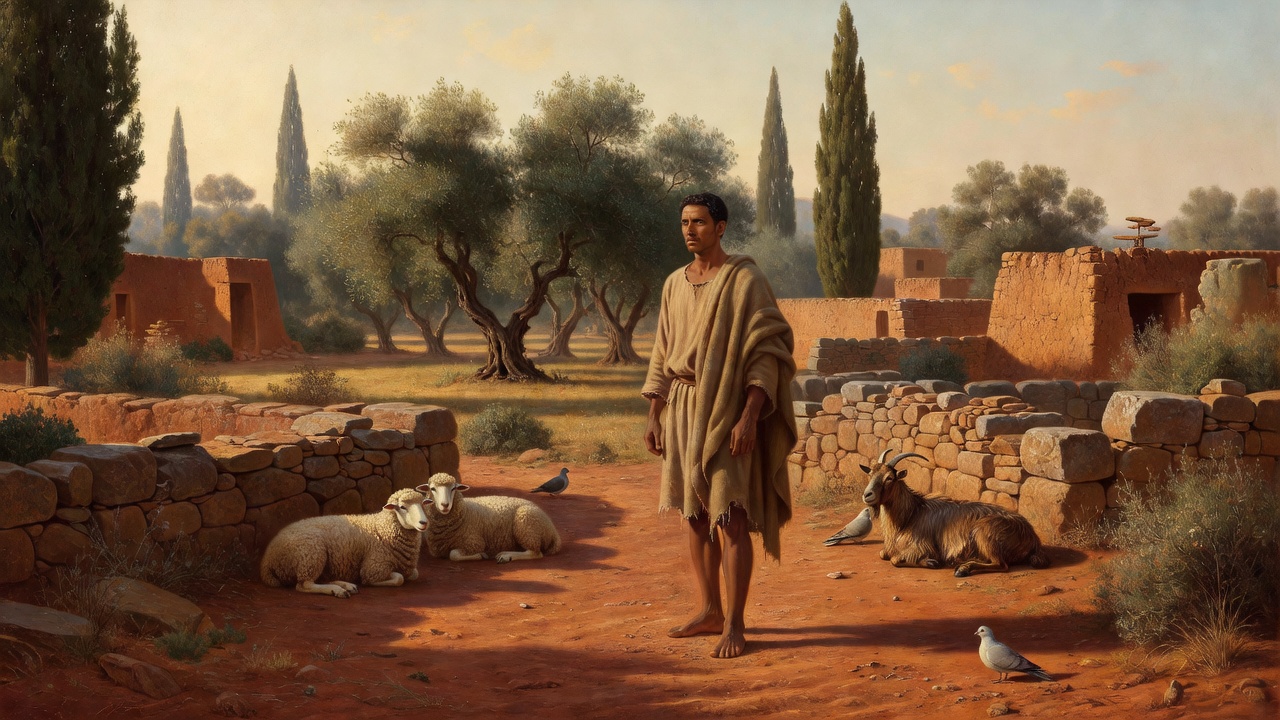
Adam, Christ, and the Reign of Grace
- The one man through whom Romans 5 says sin entered the world, and death through sin, is Adam. A reference note calls Adam a Babylonian word meaning red, the general name for a human being in Hebrew and Assyrian, and links it to his being formed from the dust of the earth. The account of his creation and fall is given in the first book of Moses.Sources: Adam · the Bible text itself
- Romans 5 says death reigned from Adam until Moses, even over those who did not sin in the way Adam transgressed. It adds that sin was already in the world before the law was given, yet sin is not taken into account when there is no law. Adam is called a pattern of the one who was to come.Sources: the Bible text itself
- The chapter sets that one trespass beside the gift that came by the grace of Jesus Christ. Judgment after a single sin brought condemnation, while the gift after many trespasses brought justification. The law, it says, came in so that the trespass would increase, yet where sin increased, grace increased all the more.Sources: the Bible text itself
Notes written with AI assistance from open sources (Theographic Bible Metadata, CC BY-SA 4.0; Easton’s Bible Dictionary, public domain) and reviewed before publishing.
Credits and license for this translation
Azərbaycan dilində Müqəddəs Kitab
The Holy Bible in the Azerbaijani language, also known as the Azeri language, of Azerbaijan, Iran, Iraq, Syria, and Turkey
Copyright © 2008 Müqəddəs Kitab Sirkəti
Language: Azeri (Azerbaijani, South)
Translation by: Institute for Bible Translation
Contributor: Bible Society of Azerbaijan
This translation text is made available to you under the
terms of the Creative Commons License: Attribution-Noncommercial-No Derivative Works.
( http://creativecommons.org/licenses/by-nc-nd/3.0/ )
In addition, you have permission to port the text to different file formats, as long as you
do not change any of the text or punctuation of the Bible.
You may share, copy, distribute, transmit, and extract portions
or quotations from this work, provided that you include the above copyright
information:
You must give Attribution to the work.
You do not sell this work for a profit.
You do not make any derivative works that change any of the actual words or punctuation of the Scriptures.
Permissions beyond the scope of this license may be
available if you contact
us with your request.
This translation is made available to you under the terms of the
Creative Commons Attribution-Noncommercial-No Derivatives license 4.0.
You may share and redistribute this Bible translation or extracts from it in any format, provided that:
You include the above copyright and source information.
You do not sell this work for a profit.
You do not change any of the words or punctuation of the Scriptures.
Pictures included with Scriptures and other documents on this site are licensed just for use with those Scriptures and documents.
For other uses, please contact the respective copyright owners.
2018-11-09
Source: http://ebible.org/azb/ · eBible.org