Psalms 32
Azərbaycan dilində Müqəddəs Kitab · Tap a verse to see its cross-references.
Məzmur 32
Davudun maskili.
1Üsyankarlığı bağışlanan,
Günahı əfv olunan insan
Nə bəxtiyardır!
2Rəbb tərəfindən təqsirkar sayılmayan,
Qəlbində hiylə olmayan insan
Nə bəxtiyardır!
3Etiraf etməyəndə
Bütün gün nalə çəkməkdən
Sümüklərim taqətdən düşdü.
4Əlin üzərimdə gecə-gündüz ağırlaşdı,
Sanki yayın quraqlığı məni taqətdən saldı. Sela
5Sonra Sənə günahımı etiraf etdim,
Təqsirlərimi gizlətmədim.
Dedim: «Üsyankarlığımı Rəbbə etiraf edirəm».
Təqsirimi, günahımı bağışladın. Sela
6Buna görə hər bir mömin
Səni tapan zaman Sənə dua etsin.
Azğın sellər daşsa da,
Möminə toxunmaz.
7Sığınacaq yerim Sənsən,
Məni dardan hifz edirsən.
Zəfər harayı ilə
Ətrafımda dövr edirsən. Sela
8Dedin: «Sənə təlim verəcəyəm,
Gedəcəyin yolu öyrədəcəyəm.
Nəsihət verəcəyəm,
Gözüm sənin üstündə olacaq.
9At yaxud qatır kimi
Şüursuz olmayın.
Cilov, yüyən vurulmasa,
Onlar idarə edilə bilməz».
10Pislərin başına çox bəla gələr,
Rəbbə güvənənlər isə hər tərəfdən məhəbbətə bürünər.
11Ey salehlər, fərəhlənin,
Rəbbə görə sevinin!
Ey ürəyidüz olanlar,
Onu mədh edin!
Did you know?
The Joy of Forgiveness and Guidance
- The psalm opens with the title designating it as a Maskil of David, a term traditionally associated with an instructional or contemplative song, reflecting on the contrast between the distress of hidden sin and the blessing of forgiveness.Sources: the Bible text itself
- The Hebrew term Selah appears three times in this psalm (verses 4, 5, and 7), commonly interpreted as a musical pause or a moment for reflection during the recitation of the text.Sources: the Bible text itself
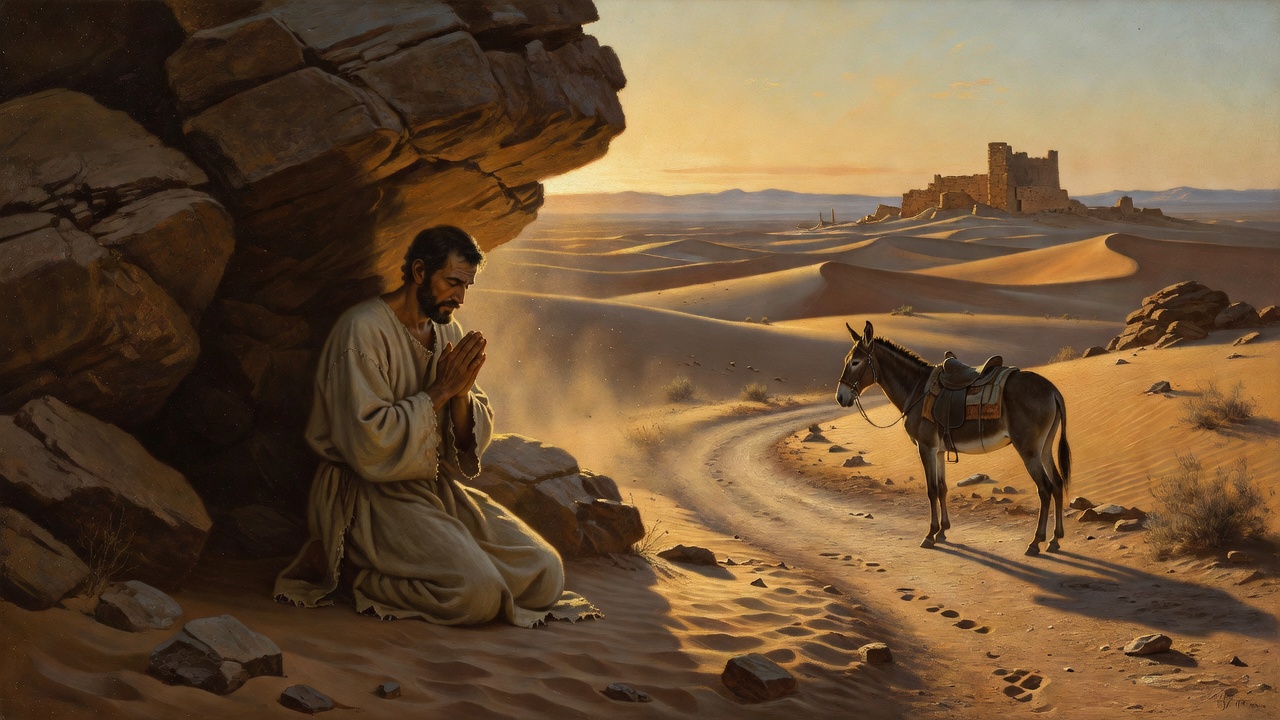
- The psalm uses the imagery of working animals, contrasting the willing follower of divine counsel with stubborn horses and mules that require a bit and bridle to be guided.Sources: the Bible text itself
Notes written with AI assistance from open sources (Theographic Bible Metadata, CC BY-SA 4.0; Easton’s Bible Dictionary, public domain) and reviewed before publishing.
Credits and license for this translation
Azərbaycan dilində Müqəddəs Kitab
The Holy Bible in the Azerbaijani language, also known as the Azeri language, of Azerbaijan, Iran, Iraq, Syria, and Turkey
Copyright © 2008 Müqəddəs Kitab Sirkəti
Language: Azeri (Azerbaijani, South)
Translation by: Institute for Bible Translation
Contributor: Bible Society of Azerbaijan
This translation text is made available to you under the
terms of the Creative Commons License: Attribution-Noncommercial-No Derivative Works.
( http://creativecommons.org/licenses/by-nc-nd/3.0/ )
In addition, you have permission to port the text to different file formats, as long as you
do not change any of the text or punctuation of the Bible.
You may share, copy, distribute, transmit, and extract portions
or quotations from this work, provided that you include the above copyright
information:
You must give Attribution to the work.
You do not sell this work for a profit.
You do not make any derivative works that change any of the actual words or punctuation of the Scriptures.
Permissions beyond the scope of this license may be
available if you contact
us with your request.
This translation is made available to you under the terms of the
Creative Commons Attribution-Noncommercial-No Derivatives license 4.0.
You may share and redistribute this Bible translation or extracts from it in any format, provided that:
You include the above copyright and source information.
You do not sell this work for a profit.
You do not change any of the words or punctuation of the Scriptures.
Pictures included with Scriptures and other documents on this site are licensed just for use with those Scriptures and documents.
For other uses, please contact the respective copyright owners.
2018-11-09
Source: http://ebible.org/azb/ · eBible.org