Psalms 148
Azərbaycan dilində Müqəddəs Kitab · Tap a verse to see its cross-references.
Məzmur 148
1Rəbbə həmd edin!
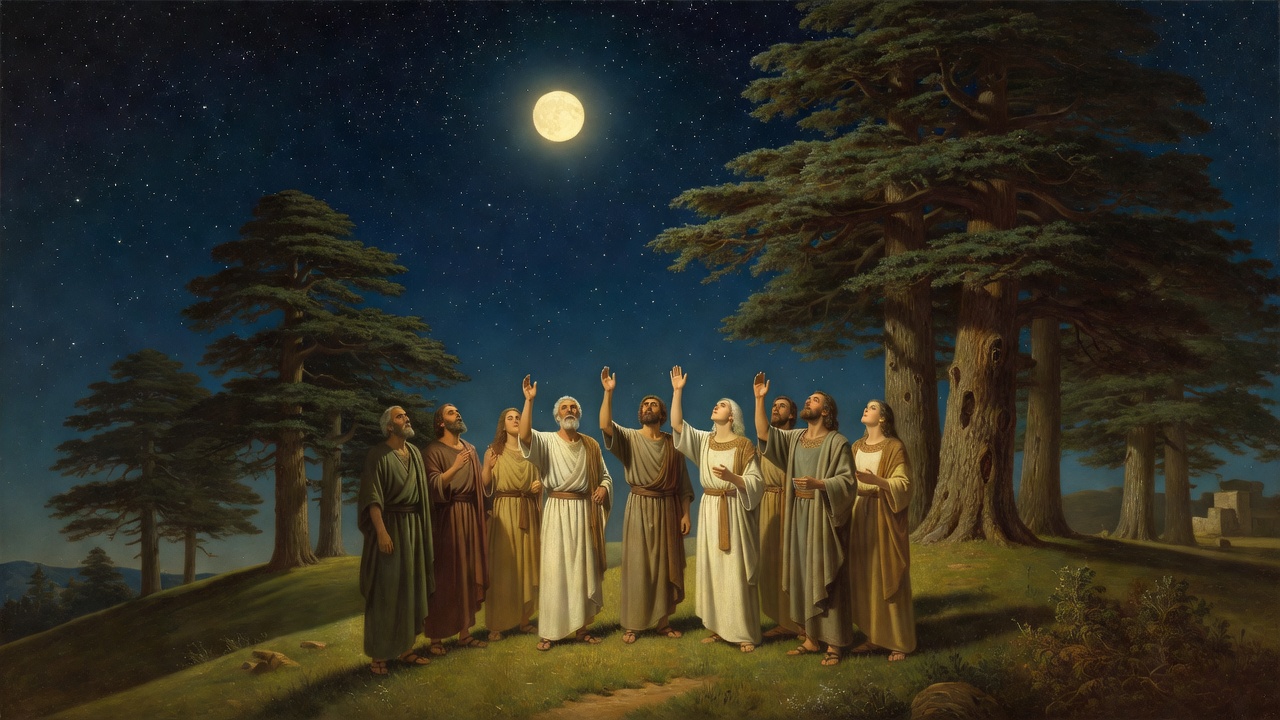
Göylərdən Rəbbə həmd edin,
Yüksəklərdən Ona həmd edin!
2Ey Onun bütün mələkləri, Ona həmd edin!
Ey Onun bütün orduları, Ona həmd edin!
3Ey günəş, ey ay, Ona həmd edin!
Ey parlayan bütün ulduzlar, Ona həmd edin!
4Ey göylərin ən uca qatları, Ona həmd edin!
Ey göy üzərindəki sular, Ona həmd edin!
5Rəbbin isminə həmd etsinlər!
Çünki Onun əmri ilə yaranıblar.
6Rəbb onları həmişəlik, əbədi olaraq yerinə qoyub,
Bunun üçün pozulmaz qayda qoyub.
7Rəbbə həmd edin, ey yer üzündəkilər,
Ey dəniz əjdahaları, ey bütün dərinliklər,
8Ey şimşək, dolu, qar, buludlar,
Ey Onun əmrinə tabe olan qasırğalar,
9Ey dağlar, bütün təpələr,
Ey bəhərli ağaclar, bütün sidr ağacları,
10Ey çöl və ev heyvanları,
Ey sürünənlər və uçan quşlar,
11Ey dünya padşahları və bütün ümmətlər,
Ey başçılar və dünyada olan bütün hakimlər,
12Ey gənc oğlanlar və qızlar,
Ey qocalar, cavanlar!
13Hamınız Rəbbin isminə həmd edin!
Çünki yalnız Onun ismi ucadır.
Əzəməti göylərin, yerin üstündədir,
14O, xalqına böyük qüvvət verib.
Buna görə Ona həmd etsin Onun bütün möminləri,
Əziz xalqı olan İsrail övladları!
Rəbbə həmd edin!
Did you know?
Universal Praise from Heaven and Earth
- Psalm 148 is organized as a comprehensive cosmic inventory, calling every level of creation to praise God. It begins in the heights of the heavens with angels, heavenly hosts, sun, moon, stars, and celestial waters, before moving downward to the earth.Sources: the Bible text itself
- The terrestrial section encompasses meteorology, landscapes, flora, wild and domestic animals, and all segments of human society, ranging from monarchs and princes to young men, maidens, and the elderly.Sources: the Bible text itself
- The hymn concludes its sweeping scope by focusing on God's covenant people, noting that He has raised up a horn for His saints, specifically describing Israel as a people near to Him.Sources: the Bible text itself · Jacob (Israel)
Notes written with AI assistance from open sources (Theographic Bible Metadata, CC BY-SA 4.0; Easton’s Bible Dictionary, public domain) and reviewed before publishing.
Credits and license for this translation
Azərbaycan dilində Müqəddəs Kitab
The Holy Bible in the Azerbaijani language, also known as the Azeri language, of Azerbaijan, Iran, Iraq, Syria, and Turkey
Copyright © 2008 Müqəddəs Kitab Sirkəti
Language: Azeri (Azerbaijani, South)
Translation by: Institute for Bible Translation
Contributor: Bible Society of Azerbaijan
This translation text is made available to you under the
terms of the Creative Commons License: Attribution-Noncommercial-No Derivative Works.
( http://creativecommons.org/licenses/by-nc-nd/3.0/ )
In addition, you have permission to port the text to different file formats, as long as you
do not change any of the text or punctuation of the Bible.
You may share, copy, distribute, transmit, and extract portions
or quotations from this work, provided that you include the above copyright
information:
You must give Attribution to the work.
You do not sell this work for a profit.
You do not make any derivative works that change any of the actual words or punctuation of the Scriptures.
Permissions beyond the scope of this license may be
available if you contact
us with your request.
This translation is made available to you under the terms of the
Creative Commons Attribution-Noncommercial-No Derivatives license 4.0.
You may share and redistribute this Bible translation or extracts from it in any format, provided that:
You include the above copyright and source information.
You do not sell this work for a profit.
You do not change any of the words or punctuation of the Scriptures.
Pictures included with Scriptures and other documents on this site are licensed just for use with those Scriptures and documents.
For other uses, please contact the respective copyright owners.
2018-11-09
Source: http://ebible.org/azb/ · eBible.org