Ecclesiastes 7
Azərbaycan dilində Müqəddəs Kitab · Tap a verse to see its cross-references.
Hikmət haqqında
1Yaxşı ad ətirli yağdan,
Ölüm günü isə doğum günündən yaxşıdır.
2Yas evinə getmək
Ziyafət evinə getməkdən yaxşıdır,
Çünki hər kəsin axırı ölümdür.
Gərək yaşayan hər adam
Bunu yadında saxlasın.
3Qüssə gülməkdən yaxşıdır,
Çünki üzün qəmgin olması
İnsan üçün daha yaxşıdır.
4Hikmətli adamın ürəyi yas evindədir,
Amma ağılsızın ürəyi şadlıq evində.
5Hikmətli adamın məzəmmətini eşitmək
Ağılsızın nəğməsini eşitməkdən yaxşıdır.
6Çünki ağılsız adamın gülməyi
Qazan altında yanan tikanlı kolun səsi kimidir.
Bu da puçdur.
7Haram gəlir hikmətli adamı ağılsıza çevirir,
Rüşvət isə ürəyi bərbad edir.
8Bir şeyin axırı əvvəlindən yaxşıdır,
Səbirli adam qürurludan yaxşıdır.
9Qəzəblənməyə tələsmə,
Çünki qəzəb ağılsızların
Ürəyində yuva salar.
10“Niyə keçən günlər bu gündən yaxşı idi?” demə,
Çünki verdiyin sual hikmətli sual deyil.
11Hikmət miras mal qədər yaxşıdır,
Dünyada yaşayan hər kəs üçün faydalıdır.
12Çünki pul necə insanın sipəridirsə,
Hikmət də eləcə insanın sipəridir.
Amma biliyin faydası bundan ibarətdir:
Hikmət ona sahib olana həyat verər.
13Allahın işinə diqqət et:
Onun əydiyini kim düzəldə bilər?
14Yaxşı gündə şad-xürrəm ol,
Pis gündə isə bunu anla:
Hər cür günü Allah təyin edib ki,
İnsan özündən sonra nə olacağını bilməsin.
15Puç ömrümdə bunları gördüm:
Saleh adam salehliyinə baxmayaraq, ölür,
Pis adamın isə pisliyinə baxmayaraq, ömrü uzanır.
16Həddən artıq saleh olma,
Həddən artıq müdrik olma.
Nə üçün özünü üzəsən?
17Həddən artıq pis olma,
Həddən artıq ağılsız olma.
Nə üçün əcəlin çatmamış öləsən?
18Bir şeydən yapışmağın yaxşıdır,
Amma o birindən də əlini çəkmə.
Çünki Allahdan qorxan adam
Hər ikisini tarazlayar.
19Hikmət ağıllı adama
Şəhərdə olan on hakimin hökmündən
Daha çox güc verər.
20Doğrudan da, yer üzündə elə saleh adam yoxdur ki,
Yalnız yaxşılıq edib heç bir günah etməsin.
21Adamların dediyi hər sözə məhəl qoyma,
Onda nökərinin səni söydüyünü eşitməzsən.
22Çünki sənin ürəyin də yaxşı bilir ki,
Sən də başqa adamları çox söymüsən.
23Bu deyilənlərin hamısını hikmətlə sınadım.
“Hikmətli olacağam” söylədim.
Amma buna qadir olmadım.
24Hikmət deyilən şey
Çox uzaqda, çox dərindədir.
Onu kim tapa bilər?
25Mən ürəyimdə niyyət etdim ki,
Hikməti və hər şeyin əsasını bilim,
Axtarıb araşdırım,
Bilim ki, pislik ağılsızlıqdır,
Ağılsızlıq isə dəlilikdir.
26Tələ quran qadını
Ölümdən acı gördüm.
Onun ürəyi tora,
Əlləri zəncirə bənzər.
Allahın razı qaldığı adam ondan qaçar,
Ancaq günahkar adam ona əsir olar».
27Vaiz deyir:
«Bax bunu öyrəndim:
Hər şeyin əsasını tapmaq üçün
Bir-bir araşdıran zaman
28Ürəyim hey axtarır, ancaq tapa bilmir.
Min kişinin içində bir yaxşısını tapdım,
Amma bu qədər qadının içində bir yaxşısını tapmadım.
29Ancaq bunu öyrəndim ki,
Allah insanları kamil yaratdı,
Onlar isə qarışıq fikirlərə düşdü.
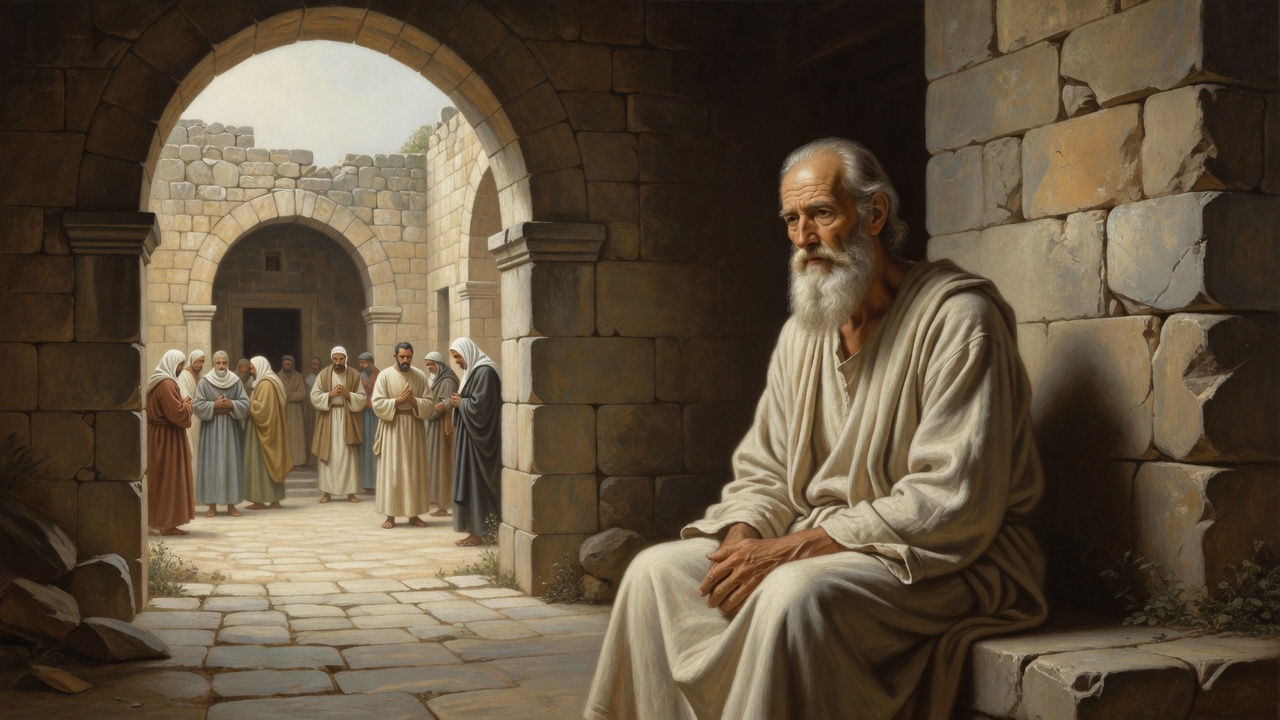
Did you know?
Wisdom, Mortality, and the Limits of Understanding
- Ecclesiastes 7 begins with a series of comparative proverbs arguing that moments of solemn reflection, such as visiting a house of mourning or facing sorrow, provide greater insight into life than superficial laughter and feast houses.Sources: the Bible text itself
- The Teacher reflects on the reality of human experience, noting that God has appointed both prosperous and adverse days so that humans cannot foresee their future, and that righteous people sometimes perish while the wicked live long.Sources: the Bible text itself
- The chapter highlights the universal limitation of human goodness, observing that there is no one on earth who does good and never sins, and concluding that while God created humanity upright, people pursue many complex schemes.Sources: the Bible text itself
Notes written with AI assistance from open sources (Theographic Bible Metadata, CC BY-SA 4.0; Easton’s Bible Dictionary, public domain) and reviewed before publishing.
Credits and license for this translation
Azərbaycan dilində Müqəddəs Kitab
The Holy Bible in the Azerbaijani language, also known as the Azeri language, of Azerbaijan, Iran, Iraq, Syria, and Turkey
Copyright © 2008 Müqəddəs Kitab Sirkəti
Language: Azeri (Azerbaijani, South)
Translation by: Institute for Bible Translation
Contributor: Bible Society of Azerbaijan
This translation text is made available to you under the
terms of the Creative Commons License: Attribution-Noncommercial-No Derivative Works.
( http://creativecommons.org/licenses/by-nc-nd/3.0/ )
In addition, you have permission to port the text to different file formats, as long as you
do not change any of the text or punctuation of the Bible.
You may share, copy, distribute, transmit, and extract portions
or quotations from this work, provided that you include the above copyright
information:
You must give Attribution to the work.
You do not sell this work for a profit.
You do not make any derivative works that change any of the actual words or punctuation of the Scriptures.
Permissions beyond the scope of this license may be
available if you contact
us with your request.
This translation is made available to you under the terms of the
Creative Commons Attribution-Noncommercial-No Derivatives license 4.0.
You may share and redistribute this Bible translation or extracts from it in any format, provided that:
You include the above copyright and source information.
You do not sell this work for a profit.
You do not change any of the words or punctuation of the Scriptures.
Pictures included with Scriptures and other documents on this site are licensed just for use with those Scriptures and documents.
For other uses, please contact the respective copyright owners.
2018-11-09
Source: http://ebible.org/azb/ · eBible.org