Deuteronomy 24
Azərbaycan dilində Müqəddəs Kitab · Tap a verse to see its cross-references.
1Kimsə bir qadını alıb, evlilik zamanı onda ləyaqətsiz bir şey tapdığı üçün qadını bəyənməzsə, talaq kağızı yazıb əlinə verərək evindən çıxararsa, 2evdən çıxmış qadın sonra başqa kişiyə ərə gedə bilər. 3O biri kişi də onu bəyənməzsə, ona talaq kağızı yazıb əlinə verərək evdən çıxararsa və yaxud onu alan kişi ölərsə, 4onu evdən çıxarmış əvvəlki əri onu təkrar özünə arvad edə bilməz, çünki qadını ləkələmişdir. Bu, Rəbbin hüzurunda iyrəncdir. Allahınız Rəbbin sizə irs olaraq verəcəyi ölkədə belə günaha yol verməyin.
5Təzə evlənən adam döyüşə getməsin. Ona heç bir iş tapşırmayın. Qoy bir il evində sərbəst qalıb aldığı arvadı sevindirsin.
6Dəyirmanı yaxud üst daşını kimsə girov götürməsin, çünki o adamın həyatını girov götürmüş olur.
7Əgər İsrail övladları arasında kimsə soydaşını oğurlayıb onunla kölə kimi rəftar edərsə yaxud onu satarsa, bu oğru öldürülməlidir. Beləliklə, aranızdan pisliyi atın.
8Cüzam xəstəliyinə tutulanda Levili kahinlərin əmr etdiyi kimi sizə öyrədəcəkləri hər şeyə əməl etməyə hədsiz diqqət göstərin. 9Misirdən çıxan zaman Allahınız Rəbbin yolda Məryəmə etdiyi hər şeyi xatırlayın.
10Qonşunuza bir şey borc verəndə girovu onun evinə girərək özünüz götürməyin. 11Bayırda dayanın, borc verdiyiniz adam qoy özü girovu bayıra çıxarsın. 12Əgər o adam kasıbdırsa, onun girovu sizdə ola-ola yatmayın. 13Girov götürdüyünüzün üst paltarını mütləq gün batanda geri qaytarın ki, o öz üst paltarında yatıb sizə xeyir-dua etsin və bu, Allahınız Rəbbin önündə sizin üçün salehlik sayılsın.
14Muzdla işləyəni, kasıb və möhtac bir İsrailli soydaşınızı yaxud şəhərlərinizdə yaşayan hər hansı bir qəribi istismar etməyin. 15Muzdunu hər gün gün batmazdan əvvəl verin, çünki kasıbdır, ümidini yalnız ona bağlayıb. Yoxsa sizdən Rəbbə fəryad edər və siz günahkar sayılarsınız.
16Oğula görə ata, ataya görə oğul öldürülməsin, hər kəs öz günahına görə öldürülsün.
17Qəribi və yetimi ədalətdən məhrum etməyin və dul qadının geyimini girov götürməyin. 18Misirdə kölə olan zaman Allahınız Rəbbin sizi oradan necə qurtardığını xatırlayın. Bunun üçün belə rəftar etməyi sizə əmr edirəm.
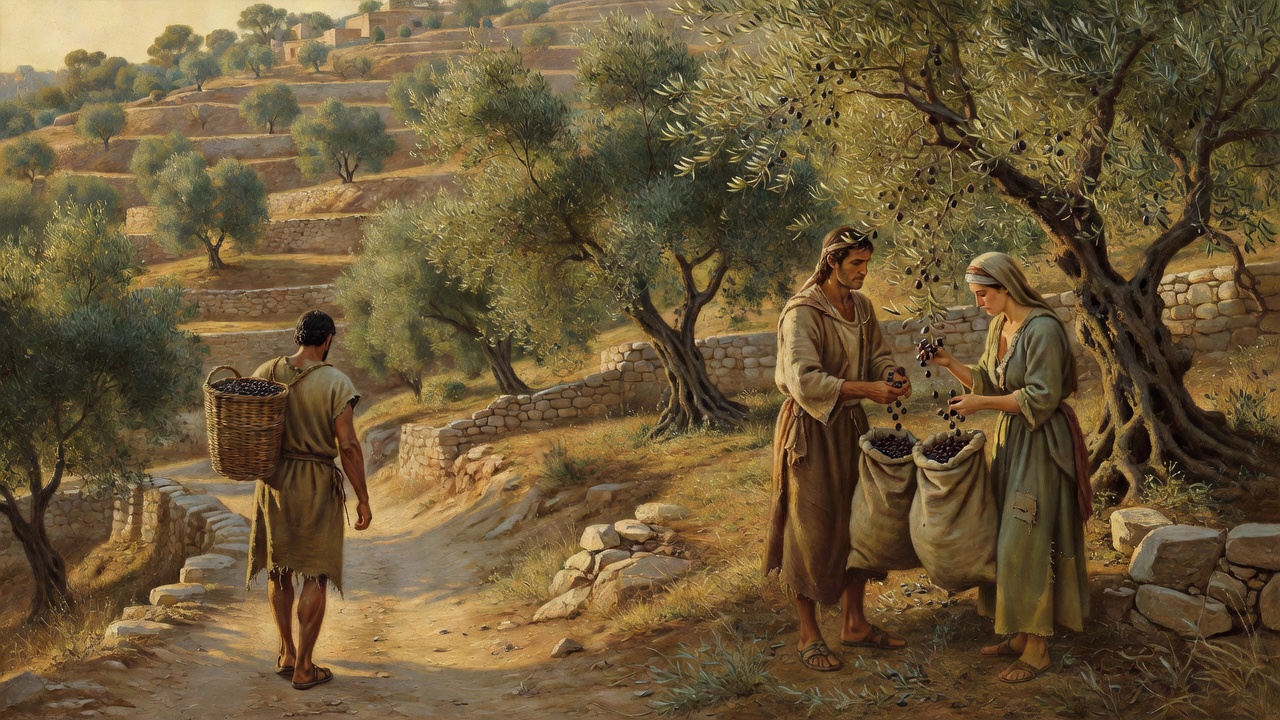
19Zəminizdə əkini biçən zaman bir dərz unutmusunuzsa, onu götürmək üçün geri qayıtmayın. Qoy o qəribin, yetimin və dul qadının olsun. Onda Allahınız Rəbb ələ götürdüyünüz hər işdə sizə bərəkət verəcək. 20Ağacları döyüb zeytun yığan zaman budaqlarda qalanı dənləmək üçün geri qayıtmayın. Qoy o, qəribin, yetimin və dul qadının olsun. 21Bağınızın üzümlərini yığan zaman tənəklərdə qalan məhsulu toplamaq üçün geri qayıtmayın. Qoy o, qəribin, yetimin və dul qadının olsun. 22Misir torpağında kölə olduğunuzu xatırlayın. Bunun üçün belə rəftar etməyi sizə əmr edirəm.
Did you know?
Laws of Compassion, Justice, and Social Protection
- Israelite harvesting laws required landowners to leave behind forgotten sheaves of grain, leftover olives, and grape gleanings for vulnerable groups: the resident foreigner, the orphan, and the widow. This social welfare system was grounded in the collective memory that the Israelites had once been oppressed slaves in Egypt.Sources: the Bible text itself · Egypt
- Debtors and hired workers were protected by explicit legal limits. Creditors were forbidden from entering a debtor's house to seize a pledge, taking essential millstones that provided a household's daily bread, or keeping an impoverished person's sleeping cloak past sunset, and day laborers had to be paid before nightfall.Sources: the Bible text itself
- When giving instructions concerning infectious skin diseases and the guidance of Levitical priests, the text points back to the affliction of Miriam, the sister of Moses and Aaron, during the wilderness journey following the Exodus from Egypt.Sources: the Bible text itself · Miriam · Egypt
Notes written with AI assistance from open sources (Theographic Bible Metadata, CC BY-SA 4.0; Easton’s Bible Dictionary, public domain) and reviewed before publishing.
Places in this chapter
Only places identified with high confidence are shown (90% or more according to the scholarly sources compiled by OpenBible). Period map: DARE (Digital Atlas of the Roman Empire), CC BY 4.0; modern map: © OpenStreetMap contributors; places: OpenBible.info (CC BY 4.0).
Credits and license for this translation
Azərbaycan dilində Müqəddəs Kitab
The Holy Bible in the Azerbaijani language, also known as the Azeri language, of Azerbaijan, Iran, Iraq, Syria, and Turkey
Copyright © 2008 Müqəddəs Kitab Sirkəti
Language: Azeri (Azerbaijani, South)
Translation by: Institute for Bible Translation
Contributor: Bible Society of Azerbaijan
This translation text is made available to you under the
terms of the Creative Commons License: Attribution-Noncommercial-No Derivative Works.
( http://creativecommons.org/licenses/by-nc-nd/3.0/ )
In addition, you have permission to port the text to different file formats, as long as you
do not change any of the text or punctuation of the Bible.
You may share, copy, distribute, transmit, and extract portions
or quotations from this work, provided that you include the above copyright
information:
You must give Attribution to the work.
You do not sell this work for a profit.
You do not make any derivative works that change any of the actual words or punctuation of the Scriptures.
Permissions beyond the scope of this license may be
available if you contact
us with your request.
This translation is made available to you under the terms of the
Creative Commons Attribution-Noncommercial-No Derivatives license 4.0.
You may share and redistribute this Bible translation or extracts from it in any format, provided that:
You include the above copyright and source information.
You do not sell this work for a profit.
You do not change any of the words or punctuation of the Scriptures.
Pictures included with Scriptures and other documents on this site are licensed just for use with those Scriptures and documents.
For other uses, please contact the respective copyright owners.
2018-11-09
Source: http://ebible.org/azb/ · eBible.org