Genesis 48
Awara Baibel · Tap a verse to see its cross-references.
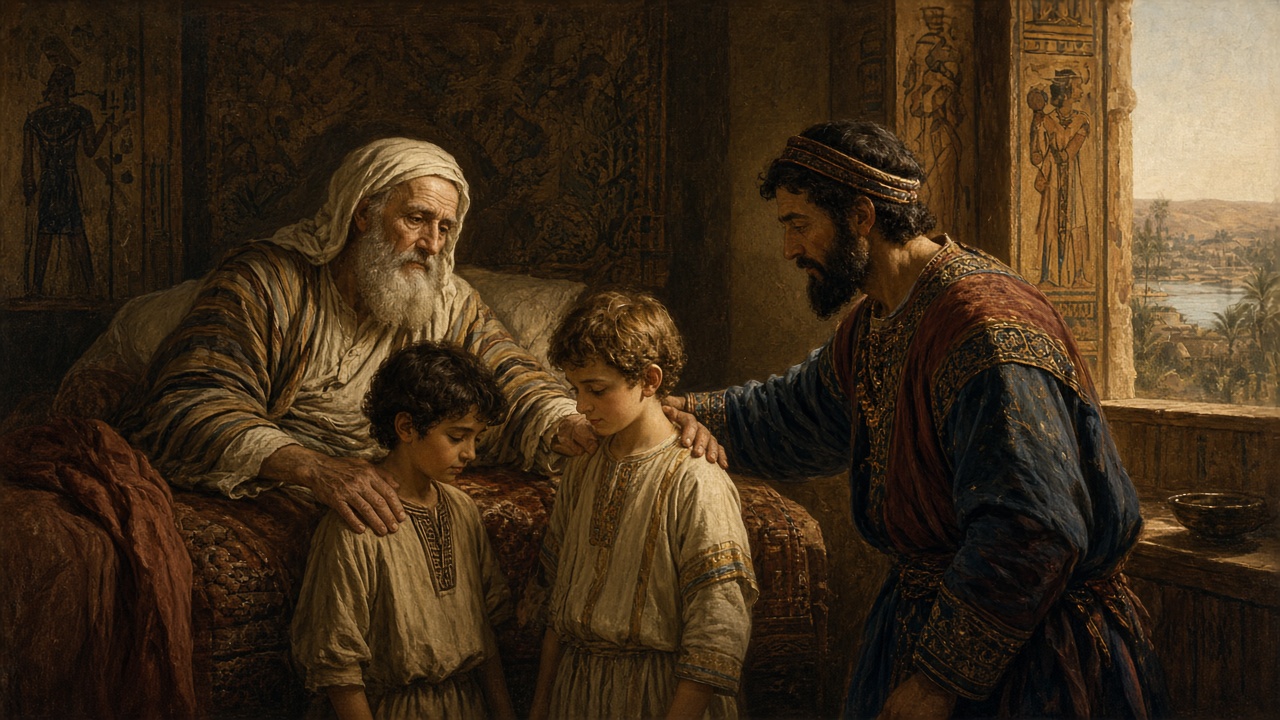
Jekopdä Epraimkät Manasexälu wam gwaläng yämikut
1Täpduxu womdu yiwihikangä, ämindä Josewu using inikin. “Nangga amalik,” yang iniwä, Josepdä wawakngä Manase Epraim yang yänipäke, nanäle kukut.
2Kuwän “Wawakga gäle aapuk,” yawä, Israelu awekulu, kwätän hikngä tahake, enake yiwikut.
3Tikengä Josewu using inikut. “Nä Kenankätanu taunu Lus unggäpangune yiwixäwa, Anätu Kitokngänä Käyä Täpätä apu, wam gwalängu using namikut. 4‘Nätä pahawa, gä engangu naxälä towimbi, meyä sakngälawik. Nätä pahawa, bapuka kantrinä inätä täke yiwitning. Tiwän kewu awomu, bapukale tupäkände äpme yämit,’ yang nanikut,” yang inikut, Josewun.
5Unetäkanu using inikut. “Nä ane gäle doapuxäwa, wawakga Isip alakumäläxu aläpäyalu nina wawak däkngakamäläk. Ruben Simeon yang towikum bimä, Epraim, Manase yangkäyä wawaknga däkgnakamäläk. 6Tiwän engangu Epraim, Manase yangge mehene towimbiläxu, gikale. Tiwän näle wawakgä kewu Kenan uwomune päningu, Epraim, Manase yangkäyä awähimäläk. Tike ulapnä ile mehene alatningu payänäle kewune yiwitning. 7Wamu u yänggalu, mingga Reselde natäke yänggat. Kewu Mesopotemia uwom teke, Kenan kewu uwomune taunu Epratde wäkngäsim kuxäwik, Reselu kumgut. Tiwän butayä hikngä natäke, Epratde kahit kwayimune kwayikum,” yang inikut. (Epralu, äpmanu Betlehem yang inikaying.)
8Tikengä Israeldä Josepde wawak dayike, “Aläpäyalu imin?” yang iniwän, 9Josepdä yäkwäle wamu using inikut. “Aläpäyalu wawaknga Anätutä ane Isip yiwixäwa namikulunin,” yang inikut.
Tiwän “Näle päkapso. Tiwän wam gwaläng yämit,” yang inikut.
10Israelu äminäläke tiwän, kayi kupilä tiwä, nomänu dondayipgut. Ge Josepdä wawakngä yänipäkapän, Israeldä bapunä päku betake, kis tahangyämikut. 11Betake Josewu using inikut. “Gäle nomu dombänggandupit yang natäxakum deyä, Anätutä pahawän, gikakänu donggandut. Tike wawakgaxät undä dandupa yiwimäng,” yang inikut.
12Tiwäna Josepdä wawakngä Israelde bälängäne wäkngäsim yiwikumäläxu yäniwän, kwayimune päku yiwixawät, Josepdä sopäsopä nanäle nomune puke, däme kepkätan täpu temgut.
13Josepde wawaxu uläpäyalu, yakap täpä Manase, tiwän ulapnä Epraim. Ge Josepdä Manase kätakngä dambunä hamändä täke, Epraimu kätakngä hiyänä hamändä täke, Israelde yänipäkapän, Manase Israelde hiyä käwut yiwän, Epraimu Israelde dambu käwut yiwikut. 14Tiwändeyä Israeldä kätakngä hiyä hamändä Epraimde kuhilune täke, kätakngä dambu hamändä Manasele kuhilune täkut. Manasetä gämäk alakut deyä, kätakngä hiyä hamändä doläkut.
15Tixäwik wam gwalängu using yämikut.
“Bapuna Abraham, nana Aisak yangu Anätule wam täwake, ile gepbine yiwikumäläk.
Anätu uläpätä yiwikyiwiknga yiwitäkapulu, iwikge nandung yiwik.
16Meyä näle apginu nä axumnangäsä teyä, itä ängela däkngake gatängamixawän yiwitäkaput.
Ge Anätu uläpätä wakwakdäkä aläpäyalu bänip kwikwixu äpme yämik.
Ämindä wawakdäkä aläpäyatde uman yakengu, nina, bapuna Abraham, äwä nana Aisak yangge dombulämdäning.
Tiwän wawakdäkä aläpäyalu engangu äpme towimbät, meyä sakngälawik, kewu anggomunen,” yang yakut, Jekopdän.
17Nanätä kätakngä hiyä hamändä Epraimde kuhit täpän kake, Josepdä “Uhamänu Manasele kuhit tänangäsä tahanggak?” yang natäke, nanäle kätaxu uhamänu Manasele kuhiläne täku tewikge täxäwik, 18using inikut. “Nan, usingundo. Yakawu aläpänin. Ge kätakga hiyä hamändä ile kuhit täyo,” yang inikut.
19Tiwänä Jekopdä usingu dolahawikge natäke, using inikut. “Wawaknga, anatät. Ixäyä bapunä äpme meyä sakngälake, kantri inätä täke yiwitning. Tiwän umanä käyä tiwik. Tiwändeyä ulapnäle umanu bulämbam hikngä äpme tiwän, payänäle umanu yapmimbik. Tiwänä ulapnäle bapunä meyä sakngälake, kantrinä inäinä päke yiwitning,” yang inikut.
20Tikengä täpduxu unggwenune Jekopdä wam gwalängu using yämikut.
“Mahande Israel nanätä äminu wam gwaläng yäminingge natäkengu, gitde natäpä apän, using yänining.
‘Anätutä gwälam hikngä tupä Epraim, Manase yangge pahakut usingu, gälexäyä usinggän pahayok,’ yang yänining,” yang yänikut, Jekopdän.
Wamu u yakulu, ulapnä Epraimde umanu yakapde yiwän, payänä Manasele umanu mahande yiwikut.
21Tiwänä Israeldä Josewu using inikut. “Nä axumnanggenggat. Tiwändeyä Anätu ginkälu äpme yiwixäwik, bapuhäle kewune hipdu danipäke kuwik. 22Sekem nanäle kewu nomän hikngä. Tupä kwälemna, gwäwäyäna yang päke, Amor nanäxät amäke, kewu uwom täkumu notdale doyämit, tike gäle gaminggat,” yang inikut.
Did you know?
Adoption and Blessing of Ephraim and Manasseh
- Jacob reckons Joseph’s two sons, born to him in Egypt, as his own, on a level with Reuben and Simeon, Leah’s sons. Children born to Joseph after them were to remain Joseph’s, and were to be called by their brothers’ names in the territory they inherited.Sources: the Bible text itself · Manasseh (son of Joseph) · Reuben · Simeon
- Manasseh was the elder son and Ephraim the younger, born in Egypt. The name Ephraim means double fruitfulness, because God had made him fruitful in the land of his affliction. Though Israel could hardly see for age, he crossed his hands, laid his right hand on Ephraim, and insisted that the younger brother would be greater.Sources: the Bible text itself · Ephraim · Manasseh (son of Joseph)
- Jacob recalls that God Almighty appeared to him at Luz in the land of Canaan and blessed him there. Luz was the ancient name of a royal Canaanite city near Bethel, where Jacob halted and received a prophetic vision. He also remembers Rachel, Joseph’s mother, who died to his sorrow on the way back from Paddan—a name found only in this verse, for Padan-aram—and whom he buried beside the road to Ephrath, that is, Bethlehem.Sources: the Bible text itself · Luz · Paddan · Rachel
Notes written with AI assistance from open sources (Theographic Bible Metadata, CC BY-SA 4.0; Easton’s Bible Dictionary, public domain) and reviewed before publishing.
Places in this chapter
- Canaan · 32.767, 35.333 · verses 3, 4, 7, 21
- Luz · Today: Beitin · 31.923, 35.241 · verse 3
- Egypt · 30.129, 31.308 · verses 5, 9
- Bethlehem · 31.704, 35.208 · verse 7
- Ephrath · Today: Bethlehem · 31.704, 35.208 · verse 7
Only places identified with high confidence are shown (90% or more according to the scholarly sources compiled by OpenBible). Period map: DARE (Digital Atlas of the Roman Empire), CC BY 4.0; modern map: © OpenStreetMap contributors; places: OpenBible.info (CC BY 4.0).
Credits and license for this translation
Awara Baibel
Genesis, Ruth, and Jonah in the Awara Language of Papua New Guinea
Buk Stat, Rut, na Jona long tokples Awara long Niugini
copyright © 2011 Wycliffe Bible Translators, Inc.
Language: Awara
Translation by: Wycliffe Bible Translators
This translation is made available to you under the terms of the
Creative Commons Attribution-Noncommercial-No Derivatives license 4.0.
You may share and redistribute this Bible translation or extracts from it in any format, provided that:
You include the above copyright and source information.
You do not sell this work for a profit.
You do not change any of the words or punctuation of the Scriptures.
Pictures included with Scriptures and other documents on this site are licensed just for use with those Scriptures and documents.
For other uses, please contact the respective copyright owners.
2025-04-26
Source: http://png.bible/awx/ · eBible.org