Genesis 28
Awara Baibel · Tap a verse to see its cross-references.
1Tiwänä Aisakgä Jekowu yatäwämbän apän, wam gwaläng imike, mämä wamu using inikut. “Mängälä Kenan nanä mahikngä tayo. 2Tike Mesopotemia minggale nanä Betuelde yolune kunggayo. Ku okga Labande yäpa täpätu mängätdale tayo. 3Anätu Kitokngänä Käyä Täpätä bänip kwikwik gamän, engangga naxälä towimbi, sakngälake, kantrinä inätä täke yiwitnong. 4Anätutä wam gwalängu Abrahamde imikulu, gä bapuka yangge damän, äminde kewu awom yiwixaläxu, gihäle täning. Kewu awomu Anätutä Abrahamde imikut. Ge unin täning,” yang inikut. 5Inikengä Aisakgä Jekowu Labankät yiwisimäläkge Mesopotemia iningyäpiwän kukut. Labanu Aram nanä tiwän Betuelde wawak, tiwän Jekop, Iso yangge okngä.
Isotä mängätnä täpätu hipdu täkut
6Jekowu kuxawänä, Iso using inikin. “Nansätä Jekowu wam gwaläng imike, mängätnä Mesopotemia nanä täpätu täpikge iniwän kuk. Tiwän wam gwaläng imixäwik, mämä wamu ‘Mängälä Kenan nanä malayo,’ yang inik. 7Tiwän Jekowu mingänanäle wam gwälamike, Mesopotemia axuk,” yang inikin, Ison.
8Unin iniwä Isotä “Nanu mängälä Kenan nanäle mähe hikngä natäxakngä tinggak” yang natäpgut. 9Tikengä Isotä ku, Abrahamde wawaxu Ismaelde yäpa Mahalatkäyä, mängätnäle täkut. Mahalalu Nebaiotde hamin.
Jekopdä dambu tike, ängela dayipgut
10Aisakgä Jekowu Mesopotemia kuwikge iniwän, Jekowu Berseba teke, Haran kuwikge kukut. 11Kuhika, kewu womdune kundoke, gusilu awukukutde, une pewikge yiwikut. Tikengä petnä pewikge, huwu uwomune nanä gwendu täke, uwänenatnäle kuhiläne teke pekut. 12Peke dambu tike kaxawänu, bäläng yayixu kewunetä gäkngälunekänu kwämbätdune, Anätule ängelatä epuxäwik kopä kakut.
13Tixawän Yawetä enetängä yiwike, using yakut. “Nä Yawe. Nä bapuka Abraham, nangga Aisak yangge Anätu. Nätä kewu awekgaläxu awomu, gikaxät bapukaxätde äpme damit. 14Bapuka naxälä hikngä haluhalu bimä tining. Tixäwik uhike, gusitdä akonggak käwut, gusitdä pukunggak käwut, not käwut, äwä saut käwut yang päku yiwitning. Gäxät bapuxätde tiwän, yotyolu kewune nanä undä bänip kwikwik päning. 15Natäpso. Nä gäxät yiwike, sawomuneka kuwiläxu, anggandung yiwit. Tikengä kewu awomune gä hipdu täkapit. Gä donggäpmakuwit. Tike hiyäkän wamu ängganit usingu äpme pahawit,” yang inikut.
16Tiwänä Jekowu petnä pekulu enake, using natäpgut. “Hiyäkände, Yawe ane yiwixak. Tiwändeya nä usingbä yangu donatät,” yake, 17anaxälake, “Kewu awomu inätä hikngä. Awomu Anätule yot, gäkngätde yämä hikngä,” yakut.
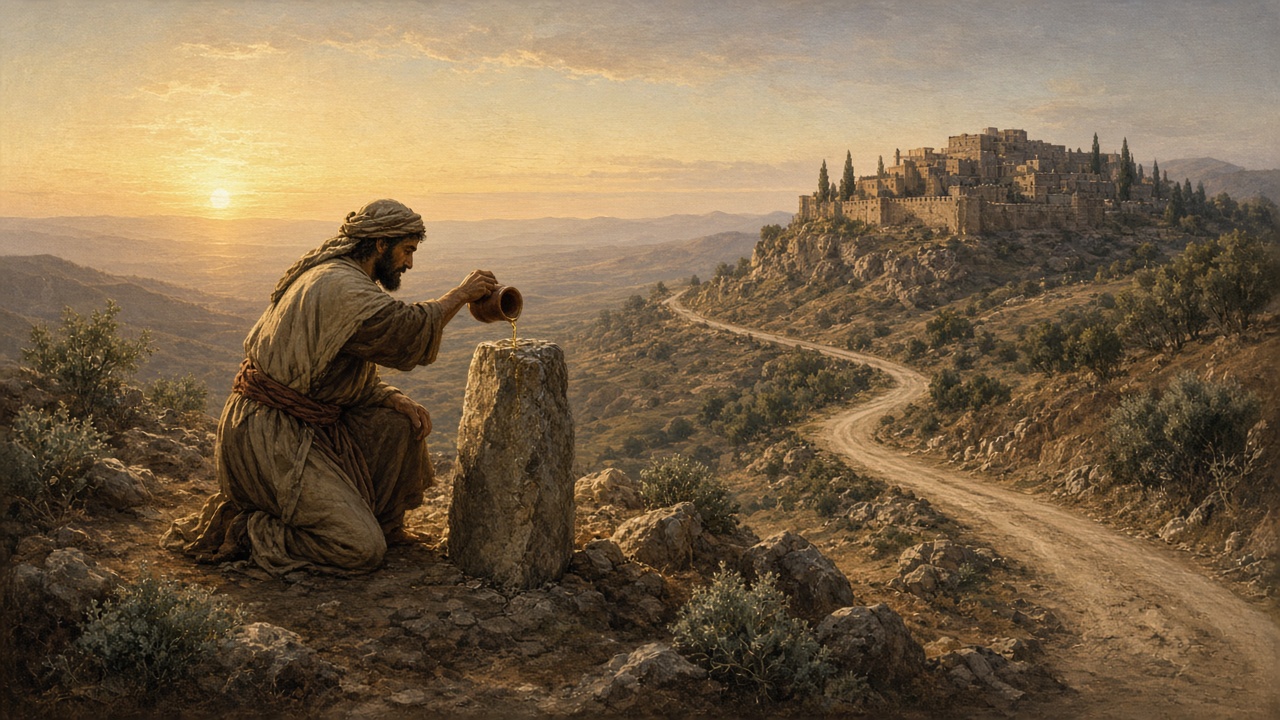
18Kwepdätä gwäsi hikngä, huwu kupiläne uwänenatnäle kuhiläne tekut gwenu täke, mahande kaxäwik natäpningge däm täpän enawän, olip yanggätä huwu unggwenu pingyapmikut. 19Tikengä kewu uwomu umanä Betel yang inikut. Tupä taunu ile wäkngäsim yiwixaxu unggäpangu Lus yang inikakin.
20Tikengä Jekopdä Anätule umande hiyäkän wamu using inikut. “Anätu, gä näxät yiwike, kahilu belakngä aläpä kuwilu, nandung yiwike, naxu änäpitde äwä täwixu äwahawitde yang namixawi, 21nä meyä dowäke, nanale yolune hipdu apitnä kakengu, Yawe, Anätunale gätä yiwiläk. 22Tiwän huwu däm tängenake texalu anggwenu yotdale yiwik. Tiwän hängäläpä gätä namiläxu, nätä upuke 9-u ninale pexäwik, 1-u gäle gamit,” yang yakut.
Did you know?
Jacob's Journey and Dream at Bethel
- Isaac sent Jacob from Beersheba to Paddan-aram to take a wife from the daughters of Laban, his mother Rebekah's brother, rather than from the Canaanite women. Paddan-aram, called the plain of Aram, is commonly regarded as the Mesopotamian district around Haran, where Laban lived; Haran, also called the city of Nahor, was where Abraham stayed after leaving Ur until his father Terah died.Sources: the Bible text itself · Paddan-aram · Haran · Laban
- The place where Jacob dreamed, set up as a pillar the stone he had put under his head, and poured oil on it was the royal Canaanite city of Luz; he renamed it Bethel. Easton's Bible Dictionary (1897) locates Bethel in central Palestine, about ten miles north of Jerusalem, and notes that the name was at first apparently given to a sanctuary in the neighborhood of Luz, and was not given to the city itself until after the tribe of Ephraim conquered it.Sources: the Bible text itself · Luz · Bethel (of Palestine)
- When Esau learned that Isaac had blessed Jacob and ordered him not to marry a Canaanite woman, he went to Ishmael and married Mahalath, sister of Nebaioth and daughter of Abraham's son Ishmael, in addition to the wives he already had. Easton's Bible Dictionary (1897) also calls her Bashemath and notes that Esau's three wives receive different names in the Edomite genealogy of Genesis 36 from those given in the narrative of Genesis 26 and 28.Sources: the Bible text itself · Bashemath
Notes written with AI assistance from open sources (Theographic Bible Metadata, CC BY-SA 4.0; Easton’s Bible Dictionary, public domain) and reviewed before publishing.
Places in this chapter
- Canaan · 32.767, 35.333 · verses 1, 6, 8
- Haran · Today: Harran · 36.864, 39.033 · verse 10
- Luz · Today: Beitin · 31.923, 35.241 · verse 19
Only places identified with high confidence are shown (90% or more according to the scholarly sources compiled by OpenBible). Period map: DARE (Digital Atlas of the Roman Empire), CC BY 4.0; modern map: © OpenStreetMap contributors; places: OpenBible.info (CC BY 4.0).
Credits and license for this translation
Awara Baibel
Genesis, Ruth, and Jonah in the Awara Language of Papua New Guinea
Buk Stat, Rut, na Jona long tokples Awara long Niugini
copyright © 2011 Wycliffe Bible Translators, Inc.
Language: Awara
Translation by: Wycliffe Bible Translators
This translation is made available to you under the terms of the
Creative Commons Attribution-Noncommercial-No Derivatives license 4.0.
You may share and redistribute this Bible translation or extracts from it in any format, provided that:
You include the above copyright and source information.
You do not sell this work for a profit.
You do not change any of the words or punctuation of the Scriptures.
Pictures included with Scriptures and other documents on this site are licensed just for use with those Scriptures and documents.
For other uses, please contact the respective copyright owners.
2025-04-26
Source: http://png.bible/awx/ · eBible.org