Galatians 2
Manikáne O Ehwehne · Tap a verse to see its cross-references.
Sísa tagaríáh kéráq wahnahno kereq Porareq monseráh íwíáhu ehwéhne.
1Áhnte opéq 14 opéq parabaguraitaq Sarúsarama suwahpeq mó kirauge. Ínéreq Páhnábásareqka Táítása meqmeta móátáráúye. 2Ínéreq mibeqté Sísa tagaríáh kéráq wahnahno kereqka momiwíuraunaraq wahnahno ke sebataq ehweh teríátáuge. Nahnso ke teri terinurau ehwéh teríátáuge. Manikánka mi iwíáh aintena, Kirerio aintáráirana kireríátáuge. Ínéga áhwára áhwára arámbéhríoneho éna sega néne ehweh iwíáhue tagariageheéna nahnso ke teri terinurau ehwéh teríátáuge.
3Íné sénítái aní wenáwíq Táításawe íre Asiu anínéna peh Káríki marákórápéqté áníne. Mibeqté kégá, Táításane áú amurúrúáhro ue íre pagu pagunurowe. 4Mó kegá ahboeraneheéra séra itensabé, Ite moq Sísa tagariona anímárí múne éra péhenurowe.
Itega Sísa Karáhéne sansá sehgiráúnayabé Mósísine ehwehnka ite íre saiqnariaraire. Mi ehwéhnká ite moq saiqnariankeheéra ahboeréhra kegá ite tagéra Táításane áú amurúrúáhro éra pagu pagunurowe. 5Ite nahnso kegá aiq pútaq sansá kawerue miraigeheéq itega sensabé págegeue ahqáho arítáráúnara sega wene áú íre amurú auwahráhurowe.
6Manikánka wahnah kereq mó kereqsabé peh morá íwíáhi puana mibeqté wahnah keyábé íre áhtenurauge. Mi wahnáh kégá ínéga nahnso ke teri terinurau ehwéh irera o ehwéh íre teníátówe. 7Sega néne ehweh irera iwíáhéra, Manikánka Pítansabé, Asiu ke kaweq ehwéh koreri terinúno atáráinserah wega ínénsabe, Nahnso ke koreri terinúno aintáráire íwíáhurowe. 8Manikánka Píta omaq atena Asiu kebá eqmarena págegeue séhréh atéhnserah wega íné omaq intena nahnso kebá eqmaq nuwena págegeue séhréh aintéhre.
9Manikánka mi arámbéhríráq intonsabe mibeqté kéné wahnahmarí sensíwíq Pítareh Sémísireh Sónirehga ahtebéra ínéreq Páhnábásareq mehweh aitárówe. Sereq itereq morá íwíáhéq, Ínéreq Páhnábásareq nahnso kebá arambehri kéhrara se Asiu kebá arambehri kéhre íwíáhuraune. 10Sega peh morá éhwéh teiera, Tabonah keyábé ahreraq matawéq se nárie sansa síwáhnorotao aitárówe. Íné nárie sansa aiq sokigi aritena mókakeakáq mirainie teríátáuge.
Poraga Pítane ahbabáq pahsuo ehwehne.
11Pítaga Ántíóka suwahpeq míarairana ehweh atáráuge. Wega miraurai sansámé íre kaweq sansáne. 12Pítaga Ántíóka suwahpeq téh suraitaq Sísa tagaríáh náhnsó kéreq moráráq táhutahururaire. Sémísiga eqmaq súátái Asíú kégá mitaq surowana Pítaga suro keyábé áhreéna nahnso kebá moráráq íre táhutahururaire. Suro Asíú kégá mahra íwíáhéra, Nahnso kegá Sísansabé aiq pútare atehrara sene síú amurúrúáhro íwíáhurowe. Mira íwíáhuronsabé abiahnsa atéhoéna Pítaga áhreéna nahnso kebá mónkakáq moráráq íre táhutahururaire.
13Pítaga mi ahbábáq sánsá miraurainsabé mó Asiu kegá moq mina tahnsa urowe. Sene ahbabáq Páhnábása insoq atárówe. 14Sega aiq pútaq ehwéh íre tábúsoqme sehgirowana tagéna ómi míarotaq Pítansabé wene ahbabáqsabe ehweh atáráuge. Ínéga wensabé, Are Asiu anínéwé téh suronaraq Asiu kené sánsá íre sehgira peh nahnso kené sánsá mirarurone. Minayabe amahnága árahinsabé nahnso keyábé, Asiu kené sánsá sehgíóro eno urauge.
Sísansabé aiq pútare atéh ánímé Manikánka kaweqtaq míahne atéh éhwéhne.
15Iteinoibo Asiu ke míáh púara ite maqitónsabe ite moq Asiu ke méq ahbabáq nahnsó ké íre míone. Írakaumo. 16Manikánka Mósísine ehweh sehgí ánínsábé, Mi ehwéh kawerue sehgiona puah kaweqtaq míahne atehro? Írakaumo. Ite aiq iahtebónawe peh morá Sísa Karáhénsabe aiq pútare atéh ánínsábé, Kaweqtaq míahne atéhre. Minayabe Manikánka, Kaweqtaq míáhwe aitankeheéq Sísa Karáhénsabe aiq pútare atone. Mó morá áh íre kéhre. Írakaumo. Peh morá Sísa Karáhénsabe aiq pútare atonayabé Manikánka, Kaweqtaq míáhwe aitéhre. Mósísine ehweh sehgí ánínká moke mi ehwéh íre sehgioráhire. Írakaumo. Minayabe Manikánka wensabé, Kaweqtaq míahne íre atéhre.
17Itega Sísa Karáhénsabe aiq pútare aitárótaq Manikánka, Kaweqtaq míáhwe aitáráiraq anehemé nahnso kegá ahbabáronserah Sísa Karáhéga ahbabáq áhwárehro? Írakaumo. 18Íné saiqnaríéh sánsá súáhnaraq anehe mi sansá mó sehgiónaraqmé ahbabáq ani úkorahuge. 19Íné pusa ání tahnsa míógana Mósísine ehwehnka íné íre saiqnaríéhre. Íre sehgioráhunka pusa ání tahnsa úkurauge. Manikánka, Oga míahno aintankeheéna pusa ání tahnsa úkurauge.
Sísa Karáhéga oganúq intowe. Awankátaq táhpawe putiotaq íné moq wereq moráráq pukowana 20oganúq intowe. Oganúq intowana amahnága íné nuwahbeh iwíáh íre mirauge. Írakaumo. Sísa Karáhéga nirupipeq mía míai puana we awahbeh iwíáh sehgíúge. Manikáne ahninkáwágá ínénsabe arutaboiréna néne ahbabáqsabe pukú púana wensabé aiq pútare atena we awahbeh iwíáh sehgíúge. 21Mósísine ehweh sehgíó kéyábé, Kaweqtaq míáhwe arítéhtáq tahirímé Sísa Karáhé pehipi pukú irino. Manikánka ínénsabe arutaboiraintéh púana inehepeq íre súóge.
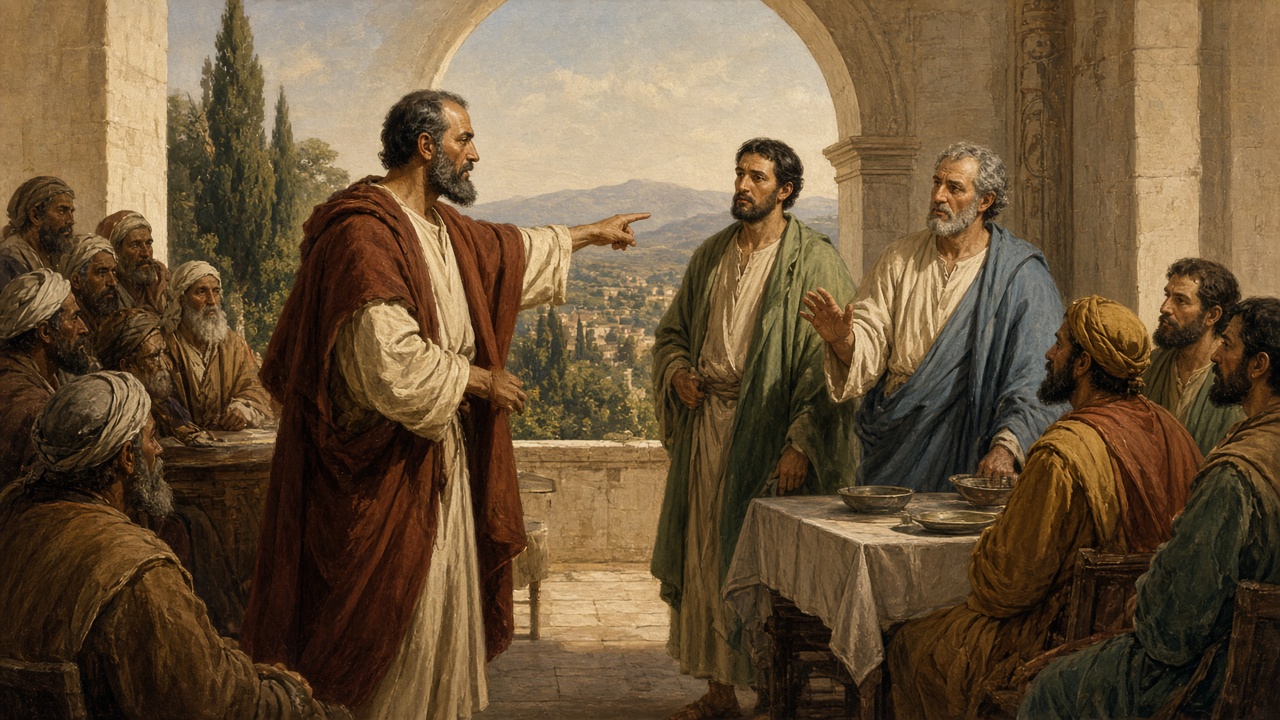
Did you know?
Gentiles, Fellowship, and a Clash at Antioch
- Titus went with Paul and Barnabas to Jerusalem. Easton's Bible Dictionary (1897) says he appears to have been a Gentile and that his name never appears in Acts. Paul writes that Titus, though a Greek, was not compelled to be circumcised.Sources: Titus · the Bible text itself
- The later clash took place at Antioch in Syria, on the Orontes, some three hundred miles north of Jerusalem. The city ranked third among the cities of the Roman Empire, after Rome and Alexandria, and it was there that believers were first called Christians.Sources: Antioch (Syria) · the Bible text itself
- Easton's Bible Dictionary (1897) describes James, named with Cephas and John as one of the pillars, as head of the church at Jerusalem, where he presided at the council on the Gentiles. Paul says that before certain men came from James, Cephas used to eat with the Gentiles, but then drew back for fear of the circumcision group.Sources: James (Brother of Jesus) · the Bible text itself
Notes written with AI assistance from open sources (Theographic Bible Metadata, CC BY-SA 4.0; Easton’s Bible Dictionary, public domain) and reviewed before publishing.
Places in this chapter
- Jerusalem · 31.777, 35.234 · verse 1
- Antioch · Today: Antioch on the Orontes · 36.227, 36.172 · verse 11
Only places identified with high confidence are shown (90% or more according to the scholarly sources compiled by OpenBible). Period map: DARE (Digital Atlas of the Roman Empire), CC BY 4.0; modern map: © OpenStreetMap contributors; places: OpenBible.info (CC BY 4.0).
Credits and license for this translation
Manikáne O Ehwehne
God's New Talk: The New Testament in the Awa Language of Papua New Guinea
Nupela Testamen long tokples Awa long Niugini
copyright © 1974, 1997 Wycliffe Bible Translators, Inc.
℗ Faith Comes by Hearing
Language: Awa
Translation by: Wycliffe Bible Translators
This translation is made available to you under the terms of the
Creative Commons Attribution-Noncommercial-No Derivatives license 4.0.
You may share and redistribute this Bible translation or extracts from it in any format, provided that:
You include the above copyright and source information.
You do not sell this work for a profit.
You do not change any of the words or punctuation of the Scriptures.
Pictures included with Scriptures and other documents on this site are licensed just for use with those Scriptures and documents.
For other uses, please contact the respective copyright owners.
2013-12-11
Source: http://png.bible/awb/ · eBible.org