Ephesians 5
Manikáne O Ehwehne · Tap a verse to see its cross-references.
Wensabé wensabé irutaboiréq we séhréh atéhoro i ehwéhne.
1Ite Manikáne arutaboiri anímárí míonayabé we awahbeh sansá sehgíóro. 2Naho Asiu kegá Maniká titiratówana kaweq kunkúni naneq mire éna kawerowe aritowe. Sega titiratówana Manikánka, Kawerowe aritonserah Sísa Karáhé ite kaweraitanieéna pukúwana Manikánka wensabé, kaweróne atowe. Sísaga pukútaq itensabé anotahtaq arutaboirúnserah itewe moq wensabé wensabé irutaboiréq we séhréh atéhoro.
3Itewe Manikáne animárí míáh púaq ahbabáq sansa miraome íre ábérehre. Mó aníné weh ahre abariéwé, íre kaweq sansámé, mó aníné ménsámehnsánsabe aigárá pabekime pehragahro. Ite Manikáne animárí míáh púaq minawarinsábé íre ehwehnoro. 4Ehbome, múguwahgu ehwéhmé, ogie ehwéhmé pehragahro. Minawari íre ábéreh sansáne. Írakaumo. Moke ahbabáq pehragéq peh Manikánsabe kaweróne ateq wensabé iwíáh íwíáh atáhro.
5Ménsámehnsánsabe arutaboiri anímé owainawansabé titiratéh ání tahnsane. Minayabe ménsámehnsánsabe arutaboiro kewé, mó aníné weh ahre abario kewé, íre kaweq sansá mira aruqaruro kewé Sísa Karáhéreq Maniká Iteriboreqka wahnah wahnahnóyarabeq íre kioráhowe. Minayabe ahtebahro.
Peh téhrehrabeqte kaweq sansánoro i ehwéhne.
6Manikánka mi sansáno ke íre kamah arinkéhe eme péhe éhwéhnowe. Sene múguwahgu ehwéhnsábé aiq pútare arítéhboq kawerurero. Manikánka mi ahbábáq sánsáno ke, wene ehweh íre sehgiro ke anotahtaq kamah arinkéhe. 7Minayabe mi ahbábáq sánsáno kereq íre míáhro. Sene ahbabáq insoqitéhboq sereq íre míáhro.
8Menah itewe mi ahbábáro ke tahnsanéq sunkíkírirabeq míarowe. Amahnága itene Wahnahne animárí míáh púaq téhrehrabeq míáhwe. Ite téhrehrabeq míáh púaq sunkíkírirabeqte sánsá pehragéq peh morá téhrehrabeqte káwéq sánsánoro. 9Téhrehrabeqte sánsá sehgiro kegá kaweq sansánéra tábúsoqme arámbéhríéra aiq pútaq ehwéh irarewe. 10Itene Wahnah awahbeh sansá ahtebéq sehgíóro.
11Sunkíkírirabeqte áhbábáq sánsáno kereq íre méq peh sene ahbabáq pahsúáhro. Sene ahbabáq sansanká kaweq naneq íre áhwárahrahire. 12Sega kopípéq mirao sansámé niyehiteh sansá púana minayabe móme íre irarinie.
13Téhrehnka moke sansá áwahe sokigi ainieéna ábóraq marahráhire. 14Téhrehnka moke sansá áwahe ábórararuahna puana mó íre kopéq suahráhire. Minayabe Manikáne ehwehnka mahraréna,
Sugahna aníno, irigúno. Pusa ké míáhrabeqte iriwe míahno. Iriwe míéhrataqmé Sísa Karáhéga téhrehme kaweq sansámé sokigi ainkéhe ire. (Aisaia 26.19)
Píah nahnsabé múguwahgu agéra ahbabáq aitahráhi sansáne i ehwéhne.
15Itega sehgíó sánsá kawerue auráq matíáhro. Múguwahgu kegá onserahniyehboq peh ahtebia ké tahnsanue míáhro. 16Mah tanáhráq pehipi sotaikínehboq ahriahri Manikáne arambehri miraoro. Mah tanáhráq íre kaweq tanáhráq púaq kawerue arambehrioro. 17Múguwahgu sansániyehboq itene Wahnah awahbeh sansá ahtebéq sehgíóro.
18Píah nahnsabé múguwahgu iyeho. Ahqáho. Mi sansánká ahbabáq aitahráhire. Manikáne Awanka itene sánsá moke wahnahninkehboq teaweq, Nirupipeq mía míaé auráq íntáríahno teawéro.
19Itereq mó Sísa tagaríáh kéreq moráráq méq itene Wahnahnsabé iwíáh íwíáh atanéhboq Sísansabé iwíáh íwíáh igónkónoro. Moke Púkuipéqté ígónkómé momiwíorabeqte ígónkómé Manikáne Awanka iwíáh aitárái igónkómé wensabé iwíáh íwíáhoro. Itene irupipeq eyoyóue igonkónéq itene Wahnahnsabé iwíáh íwíáhoro. 20Ahriahri Maniká Iteribonsabé moke mó naneqsabé, Kaweróne atáhro. Itene Wahnah Sísa Karáhé áwírue kaweróne atáhro.
Ahrerono, iteruwehqsone ehweh kawerue sehgíóro i ehwéhne.
21Itega Sísa Karáhénsabe irutaboiréq áhteno puaq morání moránínue Sísa tagaríáh kéné ehweh ireq sehgíóro. 22Ahrerono, Sísa itene Wahnahne ehweh kawerue sehgiónserah iteruwehqsone ehweh moq kawerue sehgíóro.
23Sísa Karáhéga we tagaríáh kéráq wahnahninserah awehkawagá wene ahreraq wahnahninkehe. Sísa Karáhéga ite kaweraitéhnsábé ite we tagariona ke wene anonka tahnsá úkue míone. 24Minayabe ite Sísa tagariona kegá wene ehweh kawerue sehgiunanserah ahreronká iteruwehqsone ehweh kawerue sehgíóro.
Weho, itene ahreronsábé irutaboiroro i ehwéhne.
25Sísa Karáhéga ite we tagariona ke arutaboiraitena ite kaweraitanieéna pukúwe. Weho, Sísaga itensabé arutaboirinserah itene ahreronsábé moq irutaboiroro. 26Sísaga ite kaweraitanieéna pukúwaq wene kaweq ehwéh írátáúnaga kaweqtaq méq wání meraune. Mirauraunayabé amahnága kaweqtaq míahrahúne. 27Ite we tagariona ke íre ahbabária peh kaweqtaq mía míaigeheéna Sísaga ite kaweraitanieéna pukúwe.
28Wehga wene anonka arutaboiréna kawerue wahnahninserah wene ahreyabé moq arutaboirue wahnahninkehe. Wene ahreyabé arutaboiri wehgá wewensabé moq arutaboirire. 29Wehukenínká wewene anonkansabé, Nuwahriehre íwíáh íre iwíáhire. Wewene anonkansabé arutaboiréna kawerue wahnahnéna táhutahurire. Ite Sísa tagariona ke wene animárí púana wega ite kawerue wahnahnaitéhre. 30Ite Sísa Karáhéne anonka tahnsá púana wega wahnahnaitéhre. 31Minayabe Manikáne ehwehnka mahraréna,
Wehga wenanoibone nahtapeq suena wene ahrereq mía míainkehe. Se morá ání tahnsanue míagehe ire. (Stat 2.24)
32Mi ehwéhnká íre peh morá weh ahreyabé irarire. Mi ehwéhnká Sísa Karáhéreq we tagariona kereqsabé moq irarire. 33Weho, morá ání tahnsanue míagehe irarinsabé arerene anonkansabé arutaboiré kawerue wahnahnónanserah arene ahreyabé moq arutaboirúno. Ahrega wenawehqne ehweh kaweruwe irena wensabé iwíáh íwíáhinkehe.
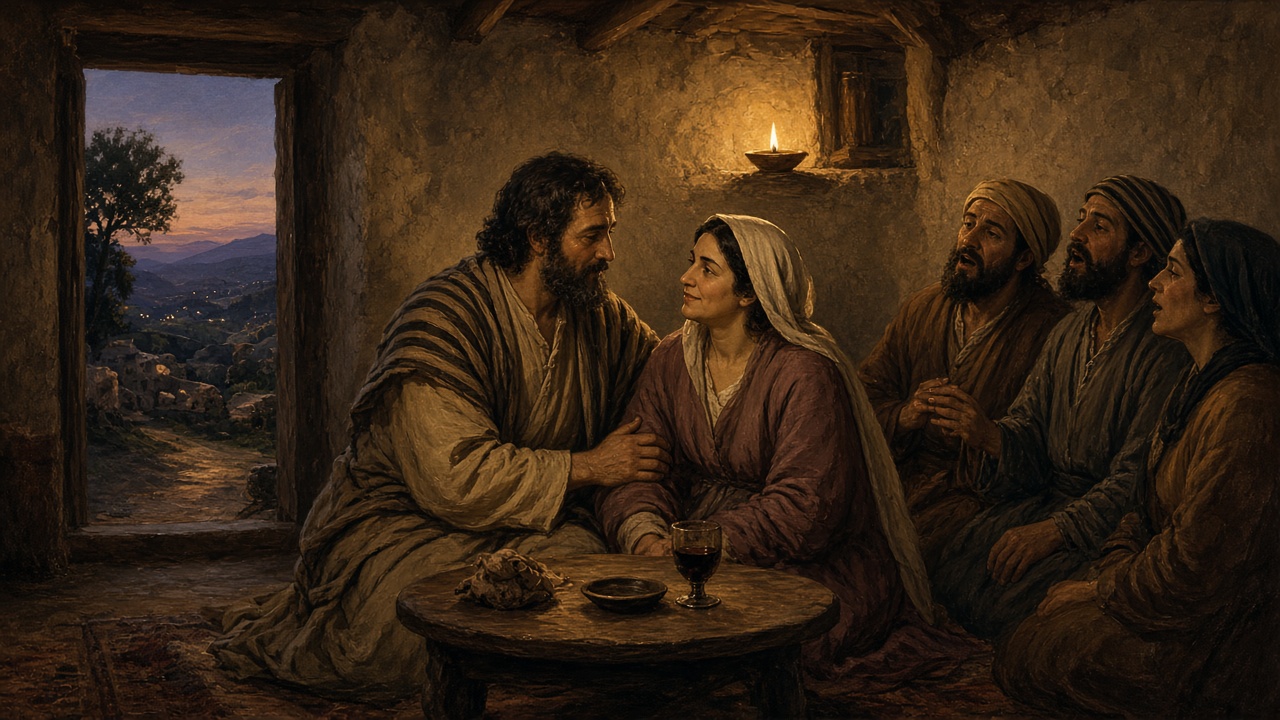
Did you know?
Love, light, and the household
- Ephesians 5 opens by calling readers to imitate God as beloved children and to walk in love, just as Christ loved them and gave himself up for them as a fragrant sacrificial offering to God.Sources: the Bible text itself
- The chapter says its readers were once darkness but are now light in the Lord, and that the fruit of the light is all goodness, righteousness, and truth. It also cites a saying that calls the sleeper to wake and rise from the dead, promising that Christ will shine on that person.Sources: the Bible text itself
- A call to submit to one another out of reverence for Christ introduces the instructions for wives and husbands. Husbands are told to love their wives as Christ loved the church and gave himself up for her, and the chapter calls the union of husband and wife a profound mystery concerning Christ and the church.Sources: the Bible text itself
Notes written with AI assistance from open sources (Theographic Bible Metadata, CC BY-SA 4.0; Easton’s Bible Dictionary, public domain) and reviewed before publishing.
Credits and license for this translation
Manikáne O Ehwehne
God's New Talk: The New Testament in the Awa Language of Papua New Guinea
Nupela Testamen long tokples Awa long Niugini
copyright © 1974, 1997 Wycliffe Bible Translators, Inc.
℗ Faith Comes by Hearing
Language: Awa
Translation by: Wycliffe Bible Translators
This translation is made available to you under the terms of the
Creative Commons Attribution-Noncommercial-No Derivatives license 4.0.
You may share and redistribute this Bible translation or extracts from it in any format, provided that:
You include the above copyright and source information.
You do not sell this work for a profit.
You do not change any of the words or punctuation of the Scriptures.
Pictures included with Scriptures and other documents on this site are licensed just for use with those Scriptures and documents.
For other uses, please contact the respective copyright owners.
2013-12-11
Source: http://png.bible/awb/ · eBible.org