Colossians 3
Manikáne O Ehwehne · Tap a verse to see its cross-references.
Sísareq moraráq irigowana ehwéhne.
1Ite Sísa Karáhéba mía míaonsabé Manikánka we iriwe oganúq atotaq ite moq iriwe oganúq itowe. Minayabe Sísa Karáhé míéhrabeqte sánsánsábé irutaboiroro. We íópeq Manikáne ayah púpeq tútuue ména wahnah wahnahnire. 2Mah marákóípéqté sánsánsábé iwíáhéq irutaboiriyehboq peh Sísa míéhrabeqte sánsánsábé iwíáh íwíáhue irutaboiroro.
3Sísa pukútaq ite moq wereq pukéq amahnága wereq Maniká Iteriboreq kopípéq moráráq míáhwe. Minayabe Sísa míéhrabeqte sánsánsábé iwíáh íwíáhue irutaboiroro. 4Sísa Karáhéwé itene ogamé áwahe wíre. Wega kaweq tehreh naneqkakáq tuinagake itega moq wereq tuigéhe.
Ite o ke úkurauna ehwéhne.
5Minayabe itene irupipeqté áhbábárorahi iwíáh súáhro. Mó aníné ahre ahrari weh mahbi abarié iwíáhwé, íre kaweq iwíáhwé, ahbabáq sansa sehgie iwíáhwé, mó aníné ménsámehnsánsabe aigárá pabeki iwíáhwé súáhro. Mó aníné ménsámehnsánsabe aigárá pabekime, minawé péhepehe manikánsábé iwíáh íwíáh atáh sánsáne. 6Mina tahnsa ahbabáronsabé Manikánka anotah abíáhnsá aritena kamah arinawire. 7Menah iteitega mina tahnsa áhbábáq mira aruqarururowe.
8Amahnágawé mina tahnsa áhbábáq sánsá moke súáhro. Taonsahwé, abiahnsa atewé, mó aní ahbabáq atewé, mó anínsábé péhepehe ehwéh atewé, ehbome, mina tahnsa áhbábáq sánsá moke súáhro. 9Itene irupipeqté áhbábáq íwíáhwé, ahbabáq sansamé airaiq súáhnsábé wensabé wensabé péhe éhwéh teawíiyeho. 10Itega o ke úkurowe. Manikánka ite kaweq iwíáh aitowaq itega we tahnsá kaweq ke mía míaigehe.
11Sísane sánsá mirao kewé peh morá ké tahnsane. Káríki kewé, Asiu kewé, síú amurúrúáh kéwé, síú íre amurúrúáh kéwé, mó ehwéhnkákáq irare kewé, mó sansá mirao kewé, mó kené arambehriraq saiqnaríáh kéwé, arambehriyabé ápeq meyáh kéwé, moke mina tahnsa ké Sísane ehweh sehgíówe. Sísa Karáhéga moke mina tahnsa kéné sirupipeq mía míaire. Sega wereq mía míaonsabé sene sirupipeq mía míaire.
Moke mó keyábé irutaboiré sansa sehgíóro i ehwéhne.
12Manikánka itensabé arutaboiréna wene kaweq anímárí míageheéna omaq itáráire. Minayabe teínserah sansánue míáhro. Mó keyábé irutaboirue séhréh arítáhro. Ite iuwahbeh naneq iwíáh sueq mó keyábé siru ukisiteq uwaresa ánímárí míáhro.
13Mó kegá íre kaweraitéhrataqmé peh uwaresa ké míáhro. Itene Wahnahnka itene ahbabáqsabe íre iwíáhue ahreraq matíéhre. Mina inserah itebaqté ánínká are ahbabáratahnaraq wene ahbabáqsabe íre iwíáhue ahreraq matiahno. Mó keyábé irutaboiro sansánká moke mó kawéq sánsámárí kiotaikire. 14Moke mó keyábé irutaboiroro. Mah sansánká moke mó sansá kiotaikéna moke mó sansá págege atena séhréh atéhre.
15Sísa Karáhéga itene iru ukiq itena peh morá íwíáh aitáráire. Minayabe ite iru ukiqme míáhro. Iru ukiqme méq peh morá ké tahnsa míageheéna omaq itáráire. Minayabe ite iru ukiqme mía míaoro. Manikánsabe ahriahri iwíáh íwíáhue kaweróne átáhro. 16Sísa Karáhéne ehweh itene irupipeq ambubu atawéq iwíáhue tagahro. Ite morání moránínue Sísane sánsá ahtebagehboq we kawerue teawíéq síwáhnororo. Ite igonkónirataq itene irupipeq Manikánsabe iwíáh íwíáhoro. Buk Songipéqté ígónkónkákáq áróturapeqté ígónkónkákáq Manikáne Awanka iwíáh atahna igónkónkákáq igonkónéq itene irupipeq Manikánsabe iwíáh íwíáhoro.
17Sísa itene Wahnah míéh púaq moke miraira arámbéhrí kawerue miraéq moke irarira ehwéh kawerue irarero. Mirairataq Sísa itene Wahnah áwírue Maniká Iteribonsabé kaweróne ateq wensabé iwíáh íwíáh atáhro.
Poraga Sísa tagaríáh káríró ánínsábé irari ehwéhne.
18Ahrerono, iteruwehqsone ehweh kawerue íráhro. Minawé Maniká itene Wahnah awahbeh sansáne.
19Weho, itene ahreronsábé irutaboiroro. Íre áyátehreh sah subóro.
20Animáríno, ite inoibone ehweh saiyoiyehboq kawerue íráhro. Minawé Maniká awahbeh sansáne.
21Sibowárého, itene animárínká itene ehwehnsabé abiahnsanue anetaníbo íwíáhiyehboq pehipi íre ehweh arítáhro.
Wahnah kené ehweh kawerue íráhro i ehwéhne.
22Mó kené arambehri keo, itene marakóipeqté wáhnáh kéné ehweh moke kawerue íráhro. Itene wahnah kegá ite kaweq arámbéhrí ánímárí móe íwíáhigeheéq peh morá se míáhtáq tauntahunue arámbéhríéwé kaweq sansápo? Írakaumo. Maniká itene Wahnahnka tagaríéhnsábé wensabé áhreéq iwíáhue ahriahri kawerue arambehrioro.
23Moke miraira arámbéhríwé tauntahunue arambehrioro. Íre peh morá wehukega wahnahnonsabé Manikánka moq wahnahni puaq kawerue arambehrioro. 24Ite kiotaiqme wahnáhmé Sísa Karáhé wíre. Itewe peh wene arambehriúna anímárí múne. Wega mókake kaweq naneq oga mé apéq náinkéhe. Minawé tagaríáhwe. 25Manikánka ahbabáq ani kamah awinawire. Wega moke wehuke peh morá sánsánéna tábúsoqme sainsuanawire.
Did you know?
New life in one body and at home
- This chapter pictures a changed life as a change of clothing. Readers are said to have taken off the old self with its practices and put on the new self, which is being renewed in knowledge in the image of its Creator. They are then told to clothe themselves with hearts of compassion, kindness, humility, gentleness, and patience, and to put on love over all these virtues as the bond of perfect unity.Sources: the Bible text itself
- The chapter lists Greek and Jew, circumcised and uncircumcised, barbarian, Scythian, slave and free, and declares that here none of these distinctions remains, because Christ is all and is in all.Sources: the Bible text itself
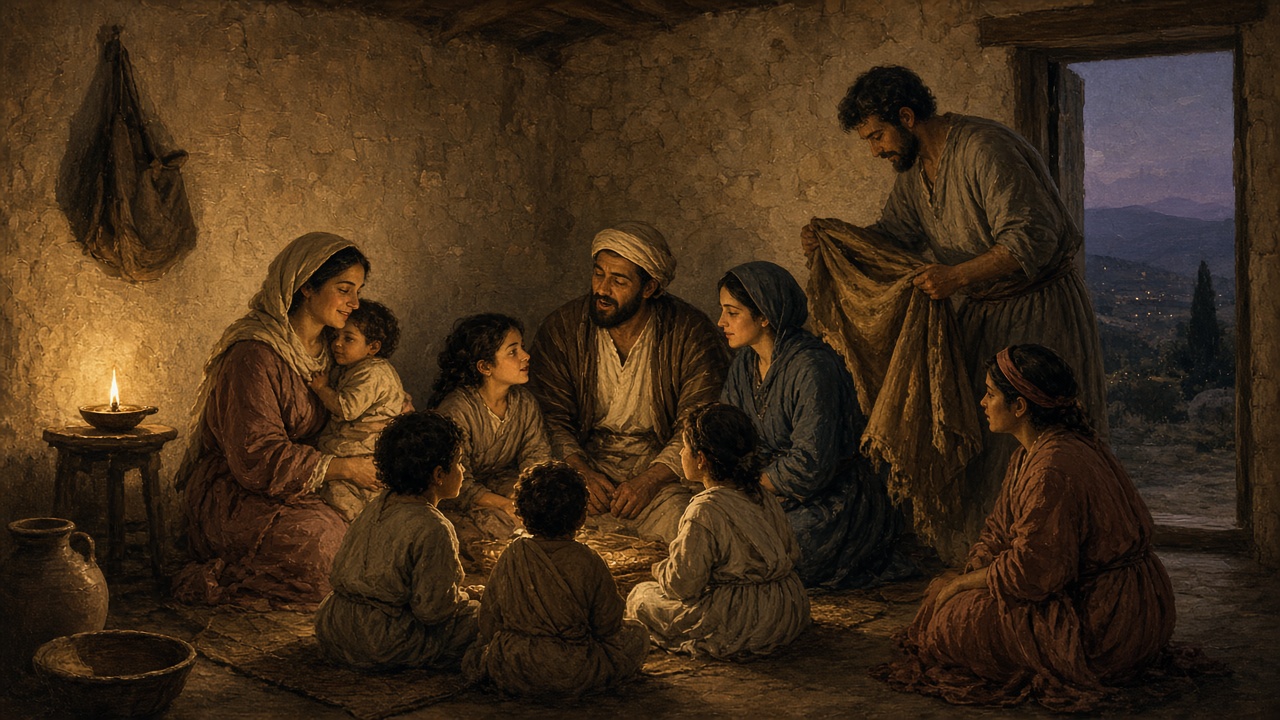
- The chapter then gives instructions for household relationships: wives and husbands, children and parents, and slaves and their earthly masters. Fathers are warned not to provoke their children, so that the children will not become discouraged. Slaves are told to obey with sincerity of heart, not only while they are being watched, and to work with their whole being for the Lord rather than for men, with the promise of an inheritance from the Lord as a reward; whoever does wrong will be repaid, and there is no favoritism.Sources: the Bible text itself
Notes written with AI assistance from open sources (Theographic Bible Metadata, CC BY-SA 4.0; Easton’s Bible Dictionary, public domain) and reviewed before publishing.
Credits and license for this translation
Manikáne O Ehwehne
God's New Talk: The New Testament in the Awa Language of Papua New Guinea
Nupela Testamen long tokples Awa long Niugini
copyright © 1974, 1997 Wycliffe Bible Translators, Inc.
℗ Faith Comes by Hearing
Language: Awa
Translation by: Wycliffe Bible Translators
This translation is made available to you under the terms of the
Creative Commons Attribution-Noncommercial-No Derivatives license 4.0.
You may share and redistribute this Bible translation or extracts from it in any format, provided that:
You include the above copyright and source information.
You do not sell this work for a profit.
You do not change any of the words or punctuation of the Scriptures.
Pictures included with Scriptures and other documents on this site are licensed just for use with those Scriptures and documents.
For other uses, please contact the respective copyright owners.
2013-12-11
Source: http://png.bible/awb/ · eBible.org