Acts 5
Manikáne O Ehwehne · Tap a verse to see its cross-references.
Ánáníásireq wene ahrereqka Manikáne Awa áhwárawe tagoya ehwéhne.
1Mó akéqká iwíáhue mó sansánuye. Wehukení wenáwíq Ánáníási wene ahre áwíq Sapairae. Sene marakó peh ákáhtaq éberiopéq paiqmarera móne meyóye. 2Ánáníásiga mi moné saime ebeqtaq kopéqmarowana wene ahrega tagówe. Tagówana wega mó akáhtáq mewe eqmaro keyabé péhenue peh ákáhtaq moné náriuwe. 3Náriuwana Pítaga wensabé, Ánáníásio, owainawanka iwíáh atéhrah aneqsabé mira íwíáhono? Arene marakó paiqmarahna moné ákáhtaq kopéqsuahnayabé Manikáne Awansabé péhe éhwéh teawene. 4Arene marakó íre paiqmarahnaraq tahirí peh arerene kagai iripo? Arene marakórate paiqmatona moné peh arerene matiarona wino. Arega, Móne ákáhtaq kopéqsue péhe éhwéh teriníe íwíáhóna wino. Arene arupipeq aneqsabé ahbabáq iwiáhono? Íre peh wehukeyabé Manikánsabe moq péhe éhwéh teawene úwe.
5Úwana Ánáníásiga mi ehwéh irena aunúnkaq márunsurahue putiowe. Putionsabe író kega anotah ahténéra áhre aguwe. 6Mibeqté máhbígáúnká séra pukú aniné anonka ambantataté úbíqme sehgiwera mómaisarówe.
7Ánáhkawagá wenawehq putíéhre u ehwéh íre irena apahtáró áhwáh sótaikúwana suwana 8Pítaga wensabé, Marakó paiqmarehyame mahraue moné meyehyo úwana kowe miraue meyoye úwe. 9Úwana Pítaga wensabé, Itega iwíáhétawe Manikáne Awa áhwárawe tagayehe íwíáhewoyo? Arenawehq maisaráh máhbígáúnká amahnága kouwekue méhpehnsah seuríáhwe. Sega arenkakáq sehgiwera pokigehe úwe.
10Sehgiwera pokigehe útaq mi iní aunúnkaq Pítane aigárátáq márunsurahue putiowe. Putiowara mahbigaunká nahupeq kire putio iní tagéra sehgiwera awehkawa maisarórabeq mómaisarówe. 11Moke Sísa tagaríáh kéreq mó kereqka putíóya ehwéh irera anotah ahténéra áhreuwe.
Ótaq sansámárínunsabe éhwéhne.
12Eqmaro kega wehuke míópi áhnte otáq sánsámárí mirauwe. Asiu kené wahnah aní Sórómóni míotaq pearó oewéhpéhpéq Sísa tagaríáh kégá mitaq sáhuria uriauwe. 13Sáhuríówara mó kegá iwíáhéra, Sísa tagaríáh kéwé peh kaweqtaq míáh ké wíre íwíáhéra áhtenéra mibeq seba íre suwe. 14Áhnte weh áhrégá mó wehekáh mó wehekáhnue Sísansabé aiq pútare atera mó Sísa tagaríáh kébá sáharuqarurowe.
15Eqmaro kega áhnte otáq sánsá miraunsabé awahre kegá iwíáhéra, Pítane mánkánahnka iteba sótaikínaraq itene awahre kaweraginkehe íwíáhuwe. Mira íwíáhunsabé sene iyahnaboga meriqmera ahtapeq máhriqtaq mórítówe. 16Sarúsarama suwahpeq wahtote kereqka awahre kereq owainawanka síwíoqnó kereq meriqmera mórítówara moke kaweragúwe.
Íópeqté ánínká karábúsiipéq míó ke máhpeq sito ehwehne.
17Manikáne ehweh mibeq mahbeq arítáh kéné wahnahnseq wereq míó ke, Sáyúsi kereqka iwíáhéra, Ótaq sansá mirao kegá ite kiotaikiyehboq aneraritanéhnkono uwe. Aneraritanéhnkono éra eqmaro keyabé anotah abíáhnsánéra 18se táhtoqme wahba karábúsíípéq mórítówe.
19Inokáhpeq Maniká míéhrabeqte íópeqté ánínká karábúsiipéqté ónsá siwe eqmaro ke máhpeq sitowe. 20Máhpeq sitena sensabé, Manikánsabe iwíáh íwíáh atáh náhtápéq kowéq moke náneqmarí oga mía mía ehwéh koreríéro úwe. 21Úwara sega ahbiahiperura pokue íópeqté ánínká inokáhpeq koreríéro aritonserah Manikánsabe iwíáh íwíáh atáh náhtápéq kosíwáhnoruwe.
Kosíwáhnoruwara Manikáne ehweh mibeq mahbeq arítáh kéné wahnahnseq wereq míó kereqka Asiu kené aboawah wehreq mó kaunsírí kéreqsabé síáhrabuwe. Síáhrabuwara sure morábí méra párísiwarínsábé, Karábúsiipéq mórítáráu ke koweriráhro uwe. 22Uwara párísiwarínká pokue karábúsiipéq koragowara eqmaro ke íre míówe. Íre míówara kouwekue sene wahnahnsabé, 23Itega tagónawe karábúsiipéqté ónsá paisa tagóne. Karábúsiipéqté wáhnáhmárínká onsarapéq máhpeq iriwe wahnahnatíáhwaq tagóne. Sega wahnahnatíáhwaq onsa siunaraq kabarúna ke íre míáhwe uwe.
24Uwara Manikánsabe iwíáh íwíáh atáh náhtápéqté párísíwáríné wahnahnseq Manikáne ehweh mibeq mahbeq arítáh kéné wahnahmarínseqka mi ehwéh irera áhtenéra, Árahiro? Se eheragowamo íwíáhuwe.
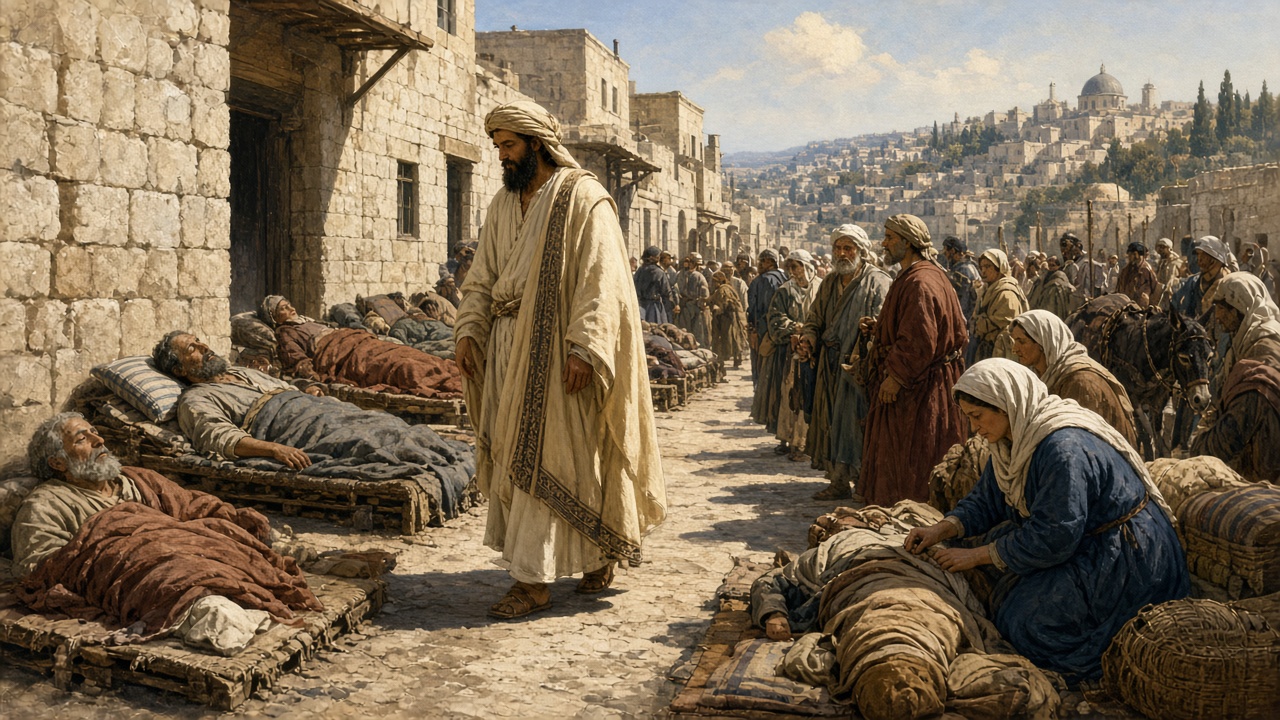
25Se eheragowamo íwíáhuwana sú aninká sensabé, Itega karábúsiipéq sítáró kegá Manikánsabe iwíáh íwíáh atáh náhtápéq amahnága iriwe síwáhnorowe teriuwe. 26Teriuwara Manikánsabe iwíáh íwíáh atáh náhtápéqté párísíwárínseq sene wahnahnseqka pokue Pítareh kowerirera áhreéra, Mó kegá ebahtaté subíyeho éra pehwehrue kowerirówe.
Pítarehga sene ehweh ayahqme teríú ehwehne.
27Koweriqmera kaunsíri kebá mórítówe. Mórítówana Manikáne ehweh mibeq mahbeq arítáh kéné wahnahnka Pítarehyabe ehweh aritowe. 28Ehweh aritena, Sísane ehweh mónkakáq síwáhnoriyeho teiátáu mino. Teiátáume íre ireq síwáhnoronsabé áhnte Sarúsarama suwahpeqte kégá Sísane ehweh íráhwe. Itega Sísa subitáúna ehwéh aneqsabé teri terinoo úwe.
29Aneqsabé teri terinoo úwara Pítarehga mahraréra, Manikáne ehweh anterúéhnehboq wehukene ehwehme árahue iranéhnkono? 30Itega Sísa awankátaq táhpareq subiq sutowe. Subiq sutowana itereq itene igaqnaréhne Manikánka iriatena oganúq atáráire.
31Oganúq atena wensabé, Niyah púpeq míahno atena wehuke kawerarito urairana Sísa mitaq ména ite Ísara ke kaweraitéh ání míéhre. Itene ahbabáq súéhrataq wega kaweraitankéhe. 32Manikánka miraurai naneq tagarionayabé teiune. Íre itebataq teiasa Manikáne Awanka mó teíre. Manikáne sansá mirao kebá Wenawa eqmaréhre uwe.
Pítarehyabe pehragarítáhro ú ehwehne.
33Uwara anotah Asíú wéhwárínká Pítarehne ehweh irera sensabé anotah abíáhnsánéra, Subiq suanehe íwíáhuwe. 34Iwíáhuwana mibeqté káúnsírí ání wenáwíq Kámáría we Péhrasi aní míowe. We Mósísiga sehgíóro ú ehweh síwáhnorú ani míowara mó kegá, We ahtebia ání míre íwíáhuwe. Wega iriwe ména, Mi ke wéhuwa máhpeq sito úwara máhpeq sítówe. 35Máhpeq sítówana wega momiwíu keyábé, Ísara keo, mi kegá miraira naneq irareneheqmé kawerue iwíáh atawéq irarero.
36Menah wehukení wenáwíq Téúrása ména, Íné anotah aní múge urairara áhnte wehuké 400 wehuké we kétówe. Kétówara mó kegá we subiq sutowara we kétó kega wene arambehri auwera abae ague sene nahtapeq sáh poké agurowe. Poké agurowana wene arambehri parabaguraire. 37We subiq sutowara anehe Kehrari marákórápéqté ání wenáwíq Súrása míaraire. Wahnah kegá wehuke síwíq merotaq mi tanáhráq Súrásareq we kétó kereqka kámáhni wahnáh ké subiq suanehe éra ite kámáhni wahnáh ké míaneheqmúne urowara kámáhni wahnáh kégá Súrása subiq sutowana pukuraire. Pukurairara we kétó kegá moq abae ague sene nahtapeq sáh poké agurowe.
38Minayabe teiníboq írátíáhro. Pehwehrue míáhro. Máhpeq míáh ké pehragarítáhro. Mi ehwéh peh seyene iwíáhwé pehipi túbáh agoneherawoe. 39Manikánka sene sirupipeq mi iwíáh arítéhmé itega íre ahqáho aritahráhúne. Manikánka itene naruo aní úkínehboq pehwehrue míáhro úwe.
40Úwara momiwíu kegá Kámáríane ehweh irera Pítareh síáhrabuwara suwe. Suwara sega subiqmaro atowara wiahnó karatáté subiqmarowara, Sísane ehweh mónkakáq síwáhnoriyeho teriera kaqsúówe. 41Kaqsúówara Pítarehga kaunsíri ke suera máhpeq pokuwe. Sísane arambehri miraunsabé wahnah kegá subiqmáró púara sene sirupipeq eyoyóuwara pokuwe. 42Sega mó wehekáh mó wehekáhnue Manikánsabe iwíáh íwíáh atáh náhtápéqkákáq wehukene nahtapeqkakáq mahrarue síwáhnoréra, Manikánka eqmaraníe ú aní, ite kaweraitahráhi anímé we Sísa wire ue síwáhno aruqaruruwe.
Did you know?
Deceit, wonders, and the Sanhedrin
- Ananias, a member of the Jerusalem church, and his wife Sapphira, whose name means beautiful, sold a piece of land and, with her knowledge, kept back part of the price while bringing the rest to the apostles. He could have kept the property; Peter reminded him that it remained at his disposal both before and after the sale. The wrong was the lie: he professed to give it all, Sapphira confirmed the false price, and both died, she sharing his guilt and his punishment.Sources: Ananias (Husband of Sapphira) · Sapphira · the Bible text itself
- The believers gathered with one accord in Solomon’s Colonnade, where the apostles performed many signs and wonders. That colonnade probably stood on the eastern side of the temple. It is not mentioned in connection with the first temple, though Josephus refers to a porch of that name in Herod’s temple.Sources: Solomon's Portico · the Bible text itself
- When the high priest and his associates, who belonged to the party of the Sadducees, had the apostles arrested, a Pharisee named Gamaliel stood up in the Sanhedrin. He is described as a teacher of the law honored by all the people, the son of Rabbi Simeon and grandson of the famous Rabbi Hillel, and as an opponent of the Sadducees; he urged the council to leave the men alone. He pointed to Theudas, who had led an insurrection against Roman authority and, as Gamaliel told it, gathered about four hundred men before the rising came to nothing—beyond that, nothing else is known of Theudas—and to Judas the Galilean, who perished in the days of the census.Sources: Gamaliel · Theudas · the Bible text itself
Notes written with AI assistance from open sources (Theographic Bible Metadata, CC BY-SA 4.0; Easton’s Bible Dictionary, public domain) and reviewed before publishing.
Places in this chapter
- Solomon’s Portico · Today: in Jerusalem · 31.777, 35.234 · verse 12
- Jerusalem · 31.777, 35.234 · verses 16, 28
- Galilee · 32.760, 35.527 · verse 37
Only places identified with high confidence are shown (90% or more according to the scholarly sources compiled by OpenBible). Period map: DARE (Digital Atlas of the Roman Empire), CC BY 4.0; modern map: © OpenStreetMap contributors; places: OpenBible.info (CC BY 4.0).
Credits and license for this translation
Manikáne O Ehwehne
God's New Talk: The New Testament in the Awa Language of Papua New Guinea
Nupela Testamen long tokples Awa long Niugini
copyright © 1974, 1997 Wycliffe Bible Translators, Inc.
℗ Faith Comes by Hearing
Language: Awa
Translation by: Wycliffe Bible Translators
This translation is made available to you under the terms of the
Creative Commons Attribution-Noncommercial-No Derivatives license 4.0.
You may share and redistribute this Bible translation or extracts from it in any format, provided that:
You include the above copyright and source information.
You do not sell this work for a profit.
You do not change any of the words or punctuation of the Scriptures.
Pictures included with Scriptures and other documents on this site are licensed just for use with those Scriptures and documents.
For other uses, please contact the respective copyright owners.
2013-12-11
Source: http://png.bible/awb/ · eBible.org